


Rebecca Saxe
@rebeccasaxe.bsky.social
Cognitive neuroscience at MIT. Open science. 🇨🇦
Saxelab.mit.edu
Saxelab.mit.edu
If you are at MIT today come to the Open Data prize celebration at 3pm in the Nexus!
libraries.mit.edu/opendata/ope...
libraries.mit.edu/opendata/ope...

MIT Prize for Open Data | Open Data @ MIT
To highlight the value of open data at MIT, and to encourage the next generation of researchers, the MIT School of Science and the MIT Libraries present the MIT Prize for Open Data. Congratulations to...
libraries.mit.edu
October 21, 2025 at 4:38 PM
If you are at MIT today come to the Open Data prize celebration at 3pm in the Nexus!
libraries.mit.edu/opendata/ope...
libraries.mit.edu/opendata/ope...
My sister @shoshannasaxe.bsky.social
In this podcast, just rocks. So proud.
www.podbean.com/ep/pb-bqngw-...
In this podcast, just rocks. So proud.
www.podbean.com/ep/pb-bqngw-...
Are Bike Lanes Good for Cities?
Bike lanes are central to city planning, but why do they spark such fierce debate? On Good for Cities, host Matti Siemiatycki sits down with infrastructure expert Dr. Shoshanna Saxe to cut through the...
www.podbean.com
October 17, 2025 at 6:16 PM
My sister @shoshannasaxe.bsky.social
In this podcast, just rocks. So proud.
www.podbean.com/ep/pb-bqngw-...
In this podcast, just rocks. So proud.
www.podbean.com/ep/pb-bqngw-...
Totally agree with Mikes description of this project as a wild journey, utterly joyous true collaboration, and satisfying first step for quantitative predictive rational model of habituation.
Not the first time I’ve suggested a “first step” in research that required a whole PhD to complete. 😉
Not the first time I’ve suggested a “first step” in research that required a whole PhD to complete. 😉
Ever wonder how habituation works? Here's our attempt to understand:
A stimulus-computable rational model of visual habituation in infants and adults doi.org/10.7554/eLif...
This is the thesis of two wonderful students: @anjiecao.bsky.social @galraz.bsky.social, w/ @rebeccasaxe.bsky.social
A stimulus-computable rational model of visual habituation in infants and adults doi.org/10.7554/eLif...
This is the thesis of two wonderful students: @anjiecao.bsky.social @galraz.bsky.social, w/ @rebeccasaxe.bsky.social


September 30, 2025 at 2:01 AM
Totally agree with Mikes description of this project as a wild journey, utterly joyous true collaboration, and satisfying first step for quantitative predictive rational model of habituation.
Not the first time I’ve suggested a “first step” in research that required a whole PhD to complete. 😉
Not the first time I’ve suggested a “first step” in research that required a whole PhD to complete. 😉
Reposted by Rebecca Saxe
Ever wonder how habituation works? Here's our attempt to understand:
A stimulus-computable rational model of visual habituation in infants and adults doi.org/10.7554/eLif...
This is the thesis of two wonderful students: @anjiecao.bsky.social @galraz.bsky.social, w/ @rebeccasaxe.bsky.social
A stimulus-computable rational model of visual habituation in infants and adults doi.org/10.7554/eLif...
This is the thesis of two wonderful students: @anjiecao.bsky.social @galraz.bsky.social, w/ @rebeccasaxe.bsky.social
September 29, 2025 at 11:38 PM
Ever wonder how habituation works? Here's our attempt to understand:
A stimulus-computable rational model of visual habituation in infants and adults doi.org/10.7554/eLif...
This is the thesis of two wonderful students: @anjiecao.bsky.social @galraz.bsky.social, w/ @rebeccasaxe.bsky.social
A stimulus-computable rational model of visual habituation in infants and adults doi.org/10.7554/eLif...
This is the thesis of two wonderful students: @anjiecao.bsky.social @galraz.bsky.social, w/ @rebeccasaxe.bsky.social
Reposted by Rebecca Saxe
Total disaster for the #drosophila community if flybase disappears

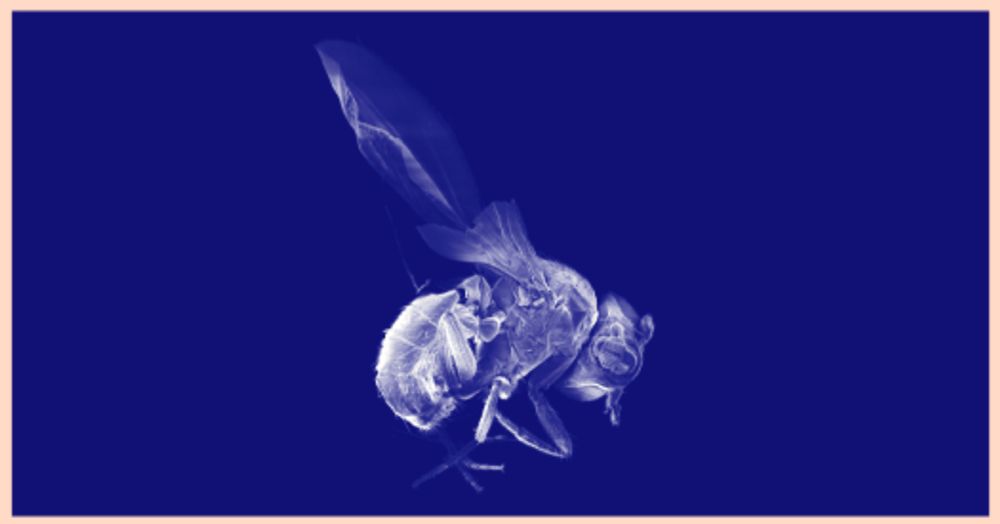
August 13, 2025 at 8:42 PM
Total disaster for the #drosophila community if flybase disappears
So pleased and proud to share this work.
I started trying to think clearly about authority punishment in 2018. This new paper with Setayesh Radkani is the first fruit of that labour.
Why so much struggle? See thread.
1/17
I started trying to think clearly about authority punishment in 2018. This new paper with Setayesh Radkani is the first fruit of that labour.
Why so much struggle? See thread.
1/17
🚨Out in PNAS🚨
with @joshtenenbaum.bsky.social & @rebeccasaxe.bsky.social
Punishment, even when intended to teach norms and change minds for the good, may backfire.
Our computational cognitive model explains why!
Paper: tinyurl.com/yc7fs4x7
News: tinyurl.com/3h3446wu
🧵
with @joshtenenbaum.bsky.social & @rebeccasaxe.bsky.social
Punishment, even when intended to teach norms and change minds for the good, may backfire.
Our computational cognitive model explains why!
Paper: tinyurl.com/yc7fs4x7
News: tinyurl.com/3h3446wu
🧵
PNAS
Proceedings of the National Academy of Sciences (PNAS), a peer reviewed journal of the National Academy of Sciences (NAS) - an authoritative source of high-impact, original research that broadly spans...
tinyurl.com
August 13, 2025 at 7:32 PM
So pleased and proud to share this work.
I started trying to think clearly about authority punishment in 2018. This new paper with Setayesh Radkani is the first fruit of that labour.
Why so much struggle? See thread.
1/17
I started trying to think clearly about authority punishment in 2018. This new paper with Setayesh Radkani is the first fruit of that labour.
Why so much struggle? See thread.
1/17
Reposted by Rebecca Saxe
Also sharing a beautiful illustration of these ideas by my lovely and talented 👩🎨 friend, Adhara Martellini!

August 8, 2025 at 2:58 PM
Also sharing a beautiful illustration of these ideas by my lovely and talented 👩🎨 friend, Adhara Martellini!
Reposted by Rebecca Saxe
🚨Out in PNAS🚨
with @joshtenenbaum.bsky.social & @rebeccasaxe.bsky.social
Punishment, even when intended to teach norms and change minds for the good, may backfire.
Our computational cognitive model explains why!
Paper: tinyurl.com/yc7fs4x7
News: tinyurl.com/3h3446wu
🧵
with @joshtenenbaum.bsky.social & @rebeccasaxe.bsky.social
Punishment, even when intended to teach norms and change minds for the good, may backfire.
Our computational cognitive model explains why!
Paper: tinyurl.com/yc7fs4x7
News: tinyurl.com/3h3446wu
🧵
PNAS
Proceedings of the National Academy of Sciences (PNAS), a peer reviewed journal of the National Academy of Sciences (NAS) - an authoritative source of high-impact, original research that broadly spans...
tinyurl.com
August 8, 2025 at 2:04 PM
🚨Out in PNAS🚨
with @joshtenenbaum.bsky.social & @rebeccasaxe.bsky.social
Punishment, even when intended to teach norms and change minds for the good, may backfire.
Our computational cognitive model explains why!
Paper: tinyurl.com/yc7fs4x7
News: tinyurl.com/3h3446wu
🧵
with @joshtenenbaum.bsky.social & @rebeccasaxe.bsky.social
Punishment, even when intended to teach norms and change minds for the good, may backfire.
Our computational cognitive model explains why!
Paper: tinyurl.com/yc7fs4x7
News: tinyurl.com/3h3446wu
🧵
Reading this book and really enjoying it. Even the parts that are familiar are fun to hear again in this new succinct and thoughtful voice.
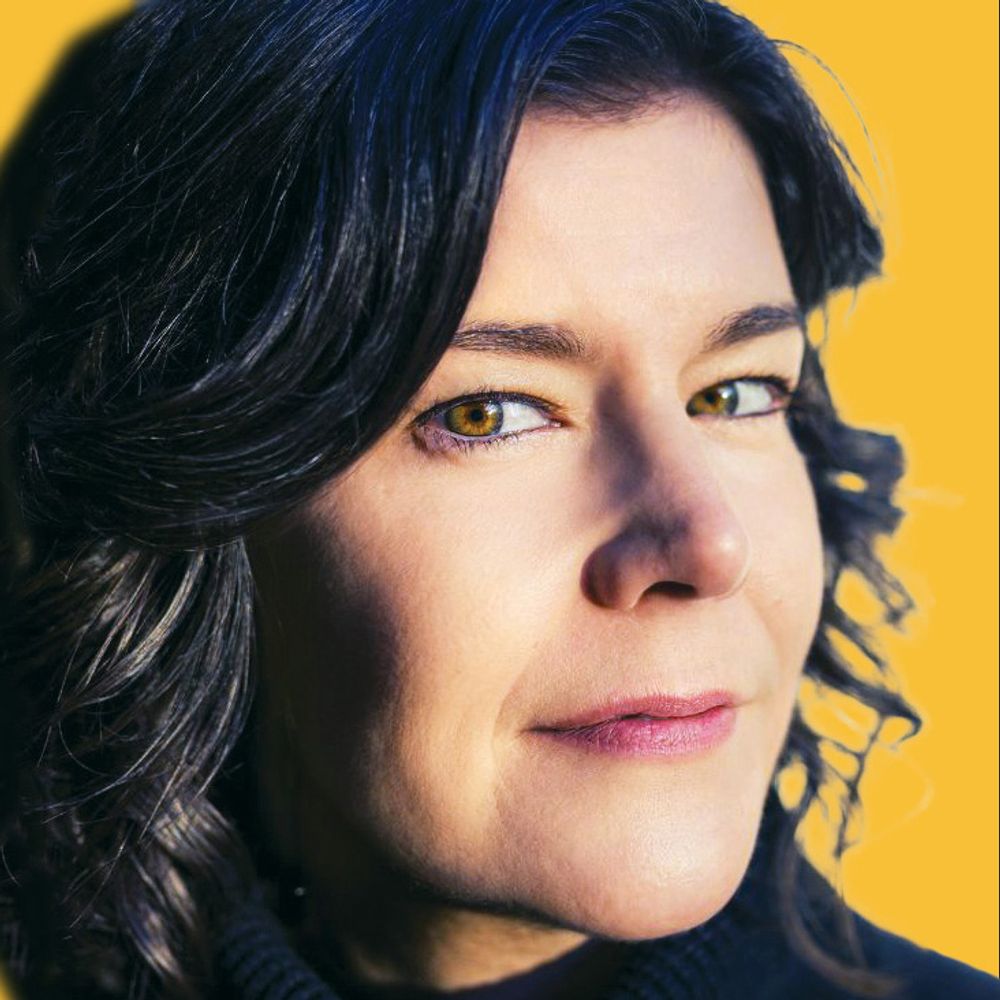
Just look what was waiting for me when I came back from my run. Elusive Cures is now a REAL BOOK!!
press.princeton.edu/books/hardco...
press.princeton.edu/books/hardco...

August 7, 2025 at 10:51 PM
Reading this book and really enjoying it. Even the parts that are familiar are fun to hear again in this new succinct and thoughtful voice.
Reposted by Rebecca Saxe

In case you missed it, our discussion with Professor Rebecca Saxe (@rebeccasaxe.bsky.social) is live! Give it a listen, why don't ya?
🚨 New Episode! 🚨 We're thrilled to release another installment of "A conversation with a luminary," featuring *over 2 hours* with Professor Rebecca Saxe. We discuss her early life, science journey, mentorship under Nancy Kanwisher, her Theory of Mind work, & more! So fun!
itsinnate.fireside.fm/30
itsinnate.fireside.fm/30
A conversation with a luminary #5: Rebecca Saxe
itsinnate.fireside.fm
July 21, 2025 at 6:25 PM
In case you missed it, our discussion with Professor Rebecca Saxe (@rebeccasaxe.bsky.social) is live! Give it a listen, why don't ya?
Reposted by Rebecca Saxe
Beliefs about Social Dynamics and Open Science, w/ @ashleyjthomas.bsky.social & @rebeccasaxe.bsky.social - royalsocietypublishing.org/doi/10.1098/...
While perceptions of social dynamics of your field don't predict open science attitudes, we did find high levels of support for open science (YAY) ..
While perceptions of social dynamics of your field don't predict open science attitudes, we did find high levels of support for open science (YAY) ..
May 22, 2025 at 12:59 PM
Beliefs about Social Dynamics and Open Science, w/ @ashleyjthomas.bsky.social & @rebeccasaxe.bsky.social - royalsocietypublishing.org/doi/10.1098/...
While perceptions of social dynamics of your field don't predict open science attitudes, we did find high levels of support for open science (YAY) ..
While perceptions of social dynamics of your field don't predict open science attitudes, we did find high levels of support for open science (YAY) ..
Reposted by Rebecca Saxe
thanks for sharing @jenikubota.bsky.social - and delighted to see our paper on virtual contact is now *out*
(led by @shirahebelsela.bsky.social and with @boazhameiri.bsky.social Samantha Moore-Berg, @rebeccasaxe.bsky.social, @eranhalperin75.bsky.social and Emile Bruneau as co-authors) 🙏🏻
(led by @shirahebelsela.bsky.social and with @boazhameiri.bsky.social Samantha Moore-Berg, @rebeccasaxe.bsky.social, @eranhalperin75.bsky.social and Emile Bruneau as co-authors) 🙏🏻
Up next, a tremendous paper led by @shirahebelsela.bsky.social
finding that a semester-long virtual contact intervention improved attitudes, reduced dehumanization, and increased self-outgroup overlap among non-Muslim and Muslim students
www.nature.com/articles/s44...
finding that a semester-long virtual contact intervention improved attitudes, reduced dehumanization, and increased self-outgroup overlap among non-Muslim and Muslim students
www.nature.com/articles/s44...
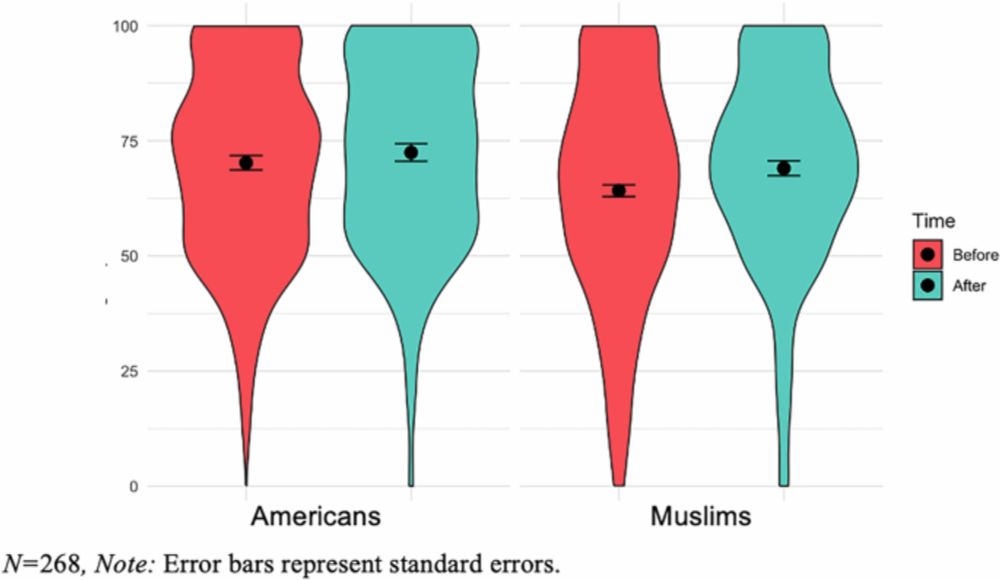
Virtual contact improves intergroup relations between non-Muslim American and Muslim students from the Middle East, North Africa and Southeast Asia in a field quasi-experiment - Communications Psychol...
Virtual contact between U.S. non-Muslim and Muslim students from MENA and SE Asia regions demonstrates that online interactions can effectively reduce prejudice and dehumanization, offering a scalable...
www.nature.com
May 20, 2025 at 1:39 PM
thanks for sharing @jenikubota.bsky.social - and delighted to see our paper on virtual contact is now *out*
(led by @shirahebelsela.bsky.social and with @boazhameiri.bsky.social Samantha Moore-Berg, @rebeccasaxe.bsky.social, @eranhalperin75.bsky.social and Emile Bruneau as co-authors) 🙏🏻
(led by @shirahebelsela.bsky.social and with @boazhameiri.bsky.social Samantha Moore-Berg, @rebeccasaxe.bsky.social, @eranhalperin75.bsky.social and Emile Bruneau as co-authors) 🙏🏻
Reposted by Rebecca Saxe

This is either interesting scientific research or the start of one incredible heist
Please help: Do you know a baby, less than 12 months old, who can walk? We are trying to complete a project, 7 years in the works. And all we need are 3 infants who are less than a year old and can walk, to do a short online looking-time study.
🆘
🆘
May 15, 2025 at 8:51 PM
This is either interesting scientific research or the start of one incredible heist
Please help: Do you know a baby, less than 12 months old, who can walk? We are trying to complete a project, 7 years in the works. And all we need are 3 infants who are less than a year old and can walk, to do a short online looking-time study.
🆘
🆘
May 15, 2025 at 4:04 PM
Please help: Do you know a baby, less than 12 months old, who can walk? We are trying to complete a project, 7 years in the works. And all we need are 3 infants who are less than a year old and can walk, to do a short online looking-time study.
🆘
🆘
In case you missed CDS last week, here is the preprint for Young-Eun Lee's presentation:,
"Children learn what is right or wrong selectively from a legitimate authority’s punishment"
osf.io/preprints/os...
"Children learn what is right or wrong selectively from a legitimate authority’s punishment"
osf.io/preprints/os...
OSF
osf.io
May 5, 2025 at 9:33 PM
In case you missed CDS last week, here is the preprint for Young-Eun Lee's presentation:,
"Children learn what is right or wrong selectively from a legitimate authority’s punishment"
osf.io/preprints/os...
"Children learn what is right or wrong selectively from a legitimate authority’s punishment"
osf.io/preprints/os...
HHMI is hiring two full-time 'Open Science fellows':
www.linkedin.com/jobs/view/op...
www.linkedin.com/jobs/view/op...

Howard Hughes Medical Institute (HHMI) hiring Open Science Fellows in Chevy Chase, MD | LinkedIn
Posted 9:01:17 AM. Current HHMI Employees, click here to apply via your Workday account.HHMI is focused on supporting…See this and similar jobs on LinkedIn.
www.linkedin.com
April 28, 2025 at 3:32 PM
HHMI is hiring two full-time 'Open Science fellows':
www.linkedin.com/jobs/view/op...
www.linkedin.com/jobs/view/op...
This paper is the final piece of @kosakowski.bsky.social’s thesis. So, after a decade of infant fMRI research in my lab, a brief personal history of this research and some links to learn more.
Origins of Face Responses in the Human Cortex: fNIRS and fMRI Evidence From Infants
journals.sagepub.com/doi/10.1177/...
journals.sagepub.com/doi/10.1177/...

Sage Journals: Discover world-class research
Subscription and open access journals from Sage, the world's leading independent academic publisher.
journals.sagepub.com
April 25, 2025 at 10:32 PM
This paper is the final piece of @kosakowski.bsky.social’s thesis. So, after a decade of infant fMRI research in my lab, a brief personal history of this research and some links to learn more.
The question we ask: when do face responses arise in human infant cortex?
Neuroscientists and developmental psychologists (my two disciplines) have different intuitions.
Neuroscientists and developmental psychologists (my two disciplines) have different intuitions.

April 24, 2025 at 5:14 PM
The question we ask: when do face responses arise in human infant cortex?
Neuroscientists and developmental psychologists (my two disciplines) have different intuitions.
Neuroscientists and developmental psychologists (my two disciplines) have different intuitions.
Also I love the beautiful thread that @kosakowski.bsky.social wrote about it:
When you see this image, does it make you wonder what that baby is thinking. Do you think the baby is merely perceiving a set of shapes or do you think that the baby is also inferring meaning from the face they are looking at? (1/5)


April 22, 2025 at 8:02 PM
Also I love the beautiful thread that @kosakowski.bsky.social wrote about it:
Very excited to share this new paper, out this week.
An attempt to express an idea I have been working on for more than a decade.
Responses, questions, critiques, suggestions encouraged!
An attempt to express an idea I have been working on for more than a decade.
Responses, questions, critiques, suggestions encouraged!
In our recent review, @rebeccasaxe.bsky.social & I bring together fMRI & fNIRS findings from the last decade to argue that babies not only perceive faces but they also attribute meaning to those faces. It’s a short read and we’d love to hear your thoughts. (4/5) doi.org/10.1177/0963...

April 22, 2025 at 8:02 PM
Very excited to share this new paper, out this week.
An attempt to express an idea I have been working on for more than a decade.
Responses, questions, critiques, suggestions encouraged!
An attempt to express an idea I have been working on for more than a decade.
Responses, questions, critiques, suggestions encouraged!
Reposted by Rebecca Saxe

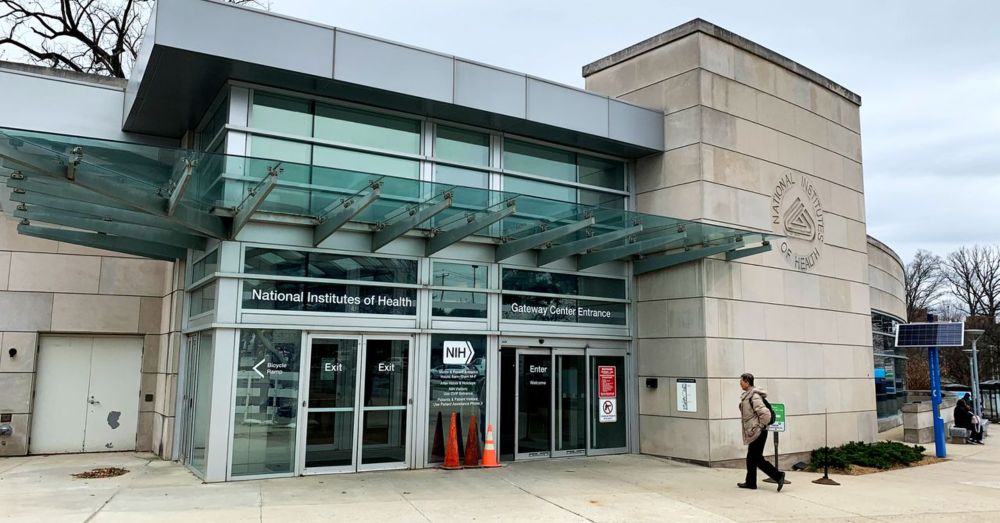
NEW: No fewer than 10 principle scientists at NIH investigating emerging infectious diseases and neural disorders were among those fired by RFK Jr. today.
One is an esteemed scientist awarded for breakthrough research into the causes of Parkinson's disease.
By me and @emilymullin.bsky.social:
One is an esteemed scientist awarded for breakthrough research into the causes of Parkinson's disease.
By me and @emilymullin.bsky.social:
Doctor Behind Award-Winning Parkinson’s Research Among Scientists Purged From NIH
Leading scientists at the National Institutes of Health, the US’s leading medical research agency, were swept up Tuesday in the Trump administration's latest firing blitz.
www.wired.com
April 2, 2025 at 12:15 AM
NEW: No fewer than 10 principle scientists at NIH investigating emerging infectious diseases and neural disorders were among those fired by RFK Jr. today.
One is an esteemed scientist awarded for breakthrough research into the causes of Parkinson's disease.
By me and @emilymullin.bsky.social:
One is an esteemed scientist awarded for breakthrough research into the causes of Parkinson's disease.
By me and @emilymullin.bsky.social:
Reposted by Rebecca Saxe
Proud to be a signatory of this statement from 1900 members of NASEM:
We call on the administration to cease its wholesale assault on U.S. science, and we urge the public to join this call.
docs.google.com/document/d/1...
We call on the administration to cease its wholesale assault on U.S. science, and we urge the public to join this call.
docs.google.com/document/d/1...

Public Statement on Supporting Science for the Benefit of All Citizens
TO THE AMERICAN PEOPLE We all rely on science. Science gave us the smartphones in our pockets, the navigation systems in our cars, and life-saving medical care. We count on engineers when we drive acr...
docs.google.com
March 31, 2025 at 9:48 PM
Proud to be a signatory of this statement from 1900 members of NASEM:
We call on the administration to cease its wholesale assault on U.S. science, and we urge the public to join this call.
docs.google.com/document/d/1...
We call on the administration to cease its wholesale assault on U.S. science, and we urge the public to join this call.
docs.google.com/document/d/1...
Reposted by Rebecca Saxe
Proud to speak at the StandUpForScience rally in Boston today!

March 8, 2025 at 12:14 AM
Proud to speak at the StandUpForScience rally in Boston today!
So proud to Stand up for science with these amazing scientists @kidsbrains.bsky.social

March 7, 2025 at 11:43 PM
So proud to Stand up for science with these amazing scientists @kidsbrains.bsky.social