




RSPB Science
@rspbscience.bsky.social
Research, reports, and citizen science from the RSPB Centre for Conservation Science
Pinned
RSPB Science
@rspbscience.bsky.social
· Nov 19

Sadly, we have seen a big increase in avian flu cases in the UK - particularly in waterfowl
Whilst the risk to the public remains assessed as very low, Government advice is not to touch any visibly sick or dead birds, and to keep pets away
Read on for ways to help:
📷Ben Andrew
Whilst the risk to the public remains assessed as very low, Government advice is not to touch any visibly sick or dead birds, and to keep pets away
Read on for ways to help:
📷Ben Andrew
Join our Marine Team on an expedition to track the Leach's Petrel 🪶
These birds can travel over 2000km during a single foraging trip, but are only the size of a starling!
Watch the full film here: www.youtube.com/watch?v=WrXB...
All birds were caught and handled under licence by RSPB staff
These birds can travel over 2000km during a single foraging trip, but are only the size of a starling!
Watch the full film here: www.youtube.com/watch?v=WrXB...
All birds were caught and handled under licence by RSPB staff

Travel to a remote Scottish island to see how tagging seabirds can help protect them
YouTube video by RSPB
www.youtube.com
January 14, 2026 at 4:14 PM
Join our Marine Team on an expedition to track the Leach's Petrel 🪶
These birds can travel over 2000km during a single foraging trip, but are only the size of a starling!
Watch the full film here: www.youtube.com/watch?v=WrXB...
All birds were caught and handled under licence by RSPB staff
These birds can travel over 2000km during a single foraging trip, but are only the size of a starling!
Watch the full film here: www.youtube.com/watch?v=WrXB...
All birds were caught and handled under licence by RSPB staff
Reposted by RSPB Science
Government’s wildlife targets will be missed in England, watchdog says
Seven out of 10 targets have little likelihood of being met by 2030, Office for Environmental Protection says
www.theguardian.com/environment/...
@rspbscience.bsky.social @rspbengland.bsky.social
Seven out of 10 targets have little likelihood of being met by 2030, Office for Environmental Protection says
www.theguardian.com/environment/...
@rspbscience.bsky.social @rspbengland.bsky.social

Government’s wildlife targets will be missed in England, watchdog says
Seven out of 10 targets have little likelihood of being met by 2030, Office for Environmental Protection says
www.theguardian.com
January 13, 2026 at 5:10 PM
Government’s wildlife targets will be missed in England, watchdog says
Seven out of 10 targets have little likelihood of being met by 2030, Office for Environmental Protection says
www.theguardian.com/environment/...
@rspbscience.bsky.social @rspbengland.bsky.social
Seven out of 10 targets have little likelihood of being met by 2030, Office for Environmental Protection says
www.theguardian.com/environment/...
@rspbscience.bsky.social @rspbengland.bsky.social
Job alert:
Join our International team on a 2yr Conservation Scientist post working on Island Restoration. This role is UK based, but includes a 4-month expedition to Henderson Island.
Deadline: 30th Jan
Find out more here: app.vacancy-filler.co.uk/salescrm/Car...
Join our International team on a 2yr Conservation Scientist post working on Island Restoration. This role is UK based, but includes a 4-month expedition to Henderson Island.
Deadline: 30th Jan
Find out more here: app.vacancy-filler.co.uk/salescrm/Car...

January 5, 2026 at 10:14 AM
Job alert:
Join our International team on a 2yr Conservation Scientist post working on Island Restoration. This role is UK based, but includes a 4-month expedition to Henderson Island.
Deadline: 30th Jan
Find out more here: app.vacancy-filler.co.uk/salescrm/Car...
Join our International team on a 2yr Conservation Scientist post working on Island Restoration. This role is UK based, but includes a 4-month expedition to Henderson Island.
Deadline: 30th Jan
Find out more here: app.vacancy-filler.co.uk/salescrm/Car...
Well its certainly been a busy year for RSPB Conservation Science
In 2025 we…
- Worked in 54 countries & UKOTs
- Carried out 94 research projects
- Studied 107 species
- Tracked 366 seabirds
- Surveyed 4420 people
Bring on 2026!
📷 Andy Schofield, Paul Insua-Cao, Ben Andrew
In 2025 we…
- Worked in 54 countries & UKOTs
- Carried out 94 research projects
- Studied 107 species
- Tracked 366 seabirds
- Surveyed 4420 people
Bring on 2026!
📷 Andy Schofield, Paul Insua-Cao, Ben Andrew

January 2, 2026 at 9:30 AM
Well its certainly been a busy year for RSPB Conservation Science
In 2025 we…
- Worked in 54 countries & UKOTs
- Carried out 94 research projects
- Studied 107 species
- Tracked 366 seabirds
- Surveyed 4420 people
Bring on 2026!
📷 Andy Schofield, Paul Insua-Cao, Ben Andrew
In 2025 we…
- Worked in 54 countries & UKOTs
- Carried out 94 research projects
- Studied 107 species
- Tracked 366 seabirds
- Surveyed 4420 people
Bring on 2026!
📷 Andy Schofield, Paul Insua-Cao, Ben Andrew
Did you know? Scientists have un-discovered two species of Redpoll
Following investigations into their genetics and variation in plumage, the Lesser Redpoll, Common Redpoll and Arctic Redpoll are now lumped together as a single species; the Redpoll.
#ScienceFactFriday
Following investigations into their genetics and variation in plumage, the Lesser Redpoll, Common Redpoll and Arctic Redpoll are now lumped together as a single species; the Redpoll.
#ScienceFactFriday

December 19, 2025 at 9:30 AM
Did you know? Scientists have un-discovered two species of Redpoll
Following investigations into their genetics and variation in plumage, the Lesser Redpoll, Common Redpoll and Arctic Redpoll are now lumped together as a single species; the Redpoll.
#ScienceFactFriday
Following investigations into their genetics and variation in plumage, the Lesser Redpoll, Common Redpoll and Arctic Redpoll are now lumped together as a single species; the Redpoll.
#ScienceFactFriday
Celebrating 20 years of Action for Birds in England!
This partnership between Natural England and @rspb.bsky.social has worked on restoring some of England's most threatened birds.
Read about some of its historic wins here: www.rspb.org.uk/england/engl...
📷Henry Cook
@rspbengland.bsky.social
This partnership between Natural England and @rspb.bsky.social has worked on restoring some of England's most threatened birds.
Read about some of its historic wins here: www.rspb.org.uk/england/engl...
📷Henry Cook
@rspbengland.bsky.social

December 17, 2025 at 3:50 PM
Celebrating 20 years of Action for Birds in England!
This partnership between Natural England and @rspb.bsky.social has worked on restoring some of England's most threatened birds.
Read about some of its historic wins here: www.rspb.org.uk/england/engl...
📷Henry Cook
@rspbengland.bsky.social
This partnership between Natural England and @rspb.bsky.social has worked on restoring some of England's most threatened birds.
Read about some of its historic wins here: www.rspb.org.uk/england/engl...
📷Henry Cook
@rspbengland.bsky.social
Attending #BES2025?
Make sure to catch talks from @rspbscience.bsky.social
Deriving Essential Biodiversity Variables from passive acoustic monitoring
Wednesday-12:15-Pentland
Metric Soup – exploring biodiversity metrics for use in business’ nature-related disclosures
Thursday-11:30-Lowther
Make sure to catch talks from @rspbscience.bsky.social
Deriving Essential Biodiversity Variables from passive acoustic monitoring
Wednesday-12:15-Pentland
Metric Soup – exploring biodiversity metrics for use in business’ nature-related disclosures
Thursday-11:30-Lowther

December 16, 2025 at 4:49 PM
Attending #BES2025?
Make sure to catch talks from @rspbscience.bsky.social
Deriving Essential Biodiversity Variables from passive acoustic monitoring
Wednesday-12:15-Pentland
Metric Soup – exploring biodiversity metrics for use in business’ nature-related disclosures
Thursday-11:30-Lowther
Make sure to catch talks from @rspbscience.bsky.social
Deriving Essential Biodiversity Variables from passive acoustic monitoring
Wednesday-12:15-Pentland
Metric Soup – exploring biodiversity metrics for use in business’ nature-related disclosures
Thursday-11:30-Lowther
Reposted by RSPB Science
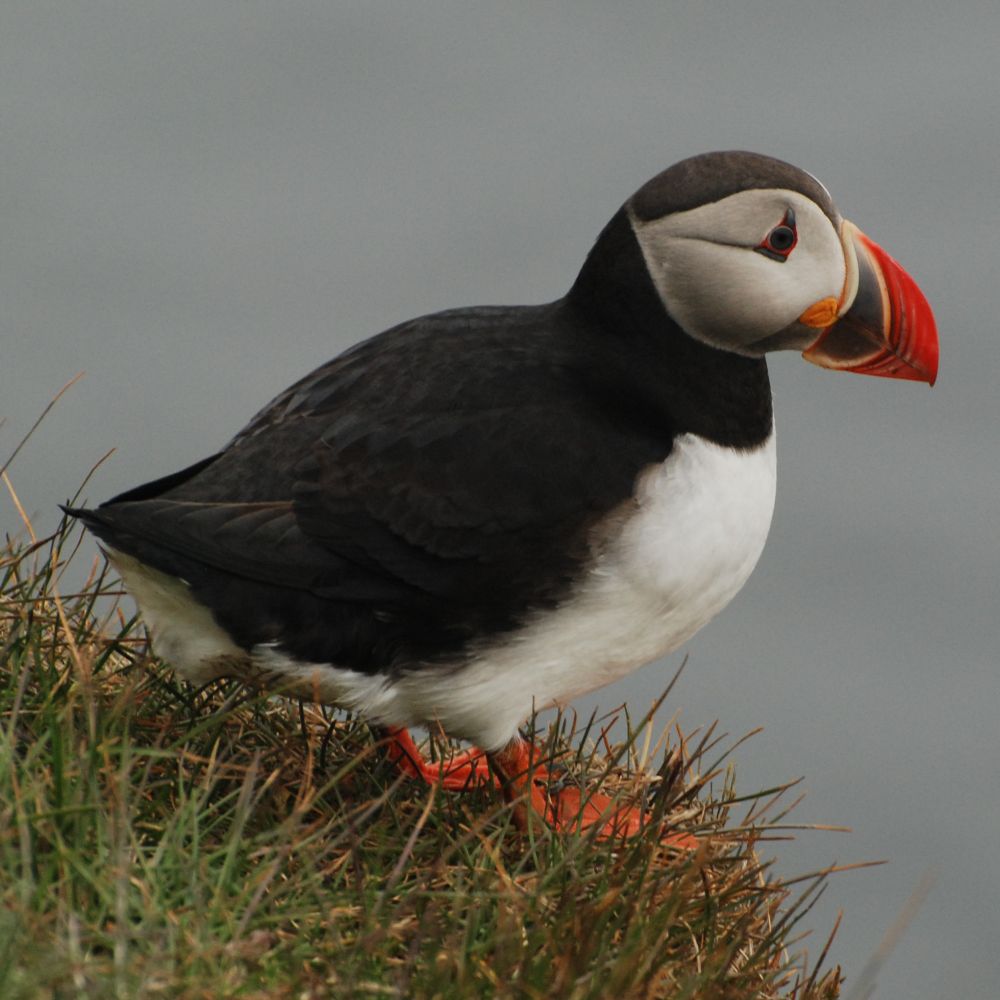
The Pan-European Common Bird Monitoring Scheme has published 2025 update on indices and trends! Unfortunately, it still shows an overall decline in common birds breeding in Europe, with the most pronounced decline among farmland species. Read more about the new update: pecbms.info/what-is-new-...

December 15, 2025 at 6:02 PM
The Pan-European Common Bird Monitoring Scheme has published 2025 update on indices and trends! Unfortunately, it still shows an overall decline in common birds breeding in Europe, with the most pronounced decline among farmland species. Read more about the new update: pecbms.info/what-is-new-...
Did you know? Bitterns’ eyes are made to look down
Bittern eyes are placed lower down on their head than many other birds so they can easily look for prey beneath them in the water
#ScienceFactFriday
Bittern eyes are placed lower down on their head than many other birds so they can easily look for prey beneath them in the water
#ScienceFactFriday

December 12, 2025 at 9:30 AM
Did you know? Bitterns’ eyes are made to look down
Bittern eyes are placed lower down on their head than many other birds so they can easily look for prey beneath them in the water
#ScienceFactFriday
Bittern eyes are placed lower down on their head than many other birds so they can easily look for prey beneath them in the water
#ScienceFactFriday
We're hiring!
Seasonal Research Assistant and Senior Research Assistant positions for 2026 🪶
Deadline: 11th Jan 26
Apply here: app.vacancy-filler.co.uk/salescrm/Car...
Seasonal Research Assistant and Senior Research Assistant positions for 2026 🪶
Deadline: 11th Jan 26
Apply here: app.vacancy-filler.co.uk/salescrm/Car...
December 11, 2025 at 3:04 PM
We're hiring!
Seasonal Research Assistant and Senior Research Assistant positions for 2026 🪶
Deadline: 11th Jan 26
Apply here: app.vacancy-filler.co.uk/salescrm/Car...
Seasonal Research Assistant and Senior Research Assistant positions for 2026 🪶
Deadline: 11th Jan 26
Apply here: app.vacancy-filler.co.uk/salescrm/Car...
Can GPS tracking reveal how #seabirds make use of tidal mixing fronts when foraging? 🧪
New research shows a bird’s use of ocean fronts may relate to its regular foraging areas
Read on for more
Or read the full paper: doi.org/10.1007/s002...
@ellingbry.bsky.social
New research shows a bird’s use of ocean fronts may relate to its regular foraging areas
Read on for more
Or read the full paper: doi.org/10.1007/s002...
@ellingbry.bsky.social

Fine-scale behavioural responses to mixing fronts are linked to variation in geographic space use in a medium ranging seabird - Marine Biology
Marine predators forage in dynamic, heterogeneous environments, where resources are unevenly distributed. Consequently, predators often concentrate foraging activity in areas where oceanographic proce...
doi.org
December 10, 2025 at 9:26 AM
Can GPS tracking reveal how #seabirds make use of tidal mixing fronts when foraging? 🧪
New research shows a bird’s use of ocean fronts may relate to its regular foraging areas
Read on for more
Or read the full paper: doi.org/10.1007/s002...
@ellingbry.bsky.social
New research shows a bird’s use of ocean fronts may relate to its regular foraging areas
Read on for more
Or read the full paper: doi.org/10.1007/s002...
@ellingbry.bsky.social
Reposted by RSPB Science
📣 New paper out now in @conbiology.bsky.social!
#Headstarting - hatching eggs and/or rearing chicks in captivity & releasing them back to the wild - has been increasingly used for #wader #conservation. But it can be challenging and expensive.
So why do it and when❓
📷WWT/Bob Ellis #godwit
(1/4)
#Headstarting - hatching eggs and/or rearing chicks in captivity & releasing them back to the wild - has been increasingly used for #wader #conservation. But it can be challenging and expensive.
So why do it and when❓
📷WWT/Bob Ellis #godwit
(1/4)

December 8, 2025 at 6:31 PM
📣 New paper out now in @conbiology.bsky.social!
#Headstarting - hatching eggs and/or rearing chicks in captivity & releasing them back to the wild - has been increasingly used for #wader #conservation. But it can be challenging and expensive.
So why do it and when❓
📷WWT/Bob Ellis #godwit
(1/4)
#Headstarting - hatching eggs and/or rearing chicks in captivity & releasing them back to the wild - has been increasingly used for #wader #conservation. But it can be challenging and expensive.
So why do it and when❓
📷WWT/Bob Ellis #godwit
(1/4)
Last month our Conservation Science dept. conference returned!
-131 attendees
-32 talks
-18 posters
-9 workshops
-1 winning quiz team
We heard about biosecurity, breeding waders, biodiversity monitoring, seabird tracking and more. Look out for some exciting papers in 2026...
-131 attendees
-32 talks
-18 posters
-9 workshops
-1 winning quiz team
We heard about biosecurity, breeding waders, biodiversity monitoring, seabird tracking and more. Look out for some exciting papers in 2026...

December 8, 2025 at 10:11 AM
Last month our Conservation Science dept. conference returned!
-131 attendees
-32 talks
-18 posters
-9 workshops
-1 winning quiz team
We heard about biosecurity, breeding waders, biodiversity monitoring, seabird tracking and more. Look out for some exciting papers in 2026...
-131 attendees
-32 talks
-18 posters
-9 workshops
-1 winning quiz team
We heard about biosecurity, breeding waders, biodiversity monitoring, seabird tracking and more. Look out for some exciting papers in 2026...
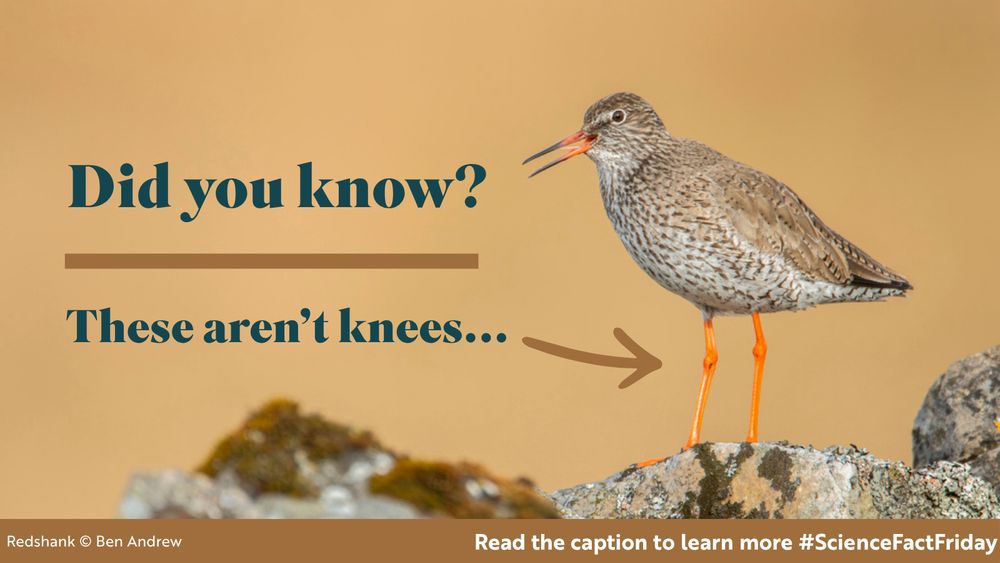
Did you know? Birds keep their knees hidden
The back bend in bird legs is actually the ankle not the knee. Birds’ knees are hidden higher up, closer to the body
#ScienceFactFriday
The back bend in bird legs is actually the ankle not the knee. Birds’ knees are hidden higher up, closer to the body
#ScienceFactFriday
December 5, 2025 at 9:30 AM
Did you know? Birds keep their knees hidden
The back bend in bird legs is actually the ankle not the knee. Birds’ knees are hidden higher up, closer to the body
#ScienceFactFriday
The back bend in bird legs is actually the ankle not the knee. Birds’ knees are hidden higher up, closer to the body
#ScienceFactFriday
Saiga populations have undergone a huge recovery thanks to conservation work
But new research shows when hay and water is scarce, competition between Saiga and livestock can lead to conflict 🌏 🧪
Read on to learn more…
Full article: doi.org/10.1016/j.bi...
📷 Albert Salemgareyev
But new research shows when hay and water is scarce, competition between Saiga and livestock can lead to conflict 🌏 🧪
Read on to learn more…
Full article: doi.org/10.1016/j.bi...
📷 Albert Salemgareyev

December 2, 2025 at 10:01 AM
Saiga populations have undergone a huge recovery thanks to conservation work
But new research shows when hay and water is scarce, competition between Saiga and livestock can lead to conflict 🌏 🧪
Read on to learn more…
Full article: doi.org/10.1016/j.bi...
📷 Albert Salemgareyev
But new research shows when hay and water is scarce, competition between Saiga and livestock can lead to conflict 🌏 🧪
Read on to learn more…
Full article: doi.org/10.1016/j.bi...
📷 Albert Salemgareyev
New #PhDproject with @thinkuhi.bsky.social 🧪
Blurring the edges: assessing impacts from the spread of non-native conifers on birds, plants and hydrology in Scottish open blanket bog habitat mosaics
Closing date: 09-01-26
Location: Thurso, Scotland
Apply here: www.findaphd.com/phds/project...
Blurring the edges: assessing impacts from the spread of non-native conifers on birds, plants and hydrology in Scottish open blanket bog habitat mosaics
Closing date: 09-01-26
Location: Thurso, Scotland
Apply here: www.findaphd.com/phds/project...

December 1, 2025 at 4:33 PM
New #PhDproject with @thinkuhi.bsky.social 🧪
Blurring the edges: assessing impacts from the spread of non-native conifers on birds, plants and hydrology in Scottish open blanket bog habitat mosaics
Closing date: 09-01-26
Location: Thurso, Scotland
Apply here: www.findaphd.com/phds/project...
Blurring the edges: assessing impacts from the spread of non-native conifers on birds, plants and hydrology in Scottish open blanket bog habitat mosaics
Closing date: 09-01-26
Location: Thurso, Scotland
Apply here: www.findaphd.com/phds/project...
Did you know? Some birds can bend their long beaks
Rhynchokinesis allows birds like Snipe and Black-tailed Godwits to flex the end of their upper beak, allowing them to be efficient in picking out prey from deep mud or sand.
#ScienceFactFriday
Rhynchokinesis allows birds like Snipe and Black-tailed Godwits to flex the end of their upper beak, allowing them to be efficient in picking out prey from deep mud or sand.
#ScienceFactFriday

November 28, 2025 at 9:30 AM
Did you know? Some birds can bend their long beaks
Rhynchokinesis allows birds like Snipe and Black-tailed Godwits to flex the end of their upper beak, allowing them to be efficient in picking out prey from deep mud or sand.
#ScienceFactFriday
Rhynchokinesis allows birds like Snipe and Black-tailed Godwits to flex the end of their upper beak, allowing them to be efficient in picking out prey from deep mud or sand.
#ScienceFactFriday
New paper 🪶
Proximity to woodlands may be reducing the effectiveness of conservation interventions for farmland waders
Read on for a summary
Or find the full paper here:
doi.org/10.1111/1365...
@kirstyjpark.bsky.social
@naturescot.bsky.social
@stir.ac.uk
📷Ben Andrew
Proximity to woodlands may be reducing the effectiveness of conservation interventions for farmland waders
Read on for a summary
Or find the full paper here:
doi.org/10.1111/1365...
@kirstyjpark.bsky.social
@naturescot.bsky.social
@stir.ac.uk
📷Ben Andrew

November 27, 2025 at 2:45 PM
New paper 🪶
Proximity to woodlands may be reducing the effectiveness of conservation interventions for farmland waders
Read on for a summary
Or find the full paper here:
doi.org/10.1111/1365...
@kirstyjpark.bsky.social
@naturescot.bsky.social
@stir.ac.uk
📷Ben Andrew
Proximity to woodlands may be reducing the effectiveness of conservation interventions for farmland waders
Read on for a summary
Or find the full paper here:
doi.org/10.1111/1365...
@kirstyjpark.bsky.social
@naturescot.bsky.social
@stir.ac.uk
📷Ben Andrew
Studying for an MSc in the UK this year and looking for a research project? 🧪🌍
Check out our list of available MSc projects now live: www.rspb.org.uk/helping-natu...
Check out our list of available MSc projects now live: www.rspb.org.uk/helping-natu...
Postgraduate opportunities
The RSPB is offering a variety of exciting research projects for postgraduate students in 2026.
www.rspb.org.uk
November 24, 2025 at 9:06 AM
Studying for an MSc in the UK this year and looking for a research project? 🧪🌍
Check out our list of available MSc projects now live: www.rspb.org.uk/helping-natu...
Check out our list of available MSc projects now live: www.rspb.org.uk/helping-natu...
Huge congratulations to our colleague Rhys Green on winning the 2025 Nature of Scotland Outstanding Achievement Award for a lifetime of scientific dedication to Corncrake conservation
@rspbscotland.bsky.social
@rspbscotland.bsky.social
November 21, 2025 at 2:12 PM
Huge congratulations to our colleague Rhys Green on winning the 2025 Nature of Scotland Outstanding Achievement Award for a lifetime of scientific dedication to Corncrake conservation
@rspbscotland.bsky.social
@rspbscotland.bsky.social
Did you know? Some owls aren't silent fliers
Unlike many other owl species, fish owls make noise when they fly because their wings have fewer sound blocking combs. This is because they don't need to sneak up on prey with sensitive hearing.
#ScienceFactFriday
Unlike many other owl species, fish owls make noise when they fly because their wings have fewer sound blocking combs. This is because they don't need to sneak up on prey with sensitive hearing.
#ScienceFactFriday

November 21, 2025 at 9:30 AM
Did you know? Some owls aren't silent fliers
Unlike many other owl species, fish owls make noise when they fly because their wings have fewer sound blocking combs. This is because they don't need to sneak up on prey with sensitive hearing.
#ScienceFactFriday
Unlike many other owl species, fish owls make noise when they fly because their wings have fewer sound blocking combs. This is because they don't need to sneak up on prey with sensitive hearing.
#ScienceFactFriday
Reposted by RSPB Science
Restoring peatland.
Capturing carbon and providing breeding habitat for waders.
wadertales.wordpress.com/2025/08/16/p...
Paper by Rob Hughes & Chris Bingham
#ConservationScience🌍
Capturing carbon and providing breeding habitat for waders.
wadertales.wordpress.com/2025/08/16/p...
Paper by Rob Hughes & Chris Bingham
#ConservationScience🌍

November 17, 2025 at 4:16 PM
Restoring peatland.
Capturing carbon and providing breeding habitat for waders.
wadertales.wordpress.com/2025/08/16/p...
Paper by Rob Hughes & Chris Bingham
#ConservationScience🌍
Capturing carbon and providing breeding habitat for waders.
wadertales.wordpress.com/2025/08/16/p...
Paper by Rob Hughes & Chris Bingham
#ConservationScience🌍
Sadly, we have seen a big increase in avian flu cases in the UK - particularly in waterfowl
Whilst the risk to the public remains assessed as very low, Government advice is not to touch any visibly sick or dead birds, and to keep pets away
Read on for ways to help:
📷Ben Andrew
Whilst the risk to the public remains assessed as very low, Government advice is not to touch any visibly sick or dead birds, and to keep pets away
Read on for ways to help:
📷Ben Andrew
November 19, 2025 at 8:58 AM
Sadly, we have seen a big increase in avian flu cases in the UK - particularly in waterfowl
Whilst the risk to the public remains assessed as very low, Government advice is not to touch any visibly sick or dead birds, and to keep pets away
Read on for ways to help:
📷Ben Andrew
Whilst the risk to the public remains assessed as very low, Government advice is not to touch any visibly sick or dead birds, and to keep pets away
Read on for ways to help:
📷Ben Andrew
A touching tribute to the life of Patrick Stirling-Aird, who was central to founding the Scottish Raptor Monitoring Scheme where RSPB conservation scientists were privileged to work with him. His passion, expertise and tenacity will be greatly missed.


November 17, 2025 at 3:37 PM
A touching tribute to the life of Patrick Stirling-Aird, who was central to founding the Scottish Raptor Monitoring Scheme where RSPB conservation scientists were privileged to work with him. His passion, expertise and tenacity will be greatly missed.
Did you know? Storm Petrels weigh the same as one AA battery, making them the smallest Atlantic seabirds
Weight is regularly recorded by our scientists when tagging birds because it is a key indicator of health and age
#ScienceFactFriday
Weight is regularly recorded by our scientists when tagging birds because it is a key indicator of health and age
#ScienceFactFriday

November 14, 2025 at 9:30 AM
Did you know? Storm Petrels weigh the same as one AA battery, making them the smallest Atlantic seabirds
Weight is regularly recorded by our scientists when tagging birds because it is a key indicator of health and age
#ScienceFactFriday
Weight is regularly recorded by our scientists when tagging birds because it is a key indicator of health and age
#ScienceFactFriday