



Ruben Comitini
@rubencomitini.bsky.social
🎓 BSc in Natural Sciences 🇮🇹
🎓 Ongoing MSc in Palaeontology 🇫🇷 & 🇸🇪
Palaeontology (dinos and other reptiles + fossil plants sometimes) | Clean tech and sustainability | Biodiversity and nature conservation | I'm gay 🏳️🌈 & love BL series 🏳️🌈🇹🇭 | K-pop & T-pop 🇰🇷🎸🇹🇭
🎓 Ongoing MSc in Palaeontology 🇫🇷 & 🇸🇪
Palaeontology (dinos and other reptiles + fossil plants sometimes) | Clean tech and sustainability | Biodiversity and nature conservation | I'm gay 🏳️🌈 & love BL series 🏳️🌈🇹🇭 | K-pop & T-pop 🇰🇷🎸🇹🇭
Reposted by Ruben Comitini
Welcome back to another #FossilFriday
Here is the molar from an American Mastodon (Mammut americanum). This comes from Pleistocene deposits in San Jacinto County, Texas. Mastodons used their bumpy molars for grinding up twigs, leaf matter, and other shrubs.
Here is the molar from an American Mastodon (Mammut americanum). This comes from Pleistocene deposits in San Jacinto County, Texas. Mastodons used their bumpy molars for grinding up twigs, leaf matter, and other shrubs.

January 30, 2026 at 2:13 PM
Welcome back to another #FossilFriday
Here is the molar from an American Mastodon (Mammut americanum). This comes from Pleistocene deposits in San Jacinto County, Texas. Mastodons used their bumpy molars for grinding up twigs, leaf matter, and other shrubs.
Here is the molar from an American Mastodon (Mammut americanum). This comes from Pleistocene deposits in San Jacinto County, Texas. Mastodons used their bumpy molars for grinding up twigs, leaf matter, and other shrubs.

I wrote this song on Saturday, recorded it yesterday and released it to you today in response to the state terror being visited on the city of Minneapolis. It’s dedicated to the people of Minneapolis, our innocent immigrant neighbors and in memory of Alex Pretti and Renee Good.
Stay free
Stay free

Bruce Springsteen - Streets Of Minneapolis (Official Audio)
YouTube video by Bruce Springsteen
youtu.be
January 28, 2026 at 11:06 PM
Reposted by Ruben Comitini
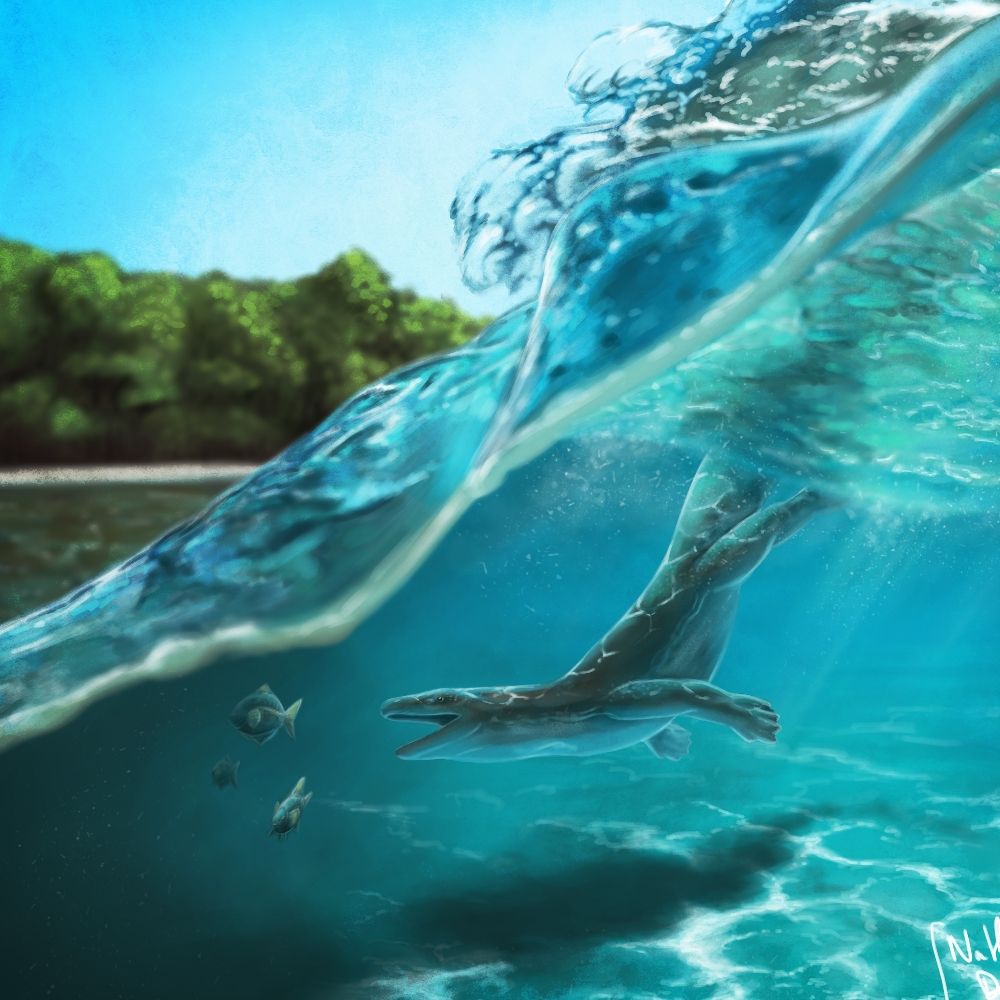
Sunsets, clouds and pterosaurs
Tupandactulys, Arambourgiana & Darwinopterus
Tupandactulys, Arambourgiana & Darwinopterus

January 27, 2026 at 11:22 AM
Sunsets, clouds and pterosaurs
Tupandactulys, Arambourgiana & Darwinopterus
Tupandactulys, Arambourgiana & Darwinopterus
Reposted by Ruben Comitini
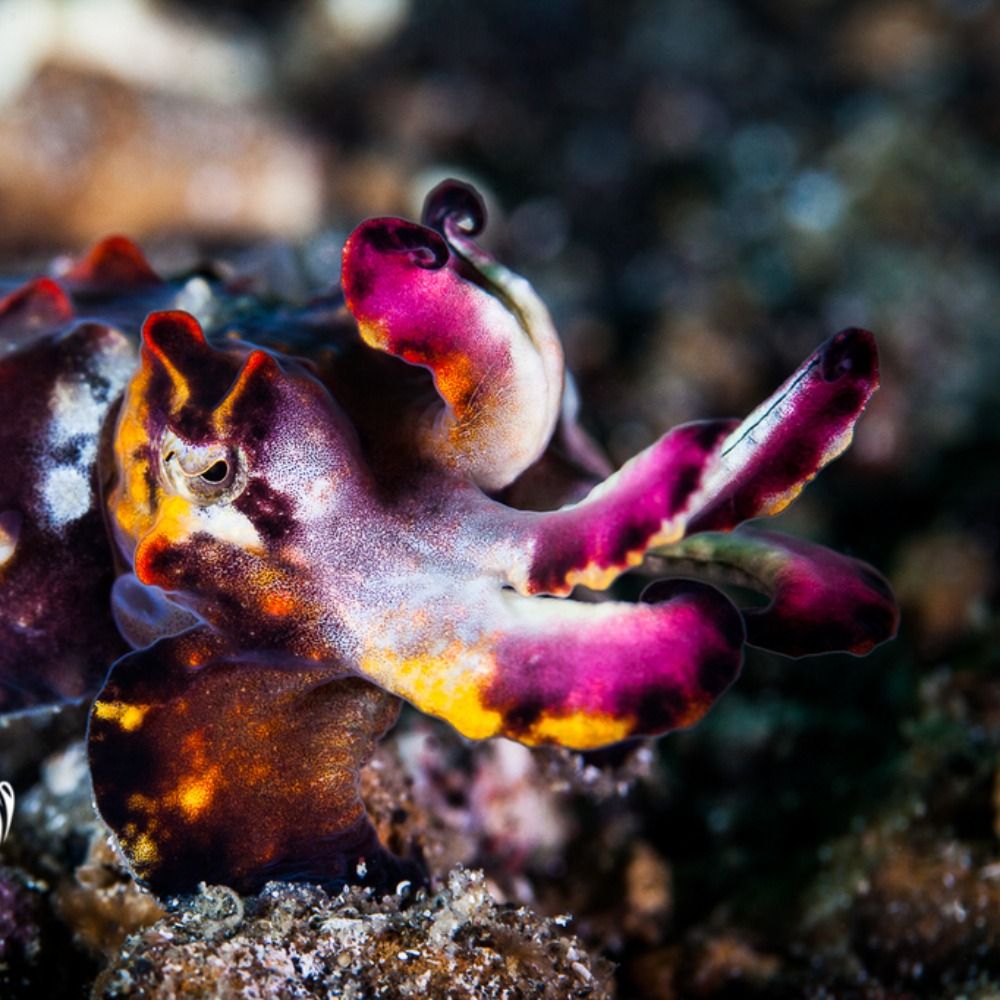
Look at him. So small. So adorable. So blissfully oblivious to the horrors happening on dry land.
🦑📷Poseidon’s Adventure (inaturalist.ca/observations...)
🦑📷Poseidon’s Adventure (inaturalist.ca/observations...)

January 25, 2026 at 1:17 AM
Look at him. So small. So adorable. So blissfully oblivious to the horrors happening on dry land.
🦑📷Poseidon’s Adventure (inaturalist.ca/observations...)
🦑📷Poseidon’s Adventure (inaturalist.ca/observations...)
Reposted by Ruben Comitini
(sub) #FossilFriday: For a change of pace, here are some mostly-uncataloged remains of aurochs, bison, goats, etc from Jarmo, a 9,000 year-old agricultural village in Iraq. 🐃🦬🐐


January 23, 2026 at 4:53 PM
(sub) #FossilFriday: For a change of pace, here are some mostly-uncataloged remains of aurochs, bison, goats, etc from Jarmo, a 9,000 year-old agricultural village in Iraq. 🐃🦬🐐
Reposted by Ruben Comitini

A Deinotherium tooth from the Pliocene of western Kenya, along with a reconstruction of these giants by Mauricio Antón
#FossilFriday
#FossilFriday


January 23, 2026 at 7:32 PM
A Deinotherium tooth from the Pliocene of western Kenya, along with a reconstruction of these giants by Mauricio Antón
#FossilFriday
#FossilFriday
Reposted by Ruben Comitini
Welcome back to #FossilFriday
Here is quite a large solitary rugose (horn) coral belonging to the taxa Grewingkia canadensis. This specimen was collected from the Upper Ordovician Whitewater (upper cincinnatian series) Formation in Indiana.
Here is quite a large solitary rugose (horn) coral belonging to the taxa Grewingkia canadensis. This specimen was collected from the Upper Ordovician Whitewater (upper cincinnatian series) Formation in Indiana.

January 23, 2026 at 4:17 PM
Welcome back to #FossilFriday
Here is quite a large solitary rugose (horn) coral belonging to the taxa Grewingkia canadensis. This specimen was collected from the Upper Ordovician Whitewater (upper cincinnatian series) Formation in Indiana.
Here is quite a large solitary rugose (horn) coral belonging to the taxa Grewingkia canadensis. This specimen was collected from the Upper Ordovician Whitewater (upper cincinnatian series) Formation in Indiana.
Reposted by Ruben Comitini

European goldfinch. Watercolour on silk mounted on paper.
I had to wash out and repaint the scapulars and marginal coverts three times. Hugely relieved it worked out in the end. 🥲
I'll post the full piece when it will be available at auction next week. 🙏
I had to wash out and repaint the scapulars and marginal coverts three times. Hugely relieved it worked out in the end. 🥲
I'll post the full piece when it will be available at auction next week. 🙏

January 19, 2026 at 9:00 PM
European goldfinch. Watercolour on silk mounted on paper.
I had to wash out and repaint the scapulars and marginal coverts three times. Hugely relieved it worked out in the end. 🥲
I'll post the full piece when it will be available at auction next week. 🙏
I had to wash out and repaint the scapulars and marginal coverts three times. Hugely relieved it worked out in the end. 🥲
I'll post the full piece when it will be available at auction next week. 🙏
Reposted by Ruben Comitini

#MolluscMonday: a lichen-encrusted example of the large Late Jurassic ammonite Titanites at Portland, Dorset.

January 12, 2026 at 6:32 AM
#MolluscMonday: a lichen-encrusted example of the large Late Jurassic ammonite Titanites at Portland, Dorset.
Yay! Despite maximum daily temperatures going above 10°C, our pond has still been continuously frozen ❄️❄️❄️

January 12, 2026 at 9:58 AM
Yay! Despite maximum daily temperatures going above 10°C, our pond has still been continuously frozen ❄️❄️❄️
I've spent a wonderful weekend in the Italian Alps (yesterday in Aosta Valley, today in Piedmont). Good memories before leaving for my next semester in Sweden!


January 11, 2026 at 3:16 PM
I've spent a wonderful weekend in the Italian Alps (yesterday in Aosta Valley, today in Piedmont). Good memories before leaving for my next semester in Sweden!
#FossilFriday
Holotype of the phocid pinniped Pliophoca etrusca, exhibited at the Natural History Museum (University of Pisa).
It comes from the Pliocene of Tuscany, and was likely related to Mediterranean monk seals. It was described by Tavani (1941) and reevaluated by Berta et al. (2015).
Holotype of the phocid pinniped Pliophoca etrusca, exhibited at the Natural History Museum (University of Pisa).
It comes from the Pliocene of Tuscany, and was likely related to Mediterranean monk seals. It was described by Tavani (1941) and reevaluated by Berta et al. (2015).

January 9, 2026 at 1:33 PM
#FossilFriday
Holotype of the phocid pinniped Pliophoca etrusca, exhibited at the Natural History Museum (University of Pisa).
It comes from the Pliocene of Tuscany, and was likely related to Mediterranean monk seals. It was described by Tavani (1941) and reevaluated by Berta et al. (2015).
Holotype of the phocid pinniped Pliophoca etrusca, exhibited at the Natural History Museum (University of Pisa).
It comes from the Pliocene of Tuscany, and was likely related to Mediterranean monk seals. It was described by Tavani (1941) and reevaluated by Berta et al. (2015).
Reposted by Ruben Comitini
Perfect match! Fossil and modern Common Eland horn from Kenya
#FossilFriday
#FossilFriday

January 2, 2026 at 4:33 PM
Perfect match! Fossil and modern Common Eland horn from Kenya
#FossilFriday
#FossilFriday
Reposted by Ruben Comitini
#fossilfriday Upper molar of a 30-31 myo fossil dolphin, Olympicetus, from the Makah Formation of Washington - acid etched from a concretion; associated with nice skull, earbones, and several additional teeth. Provided for prep/study by Jim Goedert. A calf - probably 4-12 months old at death.

January 2, 2026 at 6:01 PM
#fossilfriday Upper molar of a 30-31 myo fossil dolphin, Olympicetus, from the Makah Formation of Washington - acid etched from a concretion; associated with nice skull, earbones, and several additional teeth. Provided for prep/study by Jim Goedert. A calf - probably 4-12 months old at death.
Reposted by Ruben Comitini
January 7th is National Old Rock Day! Well here is an old rock! These white circles are cross sections of Archaeocyathids. These were a type of sponge that built reefs during the Early Cambrian. This comes from the the Forteau Formation in southern Labrador, Canada. Over 516 million years old!


January 7, 2026 at 7:42 PM
January 7th is National Old Rock Day! Well here is an old rock! These white circles are cross sections of Archaeocyathids. These were a type of sponge that built reefs during the Early Cambrian. This comes from the the Forteau Formation in southern Labrador, Canada. Over 516 million years old!
With an average temperature here (Ivrea, Piedmont, Italy) that this month is below 2°C (so far), our pond is completely frozen, with an ice layer a few centimetres thick! ❄️❄️❄️

January 6, 2026 at 2:28 PM
With an average temperature here (Ivrea, Piedmont, Italy) that this month is below 2°C (so far), our pond is completely frozen, with an ice layer a few centimetres thick! ❄️❄️❄️
Reposted by Ruben Comitini
Fuck it.
It's not Friday, but I'm going to share fossils.
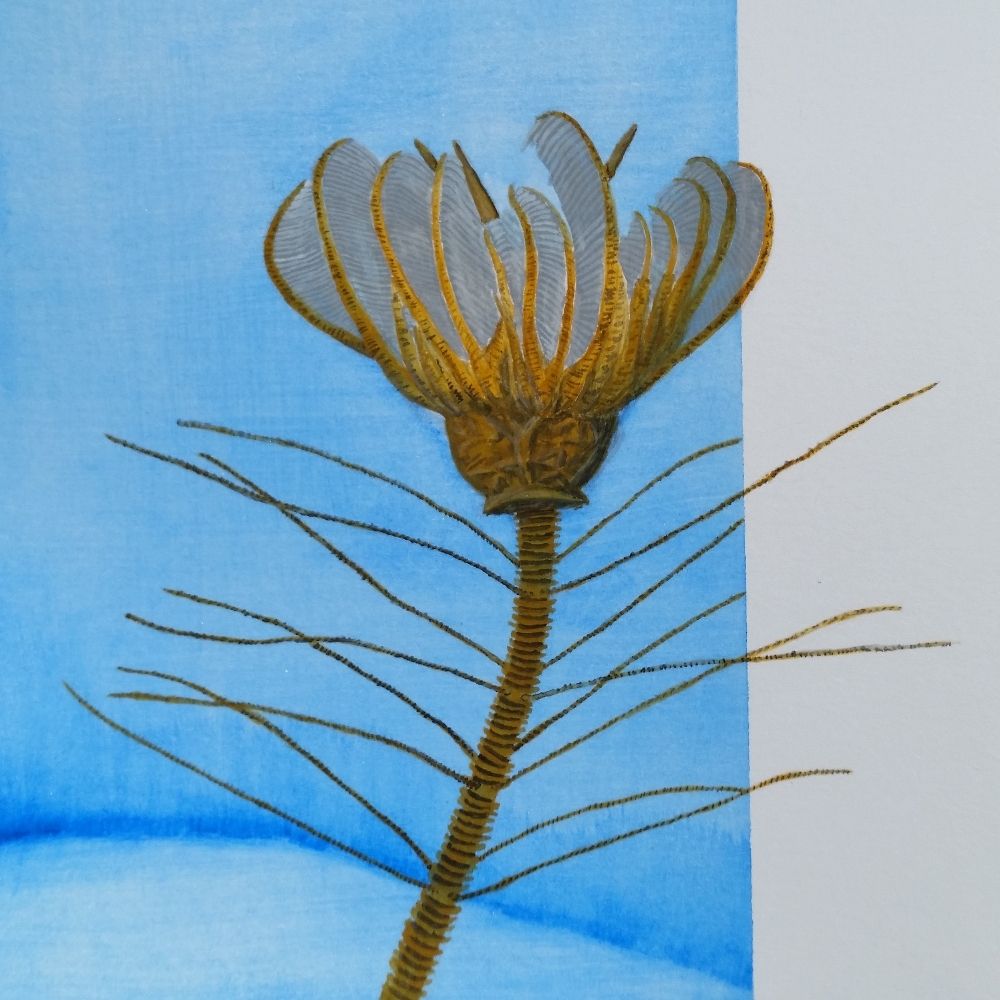
This is Porocrinus, an echinoderm from the Ordovician Maquoketa formation near Eldorado, Iowa.
The arms are missing, but the calyx is very unique.
It's not Friday, but I'm going to share fossils.
This is Porocrinus, an echinoderm from the Ordovician Maquoketa formation near Eldorado, Iowa.
The arms are missing, but the calyx is very unique.

January 5, 2026 at 6:54 PM
Fuck it.
It's not Friday, but I'm going to share fossils.
This is Porocrinus, an echinoderm from the Ordovician Maquoketa formation near Eldorado, Iowa.
The arms are missing, but the calyx is very unique.
It's not Friday, but I'm going to share fossils.
This is Porocrinus, an echinoderm from the Ordovician Maquoketa formation near Eldorado, Iowa.
The arms are missing, but the calyx is very unique.
If you're upset by yet another conflict motivated by fossil fuels extraction
Remember there is something you can do:
STOP USING FOSSIL FUELS 🚫🛢️🚫
Do not use combustion cars, minimize air travel, buy as little plastic as you can, and if you can put solar panels on your house... do it!
#Venezuela
Remember there is something you can do:
STOP USING FOSSIL FUELS 🚫🛢️🚫
Do not use combustion cars, minimize air travel, buy as little plastic as you can, and if you can put solar panels on your house... do it!
#Venezuela
January 5, 2026 at 1:17 PM
If you're upset by yet another conflict motivated by fossil fuels extraction
Remember there is something you can do:
STOP USING FOSSIL FUELS 🚫🛢️🚫
Do not use combustion cars, minimize air travel, buy as little plastic as you can, and if you can put solar panels on your house... do it!
#Venezuela
Remember there is something you can do:
STOP USING FOSSIL FUELS 🚫🛢️🚫
Do not use combustion cars, minimize air travel, buy as little plastic as you can, and if you can put solar panels on your house... do it!
#Venezuela
Reposted by Ruben Comitini

It’s not about drugs. If it was, Trump wouldn’t have pardoned one of the largest narco traffickers in the world last month.
It’s about oil and regime change.
And they need a trial now to pretend that it isn’t. Especially to distract from his sinking under Epstein and skyrocketing healthcare costs.
It’s about oil and regime change.
And they need a trial now to pretend that it isn’t. Especially to distract from his sinking under Epstein and skyrocketing healthcare costs.
January 3, 2026 at 3:34 PM
It’s not about drugs. If it was, Trump wouldn’t have pardoned one of the largest narco traffickers in the world last month.
It’s about oil and regime change.
And they need a trial now to pretend that it isn’t. Especially to distract from his sinking under Epstein and skyrocketing healthcare costs.
It’s about oil and regime change.
And they need a trial now to pretend that it isn’t. Especially to distract from his sinking under Epstein and skyrocketing healthcare costs.
Reposted by Ruben Comitini
For the first #FossilFriday of 2026, an ichnological 2-for-1 deal: shorebird tracks & tiny invertebrate trails on a surface with probable gas-bubble escape structures from a former lakeshore in the Green River Formation (Eocene Epoch, ~50-55 mya), Utah. 🧪🐦🐾🪱🪨⚒️

January 2, 2026 at 4:34 PM
For the first #FossilFriday of 2026, an ichnological 2-for-1 deal: shorebird tracks & tiny invertebrate trails on a surface with probable gas-bubble escape structures from a former lakeshore in the Green River Formation (Eocene Epoch, ~50-55 mya), Utah. 🧪🐦🐾🪱🪨⚒️
Reposted by Ruben Comitini
Welcome to the first #FossilFriday of 2026!
We kick off the new year with this beautiful colonial horn coral know as Acrocyathus floriformus. This specimen comes from the Middle Mississippian (Lower Carboniferous) St. Louis Limestone in Missouri.
We kick off the new year with this beautiful colonial horn coral know as Acrocyathus floriformus. This specimen comes from the Middle Mississippian (Lower Carboniferous) St. Louis Limestone in Missouri.

January 2, 2026 at 3:16 PM
Welcome to the first #FossilFriday of 2026!
We kick off the new year with this beautiful colonial horn coral know as Acrocyathus floriformus. This specimen comes from the Middle Mississippian (Lower Carboniferous) St. Louis Limestone in Missouri.
We kick off the new year with this beautiful colonial horn coral know as Acrocyathus floriformus. This specimen comes from the Middle Mississippian (Lower Carboniferous) St. Louis Limestone in Missouri.
First #FossilFriday of 2026: we begin with one of the tiniest kinds of fossils: an asterolith, a star-shaped calcareous nannofossil produced by the discoasters, a group of poorly known, extinct unicellular algae, that are however very important for the biostratigraphy of the Paleogene and Neogene.

January 2, 2026 at 11:04 PM
First #FossilFriday of 2026: we begin with one of the tiniest kinds of fossils: an asterolith, a star-shaped calcareous nannofossil produced by the discoasters, a group of poorly known, extinct unicellular algae, that are however very important for the biostratigraphy of the Paleogene and Neogene.
Reposted by Ruben Comitini
Follow more artists.
Follow more scientists.
Cause good trouble.
Follow more scientists.
Cause good trouble.
Happy New Year. 🥲
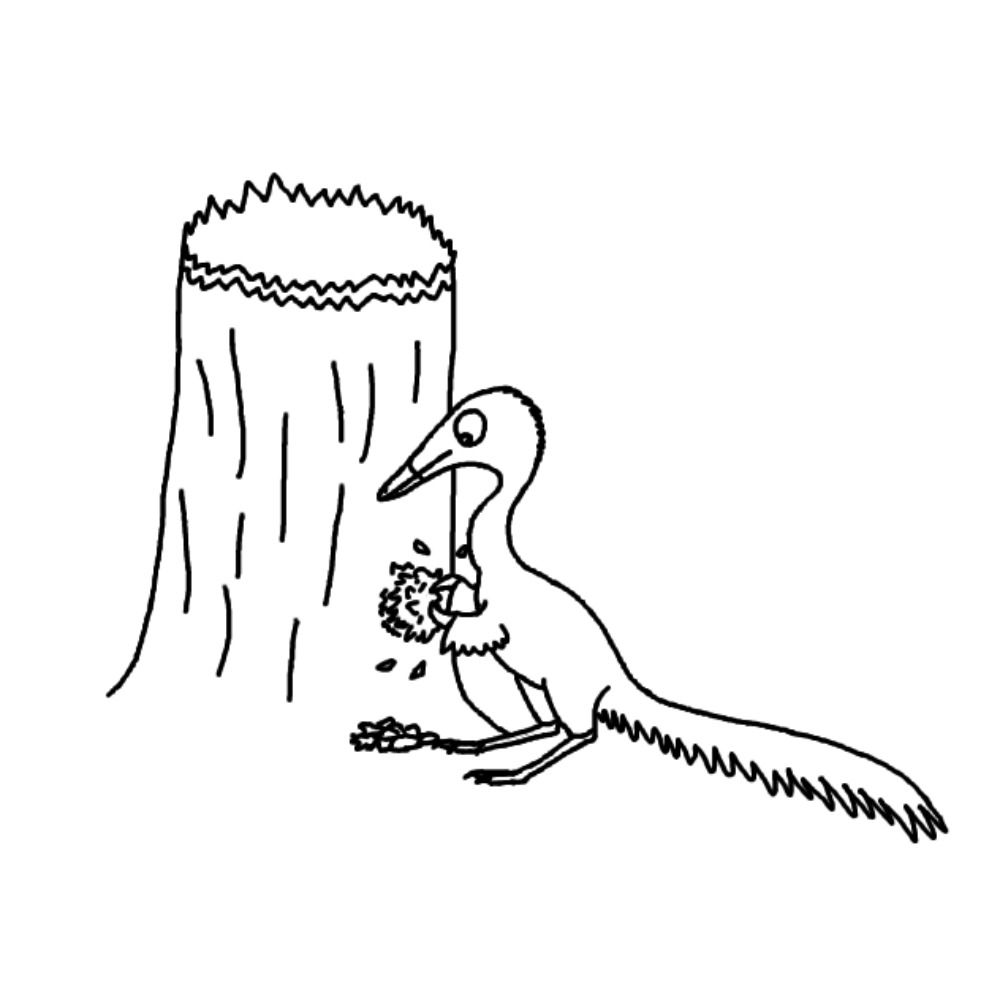
Troodontid in the Snow
Ink, 111 × 149 mm.
Troodontid in the Snow
Ink, 111 × 149 mm.

January 1, 2026 at 3:38 PM
Follow more artists.
Follow more scientists.
Cause good trouble.
Follow more scientists.
Cause good trouble.
Reposted by Ruben Comitini
New bird for the new year! A new species of vireo from Bolivia, the Beni greenlet (Hylophilus moxensis): www.avespress.com/uploads/down... 🪶🧪 (📷Tini Wijpkema)

January 1, 2026 at 2:03 PM
New bird for the new year! A new species of vireo from Bolivia, the Beni greenlet (Hylophilus moxensis): www.avespress.com/uploads/down... 🪶🧪 (📷Tini Wijpkema)
Reposted by Ruben Comitini
The last bombshell paleontology discovery of a year of bombshell discoveries: Ammonites survived the K-PG extinction! www.nature.com/articles/s41...

Ammonite survival across the Cretaceous–Paleogene boundary confirmed by new data from Denmark - Scientific Reports
We provide a reassessment of the hypothesis of ammonite survival across the Cretaceous–Paleogene (Maastrichtian–Danian) boundary, based on new data from the lower Danian Cerithium Limestone Member at ...
www.nature.com
January 1, 2026 at 2:16 PM
The last bombshell paleontology discovery of a year of bombshell discoveries: Ammonites survived the K-PG extinction! www.nature.com/articles/s41...