


WilluhnLab
@willuhnlab.bsky.social
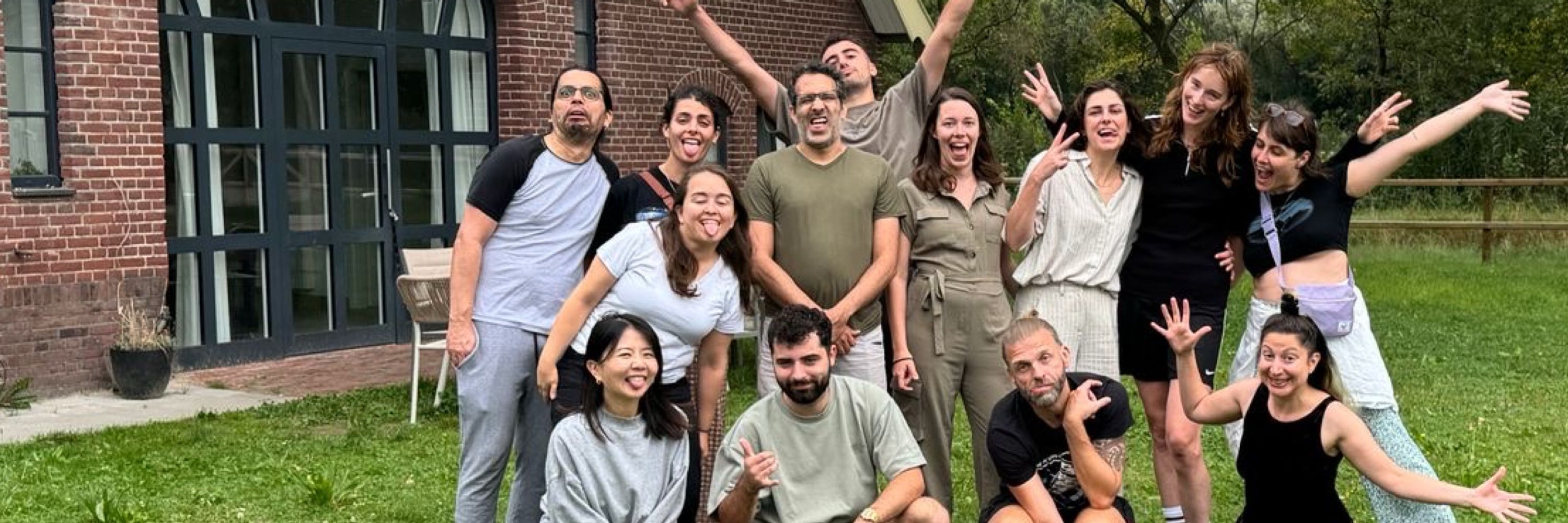
A bunch of passionate neuronerds studying the brain origins of reinforcement learning and compulsive behavior at the Netherlands Institute for Neuroscience. Dopamine, serotonin, basal ganglia, PFC, DBS. https://nin.nl/research/researchgroups/willuhn-group/
Pinned
WilluhnLab
@willuhnlab.bsky.social
· Jul 24

Intracranial electrophysiological biomarkers of compulsivity in obsessive–compulsive disorder - Nature Mental Health
This research identifies local field potential markers associated with obsessive–compulsive disorder symptoms in patients during provocation. Key findings reveal increased delta and alpha power in spe...
www.nature.com
I am very proud of lead author Tara Arbab for completing this most recent manuscript from the lab! --> Intracranial electrophysiological biomarkers of compulsivity in OCD. www.nature.com/articles/s44...
Reposted by WilluhnLab
Can you easily distinguish between value, valence, and salience?
Probably not, but the prefrontal cortex of mice seems to achieve this by creating a sort of multidimensional orthogonal neural space, where each dimension corresponds to one of these subjective elements
www.nature.com/articles/s41...
Probably not, but the prefrontal cortex of mice seems to achieve this by creating a sort of multidimensional orthogonal neural space, where each dimension corresponds to one of these subjective elements
www.nature.com/articles/s41...

Prefrontal neural geometry of learned cues guides motivated behaviours - Nature
The dorsomedial prefrontal cortex encodes the value, salience and valence of learned stimuli along distinct neural dimensions, and the geometry of these representations shapes motivated behaviours in ...
www.nature.com
February 9, 2026 at 1:31 PM
Can you easily distinguish between value, valence, and salience?
Probably not, but the prefrontal cortex of mice seems to achieve this by creating a sort of multidimensional orthogonal neural space, where each dimension corresponds to one of these subjective elements
www.nature.com/articles/s41...
Probably not, but the prefrontal cortex of mice seems to achieve this by creating a sort of multidimensional orthogonal neural space, where each dimension corresponds to one of these subjective elements
www.nature.com/articles/s41...
You have 3 more days to suggest your speaker panel for the "Monitoring Molecules in Neuroscience" conference in Amsterdam in September!
Join us for plenary lectures by @lintianphd.bsky.social, Valentina Emiliani, Martyn Boutelle, and Peter Hegemann.
monitoringmolecules.org/symposium-su...
Join us for plenary lectures by @lintianphd.bsky.social, Valentina Emiliani, Martyn Boutelle, and Peter Hegemann.
monitoringmolecules.org/symposium-su...

a cartoon of rick and morty sitting in a room with glowing faces
ALT: a cartoon of rick and morty sitting in a room with glowing faces
media.tenor.com
February 3, 2026 at 8:38 AM
You have 3 more days to suggest your speaker panel for the "Monitoring Molecules in Neuroscience" conference in Amsterdam in September!
Join us for plenary lectures by @lintianphd.bsky.social, Valentina Emiliani, Martyn Boutelle, and Peter Hegemann.
monitoringmolecules.org/symposium-su...
Join us for plenary lectures by @lintianphd.bsky.social, Valentina Emiliani, Martyn Boutelle, and Peter Hegemann.
monitoringmolecules.org/symposium-su...
Reposted by WilluhnLab
RA job alert. We are looking for a fearless experimentalist to join our experiments on cortical neuromodulators during visually guided learning, lead by @michael-lynn.bsky.social . Opportunity to learn 2p imaging, design and conduct experiments. RT plz. Apply here: my.corehr.com/pls/uoxrecru...
Job Details
my.corehr.com
January 30, 2026 at 1:43 PM
RA job alert. We are looking for a fearless experimentalist to join our experiments on cortical neuromodulators during visually guided learning, lead by @michael-lynn.bsky.social . Opportunity to learn 2p imaging, design and conduct experiments. RT plz. Apply here: my.corehr.com/pls/uoxrecru...
Reposted by WilluhnLab
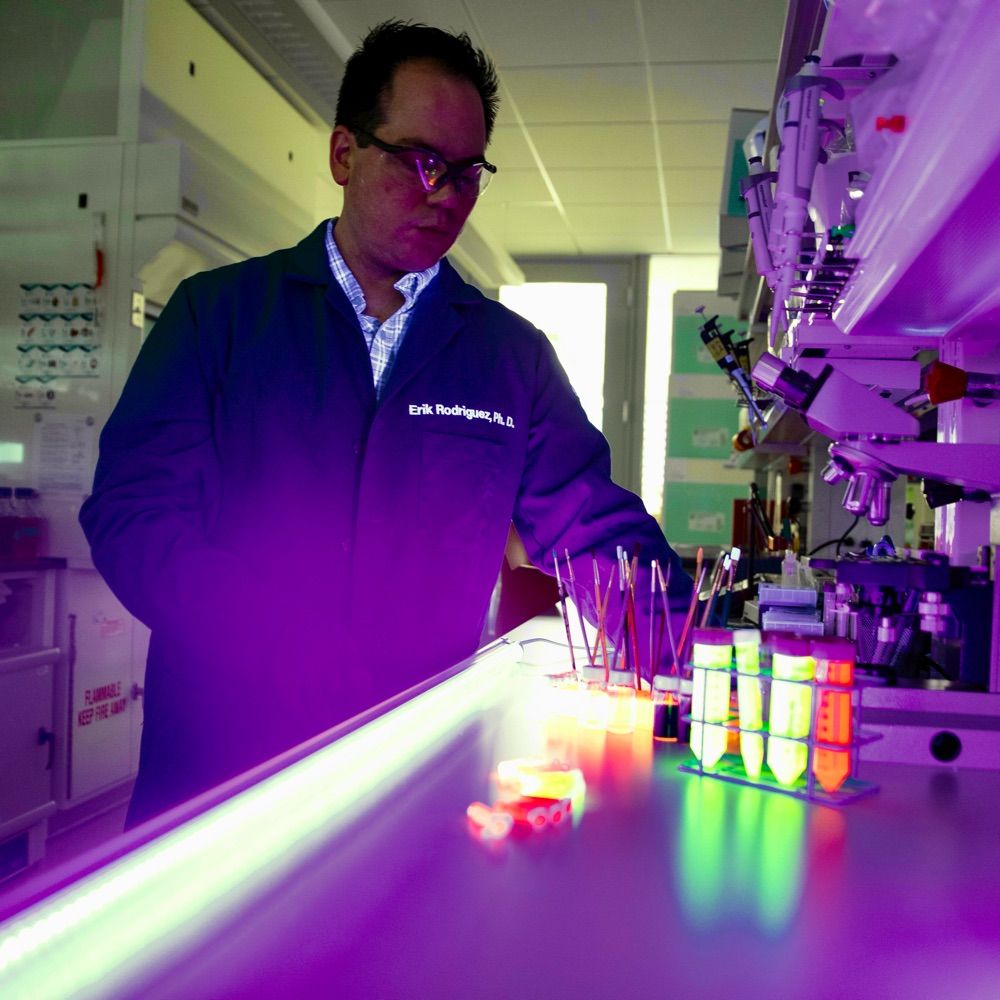
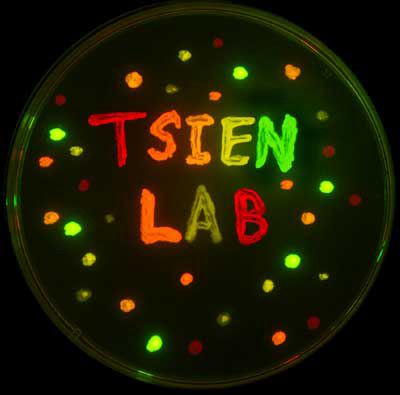
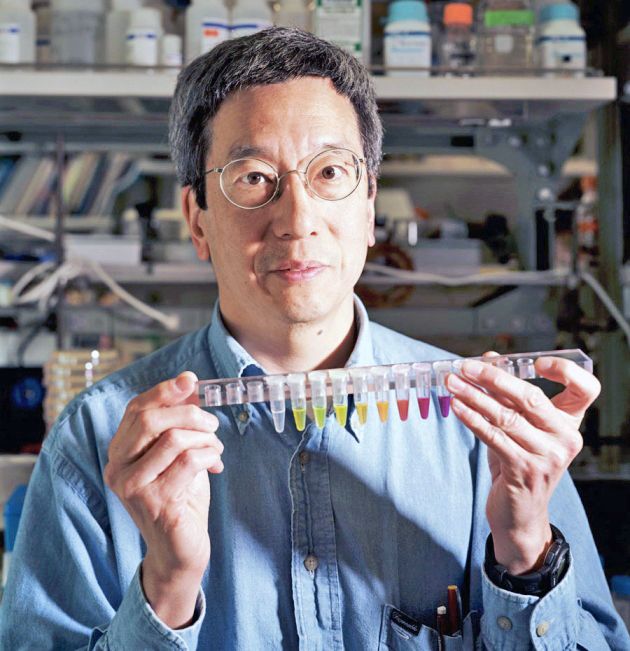
Today, I would like to honor the memory of Roger Y. Tsien, born on February 1, 1952. His legacy lives with all who use his technologies, including calcium sensors, fluorescent proteins, the acetoxymethyl (AM) ester, & many more! #FluorescenceFriday
www.nature.com/articles/nme...
www.nature.com/articles/nme...


January 30, 2026 at 2:52 PM
Today, I would like to honor the memory of Roger Y. Tsien, born on February 1, 1952. His legacy lives with all who use his technologies, including calcium sensors, fluorescent proteins, the acetoxymethyl (AM) ester, & many more! #FluorescenceFriday
www.nature.com/articles/nme...
www.nature.com/articles/nme...
Reposted by WilluhnLab

🚨 #CCN2026 Proceedings submissions are open!
CCN 2026 again features an 8-page Proceedings track (alongside extended abstracts). Accepted papers will appear in CCN-Proceedings (CCN‑P) with DOIs on OpenReview.
CCN 2026 again features an 8-page Proceedings track (alongside extended abstracts). Accepted papers will appear in CCN-Proceedings (CCN‑P) with DOIs on OpenReview.
January 28, 2026 at 4:16 PM
🚨 #CCN2026 Proceedings submissions are open!
CCN 2026 again features an 8-page Proceedings track (alongside extended abstracts). Accepted papers will appear in CCN-Proceedings (CCN‑P) with DOIs on OpenReview.
CCN 2026 again features an 8-page Proceedings track (alongside extended abstracts). Accepted papers will appear in CCN-Proceedings (CCN‑P) with DOIs on OpenReview.
Reposted by WilluhnLab

Submit symposia (until Feb 6) for the "Monitoring Molecules in Neuroscience" conference in Amsterdam (September 7-10)!
Plenary lectures by @lintianphd.bsky.social, Valentina Emiliani, Martyn Boutelle, and Peter Hegemann.
monitoringmolecules.org/symposium-su...
Plenary lectures by @lintianphd.bsky.social, Valentina Emiliani, Martyn Boutelle, and Peter Hegemann.
monitoringmolecules.org/symposium-su...

January 26, 2026 at 1:07 PM
Submit symposia (until Feb 6) for the "Monitoring Molecules in Neuroscience" conference in Amsterdam (September 7-10)!
Plenary lectures by @lintianphd.bsky.social, Valentina Emiliani, Martyn Boutelle, and Peter Hegemann.
monitoringmolecules.org/symposium-su...
Plenary lectures by @lintianphd.bsky.social, Valentina Emiliani, Martyn Boutelle, and Peter Hegemann.
monitoringmolecules.org/symposium-su...
Reposted by WilluhnLab

I edited a special issue of Addiction Neuroscience on dopamine circuitry & heterogeneity in addiction - now complete!🧠🧪
Check out the full issue & my editorial (all open access) here: www.sciencedirect.com/special-issu...
Check out the full issue & my editorial (all open access) here: www.sciencedirect.com/special-issu...
Addiction Neuroscience | Dopamine circuitry and heterogeneity in addiction | ScienceDirect.com by Elsevier
The heterogeneity of midbrain dopamine neurons is coming into focus. Distinct subtypes of dopamine neurons can be identified across the ventral tegmental area (VTA) and substantia nigra pars compacta ...
www.sciencedirect.com
January 19, 2026 at 2:11 PM
I edited a special issue of Addiction Neuroscience on dopamine circuitry & heterogeneity in addiction - now complete!🧠🧪
Check out the full issue & my editorial (all open access) here: www.sciencedirect.com/special-issu...
Check out the full issue & my editorial (all open access) here: www.sciencedirect.com/special-issu...
Reposted by WilluhnLab

📢 Calls are open for the #FKNE PhD Thesis Prize 2026 and #FKNE Mentoring Prize 2026!
🗓️ Deadline: 15 February 2026
🔗 Learn how to submit your application or nomination: buff.ly/xMhQy3k
Read more below 👇
🗓️ Deadline: 15 February 2026
🔗 Learn how to submit your application or nomination: buff.ly/xMhQy3k
Read more below 👇

January 20, 2026 at 9:30 AM
📢 Calls are open for the #FKNE PhD Thesis Prize 2026 and #FKNE Mentoring Prize 2026!
🗓️ Deadline: 15 February 2026
🔗 Learn how to submit your application or nomination: buff.ly/xMhQy3k
Read more below 👇
🗓️ Deadline: 15 February 2026
🔗 Learn how to submit your application or nomination: buff.ly/xMhQy3k
Read more below 👇
Reposted by WilluhnLab

To identify the most transformative tools and technologies in the past five years, @thetransmitter.bsky.social surveyed readers and contributors and worked with a market-research firm to interview neuroscientists around the world. See what they had to say: www.thetransmitter.org/methods/what...

Survey: What are neuroscience’s most transformative new tools?
Which new tools—including artificial intelligence, deep-learning methods, genetic tools and advanced neuroimaging—are making the largest impact?
www.thetransmitter.org
January 19, 2026 at 4:00 PM
To identify the most transformative tools and technologies in the past five years, @thetransmitter.bsky.social surveyed readers and contributors and worked with a market-research firm to interview neuroscientists around the world. See what they had to say: www.thetransmitter.org/methods/what...
Reposted by WilluhnLab

All theory is wrong until verified by data. Greatly indebted to @mhyaghoubi.bsky.social, @markbrandonlab.bsky.social, @douglasresearch.bsky.social for finding the hippocampus encoding reward prediction! Grateful to my advisor @cpehlevan.bsky.social, @kempnerinstitute.bsky.social.
#RL #hippocampus
#RL #hippocampus


January 19, 2026 at 9:32 AM
All theory is wrong until verified by data. Greatly indebted to @mhyaghoubi.bsky.social, @markbrandonlab.bsky.social, @douglasresearch.bsky.social for finding the hippocampus encoding reward prediction! Grateful to my advisor @cpehlevan.bsky.social, @kempnerinstitute.bsky.social.
#RL #hippocampus
#RL #hippocampus
Reposted by WilluhnLab

Reposted by WilluhnLab


Reposted by WilluhnLab

A study in Nature finds that five groups of disorders share most of their genetic risk in a screen of 14 psychiatric conditions, including depression, anxiety, and schizophrenia. The findings could help to improve diagnoses and lead to new treatments that work across several conditions. 🧬 🧪

Mapping the genetic landscape across 14 psychiatric disorders - Nature
Genomic analyses applied to 14 childhood- and adult-onset psychiatric disorders identifies five underlying genomic factors that explain the majority of the genetic variance of the individual disorders.
go.nature.com
December 21, 2025 at 2:38 AM
A study in Nature finds that five groups of disorders share most of their genetic risk in a screen of 14 psychiatric conditions, including depression, anxiety, and schizophrenia. The findings could help to improve diagnoses and lead to new treatments that work across several conditions. 🧬 🧪
Reposted by WilluhnLab

From January 1st 2026, the CNRS will cut access to one of the largest commercial bibliometric databases, Clarivate Analytics' Web of Science, along with the Core Collection and Journal Citation Reports.

The CNRS is breaking free from the Web of Science
From January 1st 2026, the CNRS will cut access to one of the largest commercial bibliometric databases, Clarivate Analytics'
www.cnrs.fr
December 1, 2025 at 11:04 AM
From January 1st 2026, the CNRS will cut access to one of the largest commercial bibliometric databases, Clarivate Analytics' Web of Science, along with the Core Collection and Journal Citation Reports.
Reposted by WilluhnLab

Yikes! Take a look at the “Controversy” section on the Wikipedia page for Scientific Reports. The supposedly “peer-reviewed,” open-access mega-journal from Nature Portfolio has been dogged by serious issues for years. en.wikipedia.org/wiki/Scienti...
Scientific Reports - Wikipedia
en.wikipedia.org
November 27, 2025 at 12:28 PM
Yikes! Take a look at the “Controversy” section on the Wikipedia page for Scientific Reports. The supposedly “peer-reviewed,” open-access mega-journal from Nature Portfolio has been dogged by serious issues for years. en.wikipedia.org/wiki/Scienti...
Reposted by WilluhnLab

A new study led by Simons Collaboration on the Global Brain investigator @carlosbrody.bsky.social tracked decision-making in rats to pinpoint the precise moment the animals commit to a decision: https://www.simonsfoundation.org/scientists-pinpoint-the-moment-of-decision-in-the-rat-brain/ #science

Scientists Pinpoint the Moment of Decision in the Rat Brain
Simons Collaboration on the Global Brain researchers found a synchronized shift in neural activity that signals the moment when animals commit to a decision.
www.simonsfoundation.org
November 26, 2025 at 7:11 PM
A new study led by Simons Collaboration on the Global Brain investigator @carlosbrody.bsky.social tracked decision-making in rats to pinpoint the precise moment the animals commit to a decision: https://www.simonsfoundation.org/scientists-pinpoint-the-moment-of-decision-in-the-rat-brain/ #science
Reposted by WilluhnLab

Harnessing the muscle of one of the world’s fastest supercomputers, researchers at the @alleninstitute.org and their collaborators have built one of the largest and most detailed biophysically realistic brain simulations of an animal ever!
🐁 See the #MouseBrain simulation: https://bit.ly/47TFf2e
🐁 See the #MouseBrain simulation: https://bit.ly/47TFf2e

November 21, 2025 at 11:33 PM
Harnessing the muscle of one of the world’s fastest supercomputers, researchers at the @alleninstitute.org and their collaborators have built one of the largest and most detailed biophysically realistic brain simulations of an animal ever!
🐁 See the #MouseBrain simulation: https://bit.ly/47TFf2e
🐁 See the #MouseBrain simulation: https://bit.ly/47TFf2e
Reposted by WilluhnLab
🎉 New in #NeurIPS2025, we present “Cross-Modal Representational Knowledge Distillation for Enhanced Spike-Informed LFP Modeling”.
We show that high-fidelity spike transformer models can teach LFP models to substantially enhance LFP decoding. #BCI
👏 Eray Erturk
🧵 Paper, Code ⬇️
We show that high-fidelity spike transformer models can teach LFP models to substantially enhance LFP decoding. #BCI
👏 Eray Erturk
🧵 Paper, Code ⬇️

November 25, 2025 at 8:15 PM
🎉 New in #NeurIPS2025, we present “Cross-Modal Representational Knowledge Distillation for Enhanced Spike-Informed LFP Modeling”.
We show that high-fidelity spike transformer models can teach LFP models to substantially enhance LFP decoding. #BCI
👏 Eray Erturk
🧵 Paper, Code ⬇️
We show that high-fidelity spike transformer models can teach LFP models to substantially enhance LFP decoding. #BCI
👏 Eray Erturk
🧵 Paper, Code ⬇️
Reposted by WilluhnLab
Come on Konrad, why do you cave so easily? Here, let me try it for you:
1. Spikes are (to good approximation) the only events that matter.
2. Extracellular fields are one way by which spikes interact with each other.
1/2
1. Spikes are (to good approximation) the only events that matter.
2. Extracellular fields are one way by which spikes interact with each other.
1/2
As we are having a discussion on neural codes: @earlkmiller.bsky.social is entirely right that the "only spike rates matter" idea that is so prominent in neuroscience has no credible evidence. We simply do not currently know how neurons code relevant information. Oscillations are likely part of it.
November 21, 2025 at 3:51 PM
Come on Konrad, why do you cave so easily? Here, let me try it for you:
1. Spikes are (to good approximation) the only events that matter.
2. Extracellular fields are one way by which spikes interact with each other.
1/2
1. Spikes are (to good approximation) the only events that matter.
2. Extracellular fields are one way by which spikes interact with each other.
1/2
Reposted by WilluhnLab

Vacancy alert! @vuamsterdam.bsky.social , @uva.nl, and @amsterdamumc.bsky.social are seeking talent for research positions in neuroscience. Explore all vacancies within the Amsterdam Neuroscience Network and apply now (scroll down to the bottom of our homepage ⬇️) www.amsterdamumc.org/en/research/...

November 24, 2025 at 12:12 PM
Vacancy alert! @vuamsterdam.bsky.social , @uva.nl, and @amsterdamumc.bsky.social are seeking talent for research positions in neuroscience. Explore all vacancies within the Amsterdam Neuroscience Network and apply now (scroll down to the bottom of our homepage ⬇️) www.amsterdamumc.org/en/research/...
Reposted by WilluhnLab
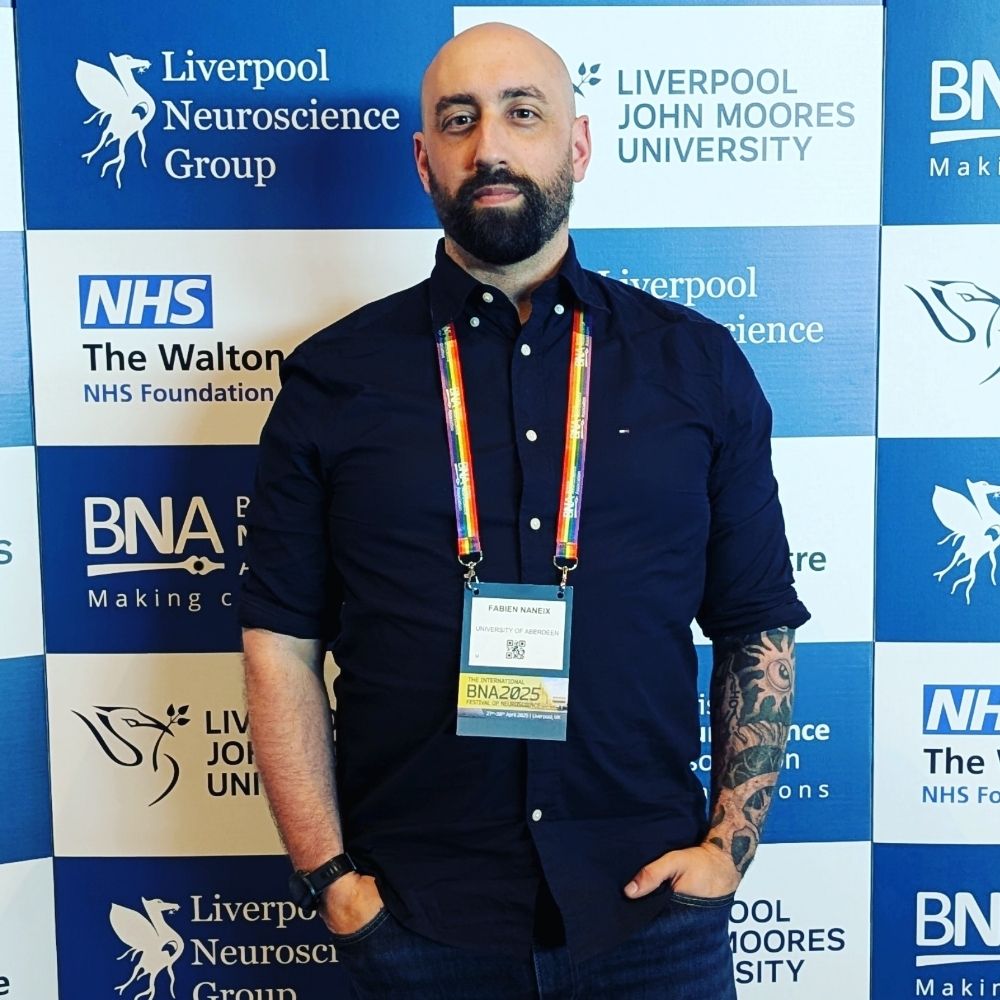
Possibility for a Eastbio funded PhD in my group at the @rowettinstitute.bsky.social @uniofaberdeen.bsky.social.
This is a highly competitive process: applicants should hold a 1st BSc Honours or 2:1 MSc degree in neuroscience.
A single applicant per project will be interviewed.
shorturl.at/rd669
This is a highly competitive process: applicants should hold a 1st BSc Honours or 2:1 MSc degree in neuroscience.
A single applicant per project will be interviewed.
shorturl.at/rd669

EastBio: Too sweet: how early life sugar consumption shapes brain and behaviour at University of Aberdeen on FindAPhD.com
PhD Project - EastBio: Too sweet: how early life sugar consumption shapes brain and behaviour at University of Aberdeen , listed on FindAPhD.com
www.findaphd.com
November 19, 2025 at 6:03 PM
Possibility for a Eastbio funded PhD in my group at the @rowettinstitute.bsky.social @uniofaberdeen.bsky.social.
This is a highly competitive process: applicants should hold a 1st BSc Honours or 2:1 MSc degree in neuroscience.
A single applicant per project will be interviewed.
shorturl.at/rd669
This is a highly competitive process: applicants should hold a 1st BSc Honours or 2:1 MSc degree in neuroscience.
A single applicant per project will be interviewed.
shorturl.at/rd669
Reposted by WilluhnLab
So stoked to have our image on the cover of this week's issue of Journal of Neuroscience!! @sfnjournals.bsky.social #JNeurosci #SfN25. Check out the final version of the paper here www.jneurosci.org/content/45/4...

Superior Colliculus Projections Drive Dopamine Neuron Activity and Movement But Not Value
To navigate dynamic environments, animals must rapidly integrate sensory information and respond appropriately to gather rewards and avoid threats. It is well established that dopamine (DA) neurons in...
www.jneurosci.org
November 19, 2025 at 6:15 PM
So stoked to have our image on the cover of this week's issue of Journal of Neuroscience!! @sfnjournals.bsky.social #JNeurosci #SfN25. Check out the final version of the paper here www.jneurosci.org/content/45/4...
Reposted by WilluhnLab
I have so many issues with this podcast with @earlkmiller.bsky.social . I think that this podcast nicely shows why I have trouble with such approaches. Lets go through some of the claims.
Giant Shoulders podcast: Meet the MIT Neuroscientist Proving Brainwaves are the Secret to Consciousness.
youtu.be/7OFb-NG3jIw
#neuroscience
youtu.be/7OFb-NG3jIw
#neuroscience

Meet the MIT Neuroscientist Proving Brain Waves Are the Secret Engine Behind Consciousness
YouTube video by Giant's Shoulder
youtu.be
November 18, 2025 at 8:05 PM
I have so many issues with this podcast with @earlkmiller.bsky.social . I think that this podcast nicely shows why I have trouble with such approaches. Lets go through some of the claims.
Reposted by WilluhnLab
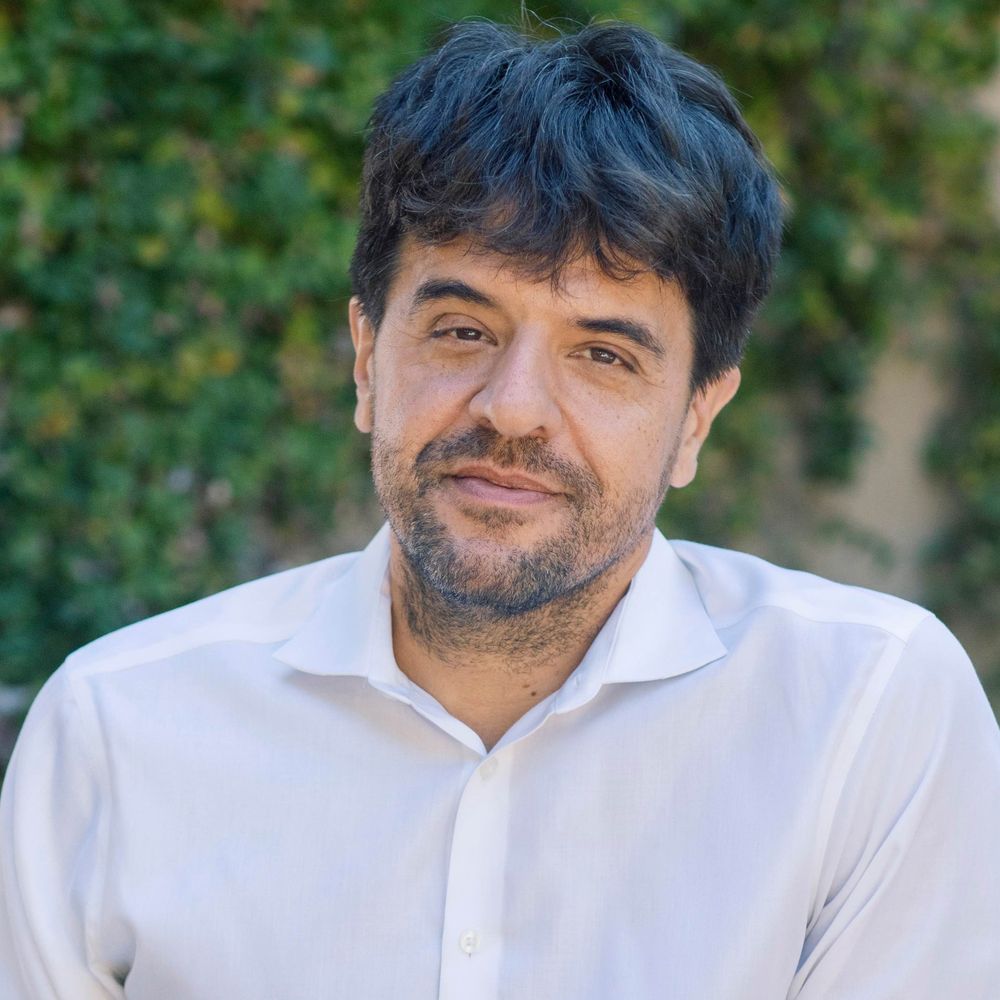
Our microbial-opsin work (and most of the field ) is basic science, but it was intriguing to review clinical progress–direct & indirect–with a wonderful team of co-authors
t.co/JrJen2WGBV
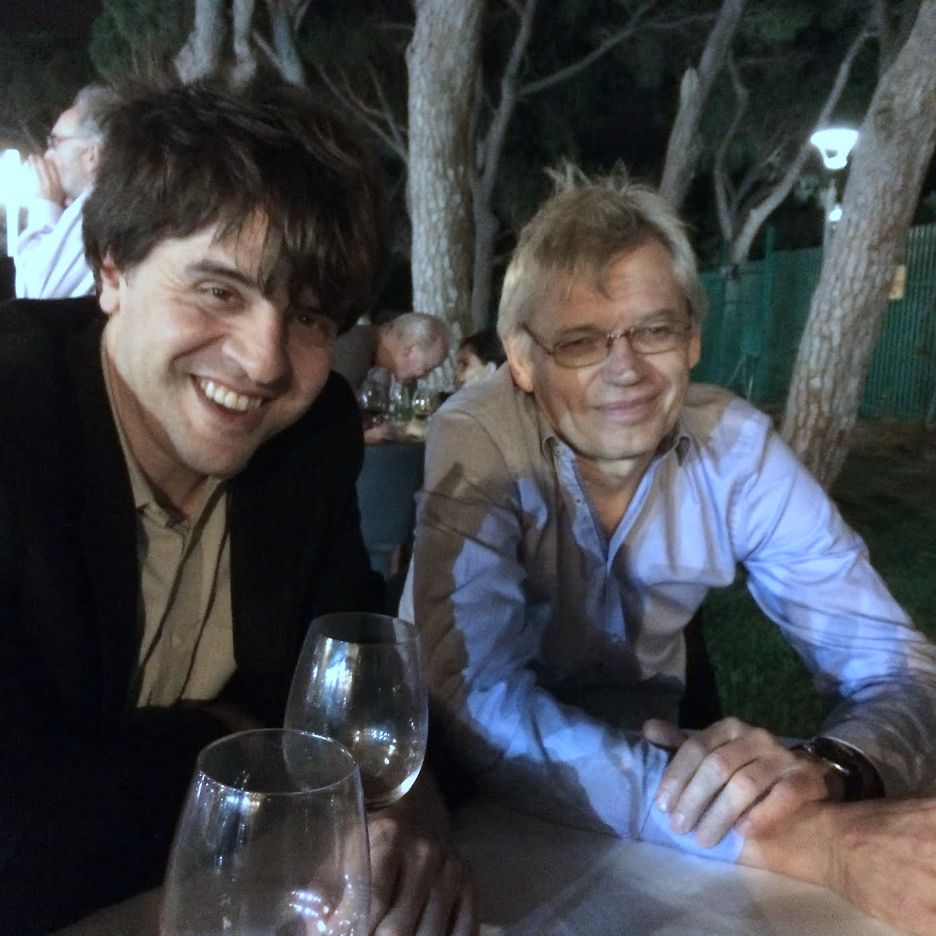
& adapt a fig. of PMID:28912215 (2017) with my long-time collaborator Peter Hegemann (pic: a memory from 2017).
t.co/JrJen2WGBV
& adapt a fig. of PMID:28912215 (2017) with my long-time collaborator Peter Hegemann (pic: a memory from 2017).
November 18, 2025 at 8:52 PM
Our microbial-opsin work (and most of the field ) is basic science, but it was intriguing to review clinical progress–direct & indirect–with a wonderful team of co-authors
t.co/JrJen2WGBV
& adapt a fig. of PMID:28912215 (2017) with my long-time collaborator Peter Hegemann (pic: a memory from 2017).
t.co/JrJen2WGBV
& adapt a fig. of PMID:28912215 (2017) with my long-time collaborator Peter Hegemann (pic: a memory from 2017).