



James Bejon
@jamesbejon.bsky.social


If מִשְׁאֶ֫רֶת (Exod. and Deut. only) is a kneading trough, it’d be nice if it was cognate with שְׂאֹר (‘leaven’). But what’s happened to its sibilant?
Loaned into Egyptian (where its lateral fricative went) & borrowed back? Feels a bit far-fetched, not least because it’s not attested in Egyptian (afaik).
Loaned into Egyptian (where its lateral fricative went) & borrowed back? Feels a bit far-fetched, not least because it’s not attested in Egyptian (afaik).

December 8, 2025 at 5:45 PM
If מִשְׁאֶ֫רֶת (Exod. and Deut. only) is a kneading trough, it’d be nice if it was cognate with שְׂאֹר (‘leaven’). But what’s happened to its sibilant?
Loaned into Egyptian (where its lateral fricative went) & borrowed back? Feels a bit far-fetched, not least because it’s not attested in Egyptian (afaik).
Loaned into Egyptian (where its lateral fricative went) & borrowed back? Feels a bit far-fetched, not least because it’s not attested in Egyptian (afaik).
Related to Geez maʕār (*maʕar) and Amharic mar = ‘honey, honeycomb’?
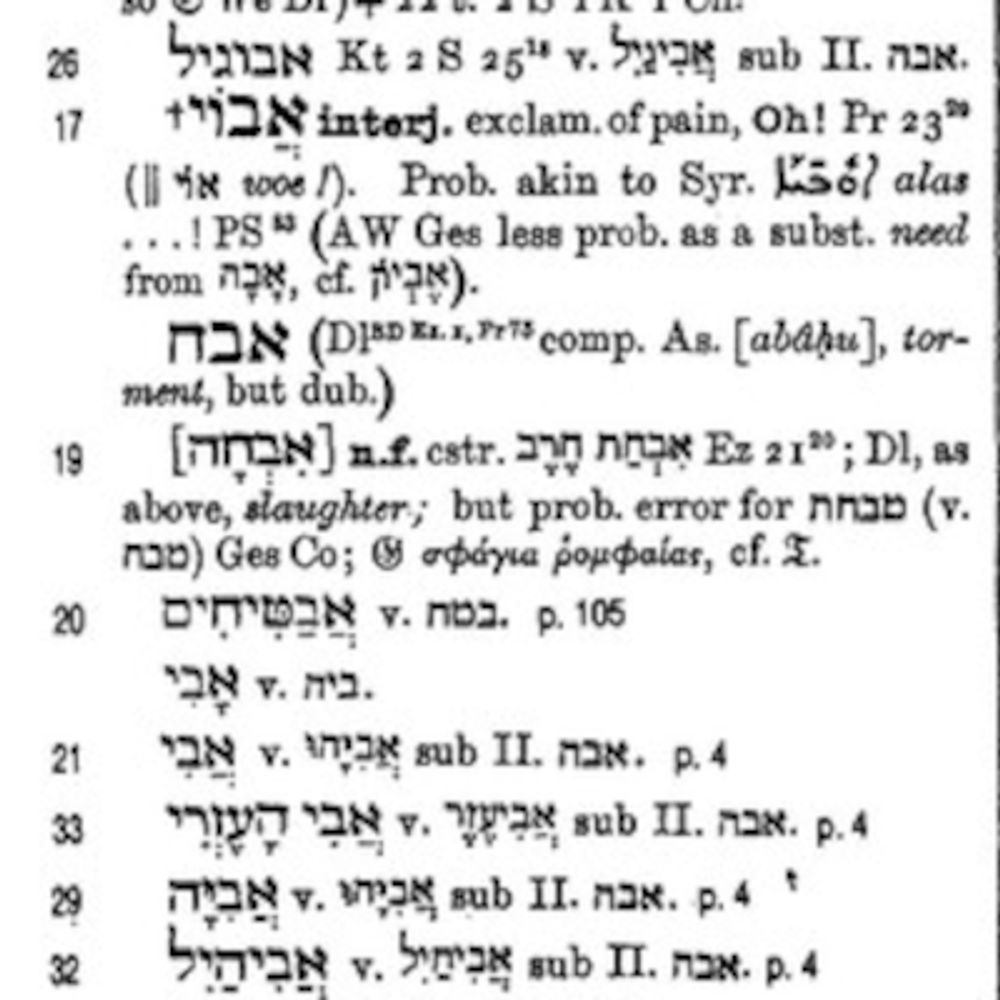
Entry:
[יַעְרָה]
n.f. honeycomb, only 1 S 14:27
[יַעְרָה]
n.f. honeycomb, only 1 S 14:27
December 3, 2025 at 5:39 PM
Related to Geez maʕār (*maʕar) and Amharic mar = ‘honey, honeycomb’?
Not sure how much weight I can reasonably put on this text:

December 3, 2025 at 2:11 PM
Not sure how much weight I can reasonably put on this text:
Reposted by James Bejon

As a little treat for you, here's an #ArabicBible Advent calendar 🧵. Every day I'll post a verse from the Christmas story from one of the oldest Arabic Gospel lectionaries, Sinai ar. 72, dated 897 CE (and a few other texts in between). [2nd attempt, I won't be offended if you point out my nonsense.]
December 2, 2025 at 2:20 PM
As a little treat for you, here's an #ArabicBible Advent calendar 🧵. Every day I'll post a verse from the Christmas story from one of the oldest Arabic Gospel lectionaries, Sinai ar. 72, dated 897 CE (and a few other texts in between). [2nd attempt, I won't be offended if you point out my nonsense.]
How come the construct of נְבֵלָה (‘carcass’) is נִבְלַת, and, possibly, of לְבֵנָה is לִבְנַת? I wondered if the constructs preserved an older form, since בְּרֵכָה corresponds to *birkat (e.g., بِرْكَة), but then בְּרֵכָה simply becomes בְּרֵכַת, so I don’t know.
December 2, 2025 at 5:06 PM
How come the construct of נְבֵלָה (‘carcass’) is נִבְלַת, and, possibly, of לְבֵנָה is לִבְנַת? I wondered if the constructs preserved an older form, since בְּרֵכָה corresponds to *birkat (e.g., بِرْكَة), but then בְּרֵכָה simply becomes בְּרֵכַת, so I don’t know.
Reposted by James Bejon
Egyptian ḥmꜣ.t (‘salt’) as a cognate of the West Semitic *milḥ?
Not dissimilar metathesis seems to be reflected in the borrowing of West Semitic *rumḥ (‘spear’) as *murḥ (hence Coptic ⲙⲉⲣ(ⲉ)ϩ).
Not dissimilar metathesis seems to be reflected in the borrowing of West Semitic *rumḥ (‘spear’) as *murḥ (hence Coptic ⲙⲉⲣ(ⲉ)ϩ).
November 21, 2025 at 2:54 PM
Egyptian ḥmꜣ.t (‘salt’) as a cognate of the West Semitic *milḥ?
Not dissimilar metathesis seems to be reflected in the borrowing of West Semitic *rumḥ (‘spear’) as *murḥ (hence Coptic ⲙⲉⲣ(ⲉ)ϩ).
Not dissimilar metathesis seems to be reflected in the borrowing of West Semitic *rumḥ (‘spear’) as *murḥ (hence Coptic ⲙⲉⲣ(ⲉ)ϩ).
Reposted by James Bejon
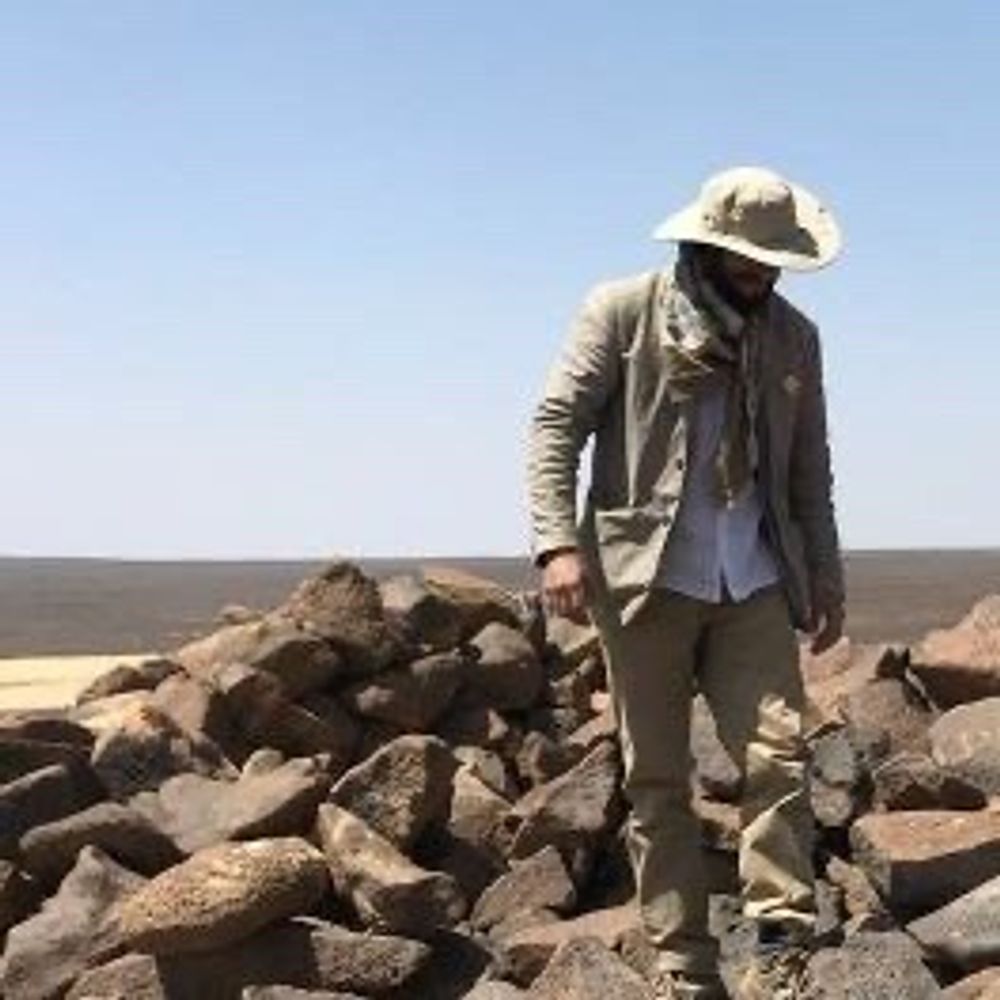
#Updated on #OCIANA - The first Ancient South Arabian inscription from the Ḥarrah, from Zalaf, Syria! Was it carved by a North Arabian who learned the script or a wandering South Arabian trader? Impossible to know! But its irregularities tell a story.
Find more: ociana.osu.edu/inscriptions...
Find more: ociana.osu.edu/inscriptions...


November 21, 2025 at 4:49 PM
#Updated on #OCIANA - The first Ancient South Arabian inscription from the Ḥarrah, from Zalaf, Syria! Was it carved by a North Arabian who learned the script or a wandering South Arabian trader? Impossible to know! But its irregularities tell a story.
Find more: ociana.osu.edu/inscriptions...
Find more: ociana.osu.edu/inscriptions...
Egyptian ḥmꜣ.t (‘salt’) as a cognate of the West Semitic *milḥ?
Not dissimilar metathesis seems to be reflected in the borrowing of West Semitic *rumḥ (‘spear’) as *murḥ (hence Coptic ⲙⲉⲣ(ⲉ)ϩ).
Not dissimilar metathesis seems to be reflected in the borrowing of West Semitic *rumḥ (‘spear’) as *murḥ (hence Coptic ⲙⲉⲣ(ⲉ)ϩ).
November 21, 2025 at 2:54 PM
Egyptian ḥmꜣ.t (‘salt’) as a cognate of the West Semitic *milḥ?
Not dissimilar metathesis seems to be reflected in the borrowing of West Semitic *rumḥ (‘spear’) as *murḥ (hence Coptic ⲙⲉⲣ(ⲉ)ϩ).
Not dissimilar metathesis seems to be reflected in the borrowing of West Semitic *rumḥ (‘spear’) as *murḥ (hence Coptic ⲙⲉⲣ(ⲉ)ϩ).
A neat Masoretic note on II Sam. 13.
Something like, שׁממה [occurs] three times (ג̇), twice defectively (ב̇ חָסֵר) and once fully (וחד מָלֵא). [Ordered by appearance], [the first is] ותשב תמר ושממה, [the second, which is plene]כי־רבים בני־שוממה מבני, [and the third] נתנני שממה.
Something like, שׁממה [occurs] three times (ג̇), twice defectively (ב̇ חָסֵר) and once fully (וחד מָלֵא). [Ordered by appearance], [the first is] ותשב תמר ושממה, [the second, which is plene]כי־רבים בני־שוממה מבני, [and the third] נתנני שממה.

November 18, 2025 at 2:38 PM
A neat Masoretic note on II Sam. 13.
Something like, שׁממה [occurs] three times (ג̇), twice defectively (ב̇ חָסֵר) and once fully (וחד מָלֵא). [Ordered by appearance], [the first is] ותשב תמר ושממה, [the second, which is plene]כי־רבים בני־שוממה מבני, [and the third] נתנני שממה.
Something like, שׁממה [occurs] three times (ג̇), twice defectively (ב̇ חָסֵר) and once fully (וחד מָלֵא). [Ordered by appearance], [the first is] ותשב תמר ושממה, [the second, which is plene]כי־רבים בני־שוממה מבני, [and the third] נתנני שממה.
Huehnergard’s excellent article on Hebrew nominal patterns classifies כֻּתֹּ֫נֶת as a *quttul-t form, which it may be,
but is it better explained in light of the tendency for pre-tonic *u to prompt gemination (עָמוֹק/עֲמֻקִּים), since כֻּתֹּ֫נֶת isn’t geminated in (unstressed) construct forms (e.g., כְּתֹנֶת הַפַּסִּים)?
but is it better explained in light of the tendency for pre-tonic *u to prompt gemination (עָמוֹק/עֲמֻקִּים), since כֻּתֹּ֫נֶת isn’t geminated in (unstressed) construct forms (e.g., כְּתֹנֶת הַפַּסִּים)?

November 15, 2025 at 9:31 PM
Huehnergard’s excellent article on Hebrew nominal patterns classifies כֻּתֹּ֫נֶת as a *quttul-t form, which it may be,
but is it better explained in light of the tendency for pre-tonic *u to prompt gemination (עָמוֹק/עֲמֻקִּים), since כֻּתֹּ֫נֶת isn’t geminated in (unstressed) construct forms (e.g., כְּתֹנֶת הַפַּסִּים)?
but is it better explained in light of the tendency for pre-tonic *u to prompt gemination (עָמוֹק/עֲמֻקִּים), since כֻּתֹּ֫נֶת isn’t geminated in (unstressed) construct forms (e.g., כְּתֹנֶת הַפַּסִּים)?
Reposted by James Bejon
Idea for paper. List various Modern South Arabian borrowings from Arabic where a lateral fricative is effectively restored, such as in the case of šəmāl ⇒ śēməl(i) = ‘inland/north’.
Entitle the paper ‘The Imputation of Śin’.
Entitle the paper ‘The Imputation of Śin’.

November 12, 2025 at 1:49 PM
Idea for paper. List various Modern South Arabian borrowings from Arabic where a lateral fricative is effectively restored, such as in the case of šəmāl ⇒ śēməl(i) = ‘inland/north’.
Entitle the paper ‘The Imputation of Śin’.
Entitle the paper ‘The Imputation of Śin’.
Idea for paper. List various Modern South Arabian borrowings from Arabic where a lateral fricative is effectively restored, such as in the case of šəmāl ⇒ śēməl(i) = ‘inland/north’.
Entitle the paper ‘The Imputation of Śin’.
Entitle the paper ‘The Imputation of Śin’.
November 12, 2025 at 1:49 PM
Idea for paper. List various Modern South Arabian borrowings from Arabic where a lateral fricative is effectively restored, such as in the case of šəmāl ⇒ śēməl(i) = ‘inland/north’.
Entitle the paper ‘The Imputation of Śin’.
Entitle the paper ‘The Imputation of Śin’.
Question. Do we have any record of Canaanite that can be shown to predate the Canaanite Shift?
November 6, 2025 at 9:52 AM
Question. Do we have any record of Canaanite that can be shown to predate the Canaanite Shift?
Reposted by James Bejon
Question: Hoch has examples in (Egyptian) syllabic orthography of what appears to be *yomm (‘sea’) from the late 2nd millennium. How should these be explained?
The effect of the Canaanite Shift on a stress-lengthened *a? Or the Phoenician Shift? (When does the latter date?)
The effect of the Canaanite Shift on a stress-lengthened *a? Or the Phoenician Shift? (When does the latter date?)
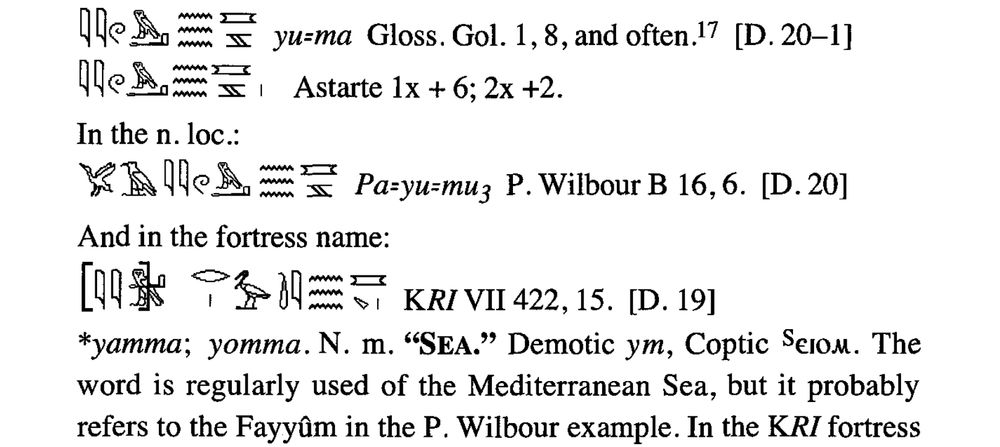
November 5, 2025 at 11:22 PM
Question: Hoch has examples in (Egyptian) syllabic orthography of what appears to be *yomm (‘sea’) from the late 2nd millennium. How should these be explained?
The effect of the Canaanite Shift on a stress-lengthened *a? Or the Phoenician Shift? (When does the latter date?)
The effect of the Canaanite Shift on a stress-lengthened *a? Or the Phoenician Shift? (When does the latter date?)
Question: Hoch has examples in (Egyptian) syllabic orthography of what appears to be *yomm (‘sea’) from the late 2nd millennium. How should these be explained?
The effect of the Canaanite Shift on a stress-lengthened *a? Or the Phoenician Shift? (When does the latter date?)
The effect of the Canaanite Shift on a stress-lengthened *a? Or the Phoenician Shift? (When does the latter date?)
November 5, 2025 at 11:22 PM
Question: Hoch has examples in (Egyptian) syllabic orthography of what appears to be *yomm (‘sea’) from the late 2nd millennium. How should these be explained?
The effect of the Canaanite Shift on a stress-lengthened *a? Or the Phoenician Shift? (When does the latter date?)
The effect of the Canaanite Shift on a stress-lengthened *a? Or the Phoenician Shift? (When does the latter date?)
Reposted by James Bejon

From a Songhay cultural group on Facebook:
"Today, Friday, let us put our siblings who are in Sudan, and all the land of Sudan - especially Al Fashir, in Darfur - in our prayers: may God hold their hand in the situation they are in..."
"Today, Friday, let us put our siblings who are in Sudan, and all the land of Sudan - especially Al Fashir, in Darfur - in our prayers: may God hold their hand in the situation they are in..."

November 1, 2025 at 7:44 AM
From a Songhay cultural group on Facebook:
"Today, Friday, let us put our siblings who are in Sudan, and all the land of Sudan - especially Al Fashir, in Darfur - in our prayers: may God hold their hand in the situation they are in..."
"Today, Friday, let us put our siblings who are in Sudan, and all the land of Sudan - especially Al Fashir, in Darfur - in our prayers: may God hold their hand in the situation they are in..."
Caught up with my brother last weekend, who now speaks pretty good Swahili.
I was intrigued to discover that Swahili appends -Vw to verbal stems to make them statives, just like Ancient Egyptian.
Anyone know of non-Bantu languages that do the same thing?
I was intrigued to discover that Swahili appends -Vw to verbal stems to make them statives, just like Ancient Egyptian.
Anyone know of non-Bantu languages that do the same thing?
October 31, 2025 at 11:47 AM
Caught up with my brother last weekend, who now speaks pretty good Swahili.
I was intrigued to discover that Swahili appends -Vw to verbal stems to make them statives, just like Ancient Egyptian.
Anyone know of non-Bantu languages that do the same thing?
I was intrigued to discover that Swahili appends -Vw to verbal stems to make them statives, just like Ancient Egyptian.
Anyone know of non-Bantu languages that do the same thing?
Reposted by James Bejon

Was the sound shift *w > /v/ in postvernacular Hebrew precipitated by a corresponding shift in vernacular Aramaic? Or does it represent an independent development?
October 14, 2025 at 2:51 AM
Was the sound shift *w > /v/ in postvernacular Hebrew precipitated by a corresponding shift in vernacular Aramaic? Or does it represent an independent development?
Reposted by James Bejon
3 more weeks to apply for this... please continue to share widely.
We are looking for a one-year full-time Research Associate to work on Coptic manuscripts in Manchester as part of a wonderful project that connects mss with local communities. Requires strong skills in Coptic, English, & Arabic. Deadline 31/10. Please share! www.jobs.manchester.ac.uk/Job/JobDetai...
Research Associate – Coptic in Manchester (UKRI):John Rylands Library
Key collaborators are the Coptic Church in Stockport, Manchester, and the Coptic Church in Llandudno, Wales. The project has an extensive and international advisory board. A PDRA seeking an academic career may find the balance between traditional research and co-creation appealing.
www.jobs.manchester.ac.uk
October 13, 2025 at 12:03 PM
3 more weeks to apply for this... please continue to share widely.
Reposted by James Bejon
THREAD. Some thoughts on (apparent) dual suffixes in Biblical names.
Relevant comparative data gratefully received.
As I understand it, dual-esque suffixes in names like Ephraim (אֶפְרַיִם) and are thought to go back to */aym/ and are (often) viewed as secondary developments.
Relevant comparative data gratefully received.
As I understand it, dual-esque suffixes in names like Ephraim (אֶפְרַיִם) and are thought to go back to */aym/ and are (often) viewed as secondary developments.
October 13, 2025 at 10:12 AM
THREAD. Some thoughts on (apparent) dual suffixes in Biblical names.
Relevant comparative data gratefully received.
As I understand it, dual-esque suffixes in names like Ephraim (אֶפְרַיִם) and are thought to go back to */aym/ and are (often) viewed as secondary developments.
Relevant comparative data gratefully received.
As I understand it, dual-esque suffixes in names like Ephraim (אֶפְרַיִם) and are thought to go back to */aym/ and are (often) viewed as secondary developments.
THREAD. Some thoughts on (apparent) dual suffixes in Biblical names.
Relevant comparative data gratefully received.
As I understand it, dual-esque suffixes in names like Ephraim (אֶפְרַיִם) and are thought to go back to */aym/ and are (often) viewed as secondary developments.
Relevant comparative data gratefully received.
As I understand it, dual-esque suffixes in names like Ephraim (אֶפְרַיִם) and are thought to go back to */aym/ and are (often) viewed as secondary developments.
October 13, 2025 at 10:12 AM
THREAD. Some thoughts on (apparent) dual suffixes in Biblical names.
Relevant comparative data gratefully received.
As I understand it, dual-esque suffixes in names like Ephraim (אֶפְרַיִם) and are thought to go back to */aym/ and are (often) viewed as secondary developments.
Relevant comparative data gratefully received.
As I understand it, dual-esque suffixes in names like Ephraim (אֶפְרַיִם) and are thought to go back to */aym/ and are (often) viewed as secondary developments.
Reposted by James Bejon

Go Birds!
Several Egyptian hieroglyphic signs are birds. Here are some common bird signs and their meanings/uses:
[resurrecting an old but topical thread]
Several Egyptian hieroglyphic signs are birds. Here are some common bird signs and their meanings/uses:
[resurrecting an old but topical thread]
February 9, 2025 at 5:15 PM
Go Birds!
Several Egyptian hieroglyphic signs are birds. Here are some common bird signs and their meanings/uses:
[resurrecting an old but topical thread]
Several Egyptian hieroglyphic signs are birds. Here are some common bird signs and their meanings/uses:
[resurrecting an old but topical thread]
Reposted by James Bejon
Re-patterned Geese.
⟨smn⟩ = ‘goose’ is a good Egyptian lexeme, attested from the Old Kingdom onwards.
It presumably reflects *sV̆mānV̆(w) since it appears in Coptic as ⟨smune⟩.
⟨smn⟩ = ‘goose’ is a good Egyptian lexeme, attested from the Old Kingdom onwards.
It presumably reflects *sV̆mānV̆(w) since it appears in Coptic as ⟨smune⟩.

September 16, 2025 at 1:22 PM
Re-patterned Geese.
⟨smn⟩ = ‘goose’ is a good Egyptian lexeme, attested from the Old Kingdom onwards.
It presumably reflects *sV̆mānV̆(w) since it appears in Coptic as ⟨smune⟩.
⟨smn⟩ = ‘goose’ is a good Egyptian lexeme, attested from the Old Kingdom onwards.
It presumably reflects *sV̆mānV̆(w) since it appears in Coptic as ⟨smune⟩.
Re-patterned Geese.
⟨smn⟩ = ‘goose’ is a good Egyptian lexeme, attested from the Old Kingdom onwards.
It presumably reflects *sV̆mānV̆(w) since it appears in Coptic as ⟨smune⟩.
⟨smn⟩ = ‘goose’ is a good Egyptian lexeme, attested from the Old Kingdom onwards.
It presumably reflects *sV̆mānV̆(w) since it appears in Coptic as ⟨smune⟩.
September 16, 2025 at 1:22 PM
Re-patterned Geese.
⟨smn⟩ = ‘goose’ is a good Egyptian lexeme, attested from the Old Kingdom onwards.
It presumably reflects *sV̆mānV̆(w) since it appears in Coptic as ⟨smune⟩.
⟨smn⟩ = ‘goose’ is a good Egyptian lexeme, attested from the Old Kingdom onwards.
It presumably reflects *sV̆mānV̆(w) since it appears in Coptic as ⟨smune⟩.