



Alpha-gal syndrome is a singularly unfortunate name for what it is. Can you imagine having to tell a restaurant employee that you have alpha-gal syndrome.
... Yes I know you can just say "meat allergy" that's not my point.
... Yes I know you can just say "meat allergy" that's not my point.
December 21, 2025 at 7:30 PM
Alpha-gal syndrome is a singularly unfortunate name for what it is. Can you imagine having to tell a restaurant employee that you have alpha-gal syndrome.
... Yes I know you can just say "meat allergy" that's not my point.
... Yes I know you can just say "meat allergy" that's not my point.
Reposted by KChasm
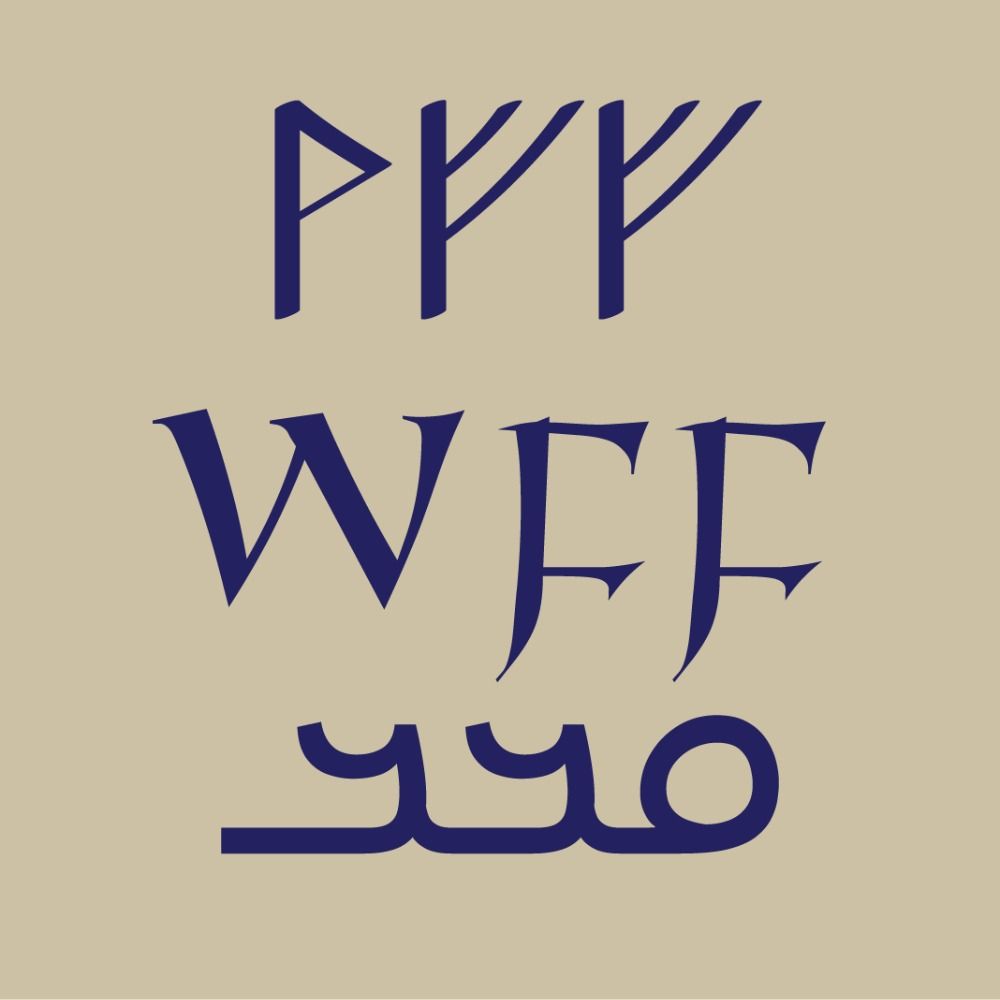
Latin "Dies Natalis Solis Invicti" from Proto-Indo-European
1. *dyew-: "to be bright, sky, heaven"
2. *ǵenh₁-: "to produce, to beget, to give birth"
3. *sóh₂wl̥/*sh₂wéns: "sun"
4. *ne: "not"
5. *weyk-: "to overcome"
1. *dyew-: "to be bright, sky, heaven"
2. *ǵenh₁-: "to produce, to beget, to give birth"
3. *sóh₂wl̥/*sh₂wéns: "sun"
4. *ne: "not"
5. *weyk-: "to overcome"

December 21, 2025 at 7:19 PM
Latin "Dies Natalis Solis Invicti" from Proto-Indo-European
1. *dyew-: "to be bright, sky, heaven"
2. *ǵenh₁-: "to produce, to beget, to give birth"
3. *sóh₂wl̥/*sh₂wéns: "sun"
4. *ne: "not"
5. *weyk-: "to overcome"
1. *dyew-: "to be bright, sky, heaven"
2. *ǵenh₁-: "to produce, to beget, to give birth"
3. *sóh₂wl̥/*sh₂wéns: "sun"
4. *ne: "not"
5. *weyk-: "to overcome"
I'm not sure if there's a diplomatic way of saying "your life is a cavalcade of terrible decisions made by everyone in your life, including yourself."
December 21, 2025 at 4:08 AM
I'm not sure if there's a diplomatic way of saying "your life is a cavalcade of terrible decisions made by everyone in your life, including yourself."
Reposted by KChasm

In Final Fantasy Tactics if a unit gains too much faith they leave your party to go find God. Have you ever wondered what would happen if you had Beast Tongue and got a monster unit to maximum faith? Of course you haven't. No one has.
October 8, 2025 at 6:02 AM
In Final Fantasy Tactics if a unit gains too much faith they leave your party to go find God. Have you ever wondered what would happen if you had Beast Tongue and got a monster unit to maximum faith? Of course you haven't. No one has.
Reposted by KChasm
Stumbled on this Wanderwort cloud for "pomegranate"
Hurrian 𒉡𒊏𒀭𒋾
Middle Persian 𐭠𐭭𐭠𐭫
Arabic رمان
Old Chinese 榴 <*m·ru>
Sanskrit
www.aidanem.com/images/word_...
(let's try this again, less rushed)
Hurrian 𒉡𒊏𒀭𒋾
Middle Persian 𐭠𐭭𐭠𐭫
Arabic رمان
Old Chinese 榴 <*m·ru>
Sanskrit
www.aidanem.com/images/word_...
(let's try this again, less rushed)

December 19, 2025 at 10:44 PM
Stumbled on this Wanderwort cloud for "pomegranate"
Hurrian 𒉡𒊏𒀭𒋾
Middle Persian 𐭠𐭭𐭠𐭫
Arabic رمان
Old Chinese 榴 <*m·ru>
Sanskrit
www.aidanem.com/images/word_...
(let's try this again, less rushed)
Hurrian 𒉡𒊏𒀭𒋾
Middle Persian 𐭠𐭭𐭠𐭫
Arabic رمان
Old Chinese 榴 <*m·ru>
Sanskrit
www.aidanem.com/images/word_...
(let's try this again, less rushed)
Reposted by KChasm

Social media platform that gives you a single count of all interactions with each post and offers no mechanism to break it down further or find out what those interactions were. Likes? Shares? Quotes? Formal complaints? Fuck you – your posts don't get to "do numbers". You get to do number, singular.
December 20, 2025 at 1:06 AM
Social media platform that gives you a single count of all interactions with each post and offers no mechanism to break it down further or find out what those interactions were. Likes? Shares? Quotes? Formal complaints? Fuck you – your posts don't get to "do numbers". You get to do number, singular.
Reposted by KChasm

Many English words stem from Latin.
But did you know there are Latin words that ended up in English two times - in two different forms? These are called doublets.
Over the next days, you'll see doublets in French, Spanish, Italian, Portuguese, Romanian, Catalan, Galician, Dutch, and English again.
But did you know there are Latin words that ended up in English two times - in two different forms? These are called doublets.
Over the next days, you'll see doublets in French, Spanish, Italian, Portuguese, Romanian, Catalan, Galician, Dutch, and English again.

December 19, 2025 at 6:39 PM
Many English words stem from Latin.
But did you know there are Latin words that ended up in English two times - in two different forms? These are called doublets.
Over the next days, you'll see doublets in French, Spanish, Italian, Portuguese, Romanian, Catalan, Galician, Dutch, and English again.
But did you know there are Latin words that ended up in English two times - in two different forms? These are called doublets.
Over the next days, you'll see doublets in French, Spanish, Italian, Portuguese, Romanian, Catalan, Galician, Dutch, and English again.
Reposted by KChasm



Reposted by KChasm

I like video games because they allow me to act out my wildest power fantasies

December 18, 2025 at 4:07 AM
I like video games because they allow me to act out my wildest power fantasies
Reposted by KChasm
The word ‘whore’ is etymologically related to ‘charity’, ‘to caress’, ‘to cherish’, as well as Romance words such as French ‘cher’ and Spanish ‘caro’, which mean “dear”.
They all stem from a Proto-Indo-European word meaning “desired; loved”.
Zoom in on my new graphic to discover their stories:
They all stem from a Proto-Indo-European word meaning “desired; loved”.
Zoom in on my new graphic to discover their stories:

December 18, 2025 at 7:50 PM
The word ‘whore’ is etymologically related to ‘charity’, ‘to caress’, ‘to cherish’, as well as Romance words such as French ‘cher’ and Spanish ‘caro’, which mean “dear”.
They all stem from a Proto-Indo-European word meaning “desired; loved”.
Zoom in on my new graphic to discover their stories:
They all stem from a Proto-Indo-European word meaning “desired; loved”.
Zoom in on my new graphic to discover their stories:
Reposted by KChasm
The "cat ears or human ears" thing only exists because catgirl ears are too small. A cat's ear canals are in about the same place as a human's; their ears are just comparatively enormous, which lets them stick up in spite of ending at the same spot. The real solution is to give catgirls bigger ears.
December 18, 2025 at 4:21 PM
The "cat ears or human ears" thing only exists because catgirl ears are too small. A cat's ear canals are in about the same place as a human's; their ears are just comparatively enormous, which lets them stick up in spite of ending at the same spot. The real solution is to give catgirls bigger ears.
Reposted by KChasm
Anglophone anime fans are out there giving Japanese writers the gears for their failure to come up with plausible-sounding anglo names like we haven't all seen what y'all are naming your OCs.
December 18, 2025 at 3:31 AM
Anglophone anime fans are out there giving Japanese writers the gears for their failure to come up with plausible-sounding anglo names like we haven't all seen what y'all are naming your OCs.
Reposted by KChasm
Correction: minor attachment error
Expansion: parents of the second name element
Improvement: more balanced graph layout
Expansion: parents of the second name element
Improvement: more balanced graph layout

December 17, 2025 at 7:10 AM
Correction: minor attachment error
Expansion: parents of the second name element
Improvement: more balanced graph layout
Expansion: parents of the second name element
Improvement: more balanced graph layout
Reposted by KChasm

Got banished from The Council because I kept pulling my face-obscuring hood down to try to hear people better
December 17, 2025 at 3:51 PM
Got banished from The Council because I kept pulling my face-obscuring hood down to try to hear people better
Reposted by KChasm

‘Futz’ means “to fool around” or “to behave in a way that is not very serious.”
It is thought to have come from a modification of the Yiddish phrase ‘arumfartsn zikh,’ the literal translation of which is “to fart around.”
Excuse us.
It is thought to have come from a modification of the Yiddish phrase ‘arumfartsn zikh,’ the literal translation of which is “to fart around.”
Excuse us.
December 16, 2025 at 2:48 PM
‘Futz’ means “to fool around” or “to behave in a way that is not very serious.”
It is thought to have come from a modification of the Yiddish phrase ‘arumfartsn zikh,’ the literal translation of which is “to fart around.”
Excuse us.
It is thought to have come from a modification of the Yiddish phrase ‘arumfartsn zikh,’ the literal translation of which is “to fart around.”
Excuse us.

Reposted by KChasm
Merriam-Webster’s human editors have chosen ‘slop’ as the 2025 Word of the Year.
December 15, 2025 at 2:07 PM
Merriam-Webster’s human editors have chosen ‘slop’ as the 2025 Word of the Year.
Reposted by KChasm
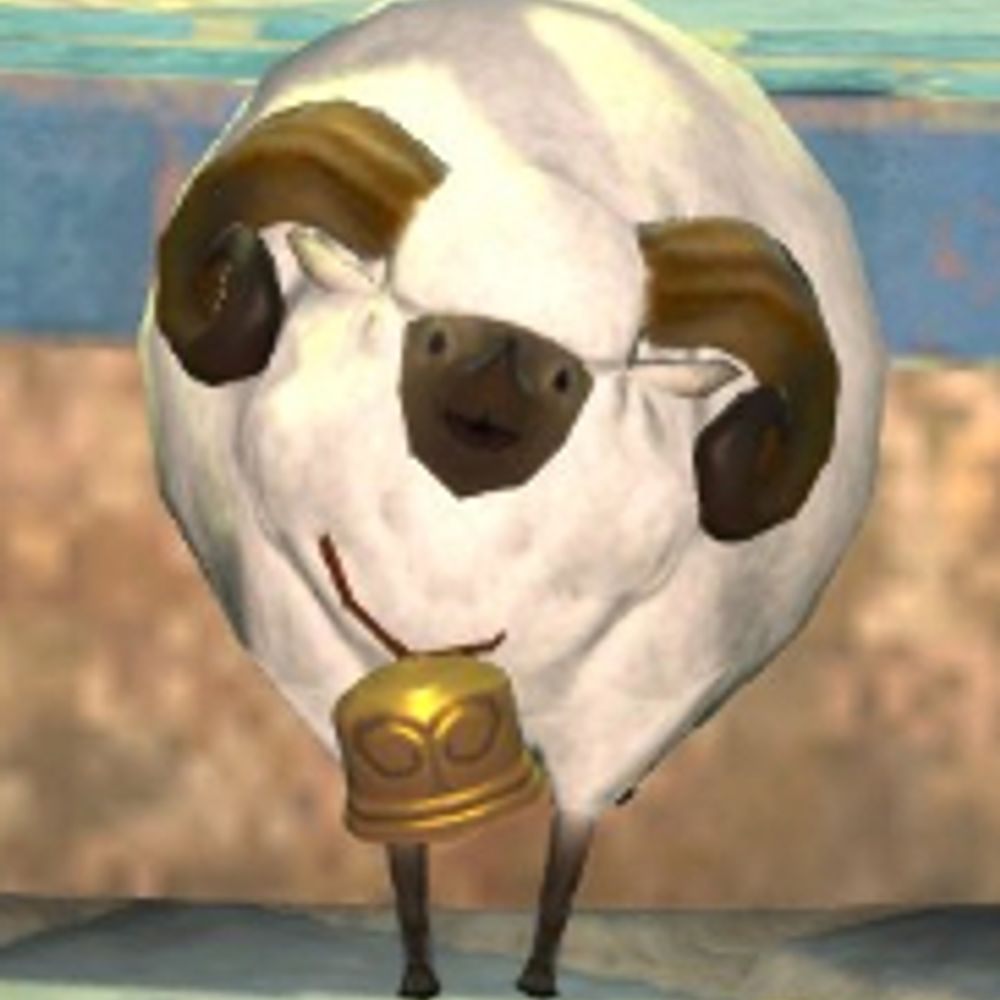
an emoji blast or something like "re-read kudos!" is still expressing genuine human gratitude and that matters a lot these days. sometimes folks are worried about commenting on really old fics but i've never seen a writer get annoyed by that, they're just pleasantly surprised for the most part.
December 14, 2025 at 10:49 PM
an emoji blast or something like "re-read kudos!" is still expressing genuine human gratitude and that matters a lot these days. sometimes folks are worried about commenting on really old fics but i've never seen a writer get annoyed by that, they're just pleasantly surprised for the most part.
Reposted by KChasm
Basically, the Teenage Mutant Ninja Turtles are my litmus test for the least ninja a fictional ninja can be before I feel mislead if you describe them as a ninja. If your ninjas are less ninja than the Ninja Turtles, promoting your media on the basis that it has ninjas in it is false advertising.
December 15, 2025 at 6:42 PM
Basically, the Teenage Mutant Ninja Turtles are my litmus test for the least ninja a fictional ninja can be before I feel mislead if you describe them as a ninja. If your ninjas are less ninja than the Ninja Turtles, promoting your media on the basis that it has ninjas in it is false advertising.
Reposted by KChasm
Spanish "vaca" and "vaquero" are exactly as expected from Latin "vacca": "cow" and *vaccarius: "person who works with cows", and compare to Italian "vacca"/"vaccaio", and Romanian "vacă"/"văcar", so "vaquero" is not from Arabic.
🧵
🧵
December 15, 2025 at 6:53 PM
Spanish "vaca" and "vaquero" are exactly as expected from Latin "vacca": "cow" and *vaccarius: "person who works with cows", and compare to Italian "vacca"/"vaccaio", and Romanian "vacă"/"văcar", so "vaquero" is not from Arabic.
🧵
🧵
Reposted by KChasm
The English word ‘sad’ is related to ‘to satisfy’, ‘to satiate’, ‘saturation’ and ‘asset’.
They all come from a root meaning “to satiate”.
‘Sæd’, the Old English ancestor of ‘sad’, meant “sated; full; weary”. Only much later did it come to mean “sorrowful”.
Zoom in to learn all about this family:
They all come from a root meaning “to satiate”.
‘Sæd’, the Old English ancestor of ‘sad’, meant “sated; full; weary”. Only much later did it come to mean “sorrowful”.
Zoom in to learn all about this family:

December 14, 2025 at 6:51 PM
The English word ‘sad’ is related to ‘to satisfy’, ‘to satiate’, ‘saturation’ and ‘asset’.
They all come from a root meaning “to satiate”.
‘Sæd’, the Old English ancestor of ‘sad’, meant “sated; full; weary”. Only much later did it come to mean “sorrowful”.
Zoom in to learn all about this family:
They all come from a root meaning “to satiate”.
‘Sæd’, the Old English ancestor of ‘sad’, meant “sated; full; weary”. Only much later did it come to mean “sorrowful”.
Zoom in to learn all about this family:
Reposted by KChasm
They looked like a wet cat, which is to say refusing to acknowledge their situation with such rigid dignity that it almost feels foolish to bring it up.
December 14, 2025 at 5:34 PM
They looked like a wet cat, which is to say refusing to acknowledge their situation with such rigid dignity that it almost feels foolish to bring it up.
Reposted by KChasm

There is a humorous error message in Paper Mario: Color Splash. When loading Luigi, the game does a quick "bone check" to see if his position is defined. If he fails his bone check, the developer console prints out "Luigi is elegal!!", likely a misspelling of "Luigi is illegal".

December 13, 2025 at 5:36 PM
There is a humorous error message in Paper Mario: Color Splash. When loading Luigi, the game does a quick "bone check" to see if his position is defined. If he fails his bone check, the developer console prints out "Luigi is elegal!!", likely a misspelling of "Luigi is illegal".

Reposted by KChasm
Some people vocally oppose using ‘data’ and ‘panini’ as singular nouns, saying they come from plural nouns.
That’s true, but that also goes for ‘marvel’ and ‘joy’: they used to be plural too.
And ‘cherries’ and ‘peas’ used to be singular.
Zoom in to learn all about this phenomenon: reanalysis.
That’s true, but that also goes for ‘marvel’ and ‘joy’: they used to be plural too.
And ‘cherries’ and ‘peas’ used to be singular.
Zoom in to learn all about this phenomenon: reanalysis.

December 12, 2025 at 7:19 PM
Some people vocally oppose using ‘data’ and ‘panini’ as singular nouns, saying they come from plural nouns.
That’s true, but that also goes for ‘marvel’ and ‘joy’: they used to be plural too.
And ‘cherries’ and ‘peas’ used to be singular.
Zoom in to learn all about this phenomenon: reanalysis.
That’s true, but that also goes for ‘marvel’ and ‘joy’: they used to be plural too.
And ‘cherries’ and ‘peas’ used to be singular.
Zoom in to learn all about this phenomenon: reanalysis.