



@patbyrne0.bsky.social
Reposted

UT Austin has a new “genius grant” recipient!
Texas Science professor Jason McLellan has been awarded a MacArthur Fellowship — aka the “genius grant” — by The MacArthur Foundation.
#TexasScience @mclellanlab.bsky.social #MacArthurGenius @utaustin.bsky.social
cns.utexas.edu/news/accolad...
Texas Science professor Jason McLellan has been awarded a MacArthur Fellowship — aka the “genius grant” — by The MacArthur Foundation.
#TexasScience @mclellanlab.bsky.social #MacArthurGenius @utaustin.bsky.social
cns.utexas.edu/news/accolad...

Virus Slayer Awarded ‘Genius Grant’ by MacArthur Foundation
The award recognizes Jason McLellan’s work to investigate how viruses infect our cells and to develop new treatments for infectious disease.
cns.utexas.edu
October 8, 2025 at 6:25 PM
UT Austin has a new “genius grant” recipient!
Texas Science professor Jason McLellan has been awarded a MacArthur Fellowship — aka the “genius grant” — by The MacArthur Foundation.
#TexasScience @mclellanlab.bsky.social #MacArthurGenius @utaustin.bsky.social
cns.utexas.edu/news/accolad...
Texas Science professor Jason McLellan has been awarded a MacArthur Fellowship — aka the “genius grant” — by The MacArthur Foundation.
#TexasScience @mclellanlab.bsky.social #MacArthurGenius @utaustin.bsky.social
cns.utexas.edu/news/accolad...
Reposted

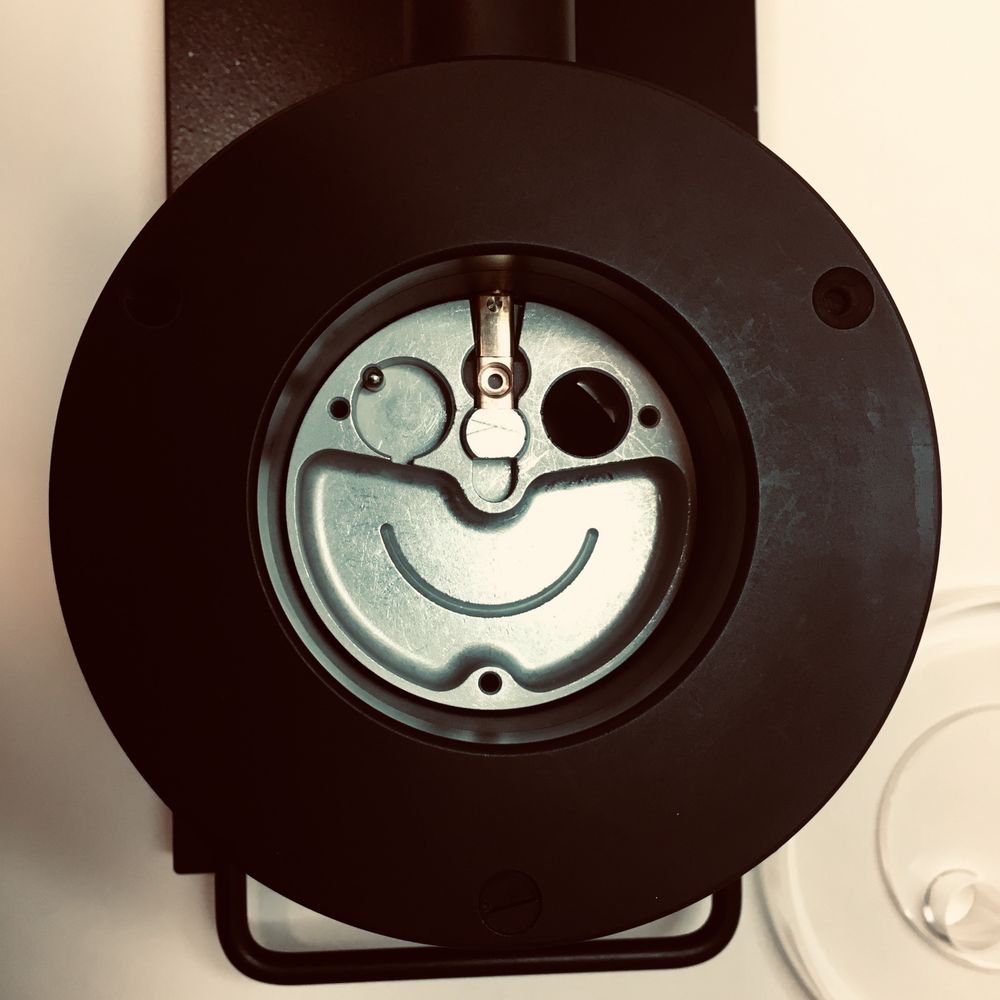
When I first saw it in my micrographs, I thought it looked like a Philadelphia pretzel. After years of explaining a Philly pretzel and receiving endless pretzel pictures (s/o Jamie) and pretzel swag (s/o @sofie-dot-rec.bsky.social)….

September 23, 2025 at 5:08 PM
When I first saw it in my micrographs, I thought it looked like a Philadelphia pretzel. After years of explaining a Philly pretzel and receiving endless pretzel pictures (s/o Jamie) and pretzel swag (s/o @sofie-dot-rec.bsky.social)….
Reposted

Digital PCR reveals high PvDBP1 but not PvEBP/DBP2 and PvRBP2b copies in Plasmodium vivax from Duffy-negative Individuals in Central Africa
✅ Just Accepted
#IDSky
✅ Just Accepted
#IDSky

Digital PCR reveals high PvDBP1 but not PvEBP/DBP2 and PvRBP2b copies in Plasmodium vivax from Duffy-negative Individuals in Central Africa
Vivax malaria, once thought rare in Duffy-negative Africans, is now reported in various parts of Africa, suggesting alternate invasion mechanisms and parasite adaptability to Duffy-null cells.
doi.org
June 16, 2025 at 6:46 PM
Digital PCR reveals high PvDBP1 but not PvEBP/DBP2 and PvRBP2b copies in Plasmodium vivax from Duffy-negative Individuals in Central Africa
✅ Just Accepted
#IDSky
✅ Just Accepted
#IDSky
Reposted

Comparative clinical transcriptome of pir genes in severe Plasmodium vivax malaria bioRxivpreprint

Comparative clinical transcriptome of pir genes in severe Plasmodium vivax malaria
Vir genes, a multigene family in Plasmodium vivax that are a part of a larger superfamily of genes called the pir (Plasmodium interspersed repeat) genes have been reported earlier to be potentially involved in cyto-adherence and evasion of splenic clearance. Plasmodium vivax, historically characterized as a "benign" malaria parasite, has been associated with clinical outcomes including hepatic dysfunction, renal failure, and cerebral malaria in India and several global regions. It constitutes an economic burden and presents a public health challenge alongside other Plasmodium species. Here, we present a part of global transcriptomic studies using custom designed microarrays, that compare the transcriptome of the parasite responsible for severe Plasmodium vivax manifestations, specifically hepatic dysfunction and cerebral malaria from India, with an emphasis on the pir genes, some of which are reported to play a role in cyto-adherence. 23 patients with Plasmodium vivax malaria (Uncomplicated=6, Hepatic dysfunction=12 and Cerebral malaria=5) were subjected to microarray hybridization and the data so obtained showed a wide range of pir subfamilies have been differentially expressed. Upregulation has been seen in 24 pir genes in cerebral malaria samples (n=5) and 28 genes in hepatic dysfunction samples (n=12) belonging to different subfamily in at least 50% of the patient samples. Out of the upregulated pir genes in cerebral malaria manifestation, members of vir subfamily E and pvpir H are maximum in number whereas in hepatic dysfunction manifestation, members of vir subfamily E and C comprise a significant proportion.
dlvr.it
July 17, 2025 at 8:01 AM
Comparative clinical transcriptome of pir genes in severe Plasmodium vivax malaria bioRxivpreprint
Reposted
Thrombocytopenia in patients with Plasmodium vivax in Colombia is associated with anti-phosphatidylserine autoantibodies and IL-6, IFNγ, IL-10 and TGF-β PubMed

Thrombocytopenia in patients with Plasmodium vivax in Colombia is associated with anti-phosphatidylserine autoantibodies and IL-6, IFNγ, IL-10 and TGF-β
Plasmodium vivax is the most widely distributed human protozoan in the world. It is a causative agent of malaria, with thrombocytopenia being a frequent complication. This study aimed to evaluate the effect of P. vivax infection on plasma cytokine/chemokine levels and anti-phosphatidylserine (anti-PS) autoantibodies, to explore their potential role in thrombocytopenia during P. vivax malaria in Córdoba, Colombia. We included patients with P. vivax malaria and thrombocytopenia (MT); patients with...
dlvr.it
July 22, 2025 at 6:16 AM
Thrombocytopenia in patients with Plasmodium vivax in Colombia is associated with anti-phosphatidylserine autoantibodies and IL-6, IFNγ, IL-10 and TGF-β PubMed
Reposted

Microhaplotype deep sequencing assays to capture Plasmodium vivax infection lineages
->Nature | #Infection | More info from EcoSearch
->Nature | #Infection | More info from EcoSearch

Microhaplotype deep sequencing assays to capture Plasmodium vivax infection lineages
We have established a highly multiplexed rhAmpSeq assay (up to 98 amplicons) to address critical knowledge gaps in our understanding of antimalarial efficacy and transmission dynamics of P. vivax. Our assay can be applied to low-density infections and to NGS...
www.nature.com
August 5, 2025 at 2:50 PM
Reposted
Worldwide genetic diversity of Plasmodium vivax Pv47 is consistent with natural selection by anopheline mosquitoes PubMed
Worldwide genetic diversity of Plasmodium vivax Pv47 is consistent with natural selection by anopheline mosquitoes
Pv47 is the Plasmodium vivax ortholog of Pfs47, a protein that allows the Plasmodium falciparum malaria parasite to evade mosquito immunity and adapt to diverse vectors. We analyzed global genetic diversity of Pv47 and compared it with Pfs47, finding that most common Pv47 polymorphisms are non-synonymous and cluster in regions similar to those in Pfs47. Pv47 domain 2 presents an excess of non-synonymous substitutions, suggesting positive selection. The greatest haplotype diversity is found in...
dlvr.it
August 10, 2025 at 10:32 PM
Worldwide genetic diversity of Plasmodium vivax Pv47 is consistent with natural selection by anopheline mosquitoes PubMed
Reposted
Metabolic reprogramming and gut microbiota ecology drive divergent Plasmodium vivax infection outcomes in Anopheles darlingi bioRxivpreprint
Metabolic reprogramming and gut microbiota ecology drive divergent Plasmodium vivax infection outcomes in Anopheles darlingi
Anopheles darlingi is the principal malaria vector in the Amazon basin, where Plasmodium vivax accounts for the majority of cases. Despite its epidemiological importance, the molecular and microbial determinants of A. darlingi susceptibility to P. vivax remain poorly understood. Here, we investigated vector-parasite-microbiota interactions using experimental infections with field-derived P. vivax gametocytaemic blood, which produced two distinct infection phenotypes: low and high oocyst burdens. Transcriptomic profiling of mosquito midguts across key parasite developmental timepoints revealed that low-infection mosquitoes mounted an early and sustained response characterised by activation of detoxification pathways, redox regulation, aromatic amino acid catabolism, and purine depletion, likely coordinated through neurophysiological cues, which collectively create a metabolically restrictive environment for parasite development. These physiological changes were accompanied by reduced bacterial diversity and enrichment of Enterobacteriales and Pseudomonadales, taxa previously linked to anti-Plasmodium activity. Conversely, high-infection mosquitoes exhibited limited metabolic reprogramming, expansion of Flavobacteriales, and transcriptional signatures consistent with permissive physiological states, potentially associated with reproductive trade-offs. Importantly, low infection outcomes consistently arose from bloodmeals with the lowest gametocyte densities, suggesting that host- and parasite-derived components of the bloodmeal act as early conditioning factors that prime the mosquito midgut for either resistance or susceptibility. These findings reframe A. darlingi vector competence to P. vivax not as a fixed immune trait but as a dynamic outcome of early redox, metabolic, and microbial interactions. They also highlight ecological and physiological targets for transmission-blocking strategies and reinforce the importance of studying vector-parasite interactions in regionally relevant systems.
dlvr.it
August 15, 2025 at 10:27 AM
Metabolic reprogramming and gut microbiota ecology drive divergent Plasmodium vivax infection outcomes in Anopheles darlingi bioRxivpreprint
Reposted
Indigenous #Plasmodium vivax Upsurge in the Eastern Mediterranean, Western Pacific, and South East Asia Regions – Beyond the Constant Culpability of Climate Change, COVID-19, and Armed Conflicts IntJ_Parasitol
Indigenous #Plasmodium vivax Upsurge in the Eastern Mediterranean, Western Pacific, and South East Asia Regions – Beyond the Constant Culpability of Climate Change, COVID-19, and Armed Conflicts
Publication date: Available online 20 August 2025
Source: International Journal for Parasitology
Author(s): Loick P. Kojom Foko, Amit Sharma
dlvr.it
August 23, 2025 at 5:19 PM
Indigenous #Plasmodium vivax Upsurge in the Eastern Mediterranean, Western Pacific, and South East Asia Regions – Beyond the Constant Culpability of Climate Change, COVID-19, and Armed Conflicts IntJ_Parasitol
Reposted
How CYP2D6 polymorphism modulates the community-wide risk of Plasmodium vivax infection: a panel study in Amazonian Brazil
✅ Just Accepted
#IDSky
✅ Just Accepted
#IDSky

How CYP2D6 polymorphism modulates the community-wide risk of Plasmodium vivax infection: a panel study in Amazonian Brazil
The CYP2D6 enzyme plays a critical role in the metabolism of primaquine, the most widely used drug for the radical cure of Plasmodium vivax malaria.
bit.ly
August 24, 2025 at 2:07 AM
How CYP2D6 polymorphism modulates the community-wide risk of Plasmodium vivax infection: a panel study in Amazonian Brazil
✅ Just Accepted
#IDSky
✅ Just Accepted
#IDSky
Reposted
Metabolic disruptions in P. vivax #malaria: Insights from four antimalarial treatment regimens #ActaTropica

Metabolic disruptions in P. vivax #malaria: Insights from four antimalarial treatment regimens
Publication date: Available online 2 July 2025
Source: Acta Tropica
Author(s): Michael N. Yakubu, Victor I. Mwangi, Anne C.G. Almeida, Emanuelle Lira, Asenate A.X. Adrião, Gabriel F. dos Santos, Gesiane S. Lima, Lucas S. Machado, Hector H.F. Koolen, Tiago P. Guimarães, Jessica R.S. Alves, Andrea R. Chaves, Boniek G. Vaz, Wuelton M. Monteiro, Fabio T.M. Costa, Marcus V.G. Lacerda, Luiz G. Gardinassi, Gisely C. Melo
dlvr.it
July 4, 2025 at 8:26 PM
Metabolic disruptions in P. vivax #malaria: Insights from four antimalarial treatment regimens #ActaTropica
Reposted

Navigating parasite antigen genetic diversity in the design of Plasmodium vivax serological exposure markers for malaria https://www.biorxiv.org/content/10.1101/2025.07.07.663616v1
July 8, 2025 at 2:16 PM
Navigating parasite antigen genetic diversity in the design of Plasmodium vivax serological exposure markers for malaria https://www.biorxiv.org/content/10.1101/2025.07.07.663616v1
Reposted
Navigating parasite antigen genetic diversity in the design of Plasmodium vivax serological exposure markers for malaria bioRxivpreprint
Navigating parasite antigen genetic diversity in the design of Plasmodium vivax serological exposure markers for malaria
Background: Plasmodium vivax poses a major obstacle to malaria elimination because it can lie dormant in the liver for weeks or months before reactivating and causing a relapse of infection. These dormant forms (hypnozoites) cannot be detected using standard diagnostics, but recent P. vivax exposure and by proxy, hypnozoite carriage, can be inferred using antibody-based tests (serological markers). In this study, we examined how genetic variation in P. vivax affects the utility of these antibody markers, and whether redesigned antigens could improve performance. Methods: We analysed global P. vivax genetic data to assess variation in leading serological markers. Based on this, we produced new antigen versions (haplotypes) that better reflect global sequence diversity, compared to the commonly used reference strain (Sal-1). Antibody responses against these new constructs were then tested using samples from well-characterised cohorts in Brazil and Thailand. Antibody levels were assessed in relation to how recently participants had a qPCR-detectable blood-stage P. vivax infection. We compared the ability of the haplotypes and reference constructs to correctly identify individuals infected within the prior 9-months. Findings: Extensive genetic diversity was identified in two P. vivax antigens, DBPII and MSP5. Several antigens had large numbers of circulating haplotypes globally, with the percentage with similar sequence identity to the reference Sal-1 ranging from 0.4% (MSP5) to 99% (S16). Two antigens exhibited strong differences in immunogenicity by region and construct (RBP2a and DBPII). However, for most proteins (5 out of 8), these differences had little impact on the accuracy of identifying recent exposure. In cases where performance was affected (e.g. RBP2a), this could be overcome by adding multiple antigens into the classification model. Interpretation: Even highly diverse antigens can be effective serological exposure markers. Our findings highlight the importance of testing the impact of genetic diversity when designing serological tests and suggest practical strategies, such as using a mix of antigens, to ensure consistent performance across regions.
dlvr.it
July 9, 2025 at 9:26 PM
Navigating parasite antigen genetic diversity in the design of Plasmodium vivax serological exposure markers for malaria bioRxivpreprint
Reposted
Malaria bivalent viral vectored vaccine protects against Plasmodium falciparum and vivax and blocks parasite transmission
->Nature | #Vaccine #Health #Malaria | More info from EcoSearch
->Nature | #Vaccine #Health #Malaria | More info from EcoSearch

Malaria bivalent viral vectored vaccine protects against Plasmodium falciparum and vivax and blocks parasite transmission
HEK293T and baby hamster kidney (BHK) cells were cultivated in Dulbecco’s modified Eagle’s medium (DMEM) (Gibco, Life Technologies, New York, USA) enriched with 10% heat-inactivated fetal bovine serum (FBS), non-essential amino acids, penicillin, and streptomycin. Similarly, rabbit kidney (RK13) cells...
www.nature.com
July 26, 2025 at 11:50 AM
Reposted

Malaria remains a significant public health challenge in Brazil. Plasmodium vivax is the predominant species. Dysregulated immune responses contribute to malaria pathogenesis. In this study, peripheral blood mononuclear cells (PBMCs) wer...
#MSchat #MS #Neurology #MultipleSclerosis #NeuroSky #MedSky
#MSchat #MS #Neurology #MultipleSclerosis #NeuroSky #MedSky
IDO1-AhR axis increases T regulatory cells in Plasmodium vivax malaria infection
Malaria remains a significant public health challenge in Brazil. Plasmodium vivax is the predominant species. Dysregulated immune responses contribute to malaria pathogenesis. In this study, periphera
gregory-ms.com
July 29, 2025 at 1:10 PM
Malaria remains a significant public health challenge in Brazil. Plasmodium vivax is the predominant species. Dysregulated immune responses contribute to malaria pathogenesis. In this study, peripheral blood mononuclear cells (PBMCs) wer...
#MSchat #MS #Neurology #MultipleSclerosis #NeuroSky #MedSky
#MSchat #MS #Neurology #MultipleSclerosis #NeuroSky #MedSky
Reposted

Efficacy of Focal Primaquine Mass Administration for Eliminating Plasmodium vivax Malaria in Northern Myanmar: A Cluster-randomized Trial
✅ Just Accepted
⭐ Editor's Choice
#IDSky
✅ Just Accepted
⭐ Editor's Choice
#IDSky

Efficacy of Focal Primaquine Mass Administration for Eliminating Plasmodium vivax Malaria in Northern Myanmar: A Cluster-randomized Trial
Plasmodium vivax poses a major challenge for malaria elimination, primarily because of relapse. Primaquine mass drug administration (PQ-MDA) has played a decisive role in eliminating vivax malaria in many temperate countries, but its efficacy in tropical/subtropical areas remains underexplored.
academic.oup.com
August 9, 2025 at 9:11 PM
Efficacy of Focal Primaquine Mass Administration for Eliminating Plasmodium vivax Malaria in Northern Myanmar: A Cluster-randomized Trial
✅ Just Accepted
⭐ Editor's Choice
#IDSky
✅ Just Accepted
⭐ Editor's Choice
#IDSky
Reposted

Indonesia to host first dual-species malaria vaccination trial
OUCRU Indonesia is preparing a Phase 2 clinical trial of a #malaria vaccination against Plasmodium falciparum and Plasmodium vivax
Read more 👉 www.tropicalmedicine.ox.ac.uk/news/indones...
OUCRU Indonesia is preparing a Phase 2 clinical trial of a #malaria vaccination against Plasmodium falciparum and Plasmodium vivax
Read more 👉 www.tropicalmedicine.ox.ac.uk/news/indones...

August 13, 2025 at 9:19 AM
Indonesia to host first dual-species malaria vaccination trial
OUCRU Indonesia is preparing a Phase 2 clinical trial of a #malaria vaccination against Plasmodium falciparum and Plasmodium vivax
Read more 👉 www.tropicalmedicine.ox.ac.uk/news/indones...
OUCRU Indonesia is preparing a Phase 2 clinical trial of a #malaria vaccination against Plasmodium falciparum and Plasmodium vivax
Read more 👉 www.tropicalmedicine.ox.ac.uk/news/indones...
Reposted

Treating P. vivax #malaria is risky for people with G6PD deficiency. Without testing, full treatment isn’t safe. We helped develop a low-cost, 2-min blood test—the first WHO-prequalified point-of-care tool for G6PD deficiency—to enable safe treatment in low-resource settings.
#WorldMosquitoDay
#WorldMosquitoDay

August 20, 2025 at 3:53 PM
Treating P. vivax #malaria is risky for people with G6PD deficiency. Without testing, full treatment isn’t safe. We helped develop a low-cost, 2-min blood test—the first WHO-prequalified point-of-care tool for G6PD deficiency—to enable safe treatment in low-resource settings.
#WorldMosquitoDay
#WorldMosquitoDay
Reposted

In 2023, Brazil saw 163K malaria cases (80% from *P. vivax*). 1/3 of infections were from outside localities. Key cities act as sinks, with genetic links over 1,000 km. Targeting mobile populations is vital. 🦟🌍##idsky
The source-sink dynamics of Plasmodium vivax may undermine malaria elimination efforts in the Amazon: an epidemiological and population genomic study
Brazil’s progress toward malaria elimination has stalled and 163,000 new cases (more than 80% caused by Plasmodium vivax) were recorded in the Brazilian Amazon in 2023. We hypothesize that human mobility continues to disperse parasites from hotspots to areas with decreasing endemicity.MethodsWe analyzed 5.5 million malaria case notifications between 2003 and 2023 to describe malaria case mobility and identify sources and sinks of P. vivax in the Brazilian Amazon. We leveraged whole-genome sequence data from 408 P. vivax isolates sampled from across South America to characterize parasite gene flow and infer likely regional routes of parasite dispersal.ResultsWe found that nearly one-third of the P. vivax infections diagnosed in residents in the Brazilian Amazon over 21 years were acquired outside the locality or municipality of residence, but only 1.7% were imported from other countries in South America, mostly from the Guiana Shield. We show that large cities with residual malaria transmission – such as Manaus and Porto Velho – are receptive parasite sinks surrounded by high-risk source rural localities. Although the genetic relatedness of parasites tended to decrease with geographic distance, parasites from sites more than 1,000 km apart often remained genetically connected.ConclusionsUnderstanding parasite source-sink dynamics on different geographic scales is crucial to target high-risk mobile populations and source localities along with receptive sinks within low-transmission municipalities, with the goal of eliminating malaria transmission and preventing its reintroduction into malaria-free areas across the Amazon.
academic.oup.com
September 4, 2025 at 12:30 PM
In 2023, Brazil saw 163K malaria cases (80% from *P. vivax*). 1/3 of infections were from outside localities. Key cities act as sinks, with genetic links over 1,000 km. Targeting mobile populations is vital. 🦟🌍##idsky
Reposted
The source-sink dynamics of Plasmodium vivax may undermine malaria elimination efforts in the Amazon: an epidemiological and population genomic study PubMed
The source-sink dynamics of Plasmodium vivax may undermine malaria elimination efforts in the Amazon: an epidemiological and population genomic study
CONCLUSIONS: Understanding parasite source-sink dynamics on different geographic scales is crucial to target high-risk mobile populations and source localities along with receptive sinks within low-transmission municipalities, with the goal of eliminating malaria transmission and preventing its reintroduction into malaria-free areas across the Amazon.
dlvr.it
September 4, 2025 at 1:38 PM
The source-sink dynamics of Plasmodium vivax may undermine malaria elimination efforts in the Amazon: an epidemiological and population genomic study PubMed
Reposted

Asymptomatic Plasmodium vivax infections can disrupt immune function, challenging the view that silent malaria is harmless and highlighting the need for broader screening and treatment strategies. doi.org/g92wjf

New study reveals hidden risks of 'silent' malaria infections
Researchers have uncovered new evidence that challenges long-standing beliefs about asymptomatic malaria infections. The study, led by Monash University's Professor Diana Hansen and published in Molecular Systems Biology, focused on Plasmodium vivax, the most widespread malaria parasite and a major obstacle to global elimination efforts.
medicalxpress.com
September 8, 2025 at 1:33 PM
Asymptomatic Plasmodium vivax infections can disrupt immune function, challenging the view that silent malaria is harmless and highlighting the need for broader screening and treatment strategies. doi.org/g92wjf
Reposted
The source-sink dynamics of Plasmodium vivax may undermine malaria elimination efforts in the Amazon: an epidemiological and population genomic study
✅ Just Accepted
#IDSky
✅ Just Accepted
#IDSky

The source-sink dynamics of Plasmodium vivax may undermine malaria elimination efforts in the Amazon: an epidemiological and population genomic study
Brazil’s progress toward malaria elimination has stalled and 163,000 new cases (more than 80% caused by Plasmodium vivax) were recorded...
bit.ly
September 7, 2025 at 7:12 PM
The source-sink dynamics of Plasmodium vivax may undermine malaria elimination efforts in the Amazon: an epidemiological and population genomic study
✅ Just Accepted
#IDSky
✅ Just Accepted
#IDSky
Reposted
Generation of a transgenic P. cynomolgi parasite expressing P. vivax circumsporozoite protein for testing pre-erythrocytic malaria vaccines in non-human primates https://www.biorxiv.org/content/10.1101/2024.12.26.630255v1
December 26, 2024 at 6:17 PM
Generation of a transgenic P. cynomolgi parasite expressing P. vivax circumsporozoite protein for testing pre-erythrocytic malaria vaccines in non-human primates https://www.biorxiv.org/content/10.1101/2024.12.26.630255v1