



What She Said
"We're only here for a short time. So why not go for it?” — Belle Burden * * * Photo by Milad E-pour on Unsplash
"We're only here for a short time. So why not go for it?” — Belle Burden * * * Photo by Milad E-pour on Unsplash

What She Said
"We're only here for a short time. So why not go for it?” — Belle Burden * * * Photo by Milad E-pour on Unsplash
jrjohnson.me
January 18, 2026 at 7:58 PM
What She Said
"We're only here for a short time. So why not go for it?” — Belle Burden * * * Photo by Milad E-pour on Unsplash
"We're only here for a short time. So why not go for it?” — Belle Burden * * * Photo by Milad E-pour on Unsplash

Milad UII ke-83 Tahun Jadi Momentum Refleksi Akademik dan Transisi Kepemimpinan - https://rejogja.republika.co.id/berita/t8zx8h282/milad-uii-ke83-tahun-jadi-momentum-refleksi-akademik-dan-transisi-kepemimpinan

Milad UII ke-83 Tahun Jadi Momentum Refleksi Akademik dan Transisi Kepemimpinan |Republika Online
Selama 8 tahun terakhir UII telah melahirkan 20 program studi baru.
republika.co.id
January 17, 2026 at 7:25 AM
Milad UII ke-83 Tahun Jadi Momentum Refleksi Akademik dan Transisi Kepemimpinan - https://rejogja.republika.co.id/berita/t8zx8h282/milad-uii-ke83-tahun-jadi-momentum-refleksi-akademik-dan-transisi-kepemimpinan

GOAL! 39' — S. Milad scores for Hapoel Migdal HaEmek. Ironi Baka El Garbiya 1–1 Hapoel Migdal HaEmek. Liga Alef
#ironibakaelgarbiya #hapoelmigdalhaemek
#ironibakaelgarbiya #hapoelmigdalhaemek

January 16, 2026 at 11:44 AM
GOAL! 39' — S. Milad scores for Hapoel Migdal HaEmek. Ironi Baka El Garbiya 1–1 Hapoel Migdal HaEmek. Liga Alef
#ironibakaelgarbiya #hapoelmigdalhaemek
#ironibakaelgarbiya #hapoelmigdalhaemek

Iran
Quelques informations filtrent.
14-01
Les forces du ministère du Renseignement de la République islamique ont mené un raid contre l'hôpital Milad d'Ispahan et enlevé plusieurs médecins qui soignaient des manifestants blessés.
15-01
L'Iran est sous digital black out depuis une semaine.⬇️
Quelques informations filtrent.
14-01
Les forces du ministère du Renseignement de la République islamique ont mené un raid contre l'hôpital Milad d'Ispahan et enlevé plusieurs médecins qui soignaient des manifestants blessés.
15-01
L'Iran est sous digital black out depuis une semaine.⬇️

January 16, 2026 at 1:14 AM
Iran
Quelques informations filtrent.
14-01
Les forces du ministère du Renseignement de la République islamique ont mené un raid contre l'hôpital Milad d'Ispahan et enlevé plusieurs médecins qui soignaient des manifestants blessés.
15-01
L'Iran est sous digital black out depuis une semaine.⬇️
Quelques informations filtrent.
14-01
Les forces du ministère du Renseignement de la République islamique ont mené un raid contre l'hôpital Milad d'Ispahan et enlevé plusieurs médecins qui soignaient des manifestants blessés.
15-01
L'Iran est sous digital black out depuis une semaine.⬇️

Maknai Peristiwa Isra’ Mi’raj dengan Akal, Jadi Lentera Nalar di MAN 4 Bantul
Bantul (MAN 4 Bantul) — Pengajian bertema “Jejak Cahaya Isra’ Mi’raj dalam Pelajar” menjadi puncak acara rangkaian milad hari kedua MAN 4 Bantul yang digelar pada Kamis (15/01/2026). Bertempat di halaman MAN 4 Bantul,…
Bantul (MAN 4 Bantul) — Pengajian bertema “Jejak Cahaya Isra’ Mi’raj dalam Pelajar” menjadi puncak acara rangkaian milad hari kedua MAN 4 Bantul yang digelar pada Kamis (15/01/2026). Bertempat di halaman MAN 4 Bantul,…

Maknai Peristiwa Isra’ Mi’raj dengan Akal, Jadi Lentera Nalar di MAN 4 Bantul
Bantul (MAN 4 Bantul) — Pengajian bertema “Jejak Cahaya Isra’ Mi’raj dalam Pelajar” menjadi puncak acara rangkaian milad hari kedua MAN 4 Bantul yang digelar pada Kamis (15/01/2026). Bertempat di halaman MAN 4 Bantul, kegiatan ini berlangsung khidmat dan penuh antusiasme dengan menghadirkan Kyai H. Hendri Sutopo sebagai penceramah utama. Pengajian ini sekaligus menjadi bagian dari peringatan Isra’ Mi’raj Nabi Muhammad SAW yang dikemas dengan sudut pandang inspiratif dan relevan bagi generasi pelajar. Seluruh civitas akademika MAN 4 Bantul, mulai dari siswa kelas X, XI, dan XII, para guru, karyawan, hingga komite madrasah, mengikuti pengajian dengan penuh perhatian.
siaran-berita.com
January 15, 2026 at 12:49 PM
Maknai Peristiwa Isra’ Mi’raj dengan Akal, Jadi Lentera Nalar di MAN 4 Bantul
Bantul (MAN 4 Bantul) — Pengajian bertema “Jejak Cahaya Isra’ Mi’raj dalam Pelajar” menjadi puncak acara rangkaian milad hari kedua MAN 4 Bantul yang digelar pada Kamis (15/01/2026). Bertempat di halaman MAN 4 Bantul,…
Bantul (MAN 4 Bantul) — Pengajian bertema “Jejak Cahaya Isra’ Mi’raj dalam Pelajar” menjadi puncak acara rangkaian milad hari kedua MAN 4 Bantul yang digelar pada Kamis (15/01/2026). Bertempat di halaman MAN 4 Bantul,…

Yes, those big touchscreens in cars are dangerous and buttons are coming back Image: Amar A / Unsplash Milad Haghani , The University of Melbourne In recent years, the way drivers interact with car...
#autos #cars #driving #gadgets #safety #Technology #travel #traveling
Origin | Interest | Match
#autos #cars #driving #gadgets #safety #Technology #travel #traveling
Origin | Interest | Match

Yes, those big touchscreens in cars are dangerous and buttons are coming back
Image: Amar A / Unsplash
Milad Haghani, _The University of Melbourne_
In recent years, the way drivers interact with cars has fundamentally changed. Physical buttons have gradually disappeared from dashboards as more functions have been transferred to touchscreens.
Touchscreens in vehicle dashboards date back to the 1980s. But modern cars consolidate functions into these systems far beyond what we’ve seen before, to the point where a car feels mostly like a computer.
This may create the impression of a modern, technologically advanced vehicle. However, scientific evidence increasingly points to touchscreens compromising our safety.
In fact, ANCAP Safety, the independent car safety assessment program for Australia and New Zealand, has announced that from 2026 it will ask car manufacturers to “bring back buttons” for important driver controls, including headlights and windscreen wipers. Similar moves are underway in Europe.
ANCAP Safety will explicitly assess how vehicle design supports safe driving, and not just how well occupants are protected in the event of a crash – which means calling time on touchscreens that control everything in your car.
## What human factors research says about distraction
Decades of road-safety research show human error plays a role in the vast majority of crashes. And the design of in-vehicle interfaces can contribute to how often drivers make safety errors.
Errors behind the wheel are often linked to driver distraction. But what exactly constitutes distraction, and how does it occur?
In human factors research, distraction is typically classified as visual, manual, cognitive, or a combination of these. A distracting event or stimulus may take the driver’s eyes off the road, their hands off the wheel, their mind off the driving task – or all three.
This is why texting while driving is considered particularly dangerous: it uses our visual, manual and cognitive resources at the same time. The more types of attention a task demands, the greater the level of distraction it creates.
Interactions with touchscreen menus can, in theory, produce comparable effects to texting. Adjusting a vehicle’s temperature using a sliding bar on a screen makes the driver divert visual attention from the road and allocate cognitive resources to the task.
By contrast, a physical knob allows the same adjustment to be made with minimal or no visual input. Tactile feedback and muscle memory compensate for the lack of visual information and let you complete the task while keeping eyes on the road.
## How distracting are touchscreen features, really?
Perhaps the clearest and most accessible evidence to date comes from a 2020 UK study conducted by TRL, an independent transport research company.
Drivers completed simulated motorway drives while performing common in-car tasks. These included selecting music or navigating menus using touchscreen systems such as Apple CarPlay and Android Auto.
Performance was compared against baseline driving with no secondary task, as well as voice-based interaction.
When drivers interacted with touchscreens, their reaction times increased markedly.
At motorway speeds, this delay in reaction time corresponds to a measurable increase in stopping distance, meaning a driver would travel several additional car lengths before responding to a hazard.
Lane keeping and overall driving performance deteriorated too as a result of interaction with touchscreens.
The most striking aspect of this study is that touchscreen interaction was as distracting and, in some cases, even more distracting than texting while driving or having a handheld phone call.
## Drivers don’t even like touchscreens
Concerns about touchscreen-heavy design are not limited to lab studies. They have also shown up clearly in overseas consumer surveys.
Data from a recent survey of 92,000 US buyers indicate that infotainment systems – the official term for that touchscreen in the centre of the dashboard – remain the most problematic feature in new cars.
The survey shows infotainment systems lead to more complaints in the first 90 days of ownership than any other vehicle system.
Most complaints relate to usability. Drivers report frustration with basic controls that have been moved to touchscreens – such as lights, windshield wipers, temperature – and now require multiple steps and visual attention to operate while driving.
## Could voice recognition be the solution?
Voice recognition is often presented as a safer alternative to touchscreens because it removes the need to look away from the road. But evidence suggests it’s not completely risk free either.
A large meta-analysis of experimental studies examined how drivers perform while using in-vehicle and smartphone voice-recognition systems, combining results from 43 different studies.
Across the evidence base, voice interaction worsens driving performance compared with driving without any secondary task. It increases reaction times and negatively influences lane keeping and hazard detection.
When voice systems are compared with visual-manual systems, performance is slightly better with voice control. But even though voice recognition is less distracting than touchscreens, it’s still measurably more distracting compared to baseline driving where drivers don’t need to interact with any menus or change settings.
## The comeback of buttons
The evidence is clear: controls we frequently use while driving – temperature, fan speed, windscreen demisting, volume and many others – should remain tactile.
The driver shouldn’t have to divert their visual attention from the road to control these. It’s especially problematic when such controls are buried in layered menus, so you need to tap several times just to find the function you want to change.
Touchscreens are better suited to secondary functions and settings typically adjusted before driving, such as navigation setup, media selection, and vehicle customisation.
The good news is the evidence is being translated into car safety assessment programs. From this year, ANCAP Safety and its counterpart in the European Union, Euro NCAP, will require physical controls for certain features to award the highest safety rating for new vehicles.
It’s up to manufacturers to decide whether to comply. However, some car makers, such as Volkswagen and Hyundai, have already been responding to these requirements and to pressure from consumers to bring the buttons back.
Milad Haghani, Associate Professor and Principal Fellow in Urban Risk and Resilience, _The University of Melbourne_
This article is republished from The Conversation under a Creative Commons license. Read the original article.
www.digitalinformationworld.com
January 16, 2026 at 9:09 AM

Isot kosketusnäytöt autoissa ovat vaarallisia – mitä ongelmalle voi tehdä?
https://www.europesays.com/fi/142690/
Autojen suuret kosketusnäytöt voivat vaarantaa liikenneturvallisuuden, kirjoittaa Melbournen yliopiston apulaisprofessori Milad Haghani The Conversation -sivustolla. Hänen mukaansa …
https://www.europesays.com/fi/142690/
Autojen suuret kosketusnäytöt voivat vaarantaa liikenneturvallisuuden, kirjoittaa Melbournen yliopiston apulaisprofessori Milad Haghani The Conversation -sivustolla. Hänen mukaansa …

Isot kosketusnäytöt autoissa ovat vaarallisia – mitä ongelmalle voi tehdä? - Suomi
Autojen suuret kosketusnäytöt voivat vaarantaa liikenneturvallisuuden, kirjoittaa Melbournen yliopiston apulaisprofessori Milad Haghani The Conversation
www.europesays.com
January 15, 2026 at 5:30 AM
Isot kosketusnäytöt autoissa ovat vaarallisia – mitä ongelmalle voi tehdä?
https://www.europesays.com/fi/142690/
Autojen suuret kosketusnäytöt voivat vaarantaa liikenneturvallisuuden, kirjoittaa Melbournen yliopiston apulaisprofessori Milad Haghani The Conversation -sivustolla. Hänen mukaansa …
https://www.europesays.com/fi/142690/
Autojen suuret kosketusnäytöt voivat vaarantaa liikenneturvallisuuden, kirjoittaa Melbournen yliopiston apulaisprofessori Milad Haghani The Conversation -sivustolla. Hänen mukaansa …

Iranian regime agents reportedly raided Milad Hospital in Isfahan, abducting doctors who treated wounded protesters, per activist Ilia Hashemi citing local sources. A chilling new level in the crackdown on dissent.

January 14, 2026 at 10:01 PM
Iranian regime agents reportedly raided Milad Hospital in Isfahan, abducting doctors who treated wounded protesters, per activist Ilia Hashemi citing local sources. A chilling new level in the crackdown on dissent.

Iranian opposition sources: Forces subordinate to the Iranian Ministry of Intelligence raided the "Milad" hospital in Isfahan and abducted several doctors who treated the wounded from the protests.
January 14, 2026 at 7:01 PM
Iranian opposition sources: Forces subordinate to the Iranian Ministry of Intelligence raided the "Milad" hospital in Isfahan and abducted several doctors who treated the wounded from the protests.


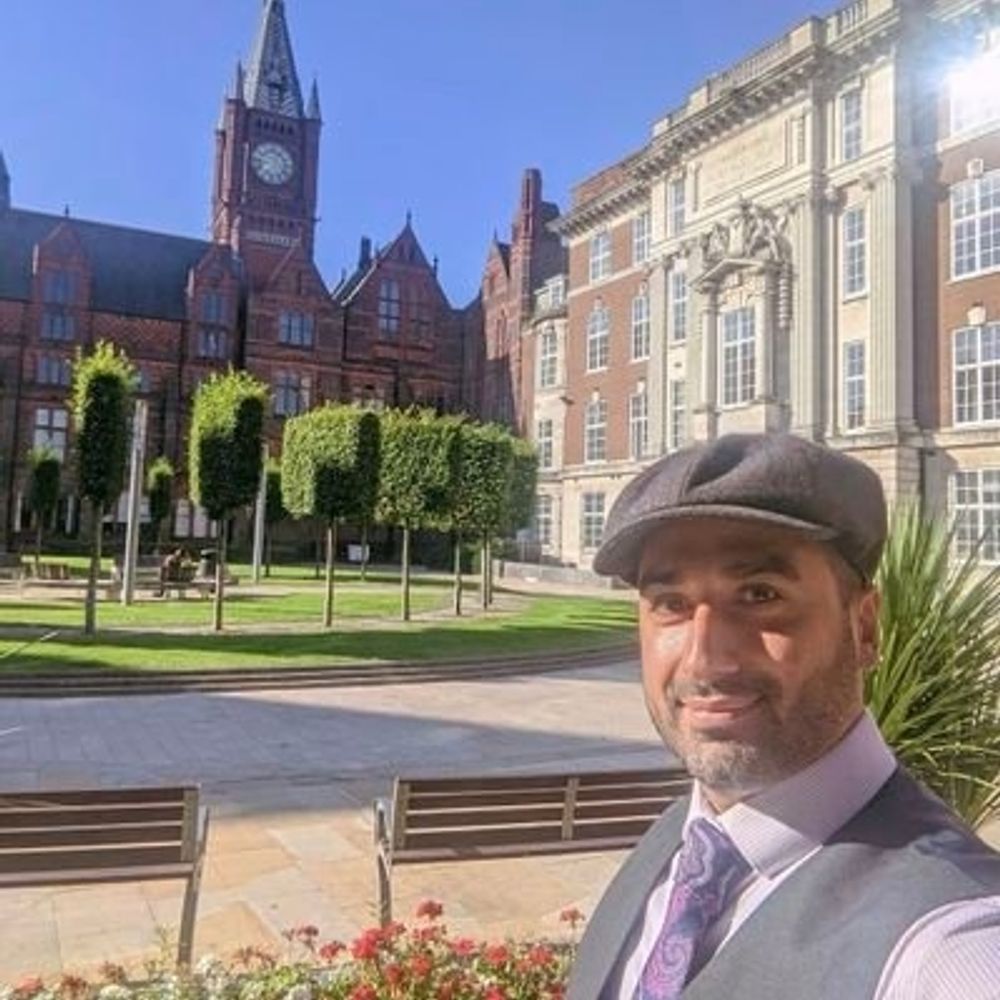
Brave doctors and nurses at Milad Hospital, Isfahan
January 14, 2026 at 5:48 PM
Brave doctors and nurses at Milad Hospital, Isfahan

#IRAN
HAYATOLLAH DEVONO MORIRE MALE
Iranian opposition media report that forces of the Islamic Republic’s Ministry of Intelligence raided Milad Hospital in Isfahan, abducting several doctors who had been providing medical assistance to injured protesters. Their lives are now in serious danger.
HAYATOLLAH DEVONO MORIRE MALE
Iranian opposition media report that forces of the Islamic Republic’s Ministry of Intelligence raided Milad Hospital in Isfahan, abducting several doctors who had been providing medical assistance to injured protesters. Their lives are now in serious danger.
January 14, 2026 at 5:08 PM
#IRAN
HAYATOLLAH DEVONO MORIRE MALE
Iranian opposition media report that forces of the Islamic Republic’s Ministry of Intelligence raided Milad Hospital in Isfahan, abducting several doctors who had been providing medical assistance to injured protesters. Their lives are now in serious danger.
HAYATOLLAH DEVONO MORIRE MALE
Iranian opposition media report that forces of the Islamic Republic’s Ministry of Intelligence raided Milad Hospital in Isfahan, abducting several doctors who had been providing medical assistance to injured protesters. Their lives are now in serious danger.


Iranian opposition media report that forces of the Islamic Republic’s Ministry of Intelligence raided Milad Hospital in Isfahan, abducting several doctors who had been providing medical assistance to injured protesters. Their lives are now in serious danger.

January 14, 2026 at 4:30 PM
Iranian opposition media report that forces of the Islamic Republic’s Ministry of Intelligence raided Milad Hospital in Isfahan, abducting several doctors who had been providing medical assistance to injured protesters. Their lives are now in serious danger.

Iranian regime agents reportedly raided Milad Hospital in Isfahan, abducting doctors who treated wounded protesters, per activist Ilia Hashemi citing local sources. A chilling new level in the crackdown on dissent.

January 14, 2026 at 3:57 PM
Iranian regime agents reportedly raided Milad Hospital in Isfahan, abducting doctors who treated wounded protesters, per activist Ilia Hashemi citing local sources. A chilling new level in the crackdown on dissent.

🚨🚨🚨🪖🇮🇷 L'attivista iraniano Ilia Hashemi: "Le forze del Ministero dell’Intelligence della Repubblica Islamica hanno fatto irruzione all’ospedale Milad di Isfahan rapendo diversi medici che avevano curato manifestanti feriti. Le loro vite sono ora in grave pericolo".
January 14, 2026 at 3:51 PM
🚨🚨🚨🪖🇮🇷 L'attivista iraniano Ilia Hashemi: "Le forze del Ministero dell’Intelligence della Repubblica Islamica hanno fatto irruzione all’ospedale Milad di Isfahan rapendo diversi medici che avevano curato manifestanti feriti. Le loro vite sono ora in grave pericolo".

"URGENT🚨: Islamic Republic Ministry of Intelligence forces raided Milad Hospital in Isfahan, kidnapping several doctors who treated wounded protesters. Their lives are now in grave danger."
#DigitalBlackoutIran #Iran
#DigitalBlackoutIran #Iran

January 14, 2026 at 3:49 PM
"URGENT🚨: Islamic Republic Ministry of Intelligence forces raided Milad Hospital in Isfahan, kidnapping several doctors who treated wounded protesters. Their lives are now in grave danger."
#DigitalBlackoutIran #Iran
#DigitalBlackoutIran #Iran

OPINION: "The evidence is clear: controls we frequently use while driving – temperature, fan speed, windscreen demisting, volume, and many others – should remain tactile," writes Milad Haghani, an associate professor at @unimelb.bsky.social.
Read more: ia.acs.org.au/article/2026...
Read more: ia.acs.org.au/article/2026...

Car touchscreens are dangerous, so buttons are coming back
ANCAP wants vehicle makers to keep physical controls.
ia.acs.org.au
January 13, 2026 at 10:54 PM
OPINION: "The evidence is clear: controls we frequently use while driving – temperature, fan speed, windscreen demisting, volume, and many others – should remain tactile," writes Milad Haghani, an associate professor at @unimelb.bsky.social.
Read more: ia.acs.org.au/article/2026...
Read more: ia.acs.org.au/article/2026...
Yes, those big touchscreens in cars are dangerous and buttons are coming back, Milad Haghani says www.interest.co.nz/technology/1...

The dangers of touchscreens on vehicle dashboards
Yes, those big touchscreens in cars are dangerous and buttons are coming back, Milad Haghani says
www.interest.co.nz
January 13, 2026 at 6:43 PM
Yes, those big touchscreens in cars are dangerous and buttons are coming back, Milad Haghani says www.interest.co.nz/technology/1...

4/7
but an important one for anyone involved in crowd safety, venue design, or public guidance. Read it, here 👉 www.linkedin.com/pulse/key-takeaway-from-tragic-swiss-bar-fire-dont-panic-may-milad-haghani-fjgxc/
Alongside this learning, we have also seen powerful acts of remembrance.
but an important one for anyone involved in crowd safety, venue design, or public guidance. Read it, here 👉 www.linkedin.com/pulse/key-takeaway-from-tragic-swiss-bar-fire-dont-panic-may-milad-haghani-fjgxc/
Alongside this learning, we have also seen powerful acts of remembrance.

A key takeaway from the tragic Swiss bar fire: The “don’t panic” messaging may have unintentionally promoted occupant complacency in fire emergencies
Since the 1990s, at least 16 major nightclub fires have been recorded around the world. The recent incident in Switzerland, which has left at least 40 people dead, is the latest addition to this long ...
www.linkedin.com
January 13, 2026 at 9:30 AM
4/7
but an important one for anyone involved in crowd safety, venue design, or public guidance. Read it, here 👉 www.linkedin.com/pulse/key-takeaway-from-tragic-swiss-bar-fire-dont-panic-may-milad-haghani-fjgxc/
Alongside this learning, we have also seen powerful acts of remembrance.
but an important one for anyone involved in crowd safety, venue design, or public guidance. Read it, here 👉 www.linkedin.com/pulse/key-takeaway-from-tragic-swiss-bar-fire-dont-panic-may-milad-haghani-fjgxc/
Alongside this learning, we have also seen powerful acts of remembrance.
2/7
Associate Professor of Urban Risk, Resilience & Mobility at the University of Melbourne. Drawing on decades of research into fire, evacuation, and human behaviour, Milad examines how the familiar instruction to “don’t panic” can,
Associate Professor of Urban Risk, Resilience & Mobility at the University of Melbourne. Drawing on decades of research into fire, evacuation, and human behaviour, Milad examines how the familiar instruction to “don’t panic” can,
January 13, 2026 at 9:30 AM
2/7
Associate Professor of Urban Risk, Resilience & Mobility at the University of Melbourne. Drawing on decades of research into fire, evacuation, and human behaviour, Milad examines how the familiar instruction to “don’t panic” can,
Associate Professor of Urban Risk, Resilience & Mobility at the University of Melbourne. Drawing on decades of research into fire, evacuation, and human behaviour, Milad examines how the familiar instruction to “don’t panic” can,
1/7
After the Swiss Alps Fire: A Hard Truth About “Don’t Panic”
As the shock of the Crans-Montana bar fire continues to settle, thoughtful analysis is beginning to emerge, alongside acts of remembrance.
We want to draw attention to a powerful reflection by Milad Haghani,
After the Swiss Alps Fire: A Hard Truth About “Don’t Panic”
As the shock of the Crans-Montana bar fire continues to settle, thoughtful analysis is beginning to emerge, alongside acts of remembrance.
We want to draw attention to a powerful reflection by Milad Haghani,
January 13, 2026 at 9:30 AM
1/7
After the Swiss Alps Fire: A Hard Truth About “Don’t Panic”
As the shock of the Crans-Montana bar fire continues to settle, thoughtful analysis is beginning to emerge, alongside acts of remembrance.
We want to draw attention to a powerful reflection by Milad Haghani,
After the Swiss Alps Fire: A Hard Truth About “Don’t Panic”
As the shock of the Crans-Montana bar fire continues to settle, thoughtful analysis is beginning to emerge, alongside acts of remembrance.
We want to draw attention to a powerful reflection by Milad Haghani,
"...Sobhan Hadi-Pour, was shot in the head and remains in critical condition.
...government forces opened fire on protesters... January 7, 2026, resulting in the deaths of Mobin Yaghoubzadeh and Milad Gholamzadeh, a resident of Nowshahr village..."
...government forces opened fire on protesters... January 7, 2026, resulting in the deaths of Mobin Yaghoubzadeh and Milad Gholamzadeh, a resident of Nowshahr village..."
January 13, 2026 at 6:08 AM
"...Sobhan Hadi-Pour, was shot in the head and remains in critical condition.
...government forces opened fire on protesters... January 7, 2026, resulting in the deaths of Mobin Yaghoubzadeh and Milad Gholamzadeh, a resident of Nowshahr village..."
...government forces opened fire on protesters... January 7, 2026, resulting in the deaths of Mobin Yaghoubzadeh and Milad Gholamzadeh, a resident of Nowshahr village..."
"Two residents of Khoshk-e Bijar, a city in Gilan Province, were killed by direct gunfire from Iranian government forces during public protests on Wednesday. The victims have been identified as Mobin Yaghoubzadeh, a 17-year-old teenager, and Milad Gholamzadeh (31)."
hengaw.net/en/news/2026...
hengaw.net/en/news/2026...

Iranian forces open fire, killing 17-year-old and another man in Khoshk-e Bijar, Gilan
hengaw.net
January 13, 2026 at 6:03 AM
"Two residents of Khoshk-e Bijar, a city in Gilan Province, were killed by direct gunfire from Iranian government forces during public protests on Wednesday. The victims have been identified as Mobin Yaghoubzadeh, a 17-year-old teenager, and Milad Gholamzadeh (31)."
hengaw.net/en/news/2026...
hengaw.net/en/news/2026...