



Marcus Buschbeck and Lab
@marcusbuschbeck.bsky.social
Senior Group Leader at Josep Carreras Institute.
Chromatin; Nucleal metabolism; Leukemia; MDS; Drug Targets; Histone variants.
Posting about the lab and the wider scientific community.
More info about us here: www.buschbecklab.org
Chromatin; Nucleal metabolism; Leukemia; MDS; Drug Targets; Histone variants.
Posting about the lab and the wider scientific community.
More info about us here: www.buschbecklab.org
Check out the new profile page of the lab on LinkedIN!
We will post news about:
- Changes in the team composition
- Opportunities
- Where to meet us
- Preprints, publications and theses
Indeed, we have been growing. Find out more here:
www.linkedin.com/company/busc...
We will post news about:
- Changes in the team composition
- Opportunities
- Where to meet us
- Preprints, publications and theses
Indeed, we have been growing. Find out more here:
www.linkedin.com/company/busc...

Buschbeck Lab | LinkedIn
Buschbeck Lab | 50 followers on LinkedIn. We combine basic and applied research in chromatin and metabolism in myeloid malignancies. | We combine basic research and applied research. In our basic rese...
www.linkedin.com
January 28, 2026 at 3:50 PM
Check out the new profile page of the lab on LinkedIN!
We will post news about:
- Changes in the team composition
- Opportunities
- Where to meet us
- Preprints, publications and theses
Indeed, we have been growing. Find out more here:
www.linkedin.com/company/busc...
We will post news about:
- Changes in the team composition
- Opportunities
- Where to meet us
- Preprints, publications and theses
Indeed, we have been growing. Find out more here:
www.linkedin.com/company/busc...
Reposted by Marcus Buschbeck and Lab
As 2025 comes to a close, my university (Dalhousie U in Halifax, Canada) is recruiting faculty, including outstanding early career researchers, and Canada Research Chairs. Applications are due January 19 2026 (was just notified today!). Please repost.

Dalhousie University is recruiting up to 30 tenure and tenure-track faculty positions
Backed by the Government of Canada’s $1.7 billion Global Impact+ Research Talent Initiative, Dalhousie University is undertaking one of the most ambitious research-leader recruitment efforts in its hi...
www.dal.ca
December 19, 2025 at 8:17 PM
As 2025 comes to a close, my university (Dalhousie U in Halifax, Canada) is recruiting faculty, including outstanding early career researchers, and Canada Research Chairs. Applications are due January 19 2026 (was just notified today!). Please repost.
Reposted by Marcus Buschbeck and Lab
Ten days left to apply to be a @crick.ac.uk Early Career Group Leader
Closing date 27th November
www.crick.ac.uk/careers-stud...
Closing date 27th November
www.crick.ac.uk/careers-stud...
November 17, 2025 at 11:55 AM
Ten days left to apply to be a @crick.ac.uk Early Career Group Leader
Closing date 27th November
www.crick.ac.uk/careers-stud...
Closing date 27th November
www.crick.ac.uk/careers-stud...
Last opportunity to join the NUCLEAR network as PhD student in a Biotech environment!

📢 Last chance to join the NUCLEAR project!
Eisbach Bio GmbH is seeking a motivated PhD student to study NAD+ modulation of PARP1/2 in cancer research.
Deadline application: November 27.
Apply here: www.eisbach.bio#175327907442...
Eisbach Bio GmbH is seeking a motivated PhD student to study NAD+ modulation of PARP1/2 in cancer research.
Deadline application: November 27.
Apply here: www.eisbach.bio#175327907442...

November 17, 2025 at 10:03 AM
Last opportunity to join the NUCLEAR network as PhD student in a Biotech environment!
Last opportunity to join the NUCLEAR network as PhD student!
🚀 PhD Opportunity in the NUCLEAR Doctoral Network!
🎓 Eligibility: Applicants must meet the MSCA mobility rule.
📩 Deadline 11 Dec. Apply here:
lnkd.in/eKM8JKeE
🔗 Learn more about our lab: www.rodriguezcolmanlab.org
Please share within your networks! 🌍🧬
🎓 Eligibility: Applicants must meet the MSCA mobility rule.
📩 Deadline 11 Dec. Apply here:
lnkd.in/eKM8JKeE
🔗 Learn more about our lab: www.rodriguezcolmanlab.org
Please share within your networks! 🌍🧬

Rodriguez Colman Lab
Metabolism, Stem cells and Cancer
www.rodriguezcolmanlab.org
November 17, 2025 at 10:03 AM
Last opportunity to join the NUCLEAR network as PhD student!
Reposted by Marcus Buschbeck and Lab

OFERTA DE EMPLEO (por favor difundir):
Ofrecemos un contrato predoctoral de 4 años asociado a nuestro proyecto PID2024-157249OB-I00. El objetivo del proyecto es evaluar un nuevo mecanismo patológico según el cual la competición entre promotores puede llegar a ocasionar enfermedades congénitas
👇
Ofrecemos un contrato predoctoral de 4 años asociado a nuestro proyecto PID2024-157249OB-I00. El objetivo del proyecto es evaluar un nuevo mecanismo patológico según el cual la competición entre promotores puede llegar a ocasionar enfermedades congénitas
👇

November 6, 2025 at 5:24 PM
OFERTA DE EMPLEO (por favor difundir):
Ofrecemos un contrato predoctoral de 4 años asociado a nuestro proyecto PID2024-157249OB-I00. El objetivo del proyecto es evaluar un nuevo mecanismo patológico según el cual la competición entre promotores puede llegar a ocasionar enfermedades congénitas
👇
Ofrecemos un contrato predoctoral de 4 años asociado a nuestro proyecto PID2024-157249OB-I00. El objetivo del proyecto es evaluar un nuevo mecanismo patológico según el cual la competición entre promotores puede llegar a ocasionar enfermedades congénitas
👇
NEW PAPER
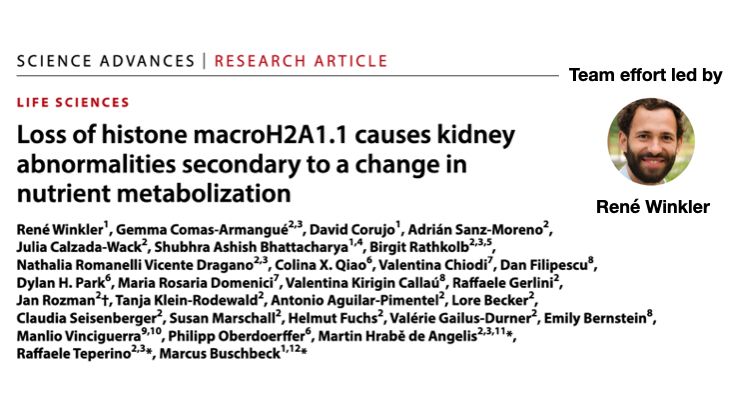
Out in Science Advances: We have dissected the physiological role of all macroH2A histone variants. In mice, loss of macroH2A1.1 specifically results in profound metabolic reprogramming and kidney pathology.
DOI: 10.1126/sciadv.adz1242
Thread 1/7
Out in Science Advances: We have dissected the physiological role of all macroH2A histone variants. In mice, loss of macroH2A1.1 specifically results in profound metabolic reprogramming and kidney pathology.
DOI: 10.1126/sciadv.adz1242
Thread 1/7
October 30, 2025 at 9:56 AM
NEW PAPER
Out in Science Advances: We have dissected the physiological role of all macroH2A histone variants. In mice, loss of macroH2A1.1 specifically results in profound metabolic reprogramming and kidney pathology.
DOI: 10.1126/sciadv.adz1242
Thread 1/7
Out in Science Advances: We have dissected the physiological role of all macroH2A histone variants. In mice, loss of macroH2A1.1 specifically results in profound metabolic reprogramming and kidney pathology.
DOI: 10.1126/sciadv.adz1242
Thread 1/7
True in 9 out of 10 cases.
We (scientists) think we are smart, but we are unable to get past this screen at editorialmanager.com

October 24, 2025 at 2:58 PM
True in 9 out of 10 cases.
MEET THE LAB!
This week our postdoc René Winkler will attend the @febspress.bsky.social workshop 'Molecular and cellular pathways of aging in hematopoiesis' on Crete, Greece.
René will present work led by @shubhra.bsky.social on how cohesin mutations impact MDS progression.
This week our postdoc René Winkler will attend the @febspress.bsky.social workshop 'Molecular and cellular pathways of aging in hematopoiesis' on Crete, Greece.
René will present work led by @shubhra.bsky.social on how cohesin mutations impact MDS progression.

October 20, 2025 at 9:38 AM
MEET THE LAB!
This week our postdoc René Winkler will attend the @febspress.bsky.social workshop 'Molecular and cellular pathways of aging in hematopoiesis' on Crete, Greece.
René will present work led by @shubhra.bsky.social on how cohesin mutations impact MDS progression.
This week our postdoc René Winkler will attend the @febspress.bsky.social workshop 'Molecular and cellular pathways of aging in hematopoiesis' on Crete, Greece.
René will present work led by @shubhra.bsky.social on how cohesin mutations impact MDS progression.
MEET THE LAB
Today Marina Farkas is attending the "Molecular Haemopoiesis" meeting at the Francis Crick Institute in London, UK.
A gathering of researchers studying #blood development, with a particular focus on blood stem cell biology, gene regulation and #leukaemia.
Today Marina Farkas is attending the "Molecular Haemopoiesis" meeting at the Francis Crick Institute in London, UK.
A gathering of researchers studying #blood development, with a particular focus on blood stem cell biology, gene regulation and #leukaemia.

October 20, 2025 at 5:56 AM
MEET THE LAB
Today Marina Farkas is attending the "Molecular Haemopoiesis" meeting at the Francis Crick Institute in London, UK.
A gathering of researchers studying #blood development, with a particular focus on blood stem cell biology, gene regulation and #leukaemia.
Today Marina Farkas is attending the "Molecular Haemopoiesis" meeting at the Francis Crick Institute in London, UK.
A gathering of researchers studying #blood development, with a particular focus on blood stem cell biology, gene regulation and #leukaemia.
Reposted by Marcus Buschbeck and Lab
We are recuiting two new Associate Professors here in Oxford Biochemistry. Come join us! Reach out to me if you have any questions. Please repost! tinyurl.com/mr3m7bd3

October 17, 2025 at 2:56 PM
We are recuiting two new Associate Professors here in Oxford Biochemistry. Come join us! Reach out to me if you have any questions. Please repost! tinyurl.com/mr3m7bd3
Adios and salut to a pioneer!
Sir John Gurdon studied the requirements and barriers of #reprogramming.
Highly relevant for us, with his PhD student Vincent Pasque he showed that macroH2A is part of the epigenetic barrier inhibiting reprogramming.
Our thoughts are with his family and friends.
Sir John Gurdon studied the requirements and barriers of #reprogramming.
Highly relevant for us, with his PhD student Vincent Pasque he showed that macroH2A is part of the epigenetic barrier inhibiting reprogramming.
Our thoughts are with his family and friends.
Sad to hear about the passing of John Gurdon, a titan and pioneer of developmental biology and much more. Winner of the Nobel Prize in Medicine or Physiology, shared with Shinya Yamanaka, who actually was inspired by his work
www.cam.ac.uk/research/new...
www.cam.ac.uk/research/new...

Nobel Laureate Professor Sir John Gurdon dies aged 92
It is with great sadness that the University shares the news of the death of Professor Sir John Gurdon, founder of the Gurdon Institute.
www.cam.ac.uk
October 7, 2025 at 5:13 PM
Adios and salut to a pioneer!
Sir John Gurdon studied the requirements and barriers of #reprogramming.
Highly relevant for us, with his PhD student Vincent Pasque he showed that macroH2A is part of the epigenetic barrier inhibiting reprogramming.
Our thoughts are with his family and friends.
Sir John Gurdon studied the requirements and barriers of #reprogramming.
Highly relevant for us, with his PhD student Vincent Pasque he showed that macroH2A is part of the epigenetic barrier inhibiting reprogramming.
Our thoughts are with his family and friends.
NEW TEAM MEMBER!
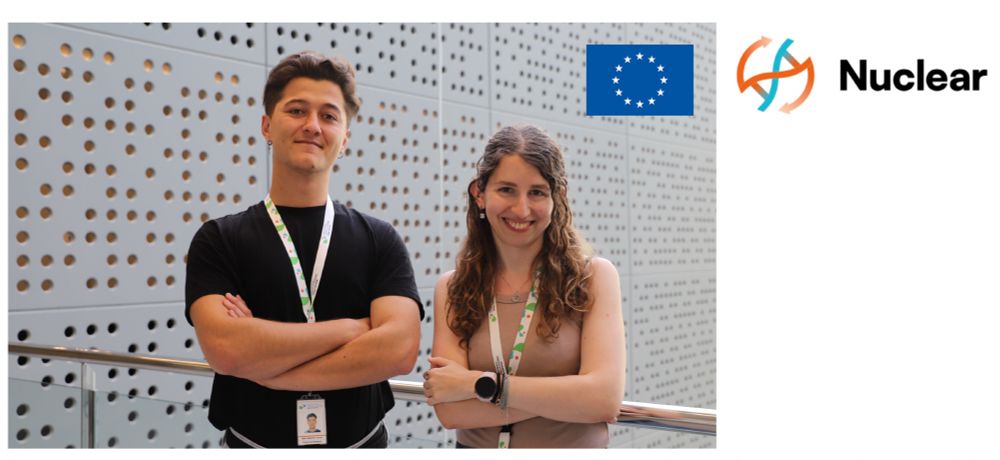
We welcome Bedri Batuhan Yaman to the group. Bedri will study the role of nuclear metabolism in #AML. He is co-supervised by @florherbstein.bsky.social and fellow of the MSCA @nucleardn.bsky.social.
Bedri is alumnus of @viblifesciences.bsky.social (Belgium) and NeuroBM (Turkey).
We welcome Bedri Batuhan Yaman to the group. Bedri will study the role of nuclear metabolism in #AML. He is co-supervised by @florherbstein.bsky.social and fellow of the MSCA @nucleardn.bsky.social.
Bedri is alumnus of @viblifesciences.bsky.social (Belgium) and NeuroBM (Turkey).
October 3, 2025 at 11:17 AM
NEW TEAM MEMBER!
We welcome Bedri Batuhan Yaman to the group. Bedri will study the role of nuclear metabolism in #AML. He is co-supervised by @florherbstein.bsky.social and fellow of the MSCA @nucleardn.bsky.social.
Bedri is alumnus of @viblifesciences.bsky.social (Belgium) and NeuroBM (Turkey).
We welcome Bedri Batuhan Yaman to the group. Bedri will study the role of nuclear metabolism in #AML. He is co-supervised by @florherbstein.bsky.social and fellow of the MSCA @nucleardn.bsky.social.
Bedri is alumnus of @viblifesciences.bsky.social (Belgium) and NeuroBM (Turkey).
Reposted by Marcus Buschbeck and Lab
Looking for scientists working with long-read transcriptomics technologies to join a COST action proposal. Contact us!!! @nanoporetech.com @pacbio.bsky.social

October 2, 2025 at 5:25 PM
Looking for scientists working with long-read transcriptomics technologies to join a COST action proposal. Contact us!!! @nanoporetech.com @pacbio.bsky.social
Reposted by Marcus Buschbeck and Lab
We have a new PhD studentship in the lab on the immunogenic roles of transposable elements in paediatric acute myeloid leukaemia! Come and work with us! www.colcc.ac.uk/2026-cyp-phd...
October 2, 2025 at 6:51 PM
We have a new PhD studentship in the lab on the immunogenic roles of transposable elements in paediatric acute myeloid leukaemia! Come and work with us! www.colcc.ac.uk/2026-cyp-phd...
FAREWELL!
After 6 month of Master research, Francesco B. Ciriscioli is returning to his home university in Triest, Italy.
Thank you, Francesco, for your interesting results and for having enriched our group with your kind personality. We wish you all the best!
After 6 month of Master research, Francesco B. Ciriscioli is returning to his home university in Triest, Italy.
Thank you, Francesco, for your interesting results and for having enriched our group with your kind personality. We wish you all the best!

October 2, 2025 at 9:21 AM
FAREWELL!
After 6 month of Master research, Francesco B. Ciriscioli is returning to his home university in Triest, Italy.
Thank you, Francesco, for your interesting results and for having enriched our group with your kind personality. We wish you all the best!
After 6 month of Master research, Francesco B. Ciriscioli is returning to his home university in Triest, Italy.
Thank you, Francesco, for your interesting results and for having enriched our group with your kind personality. We wish you all the best!
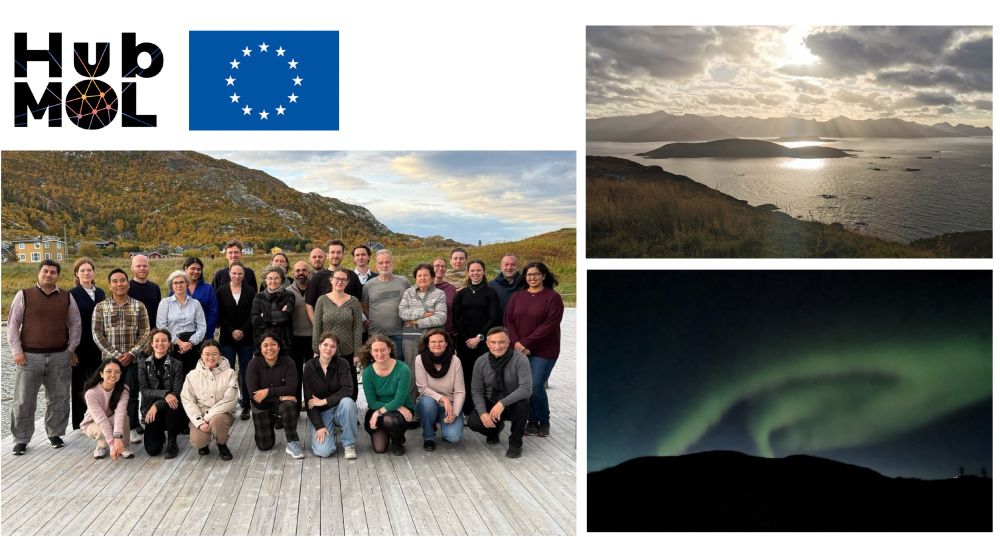
Great weather at daytime and northern lights at night time illuminate the scientific kick-off of the #HubMOL #MSCA doctoral network. On Someroy, a small island at the Artic Coast of Norway, we learn about the dual role of molecules such as NAD and SAM in signalling and metabolism.
October 1, 2025 at 9:44 AM
MEET THE LAB!
During the next 3 days, I am in northern Norway at the kick-off workshop of the HubMOL consortium. This MSCA doctoral network coordinated by Ines Heiland, University of Tromsø, aims to gain a better understanding of the dual role of NAD, CoA and co. in metabolism and signalling.
During the next 3 days, I am in northern Norway at the kick-off workshop of the HubMOL consortium. This MSCA doctoral network coordinated by Ines Heiland, University of Tromsø, aims to gain a better understanding of the dual role of NAD, CoA and co. in metabolism and signalling.

September 30, 2025 at 4:22 AM
MEET THE LAB!
During the next 3 days, I am in northern Norway at the kick-off workshop of the HubMOL consortium. This MSCA doctoral network coordinated by Ines Heiland, University of Tromsø, aims to gain a better understanding of the dual role of NAD, CoA and co. in metabolism and signalling.
During the next 3 days, I am in northern Norway at the kick-off workshop of the HubMOL consortium. This MSCA doctoral network coordinated by Ines Heiland, University of Tromsø, aims to gain a better understanding of the dual role of NAD, CoA and co. in metabolism and signalling.
Reposted by Marcus Buschbeck and Lab

What a great first day at the GfG symposium on epigenetics & chromatin. Fantastic talks by @akispapantonis.bsky.social , @apombo1.bsky.social, @marcusbuschbeck.bsky.social and Philipp Korber. And Peter Becker giving the Max-Delbrueck lecture. A real treat for the audience!

Looking forward to exciting talks at the GfG Symposium in Gießen.
Already found a poster, featuring my favourite gene: SMARCAD1, by Jacqueline Mermoud
#epigenomics @diagenode.bsky.social @gfgenetik.bsky.social
Already found a poster, featuring my favourite gene: SMARCAD1, by Jacqueline Mermoud
#epigenomics @diagenode.bsky.social @gfgenetik.bsky.social

September 24, 2025 at 7:23 PM
What a great first day at the GfG symposium on epigenetics & chromatin. Fantastic talks by @akispapantonis.bsky.social , @apombo1.bsky.social, @marcusbuschbeck.bsky.social and Philipp Korber. And Peter Becker giving the Max-Delbrueck lecture. A real treat for the audience!
NEW DOCTOR IN TOWN!
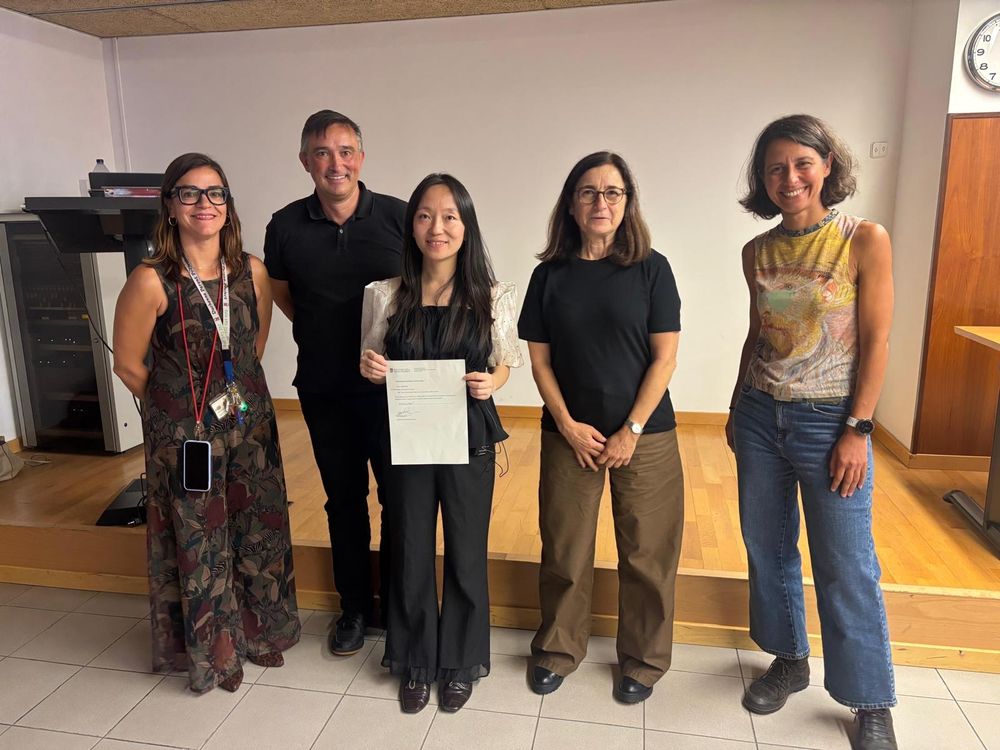
Congratulations to Lejuan Shi from Sonia Forcales' lab who has defended her thesis today.
As chair of her defense committee with Concepcio Soler and @tanyavavouri.bsky.social, I had the opportunity to discuss with Lejuan about the role of lncRNAs in cancer.
Congratulations to Lejuan Shi from Sonia Forcales' lab who has defended her thesis today.
As chair of her defense committee with Concepcio Soler and @tanyavavouri.bsky.social, I had the opportunity to discuss with Lejuan about the role of lncRNAs in cancer.

September 9, 2025 at 5:09 PM
NEW DOCTOR IN TOWN!
Congratulations to Lejuan Shi from Sonia Forcales' lab who has defended her thesis today.
As chair of her defense committee with Concepcio Soler and @tanyavavouri.bsky.social, I had the opportunity to discuss with Lejuan about the role of lncRNAs in cancer.
Congratulations to Lejuan Shi from Sonia Forcales' lab who has defended her thesis today.
As chair of her defense committee with Concepcio Soler and @tanyavavouri.bsky.social, I had the opportunity to discuss with Lejuan about the role of lncRNAs in cancer.
NEW LAB MEMBER!
We welcome @florherbstein.bsky.social who is joining us as a @carrerasleaders.bsky.social Postdoctoral Fellow. She is alumni of #IBioBA-MPSP and the University of Buenos Aires.
She will study how nuclear metabolism influences proliferation and therapy resistance in AML.
We welcome @florherbstein.bsky.social who is joining us as a @carrerasleaders.bsky.social Postdoctoral Fellow. She is alumni of #IBioBA-MPSP and the University of Buenos Aires.
She will study how nuclear metabolism influences proliferation and therapy resistance in AML.

August 27, 2025 at 2:22 PM
NEW LAB MEMBER!
We welcome @florherbstein.bsky.social who is joining us as a @carrerasleaders.bsky.social Postdoctoral Fellow. She is alumni of #IBioBA-MPSP and the University of Buenos Aires.
She will study how nuclear metabolism influences proliferation and therapy resistance in AML.
We welcome @florherbstein.bsky.social who is joining us as a @carrerasleaders.bsky.social Postdoctoral Fellow. She is alumni of #IBioBA-MPSP and the University of Buenos Aires.
She will study how nuclear metabolism influences proliferation and therapy resistance in AML.
Last 10 days to apply for this PhD position in medicinal chemistry!
OPPORTUNITY for a CHEMIST to JOIN US
Are you interested in:
👍 Computer-aided ligand design
👍 Organic synthesis
👍 Biomedicine
👍 Drug development
👍 A multidisciplinary team
👍 And a PhD in Barcelona
Then check this out!
rb.gy/nc3lf3
Are you interested in:
👍 Computer-aided ligand design
👍 Organic synthesis
👍 Biomedicine
👍 Drug development
👍 A multidisciplinary team
👍 And a PhD in Barcelona
Then check this out!
rb.gy/nc3lf3
VAC_61_2025 - CHEMISTRY RESEARCH ASSISTANT IN TRAINING - Institut de Recerca contra la Leucèmia Josep Carreras
Join the Josep Carreras Leukaemia Research Institute and contribute to our mission of innovating and advancing the fight against leukaemia and other hematologic diseases.
rb.gy
August 20, 2025 at 3:34 PM
Last 10 days to apply for this PhD position in medicinal chemistry!
OPPORTUNITY for a CHEMIST to JOIN US
Are you interested in:
👍 Computer-aided ligand design
👍 Organic synthesis
👍 Biomedicine
👍 Drug development
👍 A multidisciplinary team
👍 And a PhD in Barcelona
Then check this out!
rb.gy/nc3lf3
Are you interested in:
👍 Computer-aided ligand design
👍 Organic synthesis
👍 Biomedicine
👍 Drug development
👍 A multidisciplinary team
👍 And a PhD in Barcelona
Then check this out!
rb.gy/nc3lf3
VAC_61_2025 - CHEMISTRY RESEARCH ASSISTANT IN TRAINING - Institut de Recerca contra la Leucèmia Josep Carreras
Join the Josep Carreras Leukaemia Research Institute and contribute to our mission of innovating and advancing the fight against leukaemia and other hematologic diseases.
rb.gy
July 25, 2025 at 9:02 AM
OPPORTUNITY for a CHEMIST to JOIN US
Are you interested in:
👍 Computer-aided ligand design
👍 Organic synthesis
👍 Biomedicine
👍 Drug development
👍 A multidisciplinary team
👍 And a PhD in Barcelona
Then check this out!
rb.gy/nc3lf3
Are you interested in:
👍 Computer-aided ligand design
👍 Organic synthesis
👍 Biomedicine
👍 Drug development
👍 A multidisciplinary team
👍 And a PhD in Barcelona
Then check this out!
rb.gy/nc3lf3
'NEW' LAB MEMBER!
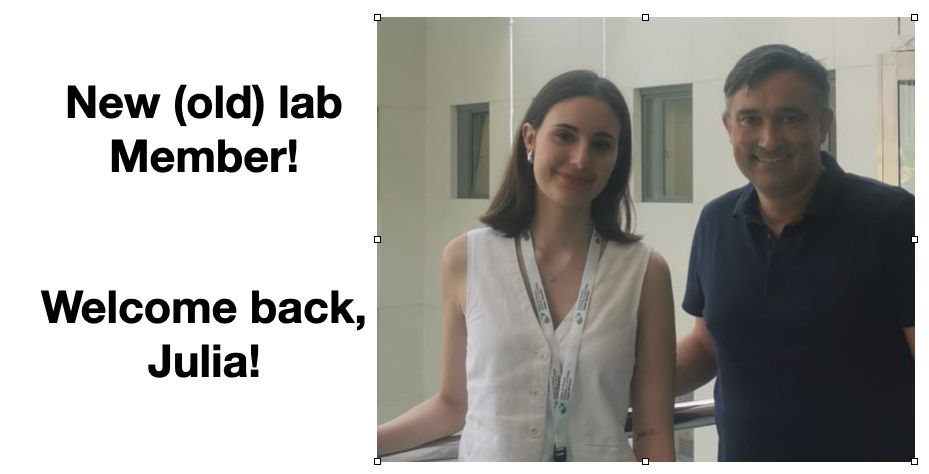
Our 2022 technician trainee Julia Ledesma is back. Julia is using the summer break of her biology studies at the University of Barcelona to help us advancing our projects as auxiliary technician. Thanks a lot, Julia.
Our 2022 technician trainee Julia Ledesma is back. Julia is using the summer break of her biology studies at the University of Barcelona to help us advancing our projects as auxiliary technician. Thanks a lot, Julia.
July 23, 2025 at 10:26 AM
'NEW' LAB MEMBER!
Our 2022 technician trainee Julia Ledesma is back. Julia is using the summer break of her biology studies at the University of Barcelona to help us advancing our projects as auxiliary technician. Thanks a lot, Julia.
Our 2022 technician trainee Julia Ledesma is back. Julia is using the summer break of her biology studies at the University of Barcelona to help us advancing our projects as auxiliary technician. Thanks a lot, Julia.
Poster presentations by professors and group leaders for politicians.
Maybe something we scientists should do in every country to make sure our elected representatives know what we are aiming to do.
Maybe something we scientists should do in every country to make sure our elected representatives know what we are aiming to do.
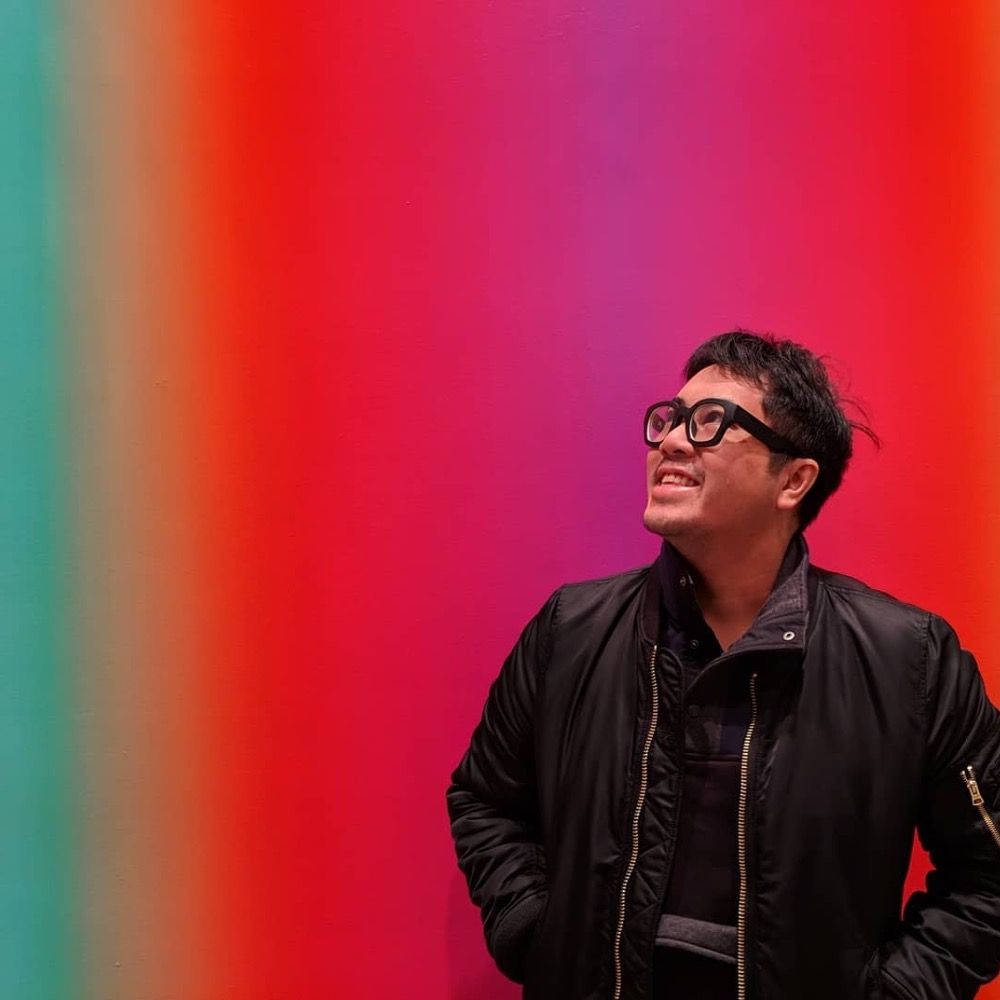
BREAKING: Scientists are staging a “science fair” in the lobby of a Congressional building to tell elected officials about the critical knowledge the US will lose because their research grants have been canceled.
July 8, 2025 at 5:12 PM
Poster presentations by professors and group leaders for politicians.
Maybe something we scientists should do in every country to make sure our elected representatives know what we are aiming to do.
Maybe something we scientists should do in every country to make sure our elected representatives know what we are aiming to do.