


Dr Stephan Lautenschlager
@palaeostephan.bsky.social
Associate Professor in Palaeobiology @ University of Birmingham,
Research Lead @ Lapworth Museum of Geology,
vertebrate palaeontologist, dinosaurs, digital visualisation, biomechanics & functional morphology
🦕🐶🌱🇪🇺
Research Lead @ Lapworth Museum of Geology,
vertebrate palaeontologist, dinosaurs, digital visualisation, biomechanics & functional morphology
🦕🐶🌱🇪🇺
Reposted by Dr Stephan Lautenschlager
(1) Long 🧵 Time.
Today we learned that paleontologist Jack Horner (the same guy who helped give us "Jurassic Park") is in the Epstein Files. As a paleontologist, I feel compelled to say something because this touches my field and I want to make my stance clear on this...
Today we learned that paleontologist Jack Horner (the same guy who helped give us "Jurassic Park") is in the Epstein Files. As a paleontologist, I feel compelled to say something because this touches my field and I want to make my stance clear on this...
February 1, 2026 at 9:13 PM
(1) Long 🧵 Time.
Today we learned that paleontologist Jack Horner (the same guy who helped give us "Jurassic Park") is in the Epstein Files. As a paleontologist, I feel compelled to say something because this touches my field and I want to make my stance clear on this...
Today we learned that paleontologist Jack Horner (the same guy who helped give us "Jurassic Park") is in the Epstein Files. As a paleontologist, I feel compelled to say something because this touches my field and I want to make my stance clear on this...
“But I think it is naive, frankly, to say that we should get rid of him because he’s a bad person. I’m afraid there’s many bad people around, but they have made scientific advances.” - the carte blanche for every bully in academia…

Musk should remain member of UK Royal Society, says president ft.trib.al/tC0vaAa

Musk should remain member of UK Royal Society, says president
Paul Nurse tells FT that national science academy should avoid ‘making judgments’ about ‘character’ of fellows
ft.trib.al
January 9, 2026 at 6:24 PM
“But I think it is naive, frankly, to say that we should get rid of him because he’s a bad person. I’m afraid there’s many bad people around, but they have made scientific advances.” - the carte blanche for every bully in academia…
Reposted by Dr Stephan Lautenschlager

DFG erlaubt Einsatz von KI in der Begutachtung.
Wenn wir jetzt noch die AI dazu kriegen, die komplette Forschung zu machen, haben wir den Menschen komplett von der Last des Forschungsprozzeses befreit und er kann sich komplett auf wichtige Dinge wie Reisekostenerstattungsanträge konzentrieren.
Wenn wir jetzt noch die AI dazu kriegen, die komplette Forschung zu machen, haben wir den Menschen komplett von der Last des Forschungsprozzeses befreit und er kann sich komplett auf wichtige Dinge wie Reisekostenerstattungsanträge konzentrieren.

Künstliche Intelligenz in der Begutachtung
www.dfg.de
January 8, 2026 at 10:16 AM
DFG erlaubt Einsatz von KI in der Begutachtung.
Wenn wir jetzt noch die AI dazu kriegen, die komplette Forschung zu machen, haben wir den Menschen komplett von der Last des Forschungsprozzeses befreit und er kann sich komplett auf wichtige Dinge wie Reisekostenerstattungsanträge konzentrieren.
Wenn wir jetzt noch die AI dazu kriegen, die komplette Forschung zu machen, haben wir den Menschen komplett von der Last des Forschungsprozzeses befreit und er kann sich komplett auf wichtige Dinge wie Reisekostenerstattungsanträge konzentrieren.
Reposted by Dr Stephan Lautenschlager

Cutting lines or even whole departments is the frontal assault on higher ed, but another low key war of attrition is the slow accumulation of grinding, meaningless additional tasks concerning syllabus templates, learning outcomes, institutional pablum, and ever more intricate evaluation hoops.
June 11, 2025 at 9:51 PM
Cutting lines or even whole departments is the frontal assault on higher ed, but another low key war of attrition is the slow accumulation of grinding, meaningless additional tasks concerning syllabus templates, learning outcomes, institutional pablum, and ever more intricate evaluation hoops.
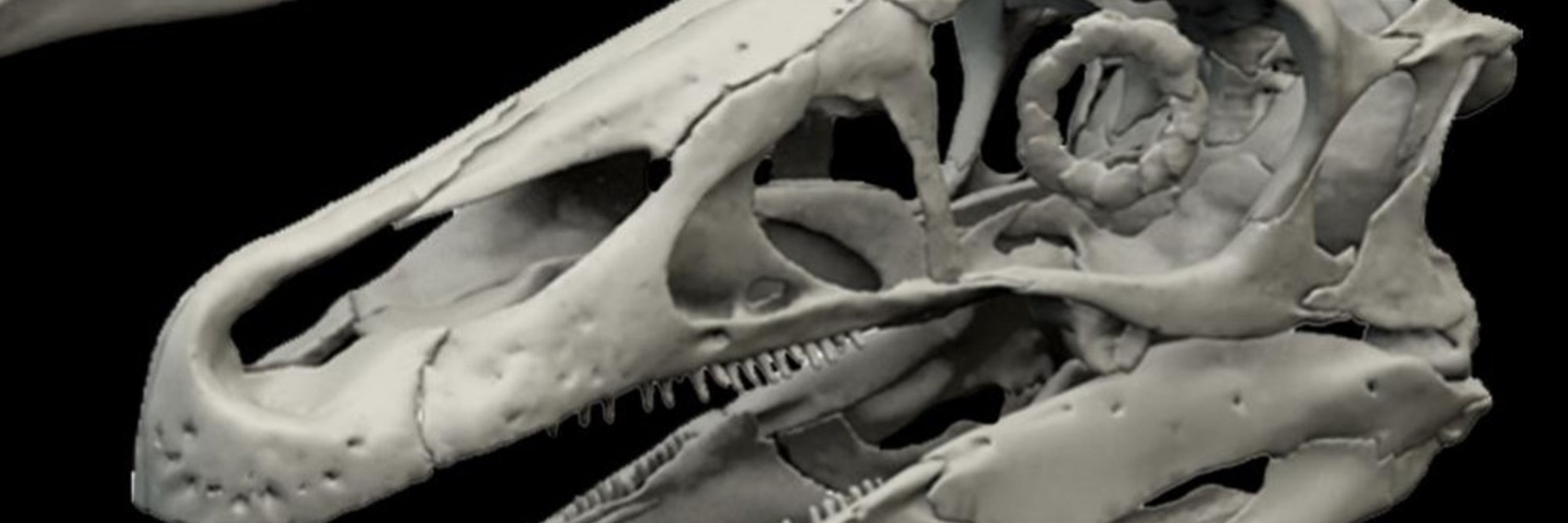
Why such a long face? In our new paper, we quantified dinosaur skull geometry and proportions and tested their functional impact. www.cell.com/iscience/ful...
(Artwork by Andy Frazer @dragonsofwales.bsky.social)
1/5
(Artwork by Andy Frazer @dragonsofwales.bsky.social)
1/5

December 1, 2025 at 2:41 PM
Why such a long face? In our new paper, we quantified dinosaur skull geometry and proportions and tested their functional impact. www.cell.com/iscience/ful...
(Artwork by Andy Frazer @dragonsofwales.bsky.social)
1/5
(Artwork by Andy Frazer @dragonsofwales.bsky.social)
1/5
Check out Andy’s excellent reconstructions of jawless fish for our latest exhibition @lapworthmuseum.bsky.social!
No. I don’t just draw dinosaurs! These illustrations were commissioned for the Feeding Without Jaws Exhibition at @lapworthmuseum.bsky.social Check out their website - www.birmingham.ac.uk/events/feedi... - for more details of the exhibition, which runs until the end of February. (1/4)

November 29, 2025 at 4:24 PM
Check out Andy’s excellent reconstructions of jawless fish for our latest exhibition @lapworthmuseum.bsky.social!
Honoured to have contributed to a new paper in @currentbiology.bsky.social led by Mario Bronzati and lots of excellent and brainy (yes, pun intended) colleagues, showing that pterosaurs and birds evolved flight-capable brains but in different ways. www.cell.com/current-biol...


November 27, 2025 at 9:59 AM
Honoured to have contributed to a new paper in @currentbiology.bsky.social led by Mario Bronzati and lots of excellent and brainy (yes, pun intended) colleagues, showing that pterosaurs and birds evolved flight-capable brains but in different ways. www.cell.com/current-biol...
Reposted by Dr Stephan Lautenschlager

Thinking about #dinosaurs? Didn't get a chance to celebrate their 200th birthday last year? Well, our Temporary #Exhibition curated by @palaeostephan.bsky.social has now gone virtual!
Find 'Bringing dinosaurs back to life: 200 years of research' on our Virtual #Museum: ow.ly/Ryt550XvLCA
Find 'Bringing dinosaurs back to life: 200 years of research' on our Virtual #Museum: ow.ly/Ryt550XvLCA

November 21, 2025 at 2:30 PM
Thinking about #dinosaurs? Didn't get a chance to celebrate their 200th birthday last year? Well, our Temporary #Exhibition curated by @palaeostephan.bsky.social has now gone virtual!
Find 'Bringing dinosaurs back to life: 200 years of research' on our Virtual #Museum: ow.ly/Ryt550XvLCA
Find 'Bringing dinosaurs back to life: 200 years of research' on our Virtual #Museum: ow.ly/Ryt550XvLCA
#SVP2025 was finally an opportunity to show the excellent reconstructions of Dysalotosaurus created by @dragonsofwales.bsky.social

November 15, 2025 at 7:56 PM
#SVP2025 was finally an opportunity to show the excellent reconstructions of Dysalotosaurus created by @dragonsofwales.bsky.social
If you are attending #SVP2025 #2025SVP make sure to visit the stall of the @lapworthmuseum.bsky.social for some exclusive merchandise featuring some jawless fish designs!


November 12, 2025 at 11:19 AM
If you are attending #SVP2025 #2025SVP make sure to visit the stall of the @lapworthmuseum.bsky.social for some exclusive merchandise featuring some jawless fish designs!
Reposted by Dr Stephan Lautenschlager
Feeding Without Jaws opens this Wednesday!
Our temporary #exhibition tells the immersive story of our ancestors, jawless fish. Find out about why these ancient fish have fascinated palaeontologists, & what new discoveries have been made about them.
www.birmingham.ac.uk...
#LapworthRocks
Our temporary #exhibition tells the immersive story of our ancestors, jawless fish. Find out about why these ancient fish have fascinated palaeontologists, & what new discoveries have been made about them.
www.birmingham.ac.uk...
#LapworthRocks

November 10, 2025 at 4:00 PM
Feeding Without Jaws opens this Wednesday!
Our temporary #exhibition tells the immersive story of our ancestors, jawless fish. Find out about why these ancient fish have fascinated palaeontologists, & what new discoveries have been made about them.
www.birmingham.ac.uk...
#LapworthRocks
Our temporary #exhibition tells the immersive story of our ancestors, jawless fish. Find out about why these ancient fish have fascinated palaeontologists, & what new discoveries have been made about them.
www.birmingham.ac.uk...
#LapworthRocks
Attending #2025SVP #SVP2025? Interested in Palaeozoic fish and temnospondyls, dinosaurs old and new, sabre-tooth cats, biomechanics, biogeography, museum ethics, etc? Don't look any further, the Lautenschlager Lab got you covered - thanks to a lot of hard work by students, post-docs and colleagues!

November 10, 2025 at 12:32 PM
Very happy to have contributed two papers to this Special Issue on Sabertooths:

October 9, 2025 at 6:19 PM
Very happy to have contributed two papers to this Special Issue on Sabertooths:
Reposted by Dr Stephan Lautenschlager

As we see so often in research, bullies and abusers do terrible things while everyone who could stop them wrings their hands and gives free speech platitudes just so they don't have to act with unity and strength.
This is just another example of academic inequalities and harms writ large. Appalling
This is just another example of academic inequalities and harms writ large. Appalling
October 1, 2025 at 5:12 PM
As we see so often in research, bullies and abusers do terrible things while everyone who could stop them wrings their hands and gives free speech platitudes just so they don't have to act with unity and strength.
This is just another example of academic inequalities and harms writ large. Appalling
This is just another example of academic inequalities and harms writ large. Appalling
Reposted by Dr Stephan Lautenschlager
He should have been expelled. This is way more than policing opinions.
- Inciting violence at far right rallies
- Interfering in government affairs
- Destroying health and science infrastructures
- Ensuring thousands will die
Abusers, excused and enabled by craven others, always grow in power.
- Inciting violence at far right rallies
- Interfering in government affairs
- Destroying health and science infrastructures
- Ensuring thousands will die
Abusers, excused and enabled by craven others, always grow in power.

"I am increasingly concerned over threats to the values that allow science to flourish." Read the full statement from the President of the Royal Society Sir Adrian Smith: royalsociety.org/news/2025/10...

A statement from the President of the Royal Society | Royal Society
A statement from the President of the Royal Society regarding threats to the values that allow science to flourish.
royalsociety.org
October 1, 2025 at 5:10 PM
He should have been expelled. This is way more than policing opinions.
- Inciting violence at far right rallies
- Interfering in government affairs
- Destroying health and science infrastructures
- Ensuring thousands will die
Abusers, excused and enabled by craven others, always grow in power.
- Inciting violence at far right rallies
- Interfering in government affairs
- Destroying health and science infrastructures
- Ensuring thousands will die
Abusers, excused and enabled by craven others, always grow in power.
Reposted by Dr Stephan Lautenschlager
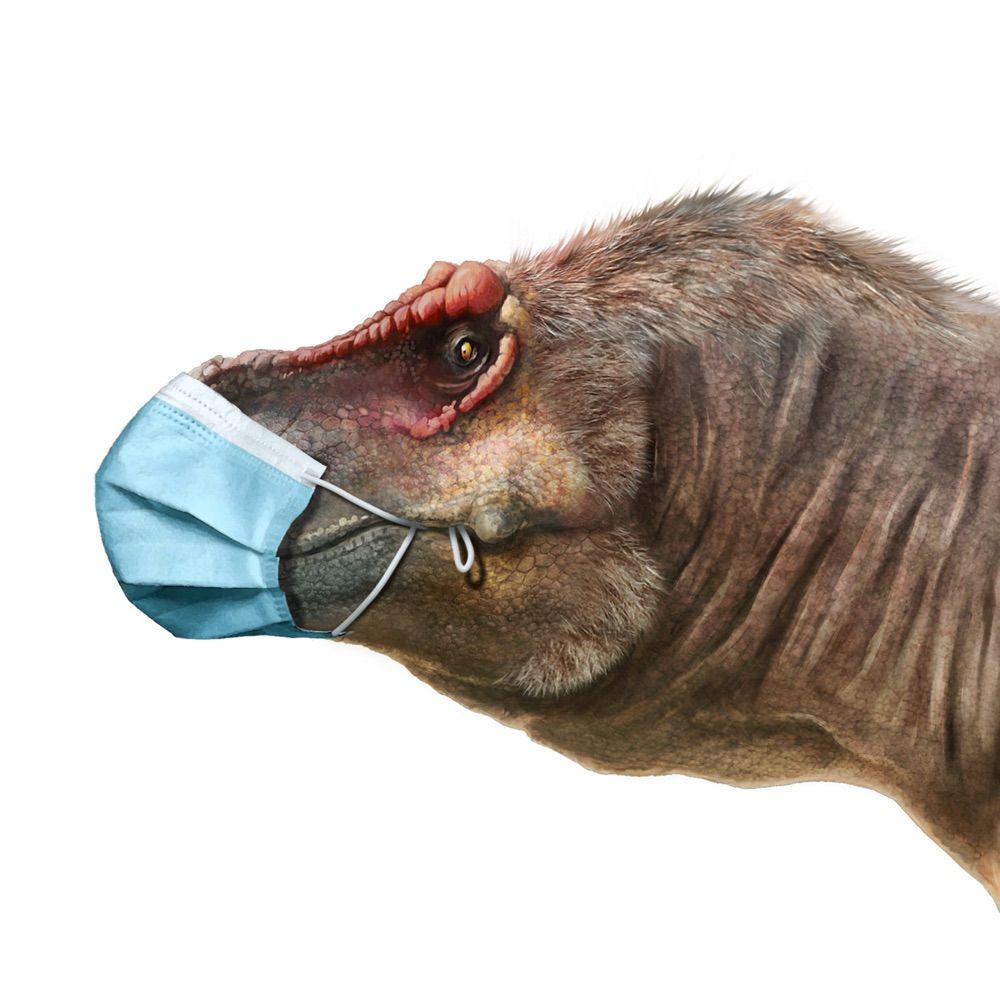
Until a few weeks ago I knew next to nothing about early Devonian jawless fish. To be honest, I still know shamefully little about them. But I’m currently illustrating a bunch of them, and have become utterly fascinated by these extraordinary little freaks.
Anyway, just saying 🤷♂️
Anyway, just saying 🤷♂️
September 23, 2025 at 2:39 PM
Until a few weeks ago I knew next to nothing about early Devonian jawless fish. To be honest, I still know shamefully little about them. But I’m currently illustrating a bunch of them, and have become utterly fascinated by these extraordinary little freaks.
Anyway, just saying 🤷♂️
Anyway, just saying 🤷♂️
Reposted by Dr Stephan Lautenschlager

Is it really *that hard* to say that it is totally morally wrong to say to people who have come here legally, worked, paid taxes, built their lives here, contributed to Britain, that they have to fuck off now, rather than "unfunded".

Keir Starmer’s spokesperson asked for the PM's response to Nigel Farage’s plan to deport hundreds of thousands of people living and working completely legally in the UK, replies that he thinks it is “unworkable” and “unfunded”.
So his objection is that they’ve got their sums wrong
So his objection is that they’ve got their sums wrong
September 22, 2025 at 1:52 PM
Is it really *that hard* to say that it is totally morally wrong to say to people who have come here legally, worked, paid taxes, built their lives here, contributed to Britain, that they have to fuck off now, rather than "unfunded".
Reposted by Dr Stephan Lautenschlager
That feeling of desperately wanting your elected government to loudly call out racism & far right violent extremists...
And nothing.
Labour so afraid to lose power, it has forgotten both how to use it & that with power comes responsibility.
As America gets ever darker, too little light here.
And nothing.
Labour so afraid to lose power, it has forgotten both how to use it & that with power comes responsibility.
As America gets ever darker, too little light here.


September 14, 2025 at 8:17 AM
That feeling of desperately wanting your elected government to loudly call out racism & far right violent extremists...
And nothing.
Labour so afraid to lose power, it has forgotten both how to use it & that with power comes responsibility.
As America gets ever darker, too little light here.
And nothing.
Labour so afraid to lose power, it has forgotten both how to use it & that with power comes responsibility.
As America gets ever darker, too little light here.
Reposted by Dr Stephan Lautenschlager

Expect more silence from the Royal Society in the face of their most notorious fellow advocating for the overthrow of the democratically elected government of a country he is neither a citizen nor a resident of (yet he is a fellow of their most prestigious learned society).
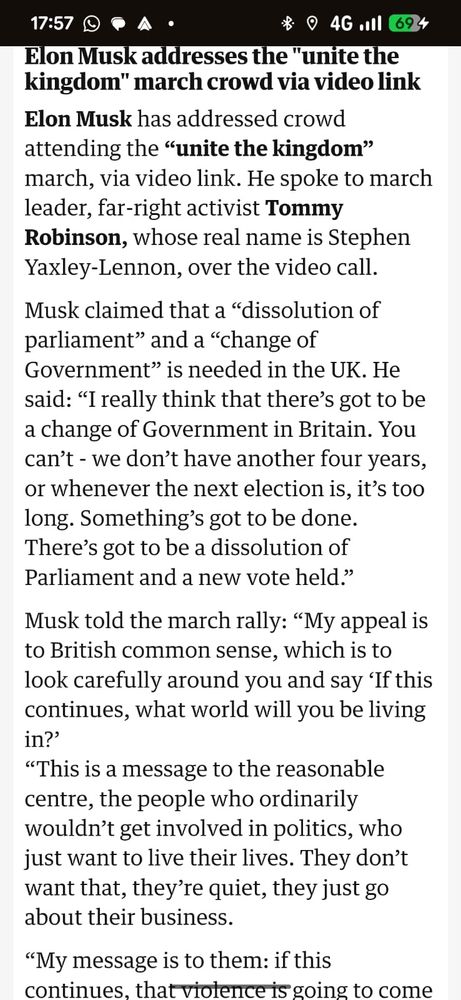
September 13, 2025 at 5:42 PM
Expect more silence from the Royal Society in the face of their most notorious fellow advocating for the overthrow of the democratically elected government of a country he is neither a citizen nor a resident of (yet he is a fellow of their most prestigious learned society).
Reposted by Dr Stephan Lautenschlager
@palaeostephan.bsky.social - you might enjoy this one. 😉
Erlikosaurus andrewsi.
A portrait of the Asian therizinosaurid.
A portrait of the Asian therizinosaurid.

July 4, 2025 at 11:48 AM
@palaeostephan.bsky.social - you might enjoy this one. 😉
Reposted by Dr Stephan Lautenschlager

Should All Earth Scientists Be Vegan?
Watch our full discussion with Earth Scientist & Geophysicist Chris MacAskill from Viva Longevity on the PBN YouTube channel 📺🌱
Watch our full discussion with Earth Scientist & Geophysicist Chris MacAskill from Viva Longevity on the PBN YouTube channel 📺🌱
June 19, 2025 at 4:04 PM
Should All Earth Scientists Be Vegan?
Watch our full discussion with Earth Scientist & Geophysicist Chris MacAskill from Viva Longevity on the PBN YouTube channel 📺🌱
Watch our full discussion with Earth Scientist & Geophysicist Chris MacAskill from Viva Longevity on the PBN YouTube channel 📺🌱
Reposted by Dr Stephan Lautenschlager
Megalosaurus: an illustration for an exhibition last year at Lapworth Museum to mark 200 years since it was officially described.

May 15, 2025 at 6:52 PM
Megalosaurus: an illustration for an exhibition last year at Lapworth Museum to mark 200 years since it was officially described.
Reposted by Dr Stephan Lautenschlager

The Prime Minister imitating Enoch Powell’s ‘Rivers of Blood’ speech is sickening.
That speech fuelled decades of racism and division. Echoing it today is a disgrace. It adds to anti-migrant rhetoric that puts lives at risk.
Shame on you, Keir Starmer.
That speech fuelled decades of racism and division. Echoing it today is a disgrace. It adds to anti-migrant rhetoric that puts lives at risk.
Shame on you, Keir Starmer.
May 12, 2025 at 12:50 PM
The Prime Minister imitating Enoch Powell’s ‘Rivers of Blood’ speech is sickening.
That speech fuelled decades of racism and division. Echoing it today is a disgrace. It adds to anti-migrant rhetoric that puts lives at risk.
Shame on you, Keir Starmer.
That speech fuelled decades of racism and division. Echoing it today is a disgrace. It adds to anti-migrant rhetoric that puts lives at risk.
Shame on you, Keir Starmer.
Reposted by Dr Stephan Lautenschlager

You are a "citizen of nowhere", they said.
A "queue-jumper", they said.
Now I am a "squalid chapter", they say.
A risk as I might make this an "island of strangers", they say.
I am "pulling the country apart", they say.
A "queue-jumper", they said.
Now I am a "squalid chapter", they say.
A risk as I might make this an "island of strangers", they say.
I am "pulling the country apart", they say.
May 12, 2025 at 8:46 AM
You are a "citizen of nowhere", they said.
A "queue-jumper", they said.
Now I am a "squalid chapter", they say.
A risk as I might make this an "island of strangers", they say.
I am "pulling the country apart", they say.
A "queue-jumper", they said.
Now I am a "squalid chapter", they say.
A risk as I might make this an "island of strangers", they say.
I am "pulling the country apart", they say.