



Sylvia Sotomayor
@terjemar.bsky.social
Reader. Conlanger. Creator of Kēlen. She/her.
More megabats. Yay!
Day 13 #BatMas: Large flying fox (Pteropus vampyrus))🦇🌎🧪
This species is one of the largest bats in the world - weighing up to 1.1kg & having a wingspan of 1.5m! The IUCN listed this species as Endangered since their population is declining due to the bushmeat trade & habitat loss.
📸: Andrea Janda
This species is one of the largest bats in the world - weighing up to 1.1kg & having a wingspan of 1.5m! The IUCN listed this species as Endangered since their population is declining due to the bushmeat trade & habitat loss.
📸: Andrea Janda

December 14, 2025 at 1:44 AM
More megabats. Yay!
Oh, cool! A bat with suction cups!!?! Neato!
Day 12 #BatMas: Patricia's disk-winged bat (Thyroptera wynneae)🦇🌎🧪
A new species discovered in 2014, it is 1 of 5 species that have suction cups on their thumbs & hind feet, helping them cling onto leaves. They can also be identified by the tricolour hairs on its underbelly
📸: Velazco et al. 2014
A new species discovered in 2014, it is 1 of 5 species that have suction cups on their thumbs & hind feet, helping them cling onto leaves. They can also be identified by the tricolour hairs on its underbelly
📸: Velazco et al. 2014


December 12, 2025 at 7:51 PM
Oh, cool! A bat with suction cups!!?! Neato!
Look at those feet, and those toes!
Day 11 #BatMas: Mexican fish-eating bat (Myotis vivesi)🦇🌎🧪
As its name suggest, this bat feeds mainly on marine fish or crustaceans! It hunts by using their large feet, which can be 2 cm long (about 15% total body length!). It is one of the largest species in the genus Myotis!
📸: Stefan Greif
As its name suggest, this bat feeds mainly on marine fish or crustaceans! It hunts by using their large feet, which can be 2 cm long (about 15% total body length!). It is one of the largest species in the genus Myotis!
📸: Stefan Greif

December 11, 2025 at 6:24 PM
Look at those feet, and those toes!
Big sharp pointy ears!
Day 10 #BatMas: Rafinesque's big-eared bat (Corynorhinus rafinesquii)🦇🌎🧪
This species is found only in the southeastern US & prefers to roost in mature forests. Bats have ears that are over 2.5 cm (1 inch long)! Although they eat a range of insects, they primarily feed on moths.
📸: Michael Durham
This species is found only in the southeastern US & prefers to roost in mature forests. Bats have ears that are over 2.5 cm (1 inch long)! Although they eat a range of insects, they primarily feed on moths.
📸: Michael Durham

December 10, 2025 at 11:19 PM
Big sharp pointy ears!
Baby bats! Large babies, but still babies...
Day 9 #BatMas: Eastern red bat (Lasiurus borealis) 🦇🌎🧪
While most bats species give birth to only one pup per year, eastern red’s give birth to about 3 pups on average – with the most being 5 pups! The pups will stay with their mom until they’re weaned at about 1 month of age.
📸: Josh Henderson
While most bats species give birth to only one pup per year, eastern red’s give birth to about 3 pups on average – with the most being 5 pups! The pups will stay with their mom until they’re weaned at about 1 month of age.
📸: Josh Henderson

December 10, 2025 at 1:24 AM
Baby bats! Large babies, but still babies...
I 💕 megabats!
Day 8 #BatMas: Sulawesi fruit bat (Acerodon celebenesis) 🦇🌎🧪
A species found in Indonesia & classified by the IUCN as Vulnerable due to unstainable levels of hunting. They're frugivores, feeding mainly on coconuts and breadfuits – but also act as pollinators for these plants!
📸: Scott Heinrichs
A species found in Indonesia & classified by the IUCN as Vulnerable due to unstainable levels of hunting. They're frugivores, feeding mainly on coconuts and breadfuits – but also act as pollinators for these plants!
📸: Scott Heinrichs

December 8, 2025 at 4:12 PM
I 💕 megabats!
Today's bat is a round bat with round ears. Adorable!
Day 7 #BatMas: Lesser horseshoe bat (Rhinolophus hipposideros) 🦇🌎🧪
A species found in Europe & North Africa, it is one of the world’s smallest bats (about 5-9 g). They are solitary, however females will congregate in maternity roosts in June where they give birth & raise pups
📸: Rollin Verlind
A species found in Europe & North Africa, it is one of the world’s smallest bats (about 5-9 g). They are solitary, however females will congregate in maternity roosts in June where they give birth & raise pups
📸: Rollin Verlind

December 7, 2025 at 6:29 PM
Today's bat is a round bat with round ears. Adorable!
Look at those ears!
Day 6 #BatMas: Greater false vampire bat (Lyroderma lyra) 🦇🌎🧪
Being a highly carnivorous species – these bats will eat other bats, birds, reptiles and fish. To catch their prey, they use either short searching flights, or they use a sit-and-wait strategy to capture their prey.
📸: gdevender
Being a highly carnivorous species – these bats will eat other bats, birds, reptiles and fish. To catch their prey, they use either short searching flights, or they use a sit-and-wait strategy to capture their prey.
📸: gdevender

December 6, 2025 at 10:29 PM
Look at those ears!
Reposted by Sylvia Sotomayor

It is still Bandcamp Friday.
December 5, 2025 at 7:19 PM
It is still Bandcamp Friday.
This one looks like a plushie. Bats are so much fun!
#BatMas
#BatMas
Day 5 #BatMas: Pied butterfly bat (Glauconycteris superba) 🦇🌎🧪
This bat is very rare! It’s been captured a few of times, but after the 5th time, the species was put in the genus ‘Niumbaha’, named after the Zande word for ‘rare’. However, it is now part of the genus ‘Glauconycteris’
📸: Jacob Fahr
This bat is very rare! It’s been captured a few of times, but after the 5th time, the species was put in the genus ‘Niumbaha’, named after the Zande word for ‘rare’. However, it is now part of the genus ‘Glauconycteris’
📸: Jacob Fahr

December 5, 2025 at 5:47 PM
This one looks like a plushie. Bats are so much fun!
#BatMas
#BatMas
A stretchy bat for #BatMas
Day 4 #BatMas: Proboscis bat (Rhynchonycteris naso)🦇🌎🧪
A species characterized by its elongated peaked nose & white stripes on its back – these bats also have a distinct fur colouration that allows it to blend in with tree bark with other bats, protecting it from predators.
📸: Karin Schneeberger
A species characterized by its elongated peaked nose & white stripes on its back – these bats also have a distinct fur colouration that allows it to blend in with tree bark with other bats, protecting it from predators.
📸: Karin Schneeberger

December 4, 2025 at 5:45 PM
A stretchy bat for #BatMas
And tiny little teeth!
Day 3 #BatMas: Ghost-faced bat (Mormoops megalophylla)🦇🌎🧪
A species with a VERY distinctive face due to flaps of skin, a poorly developed nose, large round ears & red/brown fur that darkens as they age. They roost in large colonies but stay about 15cm from one another!
📸: José F. Martínez-Fonesca
A species with a VERY distinctive face due to flaps of skin, a poorly developed nose, large round ears & red/brown fur that darkens as they age. They roost in large colonies but stay about 15cm from one another!
📸: José F. Martínez-Fonesca

December 4, 2025 at 2:33 AM
And tiny little teeth!
Nice ears! Happy BatMas
Day 2 #BatMas: X: Desert long-eared bat (Otonycteris hemprichii)🦇🌎🧪
A species in North Africa & Middle East, these bats use echolocation to find scorpions (including the highly venomous deathstalker) which the bats catch & eat. The bats are considered immune to the venom!
📸: Christian Dietz
A species in North Africa & Middle East, these bats use echolocation to find scorpions (including the highly venomous deathstalker) which the bats catch & eat. The bats are considered immune to the venom!
📸: Christian Dietz

December 3, 2025 at 1:03 AM
Nice ears! Happy BatMas
Yay! It's time for BatMas!
Day 1 #BatMas: Egyptian fruit bat (Rousettus aegyptiacus)🦇🌎🧪
This species is an important seed disperser of many plants – which includes those which produce loquat, figs and dates! The bats can eat anywhere from 50 to 150% of their body weight in fruit per evening!
📸: Seregraff/Getty Images
This species is an important seed disperser of many plants – which includes those which produce loquat, figs and dates! The bats can eat anywhere from 50 to 150% of their body weight in fruit per evening!
📸: Seregraff/Getty Images

December 1, 2025 at 11:30 PM
Yay! It's time for BatMas!
Reposted by Sylvia Sotomayor

It's Dec 1st tomorrow - which means the start of #BatMas!
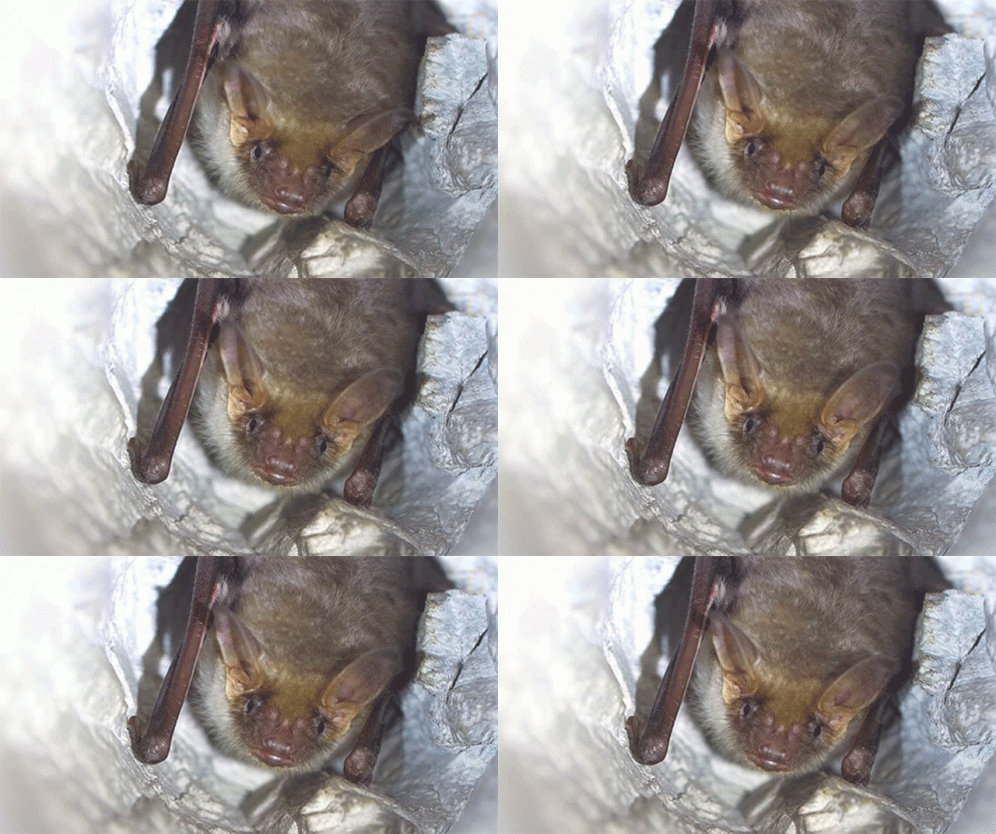
a bat is hanging upside down in a duct
ALT: a bat is hanging upside down in a duct
media.tenor.com
November 30, 2025 at 5:10 PM
It's Dec 1st tomorrow - which means the start of #BatMas!
I am about half-way through @tkingfisher.com 's Snake Eater and enjoying it, and thinking it's time to reread Sean Stewart's Mockingbird next
November 8, 2025 at 9:20 PM
I am about half-way through @tkingfisher.com 's Snake Eater and enjoying it, and thinking it's time to reread Sean Stewart's Mockingbird next

Reposted by Sylvia Sotomayor

Vote copper; show Ea Nasir how appreciated it is when it's pure.

The first match in #OreCup is on now as #Galena and #Copper battle for your vote. Do you favour the lead ore or the native metal?
Vote: www.mineralcup.org/vote-results...
Results:
Vote: www.mineralcup.org/vote-results...
Results:
www.mineralcup.org
November 3, 2025 at 11:08 PM
Vote copper; show Ea Nasir how appreciated it is when it's pure.

Reposted by Sylvia Sotomayor
I have a really big problem with #Sinners. Every time I watch it, I only want to see one thing —
Headline: “Ryan Coogler in final talks to direct and fast track @pdjeliclark.bsky.social’s Ring Shout”
Somebody please make this happen.
Headline: “Ryan Coogler in final talks to direct and fast track @pdjeliclark.bsky.social’s Ring Shout”
Somebody please make this happen.
October 23, 2025 at 5:54 AM
I have a really big problem with #Sinners. Every time I watch it, I only want to see one thing —
Headline: “Ryan Coogler in final talks to direct and fast track @pdjeliclark.bsky.social’s Ring Shout”
Somebody please make this happen.
Headline: “Ryan Coogler in final talks to direct and fast track @pdjeliclark.bsky.social’s Ring Shout”
Somebody please make this happen.
Bear visiting the Sequoia Park Zoo! Wanted to hang with the zoo bears, apparently...

Sequoia Park Zoo
It was an eventful morning at Sequoia Park Zoo! 🌲🐻
Staff conducting the Redwood Sky Walk daily inspection spotted a wild American black bear within the Zoo facility. Emergency procedures were...
www.facebook.com
October 22, 2025 at 6:11 PM
Bear visiting the Sequoia Park Zoo! Wanted to hang with the zoo bears, apparently...
These are really good! I liked the first one, but the second didn't immediately appeal at first so I skipped it. Later, when all three were out I did a re-read of the first, read the second, and then the third, and was blown away by all three.

When a poisoned newspaper columnist asks Dr. Miles Singer to find his murderer, following the trail uncovers the kind of secrets a nation can't survive.
but maybe with secrets like that, it shouldn't.
The Kingston Cycle - available wherever fine books are sold.
Audio: libro.fm/search?q=C.L...
but maybe with secrets like that, it shouldn't.
The Kingston Cycle - available wherever fine books are sold.
Audio: libro.fm/search?q=C.L...

The Kingston Cycle | Series | Macmillan
About this Series
C. L. Polk’s historical fantasy s...
us.macmillan.com
October 22, 2025 at 4:50 PM
These are really good! I liked the first one, but the second didn't immediately appeal at first so I skipped it. Later, when all three were out I did a re-read of the first, read the second, and then the third, and was blown away by all three.
More wonderful bats!

🦇 Noctule bat (Nyctalus noctula) hunting a Noctua moth.
Illustration for "Animals on the Move" series for Dina Dechmann's lab at MPI of Animal Behavior @mpi-animalbehav.bsky.social
#SciArt #art #bats #wildlifeart #insects
Illustration for "Animals on the Move" series for Dina Dechmann's lab at MPI of Animal Behavior @mpi-animalbehav.bsky.social
#SciArt #art #bats #wildlifeart #insects
October 16, 2025 at 2:49 PM
More wonderful bats!
What a wonderful bat!
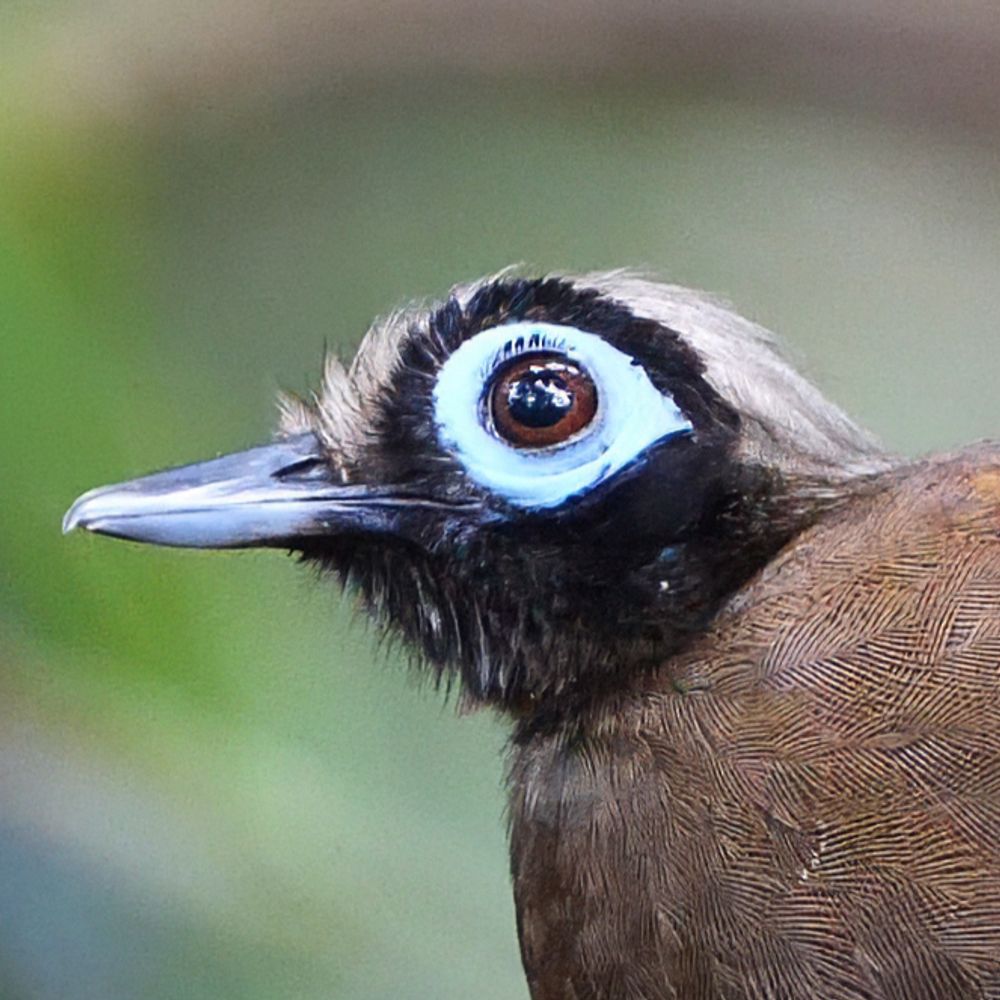
So many secrets in my garden here at @casabentbill.bsky.social
This little sweetie was trying to take a nap under a leaf near the house. I took its photo and then let it rest. I think this is a
Pygmy Fruit-eating Bat (Dermanura phaeotis)
#bats #mammals #costarica #nature #wildlife
This little sweetie was trying to take a nap under a leaf near the house. I took its photo and then let it rest. I think this is a
Pygmy Fruit-eating Bat (Dermanura phaeotis)
#bats #mammals #costarica #nature #wildlife

October 16, 2025 at 2:19 AM
What a wonderful bat!