



IRF2 deficiency disrupts #pyroptosis, NK cell interferon-γ production and #resistance to Francisella.
-> link.springer.com/article/10.1...
-> link.springer.com/article/10.1...

February 3, 2026 at 12:53 PM
IRF2 deficiency disrupts #pyroptosis, NK cell interferon-γ production and #resistance to Francisella.
-> link.springer.com/article/10.1...
-> link.springer.com/article/10.1...

Since we're talking about a tick, of course parasitism is on the bucket list of today's entry. A bit also about confusing identifications, & the usual drawing feedback!
#Cheliceratime
3/4
#Cheliceratime
3/4


February 2, 2026 at 4:30 PM
Since we're talking about a tick, of course parasitism is on the bucket list of today's entry. A bit also about confusing identifications, & the usual drawing feedback!
#Cheliceratime
3/4
#Cheliceratime
3/4

IRF2 regulates both GSDMD expression and NK cells antibacterial functions. Check the latest paper from the lab @ciri-lyon.bsky.social published in @emboreports.org. IRF2 as a key immune regulator against our favorite bug, #Francisella tularensis! #inflammasome link.springer.com/article/10.1...

IRF2 deficiency disrupts pyroptosis, NK cell interferon-γ production and resistance to Francisella - EMBO Reports
IRF2 plays an indirect role in inflammasome activation by regulating Caspase-4 and Gasdermin D (GSDMD) levels. However, the in vivo relevance of this regulatory circuit is unknown. We generate IRF2KO ...
link.springer.com
February 2, 2026 at 7:25 AM
IRF2 regulates both GSDMD expression and NK cells antibacterial functions. Check the latest paper from the lab @ciri-lyon.bsky.social published in @emboreports.org. IRF2 as a key immune regulator against our favorite bug, #Francisella tularensis! #inflammasome link.springer.com/article/10.1...

IRF2 deficiency disrupts pyroptosis, NK cell interferon-γ production and resistance to Francisella @embopress.org
link.springer.com/article/10.1...
link.springer.com/article/10.1...

January 29, 2026 at 10:43 PM
IRF2 deficiency disrupts pyroptosis, NK cell interferon-γ production and resistance to Francisella @embopress.org
link.springer.com/article/10.1...
link.springer.com/article/10.1...
New paper alert! Establishing the infection properties of a type B Francisella tularensis strain. @microbiologysociety.org www.microbiologyresearch.org/content/jour...

Animal modelling with the Francisella tularensis subspecies holarctica strain OR96-0246
Tularemia is a zoonotic disease caused by Francisella tularensis. Most human cases are caused by F. tularensis ssp. tularensis (type A) or F. tularensis ssp. holarctica (type B), with the former consi...
www.microbiologyresearch.org
December 19, 2025 at 12:22 PM
New paper alert! Establishing the infection properties of a type B Francisella tularensis strain. @microbiologysociety.org www.microbiologyresearch.org/content/jour...
"Don’t mourn his loss—be grateful that you knew him". Bacteriologist at Pasteur then at INEM, Alain Charbit spent most of his career working on Intracellular bacteria and notably Francisella tularensis to decipher the role of its metabolism in virulence. He was a colleague and a friend.

December 16, 2025 at 8:12 AM
"Don’t mourn his loss—be grateful that you knew him". Bacteriologist at Pasteur then at INEM, Alain Charbit spent most of his career working on Intracellular bacteria and notably Francisella tularensis to decipher the role of its metabolism in virulence. He was a colleague and a friend.

Structure of the Hibernating Francisella tularensis Ribosome and Mechanistic Insights into Its Inhibition by Antibiotics bioRxivpreprint
Structure of the Hibernating Francisella tularensis Ribosome and Mechanistic Insights into Its Inhibition by Antibiotics
Francisella tularensis is the causative agent of tularemia, a zoonotic disease named after the city of Tulare, California. Symptoms include sudden fever, chills, fatigue, and swollen lymph nodes, among others, and without treatment it is very serious or even fatal. In addition, F. tularensis is considered a potential bioterrorism threat due to its high infectivity and lethality. Ribosomes are key targets for many classes of antibiotics. In this study, we examined the F. tularensis ribosome and determined its structure at 2.5A resolution using cryo-electron microscopy. Notably, we observed the stress-induced ribosome-associated inhibitor A (RaiA) protein bound to the ribosome. RaiA functions as a molecular hibernation factor, inhibiting bacterial translation in response to stress or nutrient deprivation. This mechanism parallels that described in the model organism Escherichia coli and in several pathogenic bacteria, such as Staphylococcus aureus. Furthermore, we solved structures of the antibiotics chloramphenicol and gentamicin bound to the F. tularensis ribosome. Collectively, these results provide structural insights that highlight previously unexplored opportunities for therapeutic intervention.
dlvr.it
November 27, 2025 at 9:30 AM
Structure of the Hibernating Francisella tularensis Ribosome and Mechanistic Insights into Its Inhibition by Antibiotics bioRxivpreprint
Structure of the Hibernating Francisella tularensis Ribosome and Mechanistic Insights into Its Inhibition by Antibiotics bioRxivpreprint
Structure of the Hibernating Francisella tularensis Ribosome and Mechanistic Insights into Its Inhibition by Antibiotics
Francisella tularensis is the causative agent of tularemia, a zoonotic disease named after the city of Tulare, California. Symptoms include sudden fever, chills, fatigue, and swollen lymph nodes, among others, and without treatment it is very serious or even fatal. In addition, F. tularensis is considered a potential bioterrorism threat due to its high infectivity and lethality. Ribosomes are key targets for many classes of antibiotics. In this study, we examined the F. tularensis ribosome and determined its structure at 2.5A resolution using cryo-electron microscopy. Notably, we observed the stress-induced ribosome-associated inhibitor A (RaiA) protein bound to the ribosome. RaiA functions as a molecular hibernation factor, inhibiting bacterial translation in response to stress or nutrient deprivation. This mechanism parallels that described in the model organism Escherichia coli and in several pathogenic bacteria, such as Staphylococcus aureus. Furthermore, we solved structures of the antibiotics chloramphenicol and gentamicin bound to the F. tularensis ribosome. Collectively, these results provide structural insights that highlight previously unexplored opportunities for therapeutic intervention.
dlvr.it
November 26, 2025 at 2:29 AM
Structure of the Hibernating Francisella tularensis Ribosome and Mechanistic Insights into Its Inhibition by Antibiotics bioRxivpreprint

Structure of the Hibernating Francisella tularensis Ribosome and Mechanistic Insights into Its Inhibition by Antibiotics https://www.biorxiv.org/content/10.1101/2025.11.25.690415v1
November 26, 2025 at 2:16 AM
Structure of the Hibernating Francisella tularensis Ribosome and Mechanistic Insights into Its Inhibition by Antibiotics https://www.biorxiv.org/content/10.1101/2025.11.25.690415v1

Structure of the Hibernating Francisella tularensis Ribosome and Mechanistic Insights into Its Inhibition by Antibiotics https://www.biorxiv.org/content/10.1101/2025.11.25.690415v1
November 26, 2025 at 2:16 AM
Structure of the Hibernating Francisella tularensis Ribosome and Mechanistic Insights into Its Inhibition by Antibiotics https://www.biorxiv.org/content/10.1101/2025.11.25.690415v1


On interactions between Midichloria and Borrelia in Ixodes ricinus ticks: a multifaceted phenomenon likely driven by molecular mechanisms that regulate tick feeding, modulate host immunity, and provide nutritional support.
www.clinicalkey.com#!/content/pl...
#MicroSky
#TickSky
www.clinicalkey.com#!/content/pl...
#MicroSky
#TickSky

October 31, 2025 at 6:48 PM
On interactions between Midichloria and Borrelia in Ixodes ricinus ticks: a multifaceted phenomenon likely driven by molecular mechanisms that regulate tick feeding, modulate host immunity, and provide nutritional support.
www.clinicalkey.com#!/content/pl...
#MicroSky
#TickSky
www.clinicalkey.com#!/content/pl...
#MicroSky
#TickSky
Host-pathogen interactions involved in erythrocyte invasion by Francisella tularensis PubMed_

Host-pathogen interactions involved in erythrocyte invasion by Francisella tularensis
Francisella tularensis is a gram negative, facultative intracellular bacterium that causes the zoonotic disease tularemia. F. tularensis is capable of invading mammalian erythrocytes, a phenomenon that enhances colonization of ticks following a blood meal. The colonization of these blood-sucking arthropods presumably enhances transmission to mammalian hosts and increases the persistence of this bacterium within the environment. Therefore, we sought to elucidate host-pathogen interactions...
dlvr.it
October 10, 2025 at 6:32 PM
Host-pathogen interactions involved in erythrocyte invasion by Francisella tularensis PubMed_
Host-pathogen interactions involved in erythrocyte invasion by Francisella tularensis PubMed_
Host-pathogen interactions involved in erythrocyte invasion by Francisella tularensis
Francisella tularensis is a gram negative, facultative intracellular bacterium that causes the zoonotic disease tularemia. F. tularensis is capable of invading mammalian erythrocytes, a phenomenon that enhances colonization of ticks following a blood meal. The colonization of these blood-sucking arthropods presumably enhances transmission to mammalian hosts and increases the persistence of this bacterium within the environment. Therefore, we sought to elucidate host-pathogen interactions...
dlvr.it
October 9, 2025 at 11:31 AM
Host-pathogen interactions involved in erythrocyte invasion by Francisella tularensis PubMed_

Evolution and comparative #genomics of #tick- #associated Francisella #endosymbionts: insights into metabolic pathways and historical biogeographic patterns
#SymbioSky
doi.org/10.1101/2025...
#SymbioSky
doi.org/10.1101/2025...

Evolution and comparative genomics of tick-associated Francisella endosymbionts: insights into metabolic pathways and historical biogeographic patterns
Ticks (Ixodida) are the second most important vectors of infectious diseases in vertebrates, after mosquitoes. They also maintain mutualistic relationships with bacteria, such as endosymbionts that pr...
doi.org
September 19, 2025 at 2:11 PM
Evolution and comparative #genomics of #tick- #associated Francisella #endosymbionts: insights into metabolic pathways and historical biogeographic patterns
#SymbioSky
doi.org/10.1101/2025...
#SymbioSky
doi.org/10.1101/2025...

This study investigates the importance of the thioredoxin system, particularly the thioredoxin reductase (TrxB) enzyme, in the oxidative stress response of the highly virulent pathogen Francisella tularensis. The findings demonstrate that TrxB is essential for F.
September 19, 2025 at 4:49 AM
This study investigates the importance of the thioredoxin system, particularly the thioredoxin reductase (TrxB) enzyme, in the oxidative stress response of the highly virulent pathogen Francisella tularensis. The findings demonstrate that TrxB is essential for F.
Uncover the vital role of thioredoxin reductase (TrxB) in Francisella tularensis' defense against oxidative stress - a key mechanism enabling this deadly pathogen to thrive within host ma...
🧵 Thread below
Full analysis: https://helixbrief.com/article/b76a9e42-66d9-4f26-895a-054176ece975
🧵 Thread below
Full analysis: https://helixbrief.com/article/b76a9e42-66d9-4f26-895a-054176ece975
September 19, 2025 at 4:49 AM
Uncover the vital role of thioredoxin reductase (TrxB) in Francisella tularensis' defense against oxidative stress - a key mechanism enabling this deadly pathogen to thrive within host ma...
🧵 Thread below
Full analysis: https://helixbrief.com/article/b76a9e42-66d9-4f26-895a-054176ece975
🧵 Thread below
Full analysis: https://helixbrief.com/article/b76a9e42-66d9-4f26-895a-054176ece975

'(...) subpar responses following Francisella tularensis infection were associated with the inability of T cells to readily proliferate upon re-challenge (...) these features were partially a consequence of IFN-γ driven reprogramming of endothelial cells resulting in expression of IDO1'
#Immunology
#Immunology

Non-hematopoietic tryptophan metabolism is a driver of ineffective T cell responses during secondary pulmonary bacterial infection
Abstract. Pulmonary infections often fail to produce long-lived immune memory and the underlying mechanism(s) for this are unclear. Given the complex inter
academic.oup.com
September 16, 2025 at 3:44 PM
'(...) subpar responses following Francisella tularensis infection were associated with the inability of T cells to readily proliferate upon re-challenge (...) these features were partially a consequence of IFN-γ driven reprogramming of endothelial cells resulting in expression of IDO1'
#Immunology
#Immunology

New episode alert! We explore how the bacterium Francisella tularensis hijacks our immune cells’ mitochondria to fuel infection. Targeting this process could lead to innovative therapies for serious infections. Tune in! https://tinyurl.com/SciBud-AI
August 30, 2025 at 1:11 PM
New episode alert! We explore how the bacterium Francisella tularensis hijacks our immune cells’ mitochondria to fuel infection. Targeting this process could lead to innovative therapies for serious infections. Tune in! https://tinyurl.com/SciBud-AI

This was definitely a weird way to end a day where I had to make an immediate notification to the agency about a Form 4/ Francisella detection. Diseases don’t go away just b/c you stop looking for them.
August 28, 2025 at 1:42 PM
This was definitely a weird way to end a day where I had to make an immediate notification to the agency about a Form 4/ Francisella detection. Diseases don’t go away just b/c you stop looking for them.

Saint Francis of Assisi, patron saint of animals died of tularemia after giving mouth-to-mouth to a baby rabbit? What’s that you say?
Ah Francisella - perhaps actually a namesake to the Saint.
Ah Francisella - perhaps actually a namesake to the Saint.
August 2, 2025 at 1:01 AM
Saint Francis of Assisi, patron saint of animals died of tularemia after giving mouth-to-mouth to a baby rabbit? What’s that you say?
Ah Francisella - perhaps actually a namesake to the Saint.
Ah Francisella - perhaps actually a namesake to the Saint.

Warning of rise in #tularemia incidences in #Minnesota ...
| #rabbitfever | #bacteria | #Francisella | #pathogen | #publichealth | Via @cbsnews.com
| #rabbitfever | #bacteria | #Francisella | #pathogen | #publichealth | Via @cbsnews.com
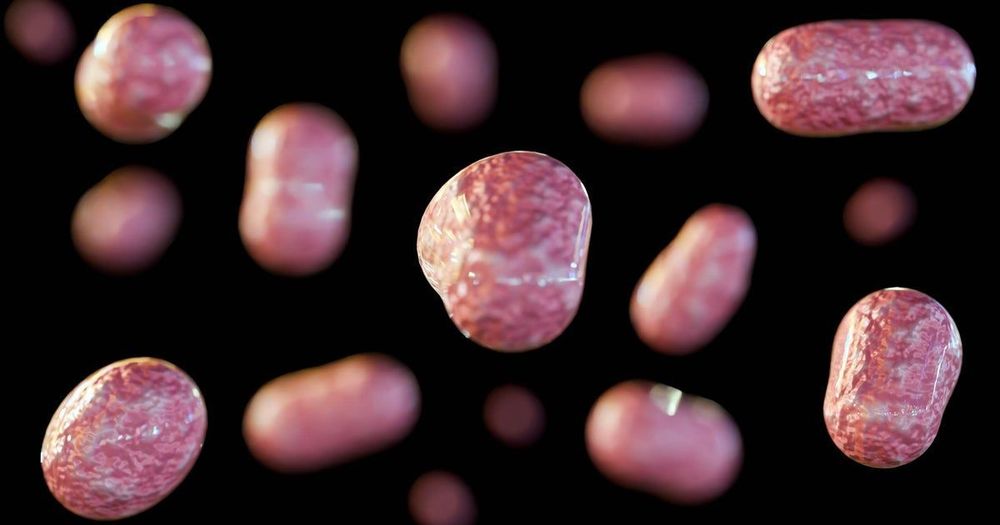
Health officials warn of rise in tularemia cases in Minnesota
The illness is caused by the bacteria Francisella tularensis. It's commonly found in small rodents, rabbits, squirrels and beavers. People typically develop the illness from tick and fly bites,…
www.cbsnews.com
July 27, 2025 at 1:00 AM
Warning of rise in #tularemia incidences in #Minnesota ...
| #rabbitfever | #bacteria | #Francisella | #pathogen | #publichealth | Via @cbsnews.com
| #rabbitfever | #bacteria | #Francisella | #pathogen | #publichealth | Via @cbsnews.com

Our latest preprint:
🦠🐭 Small mammals in French forests host a wide array of potentially #zoonotic #pathogens, including #hantaviruses, #Leptospira, #Francisella...
But how does forest #anthropization shape their richness, prevalence, and community structure?
👉 www.biorxiv.org/content/10.1...
🦠🐭 Small mammals in French forests host a wide array of potentially #zoonotic #pathogens, including #hantaviruses, #Leptospira, #Francisella...
But how does forest #anthropization shape their richness, prevalence, and community structure?
👉 www.biorxiv.org/content/10.1...

Surveillance of zoonotic pathogens in small mammals across a gradient of forest anthropization in Eastern France
The emergence of infectious diseases associated with land-use changes is well-documented. However, zoonotic risks originating from European forests, whether from rural development or urban greening, r...
www.biorxiv.org
July 21, 2025 at 9:13 PM
Our latest preprint:
🦠🐭 Small mammals in French forests host a wide array of potentially #zoonotic #pathogens, including #hantaviruses, #Leptospira, #Francisella...
But how does forest #anthropization shape their richness, prevalence, and community structure?
👉 www.biorxiv.org/content/10.1...
🦠🐭 Small mammals in French forests host a wide array of potentially #zoonotic #pathogens, including #hantaviruses, #Leptospira, #Francisella...
But how does forest #anthropization shape their richness, prevalence, and community structure?
👉 www.biorxiv.org/content/10.1...

Discovery and CryoEM Structure of FPM13, a Periplasmic Metalloprotein Unique to Francisella pubmed.ncbi.nlm.nih.gov/40654624/ #cryoem
July 16, 2025 at 1:20 AM
Discovery and CryoEM Structure of FPM13, a Periplasmic Metalloprotein Unique to Francisella pubmed.ncbi.nlm.nih.gov/40654624/ #cryoem