



Amazonian Discovery Sheds Light on the Evolution of Caenocentron Schmid, 1982 (Trichoptera: Xiphocentronidae): Phylogenetic Placement and Description of a New Species https://pubmed.ncbi.nlm.nih.gov/41465628/
January 1, 2026 at 1:15 AM
Amazonian Discovery Sheds Light on the Evolution of Caenocentron Schmid, 1982 (Trichoptera: Xiphocentronidae): Phylogenetic Placement and Description of a New Species https://pubmed.ncbi.nlm.nih.gov/41465628/
Amazonian Discovery Sheds Light on the Evolution of Caenocentron Schmid, 1982 (Trichoptera: Xiphocentronidae): Phylogenetic Placement and Description of a New Species https://pubmed.ncbi.nlm.nih.gov/41465628/
December 31, 2025 at 1:02 AM
Amazonian Discovery Sheds Light on the Evolution of Caenocentron Schmid, 1982 (Trichoptera: Xiphocentronidae): Phylogenetic Placement and Description of a New Species https://pubmed.ncbi.nlm.nih.gov/41465628/

Caddisflies (Trichoptera) are usually found near lakes, ponds, and streams. Their larvae are aquatic and most build cases to conceal and protect themselves. Although adults resemble moths and fly at night, their wings are covered in hairs instead of scales. Palmyra Michigan, 29 Sep 2014.

December 30, 2025 at 10:56 PM
Caddisflies (Trichoptera) are usually found near lakes, ponds, and streams. Their larvae are aquatic and most build cases to conceal and protect themselves. Although adults resemble moths and fly at night, their wings are covered in hairs instead of scales. Palmyra Michigan, 29 Sep 2014.

🎄 Caddisflies take Day 19 of #InsectAdvent.
#Trichoptera are nature’s tiny architects, building homes from silk, twigs, stones & leaves. They stabilise riverbeds, support food webs & monitor water quality 🌊
#FunFact: Their cases inspire jewellery by artist Hubert Duprat ✨🔽
#Trichoptera are nature’s tiny architects, building homes from silk, twigs, stones & leaves. They stabilise riverbeds, support food webs & monitor water quality 🌊
#FunFact: Their cases inspire jewellery by artist Hubert Duprat ✨🔽

Classification of Insects - Trichoptera
Mottled Sedge caddisfly larvae (Glyphotaelius pellucidus) (c) Tim Jonas 2023
buff.ly
December 19, 2025 at 9:01 AM
🎄 Caddisflies take Day 19 of #InsectAdvent.
#Trichoptera are nature’s tiny architects, building homes from silk, twigs, stones & leaves. They stabilise riverbeds, support food webs & monitor water quality 🌊
#FunFact: Their cases inspire jewellery by artist Hubert Duprat ✨🔽
#Trichoptera are nature’s tiny architects, building homes from silk, twigs, stones & leaves. They stabilise riverbeds, support food webs & monitor water quality 🌊
#FunFact: Their cases inspire jewellery by artist Hubert Duprat ✨🔽

More Trichoptera research in our latest special issue: doi.org/10.3897/zook...

Diversity, abundance and distribution of caddisfly (Insecta, Trichoptera) families in relation to environmental parameters across freshwater streams in Singapore
In land-scarce Singapore, where fresh water is a critical resource, Trichoptera communities can serve as a biomonitoring tool, yet are poorly known. This study seeks to address this gap by establishin...
doi.org
December 16, 2025 at 10:13 AM
More Trichoptera research in our latest special issue: doi.org/10.3897/zook...
A snapshot of Singapore’s Trichoptera diversity and distribution within the Northeast Monsoon months of October 2023 to January 2024: doi.org/10.3897/zook...
#bioindicators #biomonitoring #caddisflies
#bioindicators #biomonitoring #caddisflies

December 16, 2025 at 10:13 AM
A snapshot of Singapore’s Trichoptera diversity and distribution within the Northeast Monsoon months of October 2023 to January 2024: doi.org/10.3897/zook...
#bioindicators #biomonitoring #caddisflies
#bioindicators #biomonitoring #caddisflies

Chan YQ, Liang BJY, Ang Y, Morse JC, Cai Y, Yeo DCJ (2025) Diversity, abundance and distribution of caddisfly (Insecta, #Trichoptera) families in relation to environmental parameters across #freshwater streams in #Singapore
🔓via @zookeys.pensoft.net
doi.org/10.3897/zook... 🧪🌏 🇸🇬
🔓via @zookeys.pensoft.net
doi.org/10.3897/zook... 🧪🌏 🇸🇬

Diversity, abundance and distribution of caddisfly (Insecta, Trichoptera) families in relation to environmental parameters across freshwater streams in Singapore
In land-scarce Singapore, where fresh water is a critical resource, Trichoptera communities can serve as a biomonitoring tool, yet are poorly known. This study seeks to address this gap by establishin...
zookeys.pensoft.net
December 16, 2025 at 1:11 AM
Chan YQ, Liang BJY, Ang Y, Morse JC, Cai Y, Yeo DCJ (2025) Diversity, abundance and distribution of caddisfly (Insecta, #Trichoptera) families in relation to environmental parameters across #freshwater streams in #Singapore
🔓via @zookeys.pensoft.net
doi.org/10.3897/zook... 🧪🌏 🇸🇬
🔓via @zookeys.pensoft.net
doi.org/10.3897/zook... 🧪🌏 🇸🇬
We've collected 22 articles on Trichoptera in our latest special issue, Proceedings of the 18th International Symposium on Trichoptera. Explore it here: zookeys.pensoft.net/issue/4938/

Proceedings of the 18th International Symposium on Trichoptera
Since 1974 caddisfly researchers have met every three years to share developments on all aspects of Trichoptera research from faunistics, taxonomy, systematics, evolutionary biology, ecology and biomo...
zookeys.pensoft.net
December 15, 2025 at 3:49 PM
We've collected 22 articles on Trichoptera in our latest special issue, Proceedings of the 18th International Symposium on Trichoptera. Explore it here: zookeys.pensoft.net/issue/4938/
A sample of the extensive research on Trichoptera published in our special issue, Proceedings of the 18th International Symposium on Trichoptera, which is available here zookeys.pensoft.net/issue/4938/
Proceedings of the 18th International Symposium on Trichoptera
Since 1974 caddisfly researchers have met every three years to share developments on all aspects of Trichoptera research from faunistics, taxonomy, systematics, evolutionary biology, ecology and biomo...
zookeys.pensoft.net
December 15, 2025 at 2:40 PM
A sample of the extensive research on Trichoptera published in our special issue, Proceedings of the 18th International Symposium on Trichoptera, which is available here zookeys.pensoft.net/issue/4938/
With contributions on the Trichoptera of Asia, Europe, Latin America, and North America, here is our new special issue on Trichoptera, presenting the proceedings of the 18th International Symposium on Trichoptera: zookeys.pensoft.net/issue/4938/

December 15, 2025 at 2:17 PM
With contributions on the Trichoptera of Asia, Europe, Latin America, and North America, here is our new special issue on Trichoptera, presenting the proceedings of the 18th International Symposium on Trichoptera: zookeys.pensoft.net/issue/4938/

czwartek, 11 grudnia 2025:
- Międzynarodowy Dzień Terenów Górskich
- Międzynarodowy Dzień Tanga
- Dzień Chruścików (Trichoptera)
- Międzynarodowy Dzień Terenów Górskich
- Międzynarodowy Dzień Tanga
- Dzień Chruścików (Trichoptera)
December 11, 2025 at 5:00 AM
czwartek, 11 grudnia 2025:
- Międzynarodowy Dzień Terenów Górskich
- Międzynarodowy Dzień Tanga
- Dzień Chruścików (Trichoptera)
- Międzynarodowy Dzień Terenów Górskich
- Międzynarodowy Dzień Tanga
- Dzień Chruścików (Trichoptera)

Huh. The similarity with Trichoptera larvae is uncanny!
December 10, 2025 at 12:02 AM
Huh. The similarity with Trichoptera larvae is uncanny!
White miller caddisflies (Trichoptera: Leptoceridae: Nectopsyche spp.) are often attracted to lights, but they normally hang out near slow moving water their aquatic young require. Larvae build portable cases from bits of sand and plant material for protection. Blissfield Michigan, 28 Jun 2025.

December 6, 2025 at 10:55 PM
White miller caddisflies (Trichoptera: Leptoceridae: Nectopsyche spp.) are often attracted to lights, but they normally hang out near slow moving water their aquatic young require. Larvae build portable cases from bits of sand and plant material for protection. Blissfield Michigan, 28 Jun 2025.

Beim Thema Köcherfliegen #Trichoptera muss man auch mal den Köcher zeigen!
#HexapoDezember #HexapoDecember.
#HexapoDezember #HexapoDecember.


December 3, 2025 at 6:01 PM
Beim Thema Köcherfliegen #Trichoptera muss man auch mal den Köcher zeigen!
#HexapoDezember #HexapoDecember.
#HexapoDezember #HexapoDecember.

Köcherfliegen ( #Trichoptera ) zum 3. #HexapoDezember? Na klar!
* Odontocerum albicorne
* Mystacides longicornis
* Mystacides cf. azurea
* trichodes sp.
* Odontocerum albicorne
* Mystacides longicornis
* Mystacides cf. azurea
* trichodes sp.


December 3, 2025 at 3:51 PM
Köcherfliegen ( #Trichoptera ) zum 3. #HexapoDezember? Na klar!
* Odontocerum albicorne
* Mystacides longicornis
* Mystacides cf. azurea
* trichodes sp.
* Odontocerum albicorne
* Mystacides longicornis
* Mystacides cf. azurea
* trichodes sp.

Happy 3. #HexapoDezember. Heute ganz klar #Trichoptera. Fliegen wir auf die Köcherfliegen 🤗📸⬇️

three cartoon characters with hearts on their heads and the number 3 behind them
ALT: three cartoon characters with hearts on their heads and the number 3 behind them
media.tenor.com
December 3, 2025 at 6:42 AM
Happy 3. #HexapoDezember. Heute ganz klar #Trichoptera. Fliegen wir auf die Köcherfliegen 🤗📸⬇️
Netspinning caddisflies (Trichoptera: Hydropsychidae) get their common name from the way their aquatic larvae trap food. They spin funnel-shaped silken nets in streams and rivers, then wait at the narrow downstream end for small prey to be directed toward them. Blissfield Michigan, 20 Jun 2025.


December 1, 2025 at 12:04 PM
Netspinning caddisflies (Trichoptera: Hydropsychidae) get their common name from the way their aquatic larvae trap food. They spin funnel-shaped silken nets in streams and rivers, then wait at the narrow downstream end for small prey to be directed toward them. Blissfield Michigan, 20 Jun 2025.
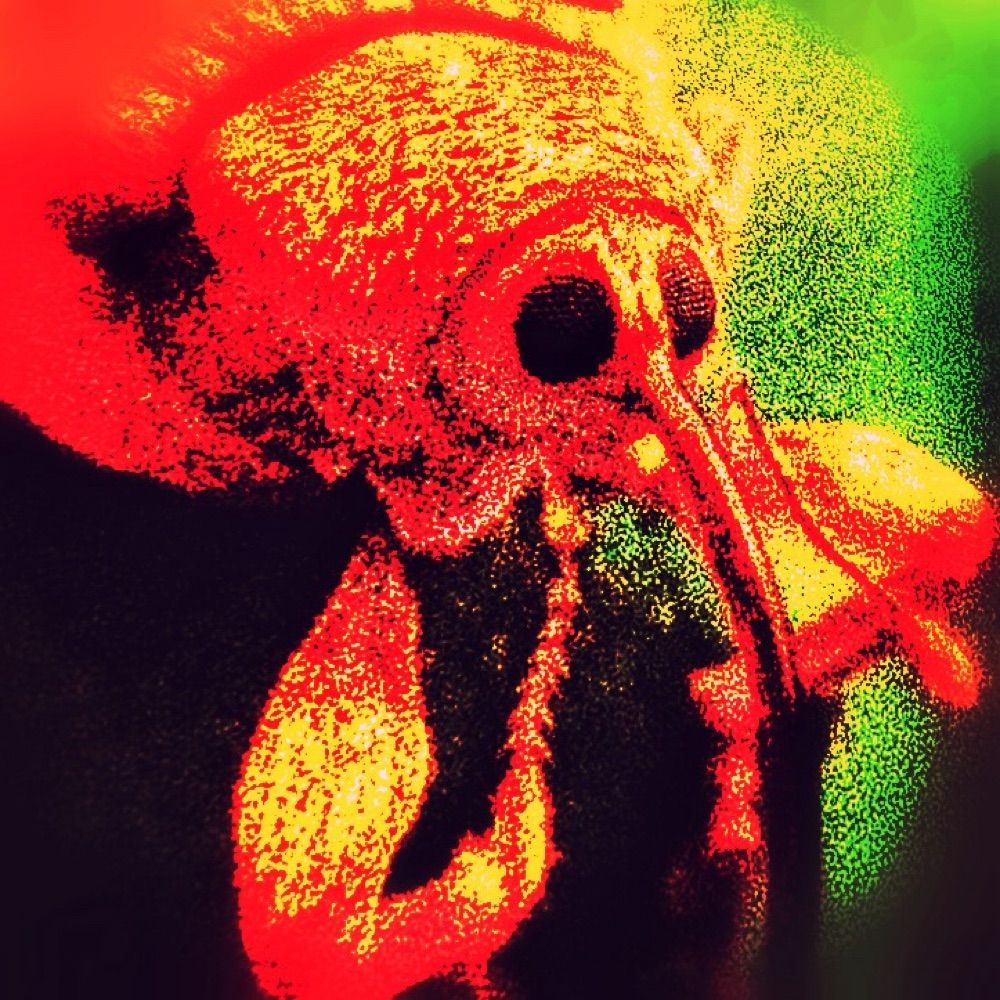
french artist hubert duprant makes artists out of insects. caddisfly (trichoptera sp.) larvae are provided gold flecks and precious stones like turquoise, emeralds, and pearls, which they bind together into a cocoon with silk spun from modified salivary glands.
(📷 by frederic delpech)
(📷 by frederic delpech)


November 26, 2025 at 12:11 PM
french artist hubert duprant makes artists out of insects. caddisfly (trichoptera sp.) larvae are provided gold flecks and precious stones like turquoise, emeralds, and pearls, which they bind together into a cocoon with silk spun from modified salivary glands.
(📷 by frederic delpech)
(📷 by frederic delpech)

Nuisance status of a net-spinning caddisfly (Trichoptera: Hydropsychidae): Survey responses of residents on the Colorado River in Bullhead City, Arizona JMedEnt
Nuisance status of a net-spinning caddisfly (Trichoptera: Hydropsychidae): Survey responses of residents on the Colorado River in Bullhead City, Arizona
AbstractMunicipalities on the lower Colorado River are seasonally overwhelmed by swarms of the net-spinning caddisfly, Smicridea fasciatella McLachlan. Nuisance caddisflies pose several public health concerns, including asthma, dermatitis, and mental anguish, and the presence of large swarms can negatively impact waterfront recreation and tourism. Here, survey responses from 123 riverfront homes in Bullhead City, Arizona, were used to assess the nuisance status of S. fasciatella and the perceived effectiveness of area-wide abatement strategies. In 2021, 68% of surveys indicated that nuisance caddisfly conditions were uniformly “intolerable” with no significant differences by location, length of residency, or participating recreational activities. Residents identified that S. fasciatella started to become a nuisance between 2015 and 2016, starting in May and ending in November each year. Proximity to swarming adults, disruption of leisure activities, and maintenance associated with sweeping expired caddisflies were among the biggest complaints. Notably, 58% selected “staying inside” as the most effective strategy to avoid direct contact with swarms, and 14% reported asthma-like symptoms from encountering large swarms or sweeping dead, dried adult caddisflies. Riverfront residents supported trout stocking and river flow manipulation as effective measures to reduce S. fasciatella populations. After three years of river flow manipulations, riverfront residents were asked again to describe nuisance caddisfly conditions, and 61% selected “tolerable”, signaling improved conditions in 2024. Collectively, these data provide insights into the nuisance status and potential public health risks of S. fasciatella and support continued research of sustainable management efforts to further suppress populations to a tolerable threshold.
dlvr.it
November 21, 2025 at 12:30 PM
Nuisance status of a net-spinning caddisfly (Trichoptera: Hydropsychidae): Survey responses of residents on the Colorado River in Bullhead City, Arizona JMedEnt
Nuisance status of a net-spinning caddisfly (Trichoptera: Hydropsychidae): Survey responses of residents on the Colorado River in Bullhead City, Arizona JMedEnt
Nuisance status of a net-spinning caddisfly (Trichoptera: Hydropsychidae): Survey responses of residents on the Colorado River in Bullhead City, Arizona
AbstractMunicipalities on the lower Colorado River are seasonally overwhelmed by swarms of the net-spinning caddisfly, Smicridea fasciatella McLachlan. Nuisance caddisflies pose several public health concerns, including asthma, dermatitis, and mental anguish, and the presence of large swarms can negatively impact waterfront recreation and tourism. Here, survey responses from 123 riverfront homes in Bullhead City, Arizona, were used to assess the nuisance status of S. fasciatella and the perceived effectiveness of area-wide abatement strategies. In 2021, 68% of surveys indicated that nuisance caddisfly conditions were uniformly “intolerable” with no significant differences by location, length of residency, or participating recreational activities. Residents identified that S. fasciatella started to become a nuisance between 2015 and 2016, starting in May and ending in November each year. Proximity to swarming adults, disruption of leisure activities, and maintenance associated with sweeping expired caddisflies were among the biggest complaints. Notably, 58% selected “staying inside” as the most effective strategy to avoid direct contact with swarms, and 14% reported asthma-like symptoms from encountering large swarms or sweeping dead, dried adult caddisflies. Riverfront residents supported trout stocking and river flow manipulation as effective measures to reduce S. fasciatella populations. After three years of river flow manipulations, riverfront residents were asked again to describe nuisance caddisfly conditions, and 61% selected “tolerable”, signaling improved conditions in 2024. Collectively, these data provide insights into the nuisance status and potential public health risks of S. fasciatella and support continued research of sustainable management efforts to further suppress populations to a tolerable threshold.
dlvr.it
November 20, 2025 at 5:29 AM
Nuisance status of a net-spinning caddisfly (Trichoptera: Hydropsychidae): Survey responses of residents on the Colorado River in Bullhead City, Arizona JMedEnt

Alisotrichia (Hydroptilidae: Trichoptera) - a curious microcaddisfly that, as a larva, does not build a case until it is ready to pupate. Almost all Hydroptilidae make silken cases, but Alisotrichia has a free-living larva and inhabits fast flowing habitats.
This specimen is from Puerto Rico.
This specimen is from Puerto Rico.

November 20, 2025 at 2:03 AM
Alisotrichia (Hydroptilidae: Trichoptera) - a curious microcaddisfly that, as a larva, does not build a case until it is ready to pupate. Almost all Hydroptilidae make silken cases, but Alisotrichia has a free-living larva and inhabits fast flowing habitats.
This specimen is from Puerto Rico.
This specimen is from Puerto Rico.
Die Larven der Mond-Köcherjungfer
(Limnephilus lunatus) entwickeln sich im Wasser. Wie bei vielen aquatischen Insektenarten währt das Larvenstadium deutlich länger als das Leben als adultes Insekt.
#artenvielfalt #natur #nature #insekten #insects #trichoptera #köcherfliegen #caddisflies
(Limnephilus lunatus) entwickeln sich im Wasser. Wie bei vielen aquatischen Insektenarten währt das Larvenstadium deutlich länger als das Leben als adultes Insekt.
#artenvielfalt #natur #nature #insekten #insects #trichoptera #köcherfliegen #caddisflies

November 19, 2025 at 6:54 PM
Die Larven der Mond-Köcherjungfer
(Limnephilus lunatus) entwickeln sich im Wasser. Wie bei vielen aquatischen Insektenarten währt das Larvenstadium deutlich länger als das Leben als adultes Insekt.
#artenvielfalt #natur #nature #insekten #insects #trichoptera #köcherfliegen #caddisflies
(Limnephilus lunatus) entwickeln sich im Wasser. Wie bei vielen aquatischen Insektenarten währt das Larvenstadium deutlich länger als das Leben als adultes Insekt.
#artenvielfalt #natur #nature #insekten #insects #trichoptera #köcherfliegen #caddisflies

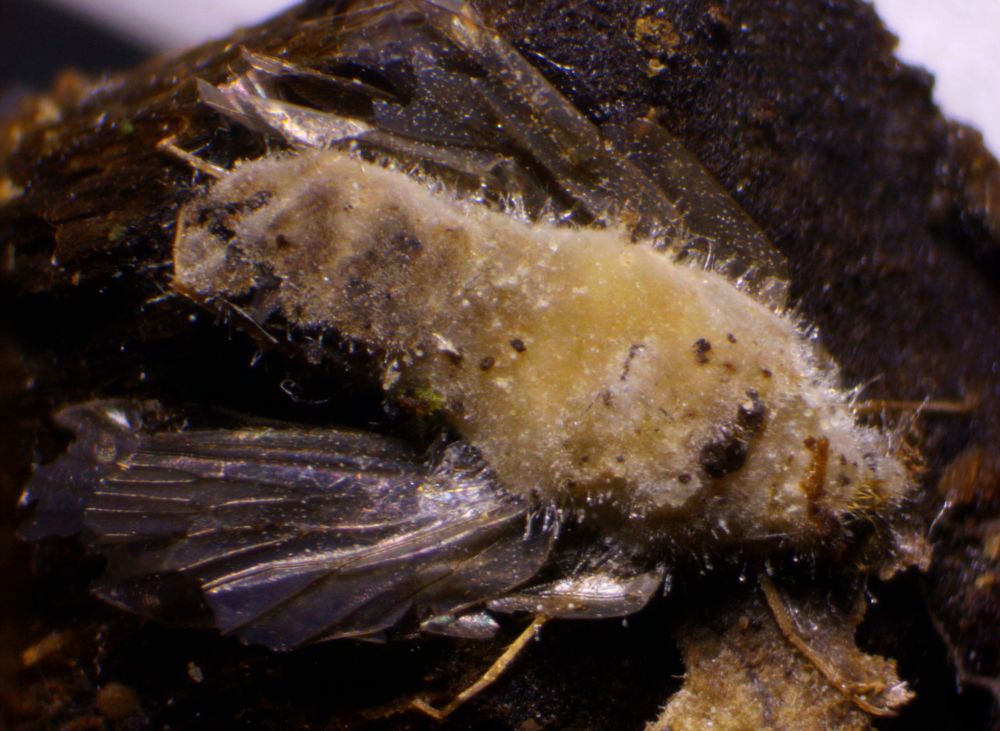
Pandora sp. parasitising a caddis fly / Trichoptera sp.
#fungifriends #fungi #microscopy #mycology #parasites
#fungifriends #fungi #microscopy #mycology #parasites


November 15, 2025 at 1:53 PM
Pandora sp. parasitising a caddis fly / Trichoptera sp.
#fungifriends #fungi #microscopy #mycology #parasites
#fungifriends #fungi #microscopy #mycology #parasites
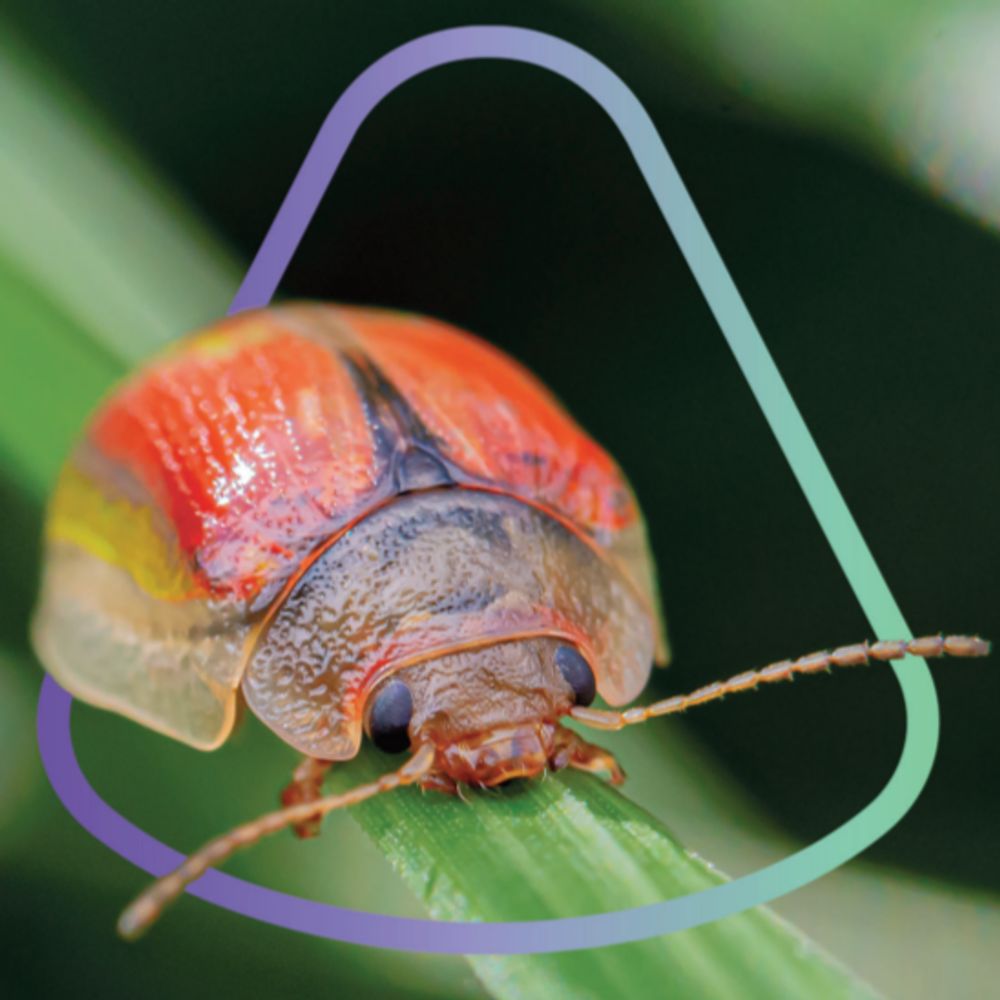
New #OpenAccess work in #RESPhysEnt describes the morphological & biomechanical #adaptations of larval #mandibles in #Trichoptera
doi.org/10.1111/phen.70009
#Morphology #Biomechanics #Caddisflies #SEM #EDX #CLSM
@wybouw.bsky.social @tbuescher.bsky.social @tobybruce.bsky.social @wileyeco.bsky.social
doi.org/10.1111/phen.70009
#Morphology #Biomechanics #Caddisflies #SEM #EDX #CLSM
@wybouw.bsky.social @tbuescher.bsky.social @tobybruce.bsky.social @wileyeco.bsky.social

November 3, 2025 at 2:05 PM
New #OpenAccess work in #RESPhysEnt describes the morphological & biomechanical #adaptations of larval #mandibles in #Trichoptera
doi.org/10.1111/phen.70009
#Morphology #Biomechanics #Caddisflies #SEM #EDX #CLSM
@wybouw.bsky.social @tbuescher.bsky.social @tobybruce.bsky.social @wileyeco.bsky.social
doi.org/10.1111/phen.70009
#Morphology #Biomechanics #Caddisflies #SEM #EDX #CLSM
@wybouw.bsky.social @tbuescher.bsky.social @tobybruce.bsky.social @wileyeco.bsky.social

Caddisflies closely resemble moths but their wings are covered with fine hairs instead of scales. They are good ecological indicators as they are only found in high-quality, clean streams and lakes as the majority of the Trichoptera larvae are aquatic.


October 28, 2025 at 3:21 AM
Caddisflies closely resemble moths but their wings are covered with fine hairs instead of scales. They are good ecological indicators as they are only found in high-quality, clean streams and lakes as the majority of the Trichoptera larvae are aquatic.