


Yue (2026-01 preprint, Preprints)(オープンアクセス open access)
「海綿動物か有櫛動物か?動物の系統の根に関する証拠の統合」
Sponges or Ctenophores? A Synthesis of Evidence on the Root of the Animal Phylogeny
www.preprints.org/manuscript/2...
「海綿動物か有櫛動物か?動物の系統の根に関する証拠の統合」
Sponges or Ctenophores? A Synthesis of Evidence on the Root of the Animal Phylogeny
www.preprints.org/manuscript/2...

January 14, 2026 at 12:28 PM
Yue (2026-01 preprint, Preprints)(オープンアクセス open access)
「海綿動物か有櫛動物か?動物の系統の根に関する証拠の統合」
Sponges or Ctenophores? A Synthesis of Evidence on the Root of the Animal Phylogeny
www.preprints.org/manuscript/2...
「海綿動物か有櫛動物か?動物の系統の根に関する証拠の統合」
Sponges or Ctenophores? A Synthesis of Evidence on the Root of the Animal Phylogeny
www.preprints.org/manuscript/2...

i think you then have to posit independent evolution of extracellular digestion in ctenophores & placozoans…but it's not like there are a lot of good options…
January 10, 2026 at 10:07 PM
i think you then have to posit independent evolution of extracellular digestion in ctenophores & placozoans…but it's not like there are a lot of good options…
I had been assuming that stem ctenophores were benthic/sessile because of the alleged ctenophore affinity of dinomischids, but that's disputed…what if the metazoan LCA was actually pelagic? and then the biphasic benthic adult/pelagic larva setup only evolved along the "myriazoan" stem…
January 10, 2026 at 10:06 PM
I had been assuming that stem ctenophores were benthic/sessile because of the alleged ctenophore affinity of dinomischids, but that's disputed…what if the metazoan LCA was actually pelagic? and then the biphasic benthic adult/pelagic larva setup only evolved along the "myriazoan" stem…
Back to ctenophores as the sister group - and a great example of collaborative science making better science. 🧪
Our eLetter github.com/caseywdunn/s... responding to a recent Science paper was just posted. The paper found more genes with consistent support for sponge-sister than ctenophore-sister. We found several technical issues that, when corrected, reverse the conclusions and recover ctenophore-sister.

January 9, 2026 at 8:23 PM
Back to ctenophores as the sister group - and a great example of collaborative science making better science. 🧪
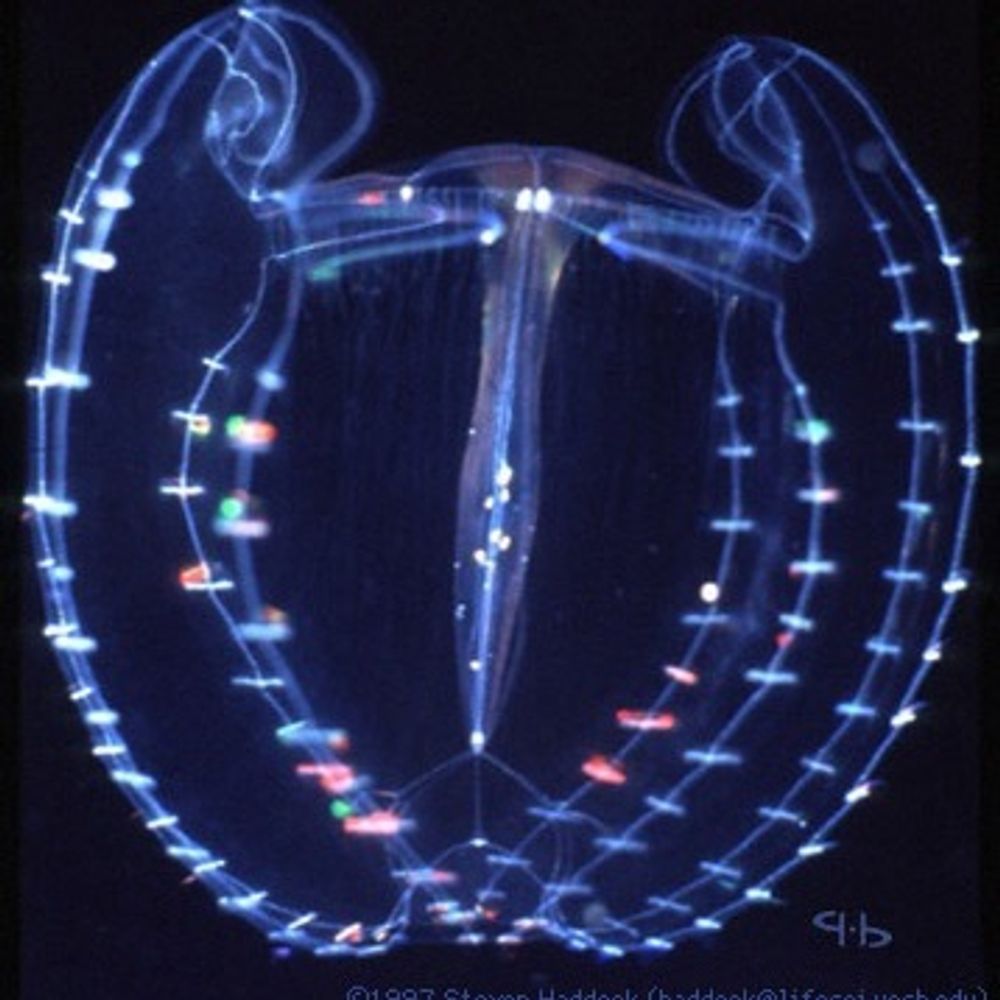
Related to high pressure, @ibudin.bsky.social and Jacob Winnikoff led a study which showed that a particular lipid headgroup (PPE) is more abundant in membranes of deep #ctenophores. 🧪🦑
What was amazing was when they put PPE into bacterial membranes, the bacteria became more pressure tolerant!
What was amazing was when they put PPE into bacterial membranes, the bacteria became more pressure tolerant!
January 9, 2026 at 6:19 PM
Related to high pressure, @ibudin.bsky.social and Jacob Winnikoff led a study which showed that a particular lipid headgroup (PPE) is more abundant in membranes of deep #ctenophores. 🧪🦑
What was amazing was when they put PPE into bacterial membranes, the bacteria became more pressure tolerant!
What was amazing was when they put PPE into bacterial membranes, the bacteria became more pressure tolerant!
The re-analysis of this #sponge #ctenophore study made me realize how important it is to really *look* at your data.
Their filtering pipeline was meant to retain "strong" genes, but many of them had NO ctenophores and most had polyphyletic sponges.
Time to put down the pitchforks for a while.
Their filtering pipeline was meant to retain "strong" genes, but many of them had NO ctenophores and most had polyphyletic sponges.
Time to put down the pitchforks for a while.
Our eLetter github.com/caseywdunn/s... responding to a recent Science paper was just posted. The paper found more genes with consistent support for sponge-sister than ctenophore-sister. We found several technical issues that, when corrected, reverse the conclusions and recover ctenophore-sister.
January 9, 2026 at 4:52 PM
The re-analysis of this #sponge #ctenophore study made me realize how important it is to really *look* at your data.
Their filtering pipeline was meant to retain "strong" genes, but many of them had NO ctenophores and most had polyphyletic sponges.
Time to put down the pitchforks for a while.
Their filtering pipeline was meant to retain "strong" genes, but many of them had NO ctenophores and most had polyphyletic sponges.
Time to put down the pitchforks for a while.

This is the best kind of scientific debate - a difficult and important problem (are sponges or ctenophores the sister clade to all other animals?), where the data analysis is very hard and there are two opposing viewpoints. The story continues!!!
Our eLetter github.com/caseywdunn/s... responding to a recent Science paper was just posted. The paper found more genes with consistent support for sponge-sister than ctenophore-sister. We found several technical issues that, when corrected, reverse the conclusions and recover ctenophore-sister.
January 9, 2026 at 3:23 PM
This is the best kind of scientific debate - a difficult and important problem (are sponges or ctenophores the sister clade to all other animals?), where the data analysis is very hard and there are two opposing viewpoints. The story continues!!!
I love those ctenophores!
One nice thing about them is that you don't need to work on a research vessel to see them. I recall waiting for the ferry in Woods Hole and there were hundreds of them in the water around the dock, throwing rainbows in the sunlight.
One nice thing about them is that you don't need to work on a research vessel to see them. I recall waiting for the ferry in Woods Hole and there were hundreds of them in the water around the dock, throwing rainbows in the sunlight.
January 9, 2026 at 12:40 PM
I love those ctenophores!
One nice thing about them is that you don't need to work on a research vessel to see them. I recall waiting for the ferry in Woods Hole and there were hundreds of them in the water around the dock, throwing rainbows in the sunlight.
One nice thing about them is that you don't need to work on a research vessel to see them. I recall waiting for the ferry in Woods Hole and there were hundreds of them in the water around the dock, throwing rainbows in the sunlight.

More than half the genes they scored as supporting sponges-sister in their new dataset had no ctenophores, and therefore no information about the root. This helped reveal issues with quartet and likelihood calculations.
January 9, 2026 at 11:44 AM
More than half the genes they scored as supporting sponges-sister in their new dataset had no ctenophores, and therefore no information about the root. This helped reveal issues with quartet and likelihood calculations.


what possessed me to want to quote this with "same"
which part is same? same as what??
but anyway whatever ctenophores are cool tho
which part is same? same as what??
but anyway whatever ctenophores are cool tho
Benthic ctenophores clinging to tunicates attached to a submarine canyon wall ~1.75 miles deep, during #ArgentinianDeepSeeps. Platyctenida have colloblasts, or sticky cells that release a mucus-like glue when they unspool extra-long tentacles into the water column and fish for their next meal.
January 7, 2026 at 7:30 AM
what possessed me to want to quote this with "same"
which part is same? same as what??
but anyway whatever ctenophores are cool tho
which part is same? same as what??
but anyway whatever ctenophores are cool tho

Benthic ctenophores clinging to tunicates attached to a submarine canyon wall ~1.75 miles deep, during #ArgentinianDeepSeeps. Platyctenida have colloblasts, or sticky cells that release a mucus-like glue when they unspool extra-long tentacles into the water column and fish for their next meal.
January 6, 2026 at 11:50 PM
Benthic ctenophores clinging to tunicates attached to a submarine canyon wall ~1.75 miles deep, during #ArgentinianDeepSeeps. Platyctenida have colloblasts, or sticky cells that release a mucus-like glue when they unspool extra-long tentacles into the water column and fish for their next meal.

Also, since I’m being THAT pedant: Ctenophores are not “dead-ends” evolutionarily because they are still here (unlike most species).
Harrumph, I say.
(PS - great conversation, btw. Thank you to you both)
Harrumph, I say.
(PS - great conversation, btw. Thank you to you both)
January 6, 2026 at 11:24 PM
Also, since I’m being THAT pedant: Ctenophores are not “dead-ends” evolutionarily because they are still here (unlike most species).
Harrumph, I say.
(PS - great conversation, btw. Thank you to you both)
Harrumph, I say.
(PS - great conversation, btw. Thank you to you both)

First snacks of 2026 served! 🪼🍽️
Feeding duty in our ctenophore facility yesterday & today at @msarscentre.bsky.social — and they loved it 😋 #ctenophores
Fingers crossed for a wonderfully gelatinous 2026 ✨
Feeding duty in our ctenophore facility yesterday & today at @msarscentre.bsky.social — and they loved it 😋 #ctenophores
Fingers crossed for a wonderfully gelatinous 2026 ✨


January 2, 2026 at 1:59 PM
First snacks of 2026 served! 🪼🍽️
Feeding duty in our ctenophore facility yesterday & today at @msarscentre.bsky.social — and they loved it 😋 #ctenophores
Fingers crossed for a wonderfully gelatinous 2026 ✨
Feeding duty in our ctenophore facility yesterday & today at @msarscentre.bsky.social — and they loved it 😋 #ctenophores
Fingers crossed for a wonderfully gelatinous 2026 ✨

Skate & a lot of lobate ctenophores floating about. @schmidtocean.bsky.social dive 888 #argentiniandeepseeps #MarineLife #CONICET
December 29, 2025 at 7:23 PM
Skate & a lot of lobate ctenophores floating about. @schmidtocean.bsky.social dive 888 #argentiniandeepseeps #MarineLife #CONICET
Sponges, ctenophores, and the statistical significance of syntenies academic.oup.com/mbe/article/...

Sponges, ctenophores, and the statistical significance of syntenies
Abstract. Shared fusions between ancestral chromosomal linkage groups have previously been used to support phylogenetic groupings, notably sponges with cni
academic.oup.com
December 29, 2025 at 4:53 PM
Sponges, ctenophores, and the statistical significance of syntenies academic.oup.com/mbe/article/...
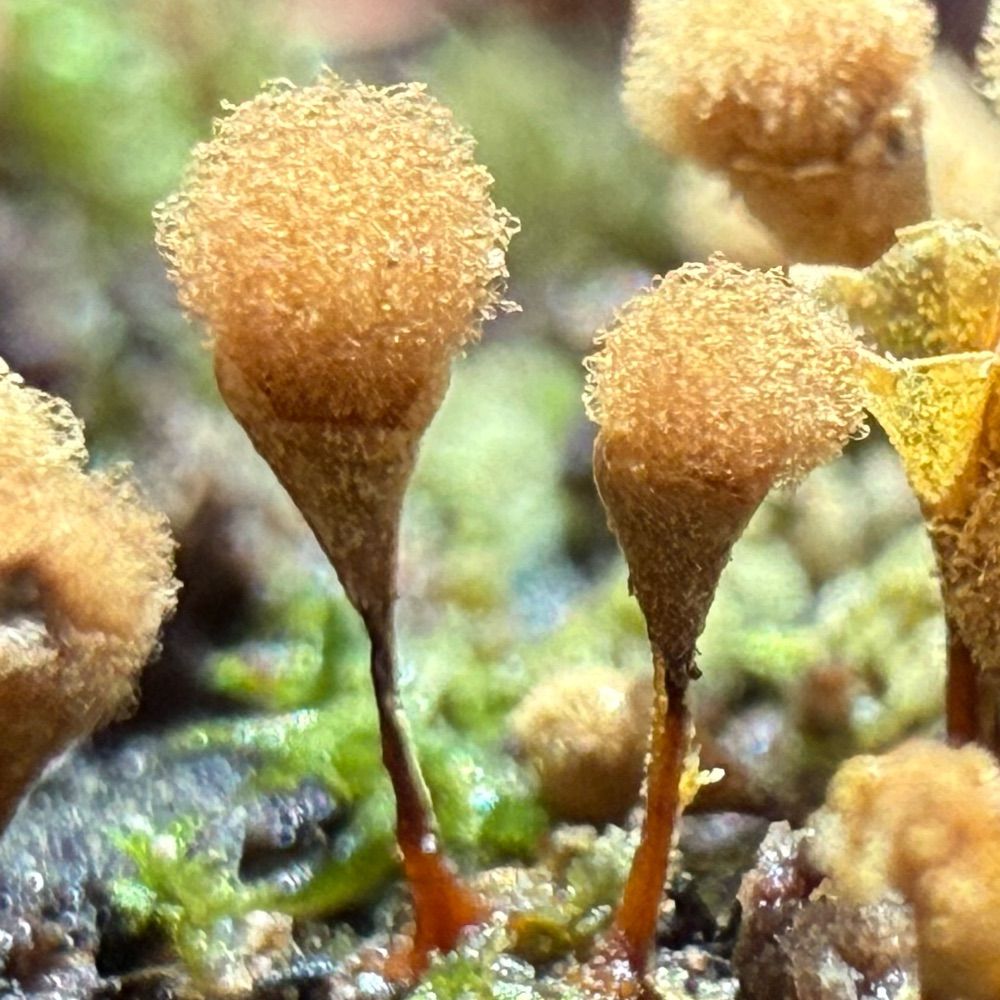
Oh I don’t need music, I always watch videos muted if they have unrelated music 😅
It’s just that I catch myself expecting your plankton and ctenophores to make a sound, somehow
It’s just that I catch myself expecting your plankton and ctenophores to make a sound, somehow
December 27, 2025 at 5:58 PM
Oh I don’t need music, I always watch videos muted if they have unrelated music 😅
It’s just that I catch myself expecting your plankton and ctenophores to make a sound, somehow
It’s just that I catch myself expecting your plankton and ctenophores to make a sound, somehow
Awesome benthic ctenophores on this predatory tunicate. Also a cute little isopod. @schmidtocean.bsky.social dive 884 #argentiniandeepseeps #MarineLife #CONICET
December 22, 2025 at 4:09 PM
Awesome benthic ctenophores on this predatory tunicate. Also a cute little isopod. @schmidtocean.bsky.social dive 884 #argentiniandeepseeps #MarineLife #CONICET

In short, the methods were seriously flawed and the dataset broadly supports ctenophores sister with robust, theoretically sound methodologies.
December 17, 2025 at 11:58 PM
In short, the methods were seriously flawed and the dataset broadly supports ctenophores sister with robust, theoretically sound methodologies.

Ctenophores and Burrowing Anemones. A plate from the Oxford Book of Invertebrates (1971)

December 17, 2025 at 12:29 PM
Ctenophores and Burrowing Anemones. A plate from the Oxford Book of Invertebrates (1971)
Arano-Ansola et al. (2025 preprint, 12月 December)(オープンアクセス open access)
「18Sの系統的配置の正確性を評価し,初期に分岐した動物に潜む隠れた多様性を明らかにする」
Evaluating 18S Phylogenetic Placement Accuracy to Uncover Hidden Diversity in Early Branching Animals
doi.org/10.64898/202...
Unknown sister clade to all known extant ctenophores!?
「18Sの系統的配置の正確性を評価し,初期に分岐した動物に潜む隠れた多様性を明らかにする」
Evaluating 18S Phylogenetic Placement Accuracy to Uncover Hidden Diversity in Early Branching Animals
doi.org/10.64898/202...
Unknown sister clade to all known extant ctenophores!?

December 12, 2025 at 1:20 PM
Arano-Ansola et al. (2025 preprint, 12月 December)(オープンアクセス open access)
「18Sの系統的配置の正確性を評価し,初期に分岐した動物に潜む隠れた多様性を明らかにする」
Evaluating 18S Phylogenetic Placement Accuracy to Uncover Hidden Diversity in Early Branching Animals
doi.org/10.64898/202...
Unknown sister clade to all known extant ctenophores!?
「18Sの系統的配置の正確性を評価し,初期に分岐した動物に潜む隠れた多様性を明らかにする」
Evaluating 18S Phylogenetic Placement Accuracy to Uncover Hidden Diversity in Early Branching Animals
doi.org/10.64898/202...
Unknown sister clade to all known extant ctenophores!?
Copley (2025, 12月 December, Molecular Biology and Evolution)(オープンアクセス open access)
「海綿動物,有櫛動物,そしてシンテニーの統計的有意性」
Sponges, ctenophores and the statistical significance of syntenies
doi.org/10.1093/molb...
振り子は海綿姉妹群仮説へと傾いていく...!!🧽
「海綿動物,有櫛動物,そしてシンテニーの統計的有意性」
Sponges, ctenophores and the statistical significance of syntenies
doi.org/10.1093/molb...
振り子は海綿姉妹群仮説へと傾いていく...!!🧽

December 10, 2025 at 6:05 PM
Copley (2025, 12月 December, Molecular Biology and Evolution)(オープンアクセス open access)
「海綿動物,有櫛動物,そしてシンテニーの統計的有意性」
Sponges, ctenophores and the statistical significance of syntenies
doi.org/10.1093/molb...
振り子は海綿姉妹群仮説へと傾いていく...!!🧽
「海綿動物,有櫛動物,そしてシンテニーの統計的有意性」
Sponges, ctenophores and the statistical significance of syntenies
doi.org/10.1093/molb...
振り子は海綿姉妹群仮説へと傾いていく...!!🧽
The curious case of the comb jelly, where we described a comb jelly with the ability to reverse its development to an earlier stage of life, is now also available at #spotify 🤩 #ctenophores 🪼⏪
open.spotify.com/episode/6c2O...
with @joanjsoto.bsky.social @msarscentre.bsky.social
open.spotify.com/episode/6c2O...
with @joanjsoto.bsky.social @msarscentre.bsky.social

December 9, 2025 at 2:02 PM
The curious case of the comb jelly, where we described a comb jelly with the ability to reverse its development to an earlier stage of life, is now also available at #spotify 🤩 #ctenophores 🪼⏪
open.spotify.com/episode/6c2O...
with @joanjsoto.bsky.social @msarscentre.bsky.social
open.spotify.com/episode/6c2O...
with @joanjsoto.bsky.social @msarscentre.bsky.social
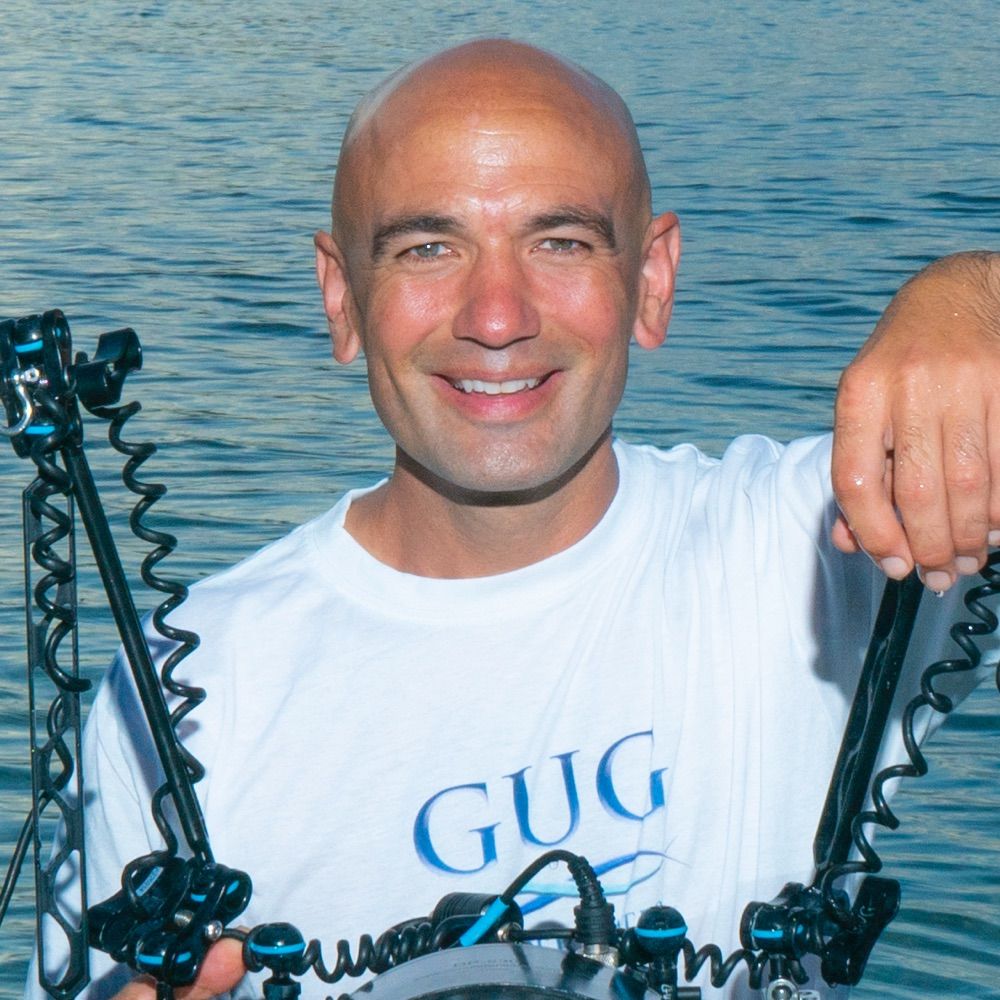
#Ctenophores! There are soooo many types! Did you know some aren’t pelagic, but rather benthic, so the live on the bottom, or, in this case, attached to this sea star?!? The tentacles aren’t stingy, so yes, they’re safe to lick. 👅
#ctenophore #tulamben #gug #cheisgug #gugunderwater #fishnerd
#ctenophore #tulamben #gug #cheisgug #gugunderwater #fishnerd
December 7, 2025 at 2:14 PM
#Ctenophores! There are soooo many types! Did you know some aren’t pelagic, but rather benthic, so the live on the bottom, or, in this case, attached to this sea star?!? The tentacles aren’t stingy, so yes, they’re safe to lick. 👅
#ctenophore #tulamben #gug #cheisgug #gugunderwater #fishnerd
#ctenophore #tulamben #gug #cheisgug #gugunderwater #fishnerd

Congratulations to @inesfournon.bsky.social and @ruthstyfhals.bsky.social on their amazing talks at the very first BIO-Early Career Community Conference at @unibergen.bsky.social ✨ We are proud to support this fantastic initiative that brought our local community of young scientists together 👏


December 4, 2025 at 3:50 PM
Congratulations to @inesfournon.bsky.social and @ruthstyfhals.bsky.social on their amazing talks at the very first BIO-Early Career Community Conference at @unibergen.bsky.social ✨ We are proud to support this fantastic initiative that brought our local community of young scientists together 👏