




Priya Prakash
@pryprk.bsky.social
Neuroscience postdoc at NYU Grossman School of Medicine researching glial cell contributions to neurodegeneration. https://www.pryprk.com/
Pinned
Priya Prakash
@pryprk.bsky.social
· Oct 24

I am proud to share our work on X-linked Dystonia-Parkinsonism — a rare neurodegenerative movement disorder driven by a SINE-VNTR-Alu retrotransposon insertion in the TAF1 gene.
Read our two companion papers:
🔹 www.biorxiv.org/content/10.1...
🔹 www.biorxiv.org/content/10.1...
🧵 Highlights below!
Read our two companion papers:
🔹 www.biorxiv.org/content/10.1...
🔹 www.biorxiv.org/content/10.1...
🧵 Highlights below!
Spatially resolved transcriptome–metabolome integration reveals region-specific glial lipid dysregulation associated with Alzheimer’s pathology www.biorxiv.org/content/10.6...
Spatially resolved transcriptome–metabolome integration reveals region-specific glial lipid dysregulation associated with Alzheimer’s pathology
Glial cells maintain the brain’s lipid and energy balance, and their breakdown is increasingly recognized as a causal contributor to Alzheimer’s disease (AD). While this concept is established, no approach has directly shown how glial homeostatic failure manifests across brain regions and microenvironments or how it links local pathology, such as plaques, to global metabolic imbalance. To address this gap, we developed iMIST, an integrated platform that combines MALDI-based metabolite imaging, histology, and spatial transcriptomics within a single tissue section to align molecular and anatomical information. Using a mouse model of late-onset AD that recapitulates both amyloid deposition and metabolic vulnerability, iMIST revealed that glial lipid dysregulation is widespread but spatially specialized. In gray matter, plaque-associated microglia were associated with upregulated glycerophospholipid-remodeling in cortico-thalamic areas indicating metabolic stress around local pathology. In contrast, white matter tracts rich in lipid-producing oligodendrocytes show plaque-independent deficits in galactosylceramide metabolism reflecting their high myelin demand. Both processes intensify with age, transforming adaptive glial responses into persistent metabolic dysfunction. Together, these findings demonstrate the spatial interplay between global glial metabolic imbalance and local microenvironmental stressors associated with AD pathology. By integrating transcriptomic and metabolomic information in situ , iMIST provides a framework for uncovering how regional glial vulnerability shapes the pathogenesis of neurodegenerative diseases. ### Competing Interest Statement The authors have declared no competing interest. NIH, R01NS130876, R01AI178795, R01AI149699, R42GM143989, P01AG002132, R01AG082141
www.biorxiv.org
January 30, 2026 at 6:01 PM
Spatially resolved transcriptome–metabolome integration reveals region-specific glial lipid dysregulation associated with Alzheimer’s pathology www.biorxiv.org/content/10.6...
Dying oligodendrocytes persist without mitochondria www.biorxiv.org/content/10.6...
www.biorxiv.org
January 23, 2026 at 6:52 PM
Dying oligodendrocytes persist without mitochondria www.biorxiv.org/content/10.6...
Myelin is repaired by constitutive differentiation of oligodendrocyte progenitors www.science.org/doi/10.1126/...

Myelin is repaired by constitutive differentiation of oligodendrocyte progenitors
Oligodendrocytes form myelin sheaths around axons to enable rapid signaling within neural circuits. The generation of new oligodendrocytes through differentiation of oligodendrocyte precursor cells (O...
www.science.org
January 23, 2026 at 12:24 AM
Myelin is repaired by constitutive differentiation of oligodendrocyte progenitors www.science.org/doi/10.1126/...
Inducible deletion of DGAT1 and 2 from microglia exacerbates neurodegeneration and endolysosomal lipid accumulation in male PS19 mice www.sciencedirect.com/science/arti...

Inducible deletion of DGAT1 and 2 from microglia exacerbates neurodegeneration and endolysosomal lipid accumulation in male PS19 mice
Brain myeloid cells accumulate neutral lipids in multiple human neurodegenerative disorders and relevant mouse models. These lipids are often assumed …
www.sciencedirect.com
January 20, 2026 at 1:44 PM
Inducible deletion of DGAT1 and 2 from microglia exacerbates neurodegeneration and endolysosomal lipid accumulation in male PS19 mice www.sciencedirect.com/science/arti...
Reposted by Priya Prakash
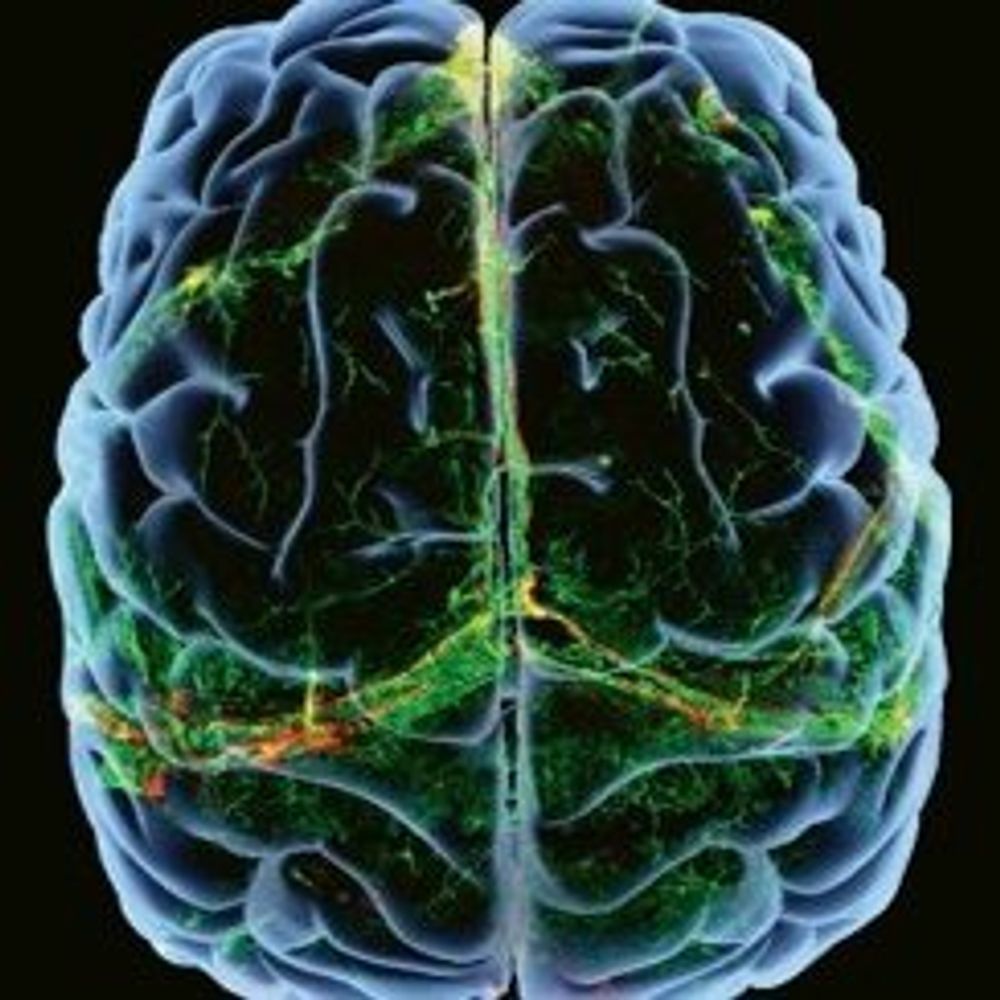
Here, long-term high-fat diet in ♂️🐭 induced anxiety- & depression-like behavior + ⬆️ lipid droplet–accumulating microglia, linking microglial lipid storage to neuroinflammation, which may underlie obesity-related psychiatric comorbidities
Single-cell RNA sequencing uncovers molecular features underlying microglial lipid accumulation and depression-related behaviors in high-fat diet mouse model of obesity | Neuropsychopharmacology
Obesity is a worldwide health crisis, with unhealthy diet as a major contributor. Comorbid neuropsychiatric conditions such as depression and anxiety are associated with obesity. Since obesity is a pro-inflammatory state, chronic neuroinflammation may mediate obesity and neuropsychiatric comorbidity. We used RNA-seq to provide a single-cell resolution transcriptome of brain immune cells using long-term high-fat diet (HFD) to model obesity in male mice. HFD mice exhibited depression and anxiety-like behavior. We observed a shift towards increased proportions of lipid droplet-accumulating microglia (LDAM) in the long-term HFD brain. By in-depth characterization of the transcriptional signature of LDAM, we identified that ACSL1, a key regulator of lipid droplet biogenesis, was highly expressed in LDAM induced by HFD. Finally, we demonstrated that ACSL1 inhibition reduced lipid droplets deposition in microglia exposed to free fatty acids (FFA). Our findings provide a comprehensive view of the molecular changes in brain immune cells associated with HFD, suggesting a link between microglial lipid droplet accumulation and neurological comorbidities induced by obesity.
www.nature.com
January 9, 2026 at 5:31 PM
Here, long-term high-fat diet in ♂️🐭 induced anxiety- & depression-like behavior + ⬆️ lipid droplet–accumulating microglia, linking microglial lipid storage to neuroinflammation, which may underlie obesity-related psychiatric comorbidities
Reposted by Priya Prakash

Textbooks said neurons don’t burn fatty acids for energy🤔. Our study delivers the first in vivo demonstration that fatty acid oxidation in defined memory neurons fuels memory formation.
Closing chapter of my PhD 🥳, out today in Nature Metabolism💥 @natmetabolism.nature.com
Closing chapter of my PhD 🥳, out today in Nature Metabolism💥 @natmetabolism.nature.com

Neuronal fatty acid oxidation fuels memory after intensive learning in Drosophila - Nature Metabolism
Neurons are shown to use fatty acid β-oxidation as a fuel source for memory formation upon intensive learning in Drosophila, challenging the view that neurons are unable to use fatty acids for energy ...
www.nature.com
December 10, 2025 at 11:13 AM
Textbooks said neurons don’t burn fatty acids for energy🤔. Our study delivers the first in vivo demonstration that fatty acid oxidation in defined memory neurons fuels memory formation.
Closing chapter of my PhD 🥳, out today in Nature Metabolism💥 @natmetabolism.nature.com
Closing chapter of my PhD 🥳, out today in Nature Metabolism💥 @natmetabolism.nature.com
I was featured on The Scientist as a part of their 'Postdoc Portraits' series where I spoke about my scientific career path and ongoing work on oligodendrocyte dysfunction in neurodegeneration. Check it out! www.the-scientist.com/postdoc-port...

Postdoc Portrait: Priya Prakash
This postdoc uncovers how glial dysfunction drives neurodegeneration in a rare movement disorder.
www.the-scientist.com
December 1, 2025 at 6:56 PM
I was featured on The Scientist as a part of their 'Postdoc Portraits' series where I spoke about my scientific career path and ongoing work on oligodendrocyte dysfunction in neurodegeneration. Check it out! www.the-scientist.com/postdoc-port...
Reposted by Priya Prakash

PREPRINTS ON THEIR WORK:
Priya - www.biorxiv.org/content/10.1... and www.biorxiv.org/content/10.1... (press - www.npr.org/2024/10/07/n...)
Melissa - www.biorxiv.org/content/10.1... (press - www.thetransmitter.org/astrocytes/a...)
Priya - www.biorxiv.org/content/10.1... and www.biorxiv.org/content/10.1... (press - www.npr.org/2024/10/07/n...)
Melissa - www.biorxiv.org/content/10.1... (press - www.thetransmitter.org/astrocytes/a...)
www.biorxiv.org
November 18, 2025 at 8:58 PM
PREPRINTS ON THEIR WORK:
Priya - www.biorxiv.org/content/10.1... and www.biorxiv.org/content/10.1... (press - www.npr.org/2024/10/07/n...)
Melissa - www.biorxiv.org/content/10.1... (press - www.thetransmitter.org/astrocytes/a...)
Priya - www.biorxiv.org/content/10.1... and www.biorxiv.org/content/10.1... (press - www.npr.org/2024/10/07/n...)
Melissa - www.biorxiv.org/content/10.1... (press - www.thetransmitter.org/astrocytes/a...)
Reposted by Priya Prakash
#SfN #SocietyForGlia
STARTING NOW!
Ending strong with the last www.liddelowlab.com presentations of the week.
@pryprk.bsky.social
talking about a world first mouse model for XDP... and OLIGODENDROCYTES!
@melcooperphd.bsky.social
presenting on astrocyte networks in the mouse forebrain.
STARTING NOW!
Ending strong with the last www.liddelowlab.com presentations of the week.
@pryprk.bsky.social
talking about a world first mouse model for XDP... and OLIGODENDROCYTES!
@melcooperphd.bsky.social
presenting on astrocyte networks in the mouse forebrain.


November 18, 2025 at 8:58 PM
#SfN #SocietyForGlia
STARTING NOW!
Ending strong with the last www.liddelowlab.com presentations of the week.
@pryprk.bsky.social
talking about a world first mouse model for XDP... and OLIGODENDROCYTES!
@melcooperphd.bsky.social
presenting on astrocyte networks in the mouse forebrain.
STARTING NOW!
Ending strong with the last www.liddelowlab.com presentations of the week.
@pryprk.bsky.social
talking about a world first mouse model for XDP... and OLIGODENDROCYTES!
@melcooperphd.bsky.social
presenting on astrocyte networks in the mouse forebrain.
Reposted by Priya Prakash
IT'S A BUSY AFTERNOON FOR THE LAB!
@mrodea.bsky.social - astrocyte chromatin in reactive astrocytes across the forebrain
Nick Kathman - COCKROACH BRAIN ALERT! (is this the largest single cell atlas of an insect brain?)
@liddelowsa.bsky.social - multiomic approaches to study astrocyte reacitivity
@mrodea.bsky.social - astrocyte chromatin in reactive astrocytes across the forebrain
Nick Kathman - COCKROACH BRAIN ALERT! (is this the largest single cell atlas of an insect brain?)
@liddelowsa.bsky.social - multiomic approaches to study astrocyte reacitivity


November 17, 2025 at 8:39 PM
IT'S A BUSY AFTERNOON FOR THE LAB!
@mrodea.bsky.social - astrocyte chromatin in reactive astrocytes across the forebrain
Nick Kathman - COCKROACH BRAIN ALERT! (is this the largest single cell atlas of an insect brain?)
@liddelowsa.bsky.social - multiomic approaches to study astrocyte reacitivity
@mrodea.bsky.social - astrocyte chromatin in reactive astrocytes across the forebrain
Nick Kathman - COCKROACH BRAIN ALERT! (is this the largest single cell atlas of an insect brain?)
@liddelowsa.bsky.social - multiomic approaches to study astrocyte reacitivity
Reposted by Priya Prakash
Congrats to our very own Ipshita Zutshi on being awarded the Peter & Patricia Gruber International Research Award in Neuroscience!! #SfN25

November 16, 2025 at 11:42 PM
Congrats to our very own Ipshita Zutshi on being awarded the Peter & Patricia Gruber International Research Award in Neuroscience!! #SfN25
Very happy to have contributed to this new review on Lewy body dementia in @thelancetneuro.bsky.social led by Sonja W. Scholz. We highlight the latest advances in genetics and pathology. @liddelowsa.bsky.social Check it out! www.sciencedirect.com/science/arti...

Advances in the genetics and pathology of Lewy body dementia
Lewy body dementia is a heterogeneous disease that is underdiagnosed and poorly understood. Pathologically, Lewy body dementia is characterised by the…
www.sciencedirect.com
November 13, 2025 at 12:56 AM
Very happy to have contributed to this new review on Lewy body dementia in @thelancetneuro.bsky.social led by Sonja W. Scholz. We highlight the latest advances in genetics and pathology. @liddelowsa.bsky.social Check it out! www.sciencedirect.com/science/arti...
Looking forward to presenting our work on oligodendrocyte dysfunction in a rare neurodegenerative movement disorder X-linked Dystonia Parkinsonism. Come say hi if you're around on Tuesday, Nov 18 between 1-5 pm! @sfn.org #SfN2025 #SfN25
@sfn.org #SfN25 #SanDiego starts this Saturday. The lab is going to be there in full force - see our presentations below.
Represented this year by @borderbiologist.bsky.social, Nick Kathman, @mrodea.bsky.social, @melcooperphd.bsky.social, @pryprk.bsky.social, @kerrylimberg.bsky.social.
(1/2)
Represented this year by @borderbiologist.bsky.social, Nick Kathman, @mrodea.bsky.social, @melcooperphd.bsky.social, @pryprk.bsky.social, @kerrylimberg.bsky.social.
(1/2)

November 10, 2025 at 11:09 PM
Reposted by Priya Prakash
(1/2)
preprints:
@melcooperphd.bsky.social - astrocyte networks pubmed.ncbi.nlm.nih.gov/40777296/
@mrodea.bsky.social - single cell analysis & diversity www.biorxiv.org/content/10.1...
@pryprk.bsky.social - XDP www.biorxiv.org/content/10.1..., www.biorxiv.org/content/10.1...
See you in San Diego
preprints:
@melcooperphd.bsky.social - astrocyte networks pubmed.ncbi.nlm.nih.gov/40777296/
@mrodea.bsky.social - single cell analysis & diversity www.biorxiv.org/content/10.1...
@pryprk.bsky.social - XDP www.biorxiv.org/content/10.1..., www.biorxiv.org/content/10.1...
See you in San Diego
November 10, 2025 at 4:43 PM
(1/2)
preprints:
@melcooperphd.bsky.social - astrocyte networks pubmed.ncbi.nlm.nih.gov/40777296/
@mrodea.bsky.social - single cell analysis & diversity www.biorxiv.org/content/10.1...
@pryprk.bsky.social - XDP www.biorxiv.org/content/10.1..., www.biorxiv.org/content/10.1...
See you in San Diego
preprints:
@melcooperphd.bsky.social - astrocyte networks pubmed.ncbi.nlm.nih.gov/40777296/
@mrodea.bsky.social - single cell analysis & diversity www.biorxiv.org/content/10.1...
@pryprk.bsky.social - XDP www.biorxiv.org/content/10.1..., www.biorxiv.org/content/10.1...
See you in San Diego
Reposted by Priya Prakash
@sfn.org #SfN25 #SanDiego starts this Saturday. The lab is going to be there in full force - see our presentations below.
Represented this year by @borderbiologist.bsky.social, Nick Kathman, @mrodea.bsky.social, @melcooperphd.bsky.social, @pryprk.bsky.social, @kerrylimberg.bsky.social.
(1/2)
Represented this year by @borderbiologist.bsky.social, Nick Kathman, @mrodea.bsky.social, @melcooperphd.bsky.social, @pryprk.bsky.social, @kerrylimberg.bsky.social.
(1/2)
November 10, 2025 at 4:43 PM
@sfn.org #SfN25 #SanDiego starts this Saturday. The lab is going to be there in full force - see our presentations below.
Represented this year by @borderbiologist.bsky.social, Nick Kathman, @mrodea.bsky.social, @melcooperphd.bsky.social, @pryprk.bsky.social, @kerrylimberg.bsky.social.
(1/2)
Represented this year by @borderbiologist.bsky.social, Nick Kathman, @mrodea.bsky.social, @melcooperphd.bsky.social, @pryprk.bsky.social, @kerrylimberg.bsky.social.
(1/2)
Liver-brain axis in neuroinflammation. Hepatic acetyl-CoA metabolism modulates neuroinflammation and depression susceptibility via acetate. www.cell.com/cell-metabol...

Hepatic acetyl-CoA metabolism modulates neuroinflammation and depression susceptibility via acetate
Cao et al. show that hepatic hydrolysis of acetyl-CoA by acyl-CoA thioesterase 12
serves as a crucial source of circulating acetate mediating liver-brain communication,
which signals the brain to buff...
www.cell.com
November 7, 2025 at 1:47 PM
Liver-brain axis in neuroinflammation. Hepatic acetyl-CoA metabolism modulates neuroinflammation and depression susceptibility via acetate. www.cell.com/cell-metabol...
Reposted by Priya Prakash

Our latest collaboration with @rongfan8.bsky.social, spatial triomics to investigate myelin and cortical brain development, and demyelination, spearheaded by Leslie Kirby in our lab @ki.se and Di Zhang in Rong's lab! Check it out @nature.com
www.nature.com/articles/s41...
www.nature.com/articles/s41...

Spatial dynamics of brain development and neuroinflammation - Nature
A tri-omic atlas of the mouse brain from postnatal day 0 to P21 reveals that layer-specific projection neurons have a role in coordinating axonogenesis and myelination.
www.nature.com
November 5, 2025 at 4:03 PM
Our latest collaboration with @rongfan8.bsky.social, spatial triomics to investigate myelin and cortical brain development, and demyelination, spearheaded by Leslie Kirby in our lab @ki.se and Di Zhang in Rong's lab! Check it out @nature.com
www.nature.com/articles/s41...
www.nature.com/articles/s41...
Cholesterol metabolic reprogramming mediates microglia-induced chronic neuroinflammation and hinders neurorestoration following stroke www.nature.com/articles/s42...

Cholesterol metabolic reprogramming mediates microglia-induced chronic neuroinflammation and hinders neurorestoration following stroke - Nature Metabolism
Persistent microglial activation upon ischaemic injury leads to the formation of stroke-associated foamy microglia, perpetuating long-term inflammation, white matter damage and functional impairments....
www.nature.com
November 5, 2025 at 11:00 AM
Cholesterol metabolic reprogramming mediates microglia-induced chronic neuroinflammation and hinders neurorestoration following stroke www.nature.com/articles/s42...
Reposted by Priya Prakash
Heartbreaking, well crafted thread from an immigrant scientist who’s decided being in the US isn’t worth the struggle anymore.
After 13 years in the US, I’ve made the difficult decision to leave. Having packed up everything and rethought about priorities, rather painstakingly, while I’m sad to leave the life I’ve made here, I’m also relieved that I won’t have to plan my life around immigration policies anymore.
October 31, 2025 at 1:36 PM
Heartbreaking, well crafted thread from an immigrant scientist who’s decided being in the US isn’t worth the struggle anymore.
Reposted by Priya Prakash

After 13 years in the US, I’ve made the difficult decision to leave. Having packed up everything and rethought about priorities, rather painstakingly, while I’m sad to leave the life I’ve made here, I’m also relieved that I won’t have to plan my life around immigration policies anymore.
October 31, 2025 at 4:08 AM
After 13 years in the US, I’ve made the difficult decision to leave. Having packed up everything and rethought about priorities, rather painstakingly, while I’m sad to leave the life I’ve made here, I’m also relieved that I won’t have to plan my life around immigration policies anymore.
Oligodendroglial fatty acid metabolism as a central nervous system energy reserve www.nature.com/articles/s41...

Oligodendroglial fatty acid metabolism as a central nervous system energy reserve - Nature Neuroscience
Brain functions require a constant supply of glucose. However, the brain energy stores are unclear. Here, the authors show that oligodendroglial fatty acid metabolism can be an energy reserve for whit...
www.nature.com
November 1, 2025 at 1:29 AM
Oligodendroglial fatty acid metabolism as a central nervous system energy reserve www.nature.com/articles/s41...
Reposted by Priya Prakash

We're thrilled to publish 2 exciting preprints today on the molecular pathology of X-linked Dystonia Parkinsonism!
biorxiv.org/content/10.1...
AND
biorxiv.org/content/10.1...
@nyulangone.bsky.social
biorxiv.org/content/10.1...
AND
biorxiv.org/content/10.1...
@nyulangone.bsky.social
October 8, 2025 at 5:54 PM
We're thrilled to publish 2 exciting preprints today on the molecular pathology of X-linked Dystonia Parkinsonism!
biorxiv.org/content/10.1...
AND
biorxiv.org/content/10.1...
@nyulangone.bsky.social
biorxiv.org/content/10.1...
AND
biorxiv.org/content/10.1...
@nyulangone.bsky.social
Reposted by Priya Prakash
We've been doing some amazing stuff outside the astrocyte realm.
Check out our latest Oligo investigation led by @pryprk.bsky.social !
Check out our latest Oligo investigation led by @pryprk.bsky.social !
I am proud to share our work on X-linked Dystonia-Parkinsonism — a rare neurodegenerative movement disorder driven by a SINE-VNTR-Alu retrotransposon insertion in the TAF1 gene.
Read our two companion papers:
🔹 www.biorxiv.org/content/10.1...
🔹 www.biorxiv.org/content/10.1...
🧵 Highlights below!
Read our two companion papers:
🔹 www.biorxiv.org/content/10.1...
🔹 www.biorxiv.org/content/10.1...
🧵 Highlights below!
October 24, 2025 at 4:40 PM
We've been doing some amazing stuff outside the astrocyte realm.
Check out our latest Oligo investigation led by @pryprk.bsky.social !
Check out our latest Oligo investigation led by @pryprk.bsky.social !
I am proud to share our work on X-linked Dystonia-Parkinsonism — a rare neurodegenerative movement disorder driven by a SINE-VNTR-Alu retrotransposon insertion in the TAF1 gene.
Read our two companion papers:
🔹 www.biorxiv.org/content/10.1...
🔹 www.biorxiv.org/content/10.1...
🧵 Highlights below!
Read our two companion papers:
🔹 www.biorxiv.org/content/10.1...
🔹 www.biorxiv.org/content/10.1...
🧵 Highlights below!
October 24, 2025 at 4:32 PM
I am proud to share our work on X-linked Dystonia-Parkinsonism — a rare neurodegenerative movement disorder driven by a SINE-VNTR-Alu retrotransposon insertion in the TAF1 gene.
Read our two companion papers:
🔹 www.biorxiv.org/content/10.1...
🔹 www.biorxiv.org/content/10.1...
🧵 Highlights below!
Read our two companion papers:
🔹 www.biorxiv.org/content/10.1...
🔹 www.biorxiv.org/content/10.1...
🧵 Highlights below!
Myelin injury precedes axonal injury and symptomatic onset in multiple sclerosis www.nature.com/articles/s41...

Myelin injury precedes axonal injury and symptomatic onset in multiple sclerosis - Nature Medicine
Myelin damage in multiple sclerosis can be detected up to 7 years before symptoms, with early immune pathway activation and a 21-protein panel showing promise for presymptomatic diagnosis.
www.nature.com
October 22, 2025 at 2:50 AM
Myelin injury precedes axonal injury and symptomatic onset in multiple sclerosis www.nature.com/articles/s41...