




Reposted by Seilem
Helme süüdistab Eestit droonirünnaku abistamises ja küsib: „Kas antakse aru, et see tähendab Eesti-poolset sõja alustamist Venemaaga meie territooriumil?“
Ei tähenda ju.
Raske on mõista, miks sõnastab Helme ise Venemaale alusetuid õigustusi meie ründamiseks.
epl.delfi.ee/artikkel/120...?
Ei tähenda ju.
Raske on mõista, miks sõnastab Helme ise Venemaale alusetuid õigustusi meie ründamiseks.
epl.delfi.ee/artikkel/120...?

Martin Laine: erakordselt raske on mõista, miks sõnastab Martin Helme ise Venemaale õigustusi Eesti ründamiseks
See, kui pidada Ukraina suveräänsust sõjakuulutuseks Venemaa vastu, legitimeerib Vladimir Putini sõnaõigust suveräänsete riikide üle
epl.delfi.ee
August 27, 2025 at 3:41 PM
Helme süüdistab Eestit droonirünnaku abistamises ja küsib: „Kas antakse aru, et see tähendab Eesti-poolset sõja alustamist Venemaaga meie territooriumil?“
Ei tähenda ju.
Raske on mõista, miks sõnastab Helme ise Venemaale alusetuid õigustusi meie ründamiseks.
epl.delfi.ee/artikkel/120...?
Ei tähenda ju.
Raske on mõista, miks sõnastab Helme ise Venemaale alusetuid õigustusi meie ründamiseks.
epl.delfi.ee/artikkel/120...?

Reposted by Seilem

Blogged: I'm too dumb for Zig's new IO interface
www.openmymind.net/Im-Too-Dumb-...
www.openmymind.net/Im-Too-Dumb-...
August 22, 2025 at 11:56 AM
Blogged: I'm too dumb for Zig's new IO interface
www.openmymind.net/Im-Too-Dumb-...
www.openmymind.net/Im-Too-Dumb-...
Reposted by Seilem
It's as if Trump doesn't understand that his leverage over both Putin and Zelensky was mostly tied to the US spending a lot of money helping Ukraine.

Trump says that America spent money "foolishly" to support Ukraine and adds, "we're not spending money anymore"
August 14, 2025 at 9:33 PM
It's as if Trump doesn't understand that his leverage over both Putin and Zelensky was mostly tied to the US spending a lot of money helping Ukraine.

Reposted by Seilem
If Donald Trump wanted to give Russia a helping hand with their summer offensive, it would look exactly like what we are seeing. That is my point in this video, where I also discuss the air war and give a status on the frontline situation. #Ukraine
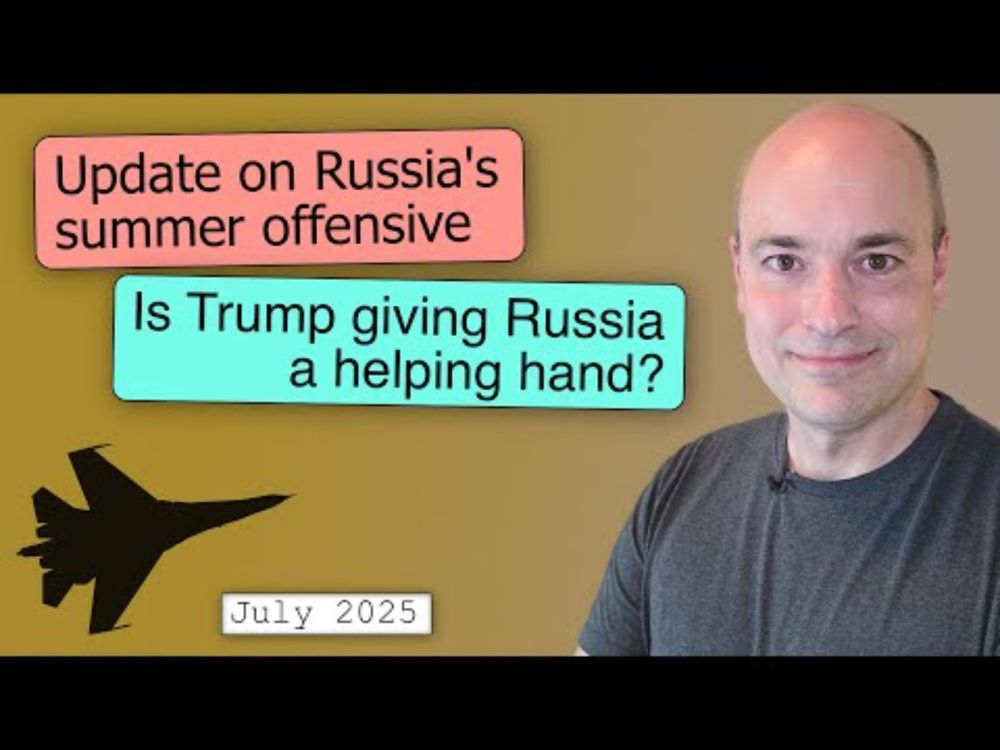
War update – Is Trump helping Russia now?
YouTube video by Anders Puck Nielsen
www.youtube.com
July 7, 2025 at 7:54 AM
If Donald Trump wanted to give Russia a helping hand with their summer offensive, it would look exactly like what we are seeing. That is my point in this video, where I also discuss the air war and give a status on the frontline situation. #Ukraine
Reposted by Seilem

Zig SHOWTIME #41 will be about the Zig Roadmap for 2026 w/ Andrew Kelley
The episode will air live on Twitch on July 2nd 2025 at 9AM PDT / 4pm UTC / 6mp CEST.
See https://zig.show for more information and precise airing time.
The episode will air live on Twitch on July 2nd 2025 at 9AM PDT / 4pm UTC / 6mp CEST.
See https://zig.show for more information and precise airing time.
Zig SHOWTIME
https://zig.show
zig.show
June 30, 2025 at 3:37 PM
Zig SHOWTIME #41 will be about the Zig Roadmap for 2026 w/ Andrew Kelley
The episode will air live on Twitch on July 2nd 2025 at 9AM PDT / 4pm UTC / 6mp CEST.
See https://zig.show for more information and precise airing time.
The episode will air live on Twitch on July 2nd 2025 at 9AM PDT / 4pm UTC / 6mp CEST.
See https://zig.show for more information and precise airing time.
Reposted by Seilem
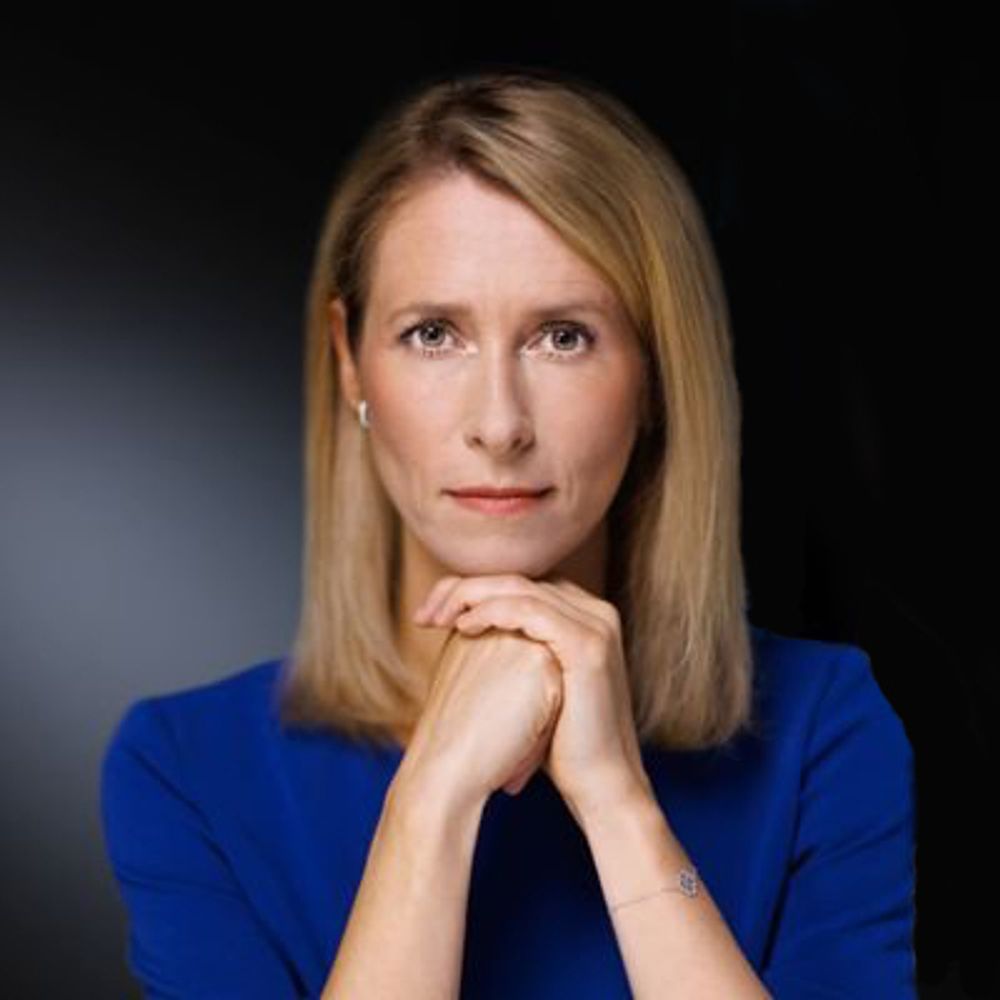
While claiming to seek peace, Russia launched a deadly airstrike on Kyiv.
This isn't a pursuit of peace, it’s a mockery of it.
The real obstacle is not Ukraine but Russia, whose war aims have not changed.
This isn't a pursuit of peace, it’s a mockery of it.
The real obstacle is not Ukraine but Russia, whose war aims have not changed.
April 24, 2025 at 9:51 AM
While claiming to seek peace, Russia launched a deadly airstrike on Kyiv.
This isn't a pursuit of peace, it’s a mockery of it.
The real obstacle is not Ukraine but Russia, whose war aims have not changed.
This isn't a pursuit of peace, it’s a mockery of it.
The real obstacle is not Ukraine but Russia, whose war aims have not changed.
Reposted by Seilem

Pentesters must rebrand themselves as Vibe Checkers.
March 19, 2025 at 8:40 PM
Pentesters must rebrand themselves as Vibe Checkers.
Reposted by Seilem
Moscow is celebrating because they finally got a multi-polar world order, but I don't think they envisioned this including a European continent armed to the teeth.
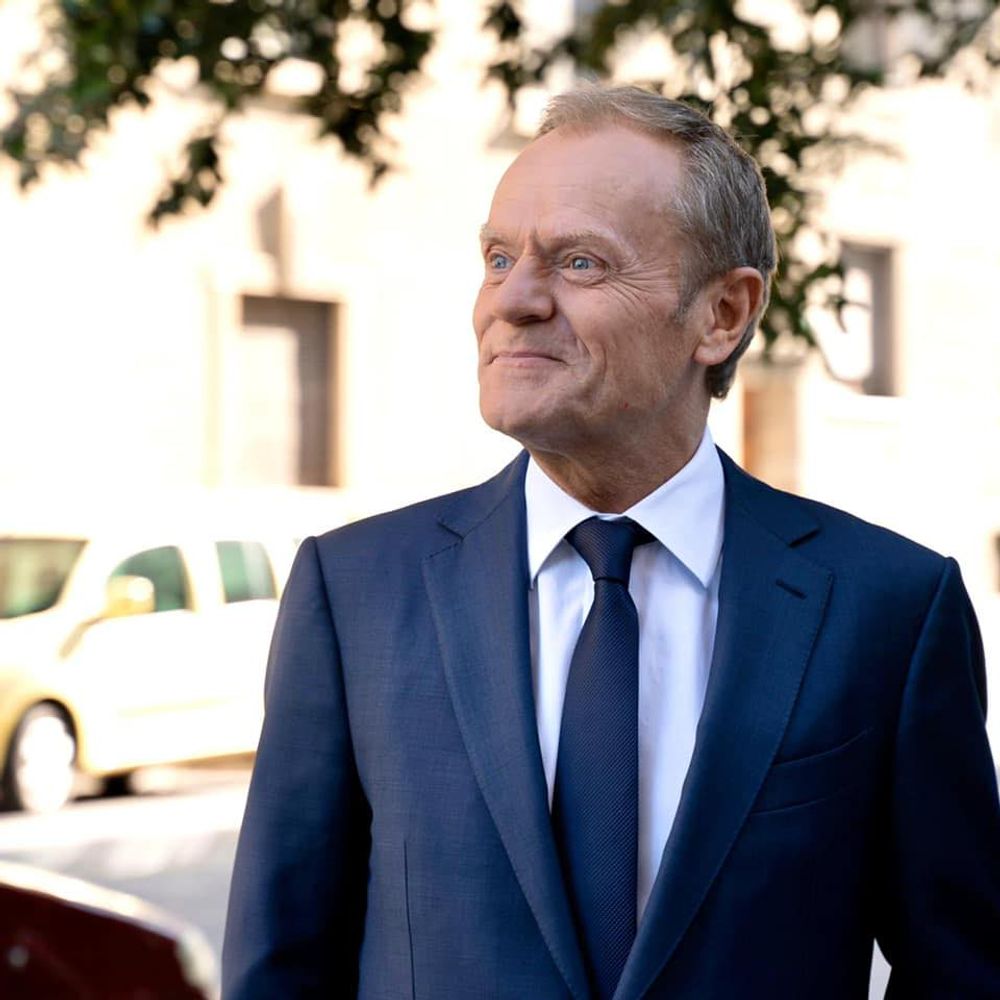
The war, the geopolitical uncertainty and the new arms race started by Putin have left Europe with no choice. Europe must be ready for this race, and Russia will lose it like the Soviet Union 40 years ago. From today, Europe will arm itself more wisely and faster than Russia.
March 6, 2025 at 12:32 PM
Moscow is celebrating because they finally got a multi-polar world order, but I don't think they envisioned this including a European continent armed to the teeth.
Reposted by Seilem
Will Pistorius take over the leadership of SPD? A Merz/Pistorius government sounds quite promising for European security.
February 23, 2025 at 6:17 PM
Will Pistorius take over the leadership of SPD? A Merz/Pistorius government sounds quite promising for European security.
Reposted by Seilem

Welcome to the resistance idk man

February 19, 2025 at 7:18 PM
Welcome to the resistance idk man
Reposted by Seilem

🇪🇺🇺🇦 European government officials are working on a new, comprehensive package to increase defense spending and support Kyiv, - Berliner Zeitung
🇩🇪 Baerbock hinted that it could be ~€700 billion: "We will launch a large package that has never been seen on this scale before."
🇩🇪 Baerbock hinted that it could be ~€700 billion: "We will launch a large package that has never been seen on this scale before."
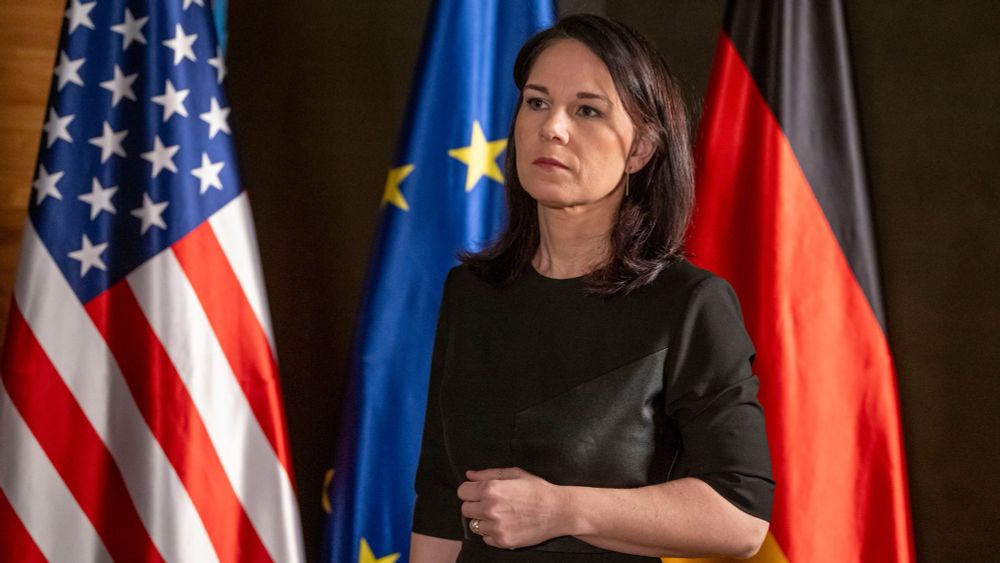
February 18, 2025 at 8:46 AM
🇪🇺🇺🇦 European government officials are working on a new, comprehensive package to increase defense spending and support Kyiv, - Berliner Zeitung
🇩🇪 Baerbock hinted that it could be ~€700 billion: "We will launch a large package that has never been seen on this scale before."
🇩🇪 Baerbock hinted that it could be ~€700 billion: "We will launch a large package that has never been seen on this scale before."

Reposted by Seilem

295,000 journalists from 44 countries will stop posting content on X. We are making change and the world has spoken.
www.thelondoneconomic.com/news/media/e...
www.thelondoneconomic.com/news/media/e...
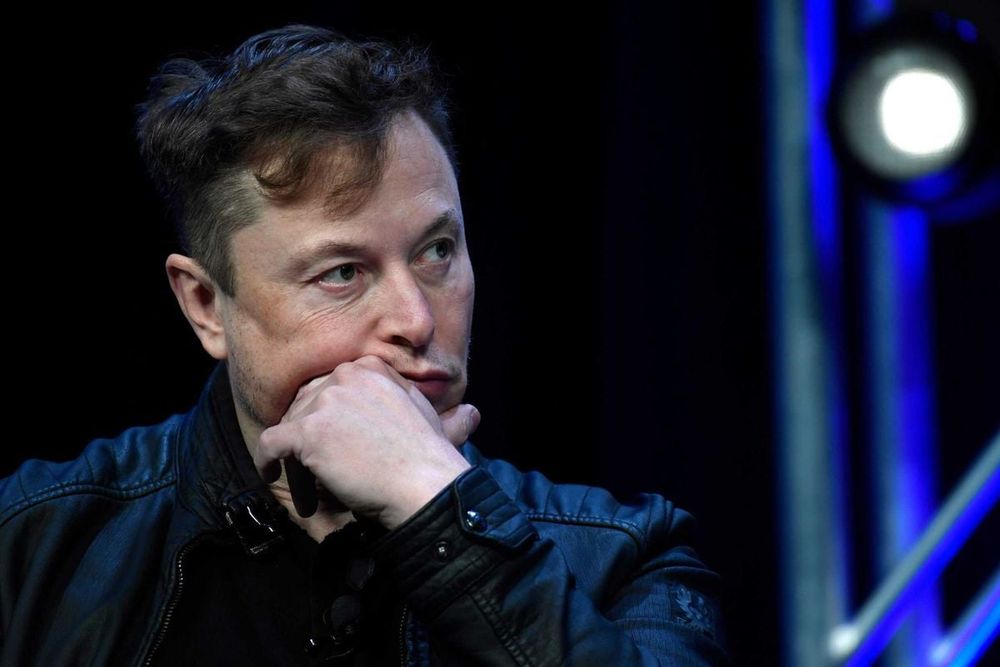
European Federation of Journalists to stop posting content on X
The EFJ represents over 295,000 journalists in 44 countries.
www.thelondoneconomic.com
December 2, 2024 at 10:38 AM
295,000 journalists from 44 countries will stop posting content on X. We are making change and the world has spoken.
www.thelondoneconomic.com/news/media/e...
www.thelondoneconomic.com/news/media/e...
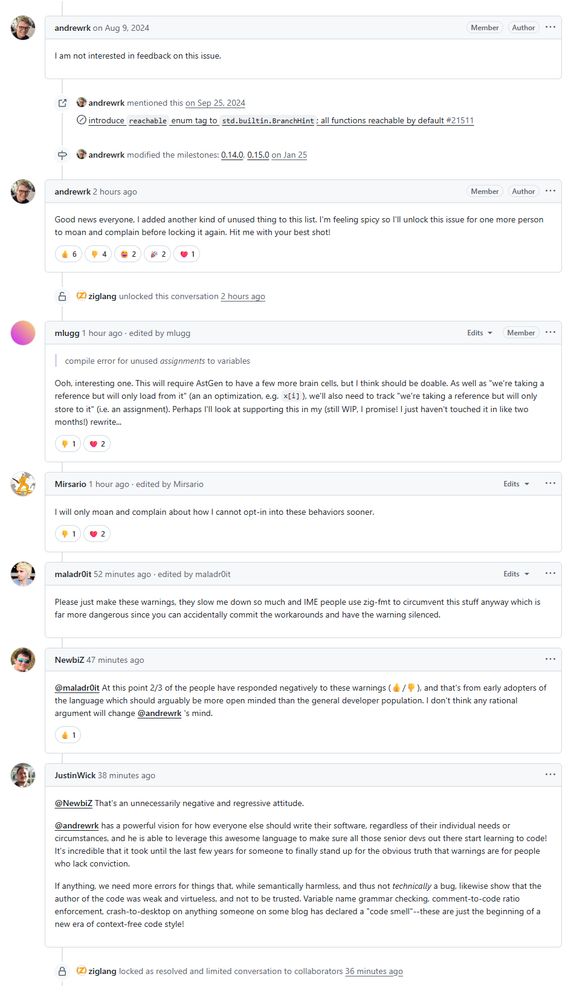
What I love about #Ziglang is the lack of many basic tools that other languages provide. I actually and truly love reinventing the wheel because I learn so much doing it!
November 30, 2024 at 7:52 PM
What I love about #Ziglang is the lack of many basic tools that other languages provide. I actually and truly love reinventing the wheel because I learn so much doing it!
Reposted by Seilem

Reposted by Seilem

October 21, 2024 at 9:11 AM