So happy to make my first official publication of 2026 in @thebkmagazine.bsky.social, which includes my poem, "Nyctinasty" in the new issue!
01_Winter2026.pdf
drive.google.com
January 5, 2026 at 10:37 PM
So happy to make my first official publication of 2026 in @thebkmagazine.bsky.social, which includes my poem, "Nyctinasty" in the new issue!

How Plants Sleep: Oxalis triangularis 🌿
Oxalis triangularis shows nightly “sleep” movements (nyctinasty) — leaves fold down after lights-off and rise again after lights-on.
5-day timelapse.
#HowPlantsSleep #Oxalis #OxalisTriangularis #Nyctinasty #PlantTimelapse #PlantScience #Houseplants
Oxalis triangularis shows nightly “sleep” movements (nyctinasty) — leaves fold down after lights-off and rise again after lights-on.
5-day timelapse.
#HowPlantsSleep #Oxalis #OxalisTriangularis #Nyctinasty #PlantTimelapse #PlantScience #Houseplants
December 15, 2025 at 12:40 PM
How Plants Sleep: Oxalis triangularis 🌿
Oxalis triangularis shows nightly “sleep” movements (nyctinasty) — leaves fold down after lights-off and rise again after lights-on.
5-day timelapse.
#HowPlantsSleep #Oxalis #OxalisTriangularis #Nyctinasty #PlantTimelapse #PlantScience #Houseplants
Oxalis triangularis shows nightly “sleep” movements (nyctinasty) — leaves fold down after lights-off and rise again after lights-on.
5-day timelapse.
#HowPlantsSleep #Oxalis #OxalisTriangularis #Nyctinasty #PlantTimelapse #PlantScience #Houseplants

Nice shot and the position of the petals suggest that this is a member of the Asteraceae family. If so the petals follow the sun across the sky (heliotropism) and also close at night and open back in the day (nyctinasty)
So a pretty clever plant 😄
So a pretty clever plant 😄
December 15, 2025 at 6:57 AM
Nice shot and the position of the petals suggest that this is a member of the Asteraceae family. If so the petals follow the sun across the sky (heliotropism) and also close at night and open back in the day (nyctinasty)
So a pretty clever plant 😄
So a pretty clever plant 😄

Nyctinasty (nice to nasty)
November 30, 2025 at 9:15 PM
Nyctinasty (nice to nasty)
How Plants Sleep – The Night Life of Leaves
A timelapse of nightly leaf movements — Mimosa, Oxalis, Maranta, Desmodium.
#circadianplants #howplantssleep #planttimelapse #nyctinasty #sleepingplants #mimosapudica #PrayerPlant #DesmodiumGyrans #SennaAlata #oxalis
A timelapse of nightly leaf movements — Mimosa, Oxalis, Maranta, Desmodium.
#circadianplants #howplantssleep #planttimelapse #nyctinasty #sleepingplants #mimosapudica #PrayerPlant #DesmodiumGyrans #SennaAlata #oxalis
November 7, 2025 at 7:53 PM
How Plants Sleep – The Night Life of Leaves
A timelapse of nightly leaf movements — Mimosa, Oxalis, Maranta, Desmodium.
#circadianplants #howplantssleep #planttimelapse #nyctinasty #sleepingplants #mimosapudica #PrayerPlant #DesmodiumGyrans #SennaAlata #oxalis
A timelapse of nightly leaf movements — Mimosa, Oxalis, Maranta, Desmodium.
#circadianplants #howplantssleep #planttimelapse #nyctinasty #sleepingplants #mimosapudica #PrayerPlant #DesmodiumGyrans #SennaAlata #oxalis

Very interesting post Mick 🤩 Have had those flowers, just for the summer time, but never heard the term nyctinasty, in Finnish nyktinastia. Love to learn, so big thanks. And beautiful shots as well 👌
August 23, 2025 at 2:37 PM
Very interesting post Mick 🤩 Have had those flowers, just for the summer time, but never heard the term nyctinasty, in Finnish nyktinastia. Love to learn, so big thanks. And beautiful shots as well 👌

Gazania flowers in my garden yesterday.
At night or on dull or cloudy days, Gazania flowers close their blooms in response to the lack of sunlight, a natural behaviour called nyctinasty. A response to the daily cycle of light and darkness.
#bloomscrolling #flowers #nature #photography #eastcoastkin
At night or on dull or cloudy days, Gazania flowers close their blooms in response to the lack of sunlight, a natural behaviour called nyctinasty. A response to the daily cycle of light and darkness.
#bloomscrolling #flowers #nature #photography #eastcoastkin


August 22, 2025 at 10:29 AM
Gazania flowers in my garden yesterday.
At night or on dull or cloudy days, Gazania flowers close their blooms in response to the lack of sunlight, a natural behaviour called nyctinasty. A response to the daily cycle of light and darkness.
#bloomscrolling #flowers #nature #photography #eastcoastkin
At night or on dull or cloudy days, Gazania flowers close their blooms in response to the lack of sunlight, a natural behaviour called nyctinasty. A response to the daily cycle of light and darkness.
#bloomscrolling #flowers #nature #photography #eastcoastkin

Me: You better not be any kind of nasty when I get home.
The plant I got today:
The plant I got today:

August 10, 2025 at 1:09 AM
Me: You better not be any kind of nasty when I get home.
The plant I got today:
The plant I got today:
Oxalis are otherwise easy and lovely houseplants. They like a home kept on the cool side. Both flowers and leaves fold at night, a phenomenon called nyctinasty, a movement related to the onset of darkness.Mar 21, 2025
August 6, 2025 at 4:01 PM
Oxalis are otherwise easy and lovely houseplants. They like a home kept on the cool side. Both flowers and leaves fold at night, a phenomenon called nyctinasty, a movement related to the onset of darkness.Mar 21, 2025

A new post on my nature-ish blog - Nyctinasty of Chicory:
toground.link/nyctinasty-o...
#nature #chicory #flowers #indieweb #blog #secondPerson
toground.link/nyctinasty-o...
#nature #chicory #flowers #indieweb #blog #secondPerson

July 15, 2025 at 3:37 PM
A new post on my nature-ish blog - Nyctinasty of Chicory:
toground.link/nyctinasty-o...
#nature #chicory #flowers #indieweb #blog #secondPerson
toground.link/nyctinasty-o...
#nature #chicory #flowers #indieweb #blog #secondPerson

I learned today while researching that when flowers close up at night, that's called "nyctinasty," pronounced nik-tuh-nas-tee!
#criticalplantstudies #vegetalembodiment
#criticalplantstudies #vegetalembodiment

July 14, 2025 at 9:41 PM
I learned today while researching that when flowers close up at night, that's called "nyctinasty," pronounced nik-tuh-nas-tee!
#criticalplantstudies #vegetalembodiment
#criticalplantstudies #vegetalembodiment

I learned another new plant-related term today: nyctinasty. This is where petals close at night. Examples include daisies, tulips, crocuses and some poppies, like these lovely California ones we have in the garden :)

July 14, 2025 at 2:23 PM

I learned another new plant-related term today: nyctinasty. This is where petals close at night. Examples include daisies, tulips, crocuses and some poppies, like these lovely California ones we have in the garden :)
July 14, 2025 at 12:22 PM
I learned another new plant-related term today: nyctinasty. This is where petals close at night. Examples include daisies, tulips, crocuses and some poppies, like these lovely California ones we have in the garden :)

Hannah Fitzgerald, Nyctinasty

July 6, 2025 at 8:39 PM
Hannah Fitzgerald, Nyctinasty

Urban deciduous trees can retain canopy beneath a street lamp for days or weeks longer (delayed senescence). Evergreen plants maintain other light signaled responses (delayed nyctinasty here, the dark side has “closed” leaflets typical of nighttime). Both likely quality, not quantity, of PPFD.

June 21, 2025 at 11:13 PM
Urban deciduous trees can retain canopy beneath a street lamp for days or weeks longer (delayed senescence). Evergreen plants maintain other light signaled responses (delayed nyctinasty here, the dark side has “closed” leaflets typical of nighttime). Both likely quality, not quantity, of PPFD.

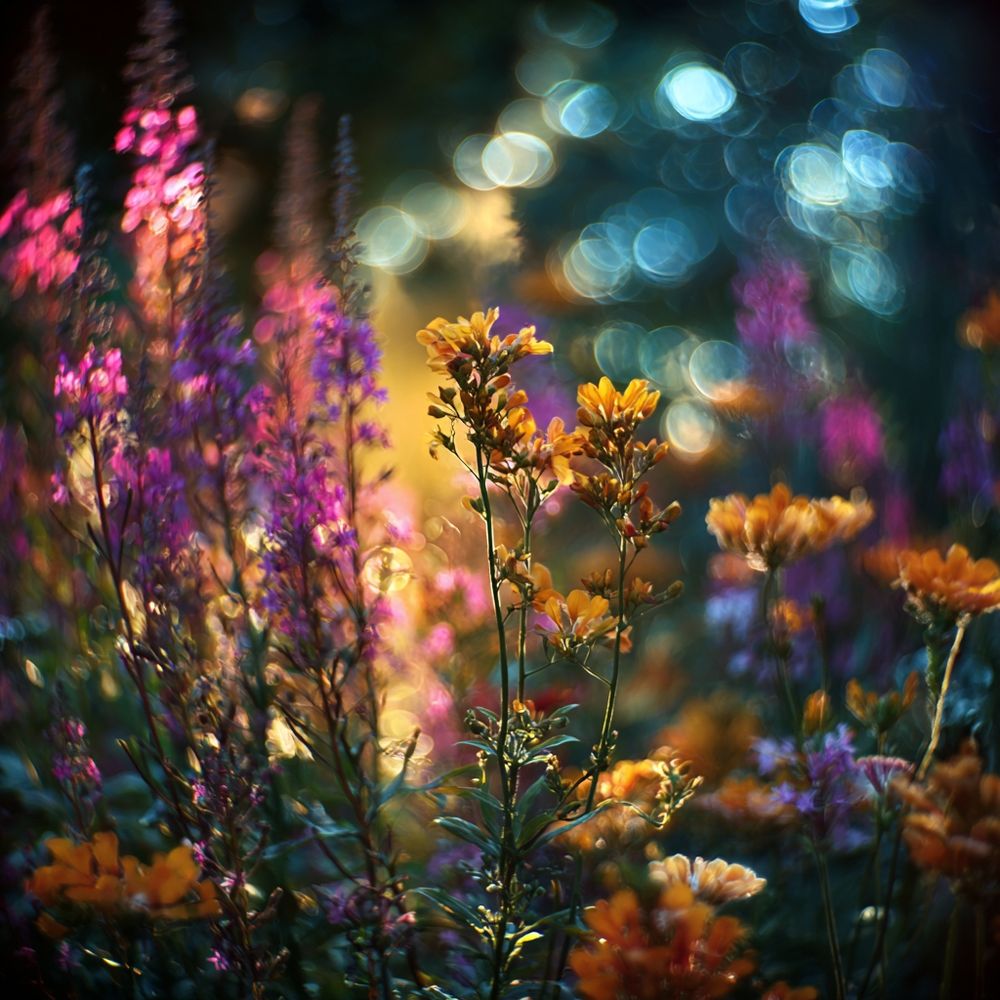
🔥 Do Plants Sleep at Night Like Humans Do?
👉 patreon.com/posts/130773...
#knowledge #curiosity #education #ai #art #aiart #chatgpt #photo #photography #plants #sleep #biology #circadian #botany #nyctinasty #growth #nature #science #photosynthesis #night #plant #life #hormones #leaves #metabolism
👉 patreon.com/posts/130773...
#knowledge #curiosity #education #ai #art #aiart #chatgpt #photo #photography #plants #sleep #biology #circadian #botany #nyctinasty #growth #nature #science #photosynthesis #night #plant #life #hormones #leaves #metabolism
June 5, 2025 at 1:39 PM
🔥 Do Plants Sleep at Night Like Humans Do?
👉 patreon.com/posts/130773...
#knowledge #curiosity #education #ai #art #aiart #chatgpt #photo #photography #plants #sleep #biology #circadian #botany #nyctinasty #growth #nature #science #photosynthesis #night #plant #life #hormones #leaves #metabolism
👉 patreon.com/posts/130773...
#knowledge #curiosity #education #ai #art #aiart #chatgpt #photo #photography #plants #sleep #biology #circadian #botany #nyctinasty #growth #nature #science #photosynthesis #night #plant #life #hormones #leaves #metabolism
Geranium pyrenaicum, Hedge Crane's-bill. Nyctinasty, circadian rhythm, falling asleep in response to encroaching crepuscule.
tee hee
tee hee

May 28, 2025 at 7:37 PM
Geranium pyrenaicum, Hedge Crane's-bill. Nyctinasty, circadian rhythm, falling asleep in response to encroaching crepuscule.
tee hee
tee hee

Wood sorrel is currently blooming in many parts of the country.
These lovelies are at our #PloraWood in the Borders.
Wood sorrel leaves fold up at night or during heavy rain, a behaviour called nyctinasty.
📷 Pic by George Anderson/WTML
These lovelies are at our #PloraWood in the Borders.
Wood sorrel leaves fold up at night or during heavy rain, a behaviour called nyctinasty.
📷 Pic by George Anderson/WTML

May 6, 2025 at 4:04 PM
Wood sorrel is currently blooming in many parts of the country.
These lovelies are at our #PloraWood in the Borders.
Wood sorrel leaves fold up at night or during heavy rain, a behaviour called nyctinasty.
📷 Pic by George Anderson/WTML
These lovelies are at our #PloraWood in the Borders.
Wood sorrel leaves fold up at night or during heavy rain, a behaviour called nyctinasty.
📷 Pic by George Anderson/WTML

They Move A Bunch! 🌿 – Their leaves shift positions throughout the day, folding upward at night like hands in prayer—hence the name! This movement, called nyctinasty, is a response to light changes.
May 6, 2025 at 1:38 PM
They Move A Bunch! 🌿 – Their leaves shift positions throughout the day, folding upward at night like hands in prayer—hence the name! This movement, called nyctinasty, is a response to light changes.
During daylight, the leaves perk up as they take in sunlight (photonasty), maximizing their exposure for photosynthesis—their way of making food.
As night arrives and temperatures shift, they begin to relax and droop to conserve energy and reduce water loss (nyctinasty).
As night arrives and temperatures shift, they begin to relax and droop to conserve energy and reduce water loss (nyctinasty).
April 21, 2025 at 9:17 AM
During daylight, the leaves perk up as they take in sunlight (photonasty), maximizing their exposure for photosynthesis—their way of making food.
As night arrives and temperatures shift, they begin to relax and droop to conserve energy and reduce water loss (nyctinasty).
As night arrives and temperatures shift, they begin to relax and droop to conserve energy and reduce water loss (nyctinasty).
This daily dance is part of a natural process called "photonasty & nyctinasty," a response to light & temperature changes.
April 21, 2025 at 9:17 AM
This daily dance is part of a natural process called "photonasty & nyctinasty," a response to light & temperature changes.

In this case it’s nyctinasty, a form of phototropism I think. The movement is controlled by chemical gradients that are produced by exposure to light. No brains required.
April 16, 2025 at 9:18 AM
In this case it’s nyctinasty, a form of phototropism I think. The movement is controlled by chemical gradients that are produced by exposure to light. No brains required.