



John P. Friel, Ph.D.
@friel.bsky.social
Director of the Alabama Museum of Natural History • He/Him • 🐟Zoologist 🦈 • https://linktr.ee/john.friel
Reposted by John P. Friel, Ph.D.

Museum Collections 🪝 Faunal Fishhook Gallery
Learn the terminology of fish hooks, browse the gallery and have a look into how our researchers investigate the cultural history of our state through these rare discoveries:
www.floridamuseum.ufl.edu/flarch/colle...
Learn the terminology of fish hooks, browse the gallery and have a look into how our researchers investigate the cultural history of our state through these rare discoveries:
www.floridamuseum.ufl.edu/flarch/colle...


January 14, 2026 at 5:36 PM
Museum Collections 🪝 Faunal Fishhook Gallery
Learn the terminology of fish hooks, browse the gallery and have a look into how our researchers investigate the cultural history of our state through these rare discoveries:
www.floridamuseum.ufl.edu/flarch/colle...
Learn the terminology of fish hooks, browse the gallery and have a look into how our researchers investigate the cultural history of our state through these rare discoveries:
www.floridamuseum.ufl.edu/flarch/colle...
Reposted by John P. Friel, Ph.D.
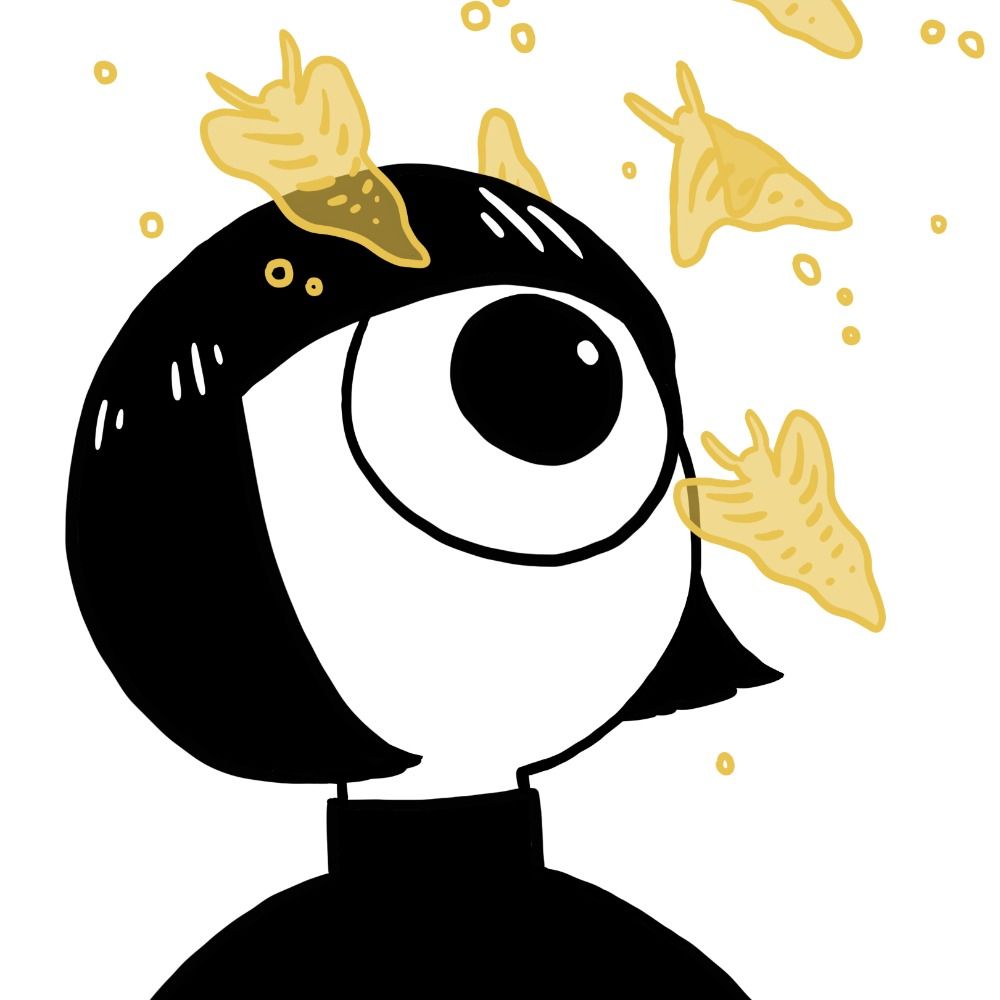
Seeking scientist volunteers for the 2026 spring semester! Want to practice science communication and help author a 🌟comic🌟 about your research? Apply by 1/25. Please share widely. bit.ly/comicscollabspring2026

January 15, 2026 at 8:13 PM
Seeking scientist volunteers for the 2026 spring semester! Want to practice science communication and help author a 🌟comic🌟 about your research? Apply by 1/25. Please share widely. bit.ly/comicscollabspring2026
Reposted by John P. Friel, Ph.D.
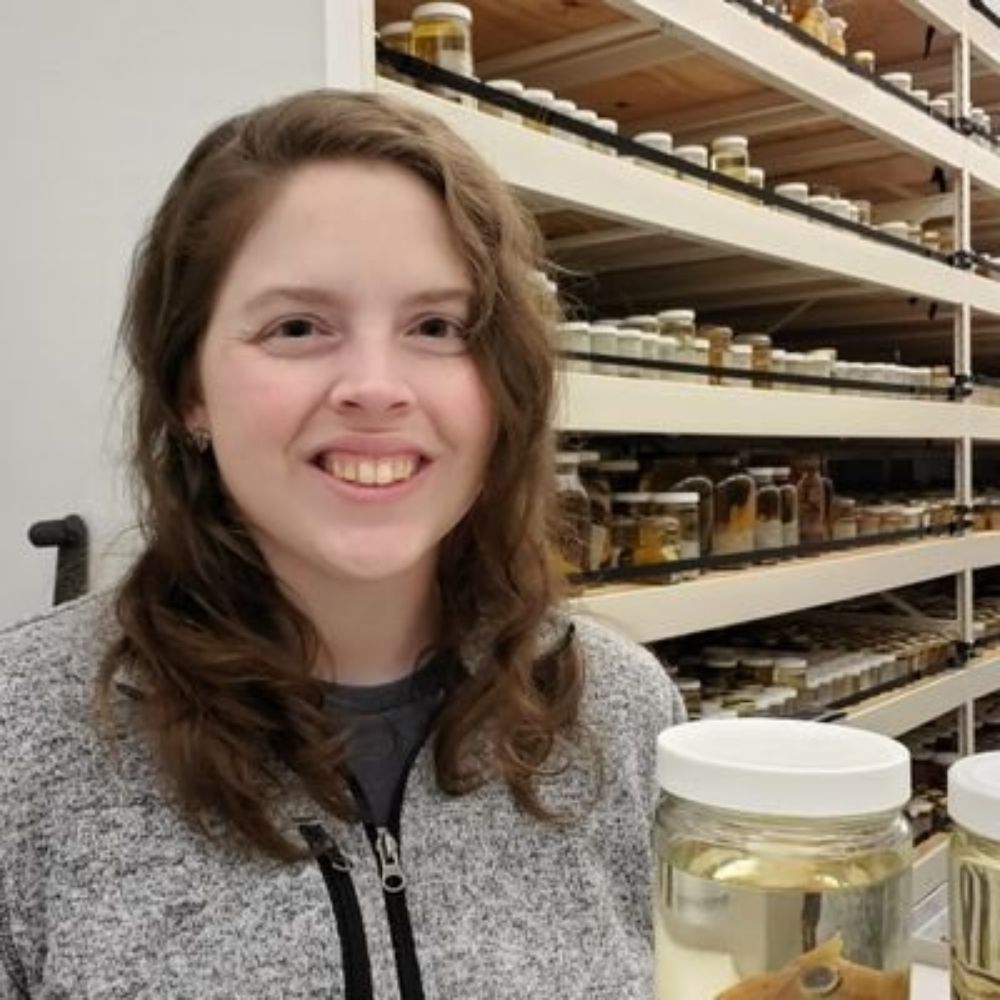
I got cartoonified!! Check out this awesome video summary of my past PNAS paper on body size evolution in response to paleoclimatic changes in tetraodontiform fishes!
www.youtube.com/watch?v=ZC2s...
Read the study here: www.pnas.org/doi/abs/10.1...
www.youtube.com/watch?v=ZC2s...
Read the study here: www.pnas.org/doi/abs/10.1...


January 15, 2026 at 3:01 AM
I got cartoonified!! Check out this awesome video summary of my past PNAS paper on body size evolution in response to paleoclimatic changes in tetraodontiform fishes!
www.youtube.com/watch?v=ZC2s...
Read the study here: www.pnas.org/doi/abs/10.1...
www.youtube.com/watch?v=ZC2s...
Read the study here: www.pnas.org/doi/abs/10.1...
What do an alligator, a Pacman frog, a Gila monster, and an armadillo have in common? Despite their evolutionary descent from lineages that have been separate for up to 380 Myr, they all possess #osteoderms.

A centuries-old debate on how reptiles keep evolving skin bones is finally settled
Reptile armour has a wild backstory.
theconversation.com
January 15, 2026 at 3:03 AM
What do an alligator, a Pacman frog, a Gila monster, and an armadillo have in common? Despite their evolutionary descent from lineages that have been separate for up to 380 Myr, they all possess #osteoderms.
Reposted by John P. Friel, Ph.D.
This looks dope. I still need to make an excuse to get to NJ to see the Edelman, too. youtu.be/MkMxi4d6pL8?...

From Fossils to Flesh | Official Trailer
YouTube video by MAMMOTH
youtu.be
January 14, 2026 at 4:22 PM
This looks dope. I still need to make an excuse to get to NJ to see the Edelman, too. youtu.be/MkMxi4d6pL8?...
Reposted by John P. Friel, Ph.D.
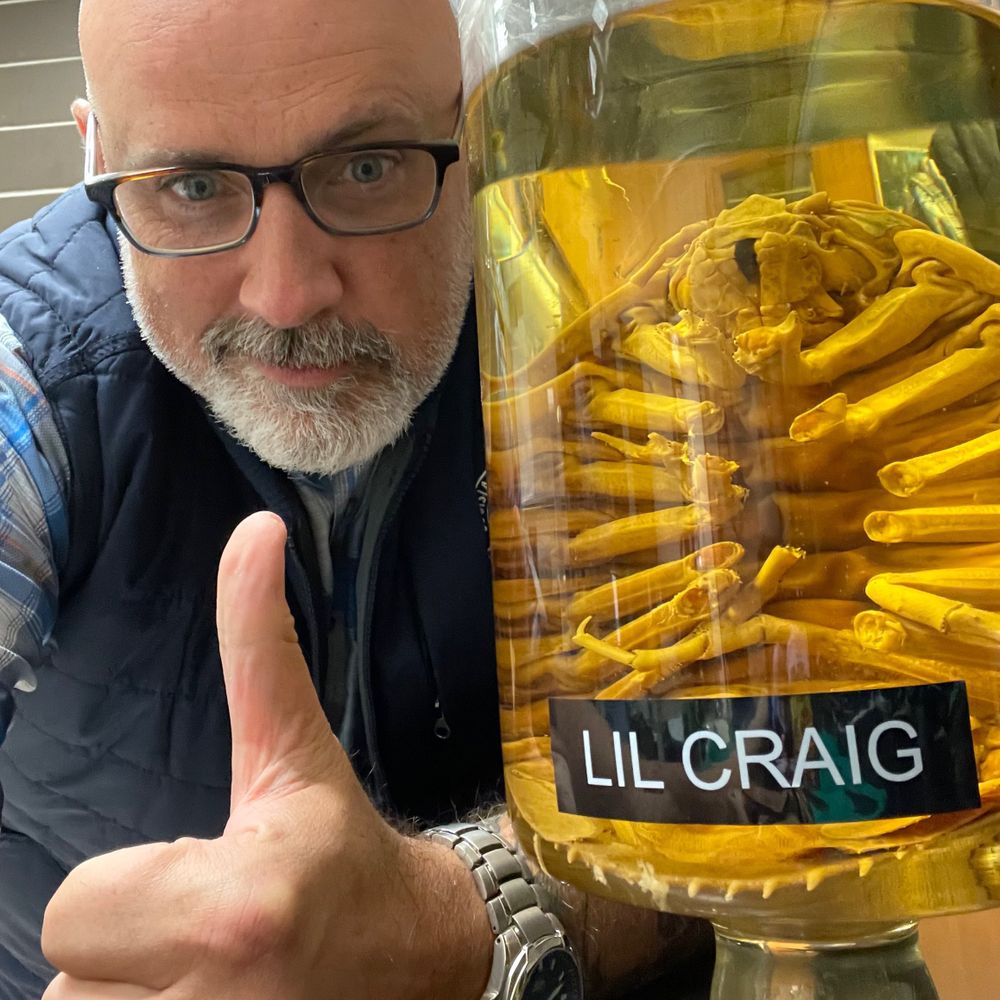
Just a reminder that NOAA releases monthly desktop screens with calendars featuring deep-sea animals and its reminder right now that at least some in government are still wholesome oceanexplorer.noaa.gov/multimedia/c...

Chimaera - NOAA Ocean Exploration
This cute chimaera was seen at a depth of 820 meters (2,690 feet) in the Stetson-Miami Terrace Deepwater Coral Habitat of Particular Concern off the coast of Florida during Dive 04 of the 2019 Southea...
oceanexplorer.noaa.gov
January 14, 2026 at 3:16 PM
Just a reminder that NOAA releases monthly desktop screens with calendars featuring deep-sea animals and its reminder right now that at least some in government are still wholesome oceanexplorer.noaa.gov/multimedia/c...
Reposted by John P. Friel, Ph.D.
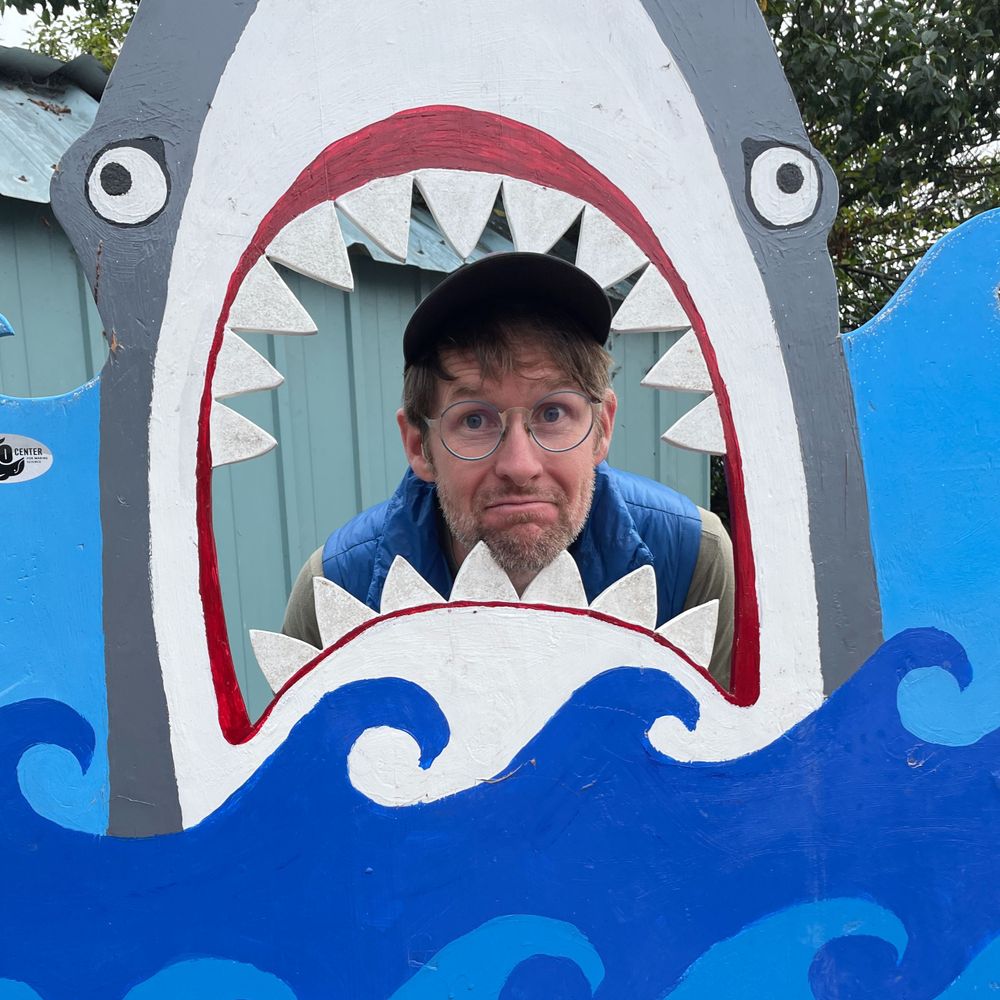
Inside of me are two sharks ... and one aberrant ray.
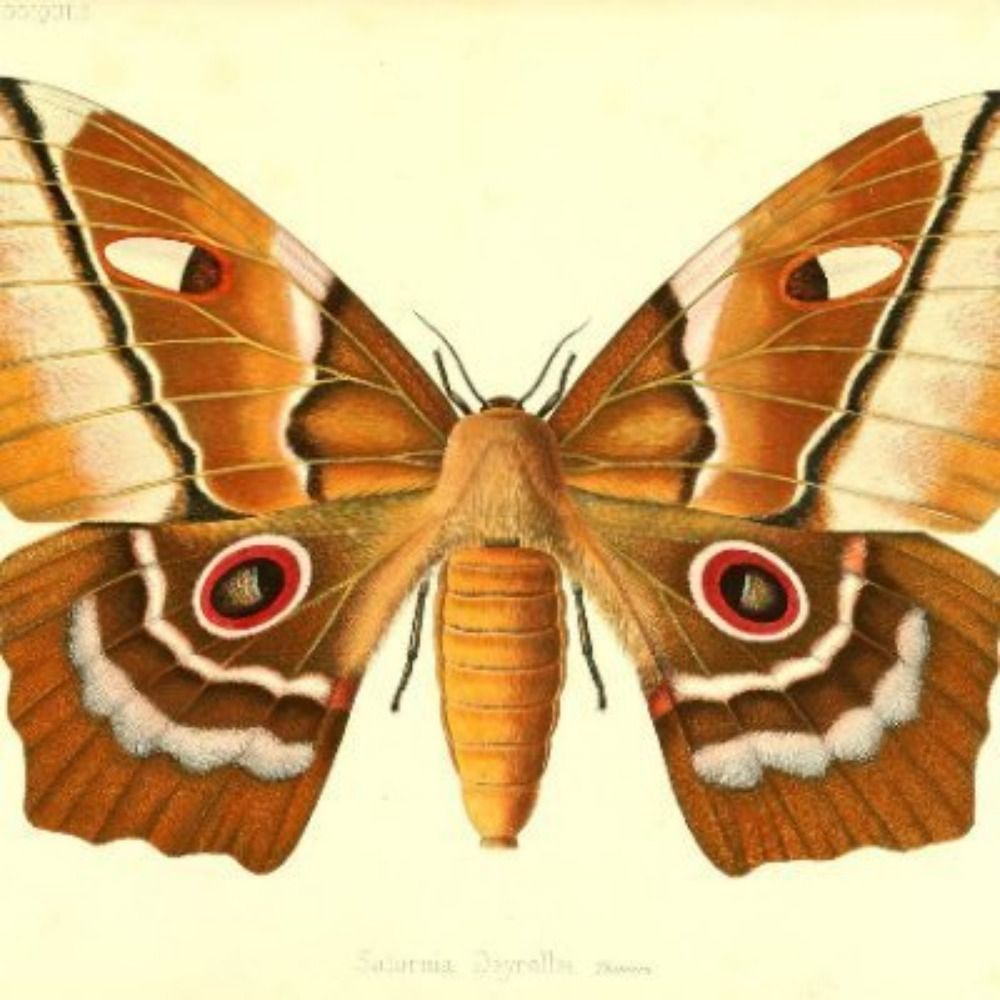
🦈 Naturgeschichte in Bildern: mit erläuterndem Text / Von Professor Dr. Strack. Lief. 4. (Heft 33-56). Fische.
Düsseldorf: Arnz & Co., [1819-1826]
[Source]
Düsseldorf: Arnz & Co., [1819-1826]
[Source]

January 13, 2026 at 9:34 PM
Inside of me are two sharks ... and one aberrant ray.
Reposted by John P. Friel, Ph.D.
“We had to go on a rescue mission and get as many fossils out as possible, and we got a lot of them,” Lazaro said.
Story:
www.floridamuseum.ufl.edu/science/pale...
A friendly competition between colleagues revealed an unusual story about hutias, giant barn owls & burrowing bees in a Caribbean cave.
Story:
www.floridamuseum.ufl.edu/science/pale...
A friendly competition between colleagues revealed an unusual story about hutias, giant barn owls & burrowing bees in a Caribbean cave.

Paleontologists find first bee nest fossils made inside fossilized bones
Key points
Paleontologists working in a cave on the Caribbean island of Hispaniola have discovered the first known instance of ancient bees nesting inside preexisting fossil cavities.
Burrowing ...
www.floridamuseum.ufl.edu
January 13, 2026 at 4:31 PM
“We had to go on a rescue mission and get as many fossils out as possible, and we got a lot of them,” Lazaro said.
Story:
www.floridamuseum.ufl.edu/science/pale...
A friendly competition between colleagues revealed an unusual story about hutias, giant barn owls & burrowing bees in a Caribbean cave.
Story:
www.floridamuseum.ufl.edu/science/pale...
A friendly competition between colleagues revealed an unusual story about hutias, giant barn owls & burrowing bees in a Caribbean cave.
Reposted by John P. Friel, Ph.D.
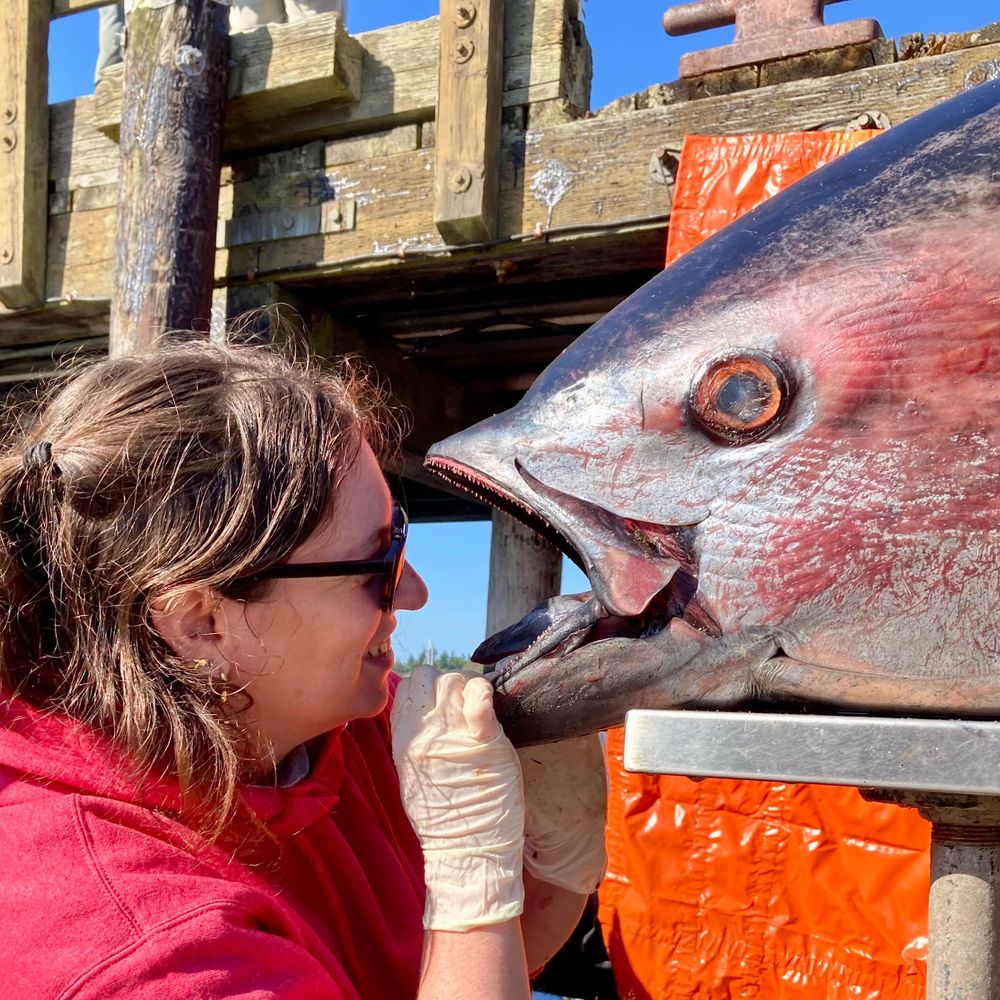
Summer fish class at Friday Harbor Labs 🐟
5 weeks, field + lab, real projects.
Open to grads, postdocs, and undergrads. Financial aid available.
Apply: February 16, 2026
Reach out to @cmdonatelli.bsky.social @fishguy.bsky.social or @karlycohen.bsky.social with questions!
Details in the flyer ⬇️
5 weeks, field + lab, real projects.
Open to grads, postdocs, and undergrads. Financial aid available.
Apply: February 16, 2026
Reach out to @cmdonatelli.bsky.social @fishguy.bsky.social or @karlycohen.bsky.social with questions!
Details in the flyer ⬇️

January 12, 2026 at 6:39 PM
Summer fish class at Friday Harbor Labs 🐟
5 weeks, field + lab, real projects.
Open to grads, postdocs, and undergrads. Financial aid available.
Apply: February 16, 2026
Reach out to @cmdonatelli.bsky.social @fishguy.bsky.social or @karlycohen.bsky.social with questions!
Details in the flyer ⬇️
5 weeks, field + lab, real projects.
Open to grads, postdocs, and undergrads. Financial aid available.
Apply: February 16, 2026
Reach out to @cmdonatelli.bsky.social @fishguy.bsky.social or @karlycohen.bsky.social with questions!
Details in the flyer ⬇️
Reposted by John P. Friel, Ph.D.

Saws, scissors, and more, the oceans used to be full of huge ratfish relatives with amazing teeth. So what happened to them? I dive in over at Smithsonian Magazine. 🧪

Sharklike Fish With Weird, Buzz-Saw Jaws Sliced Through the Seas, Then Vanished. Now, Paleontologists Are Unraveling Their Secrets
These "total monsters of fishes" are extinct today, though new clues about their lives come from CT scans and their closest living relatives: the big-eyed ratfish of the deep sea
www.smithsonianmag.com
January 9, 2026 at 4:24 PM
Saws, scissors, and more, the oceans used to be full of huge ratfish relatives with amazing teeth. So what happened to them? I dive in over at Smithsonian Magazine. 🧪
Bumping to the Fishes! and Science feeds🐟🧪

Finally out! We studied the retinas of the longest-living vertebrate, the Greenland shark, and found that the retinas remain remarkably healthy in animals around 150 years old. What is the mechanism? It may be a highly efficient DNA repair system. Enjoy!
www.nature.com/articles/s41...
www.nature.com/articles/s41...

January 9, 2026 at 3:07 PM
Bumping to the Fishes! and Science feeds🐟🧪
Reposted by John P. Friel, Ph.D.
Disheartening to learn that after 18 years, founder Ken-ichi Ueda has left iNaturalist, citing irreconcilable differences in the direction of the company.
kueda.net/blog/2026/01...
He has a Patreon while he figures out his next move: www.patreon.com/cw/kueda
kueda.net/blog/2026/01...
He has a Patreon while he figures out his next move: www.patreon.com/cw/kueda
Why I Left iNaturalist
After almost 18 years, I left iNaturalist, the product and organization I helped create. I left because I don’t believe the current Leadership team is pointing the product in the right direction, and ...
kueda.net
January 7, 2026 at 7:37 PM
Disheartening to learn that after 18 years, founder Ken-ichi Ueda has left iNaturalist, citing irreconcilable differences in the direction of the company.
kueda.net/blog/2026/01...
He has a Patreon while he figures out his next move: www.patreon.com/cw/kueda
kueda.net/blog/2026/01...
He has a Patreon while he figures out his next move: www.patreon.com/cw/kueda
Reposted by John P. Friel, Ph.D.
Our new paper in @natrevbiodiv.nature.com highlights the untapped potential of CMS for enhancing the conservation of migratory freshwater fishes, which are currently underrepresented in Appendices I & II of CMS. Check the full text here: rdcu.be/eXOlk

January 6, 2026 at 3:07 PM
Our new paper in @natrevbiodiv.nature.com highlights the untapped potential of CMS for enhancing the conservation of migratory freshwater fishes, which are currently underrepresented in Appendices I & II of CMS. Check the full text here: rdcu.be/eXOlk
Reposted by John P. Friel, Ph.D.

92% of adults view museums as nonpartisan sources of education.
This rare level of confidence gives museums both an opportunity and a responsibility to model how people might think and listen together, explains one museum director.
This rare level of confidence gives museums both an opportunity and a responsibility to model how people might think and listen together, explains one museum director.

How museums can help rebuild trust in a divided America
As social divisions grow, museums provide forums for civic connection and discourse across political and cultural lines.
buff.ly
January 6, 2026 at 3:24 PM
92% of adults view museums as nonpartisan sources of education.
This rare level of confidence gives museums both an opportunity and a responsibility to model how people might think and listen together, explains one museum director.
This rare level of confidence gives museums both an opportunity and a responsibility to model how people might think and listen together, explains one museum director.
Reposted by John P. Friel, Ph.D.
Happy #FossilFriday! Kicking off 2026 with Bonnerichthys, a weird suspension feeder from the Niobrara that @friedmanlab.bsky.social graciously included me in the description of. Art @bobnichollsart.bsky.social
We're excavating a ~ complete one that I found last spring, finishing up this year 🧪🧵
We're excavating a ~ complete one that I found last spring, finishing up this year 🧪🧵


January 2, 2026 at 4:39 PM
Happy #FossilFriday! Kicking off 2026 with Bonnerichthys, a weird suspension feeder from the Niobrara that @friedmanlab.bsky.social graciously included me in the description of. Art @bobnichollsart.bsky.social
We're excavating a ~ complete one that I found last spring, finishing up this year 🧪🧵
We're excavating a ~ complete one that I found last spring, finishing up this year 🧪🧵
Reposted by John P. Friel, Ph.D.
Awesome article in @science.org on @danielgeldof.bsky.social Master's thesis on the secret of the rockhead poacher’s (Bothragonus swanii) unusual cranial anatomy. Daniel did some beautiful CT scans on this odd fish's head.
www.science.org/content/arti...
www.science.org/content/arti...

This fish seems to use its bizarre skull like a drum
The rockhead poacher’s unusual cranial anatomy may help it communicate
www.science.org
December 28, 2025 at 3:58 PM
Awesome article in @science.org on @danielgeldof.bsky.social Master's thesis on the secret of the rockhead poacher’s (Bothragonus swanii) unusual cranial anatomy. Daniel did some beautiful CT scans on this odd fish's head.
www.science.org/content/arti...
www.science.org/content/arti...
Reposted by John P. Friel, Ph.D.
Great news article about the Tulane University Biodiversity Research Institute's Royal D. Suttkus Fish Collection and our recent accessions of specimens from the DEEPEND Consortium and the University of Louisiana at Monroe.

There are 8 million fish in a World War II bunker outside New Orleans. More arrive soon.
Hidden in a World War II bunker near New Orleans, Tulane stores more than 8 million preserved fish — and the collection is still growing.
www.nola.com
December 27, 2025 at 3:05 PM
Great news article about the Tulane University Biodiversity Research Institute's Royal D. Suttkus Fish Collection and our recent accessions of specimens from the DEEPEND Consortium and the University of Louisiana at Monroe.
Reposted by John P. Friel, Ph.D.
AI slop has made it to the deep sea.
That’s not a blobfish: Deep Sea Social Media is Flooded by AI Slop
www.southernfriedscience.com/thats-not-a-...
That’s not a blobfish: Deep Sea Social Media is Flooded by AI Slop
www.southernfriedscience.com/thats-not-a-...

That’s not a blobfish: Deep Sea Social Media is Flooded by AI Slop
Well, it finally happened. Over the last two week, my usually well-curated feeds of videos from the deep sea have been overrun with AI slop masquerading as authentic images of strange and delightfu…
www.southernfriedscience.com
December 19, 2025 at 5:10 PM
AI slop has made it to the deep sea.
That’s not a blobfish: Deep Sea Social Media is Flooded by AI Slop
www.southernfriedscience.com/thats-not-a-...
That’s not a blobfish: Deep Sea Social Media is Flooded by AI Slop
www.southernfriedscience.com/thats-not-a-...

Titan Triggerfish are truly the honey badgers of the coral reef.
December 17, 2025 at 3:11 PM
Titan Triggerfish are truly the honey badgers of the coral reef.
Reposted by John P. Friel, Ph.D.

Better late than never! Titus/SymBio Lab is now official on BlueSky.
Our research is focused on understanding how symbiosis generates and maintains marine biodiversity. We integrate systematics, field ecology, and genomics. Get in touch if you’re interested in joining the team!
Our research is focused on understanding how symbiosis generates and maintains marine biodiversity. We integrate systematics, field ecology, and genomics. Get in touch if you’re interested in joining the team!

December 15, 2025 at 5:28 PM
Better late than never! Titus/SymBio Lab is now official on BlueSky.
Our research is focused on understanding how symbiosis generates and maintains marine biodiversity. We integrate systematics, field ecology, and genomics. Get in touch if you’re interested in joining the team!
Our research is focused on understanding how symbiosis generates and maintains marine biodiversity. We integrate systematics, field ecology, and genomics. Get in touch if you’re interested in joining the team!
Bruce Collette is a national treasure!🐟

60 Years of Research on Tunas — and Not Done Yet! Dr. Bruce Collette, Retired Research Associate
YouTube video by Smithsonian's National Museum of Natural History
www.youtube.com
December 15, 2025 at 5:28 PM
Bruce Collette is a national treasure!🐟
Reposted by John P. Friel, Ph.D.
Eulachon have such a high oil content (15-20% of their entire body weight!) that they burn can like a candle when dried - hence the name “candlefish." Their valuable rendered oil was also historically traded among tribes along the Pacific coast on routes known as grease trails #25DaysofFishmas

December 15, 2025 at 2:13 PM
Eulachon have such a high oil content (15-20% of their entire body weight!) that they burn can like a candle when dried - hence the name “candlefish." Their valuable rendered oil was also historically traded among tribes along the Pacific coast on routes known as grease trails #25DaysofFishmas
Reposted by John P. Friel, Ph.D.
I appreciate the people going out of their way to create content for the "what not to do" section of my prion disease lecture.
Yum. Prion burger 🦌
(In all seriousness, do not eat deer from CWD positive regions - prion disease is the arguably worst way to die)
Yum. Prion burger 🦌
(In all seriousness, do not eat deer from CWD positive regions - prion disease is the arguably worst way to die)

December 11, 2025 at 4:21 PM
I appreciate the people going out of their way to create content for the "what not to do" section of my prion disease lecture.
Yum. Prion burger 🦌
(In all seriousness, do not eat deer from CWD positive regions - prion disease is the arguably worst way to die)
Yum. Prion burger 🦌
(In all seriousness, do not eat deer from CWD positive regions - prion disease is the arguably worst way to die)