



Thony Christie
@rmathematicus.bsky.social
Aging freak who fell in love with the history of science and now resides mostly in 16th century Nürnberg.
Reposted by Thony Christie


Reposted by Thony Christie
„What has 6 fingers on a cave wall?“
„An AI slop of Neanderthal life.“
„An AI slop of Neanderthal life.“

🏺🧪 Reminder - it's never good #SciComm practice to make inaccurate/misleading gen-AI imagery.
Case in point- recent posts here of #Neanderthals with complex engravings, & metallic-looking objects.
(they also apparently have 6 fingers, but I guess who tf cares when it's just vibes for the public 🙄)
Case in point- recent posts here of #Neanderthals with complex engravings, & metallic-looking objects.
(they also apparently have 6 fingers, but I guess who tf cares when it's just vibes for the public 🙄)


January 15, 2026 at 7:10 AM
„What has 6 fingers on a cave wall?“
„An AI slop of Neanderthal life.“
„An AI slop of Neanderthal life.“
Reposted by Thony Christie
Non-protesting dad just trying to hustle his kids, as young as 6mo, out of the neighborhood. ICE threw a flash-bang INTO HIS car, all 6 kids in the hospital now.
If anyone wondered how things turn against occupying armies there's a case study playing out in front of you.
If anyone wondered how things turn against occupying armies there's a case study playing out in front of you.

That is what was relayed
January 15, 2026 at 4:27 AM
Non-protesting dad just trying to hustle his kids, as young as 6mo, out of the neighborhood. ICE threw a flash-bang INTO HIS car, all 6 kids in the hospital now.
If anyone wondered how things turn against occupying armies there's a case study playing out in front of you.
If anyone wondered how things turn against occupying armies there's a case study playing out in front of you.
Reposted by Thony Christie
'The Heritage Foundation, which produced the Project 2025 plan for Trump’s second term, even mooted identifying and targeting Wikipedia editors it disagrees with using facial recognition.'
www.ft.com/content/5137...
www.ft.com/content/5137...

Wikipedia may be the largest compendium of human knowledge ever created, but can it survive?
As the website turns 25, it faces myriad challenges from regulators, AI, the far right and Elon Musk
www.ft.com
January 15, 2026 at 6:33 AM
'The Heritage Foundation, which produced the Project 2025 plan for Trump’s second term, even mooted identifying and targeting Wikipedia editors it disagrees with using facial recognition.'
www.ft.com/content/5137...
www.ft.com/content/5137...
Reposted by Thony Christie
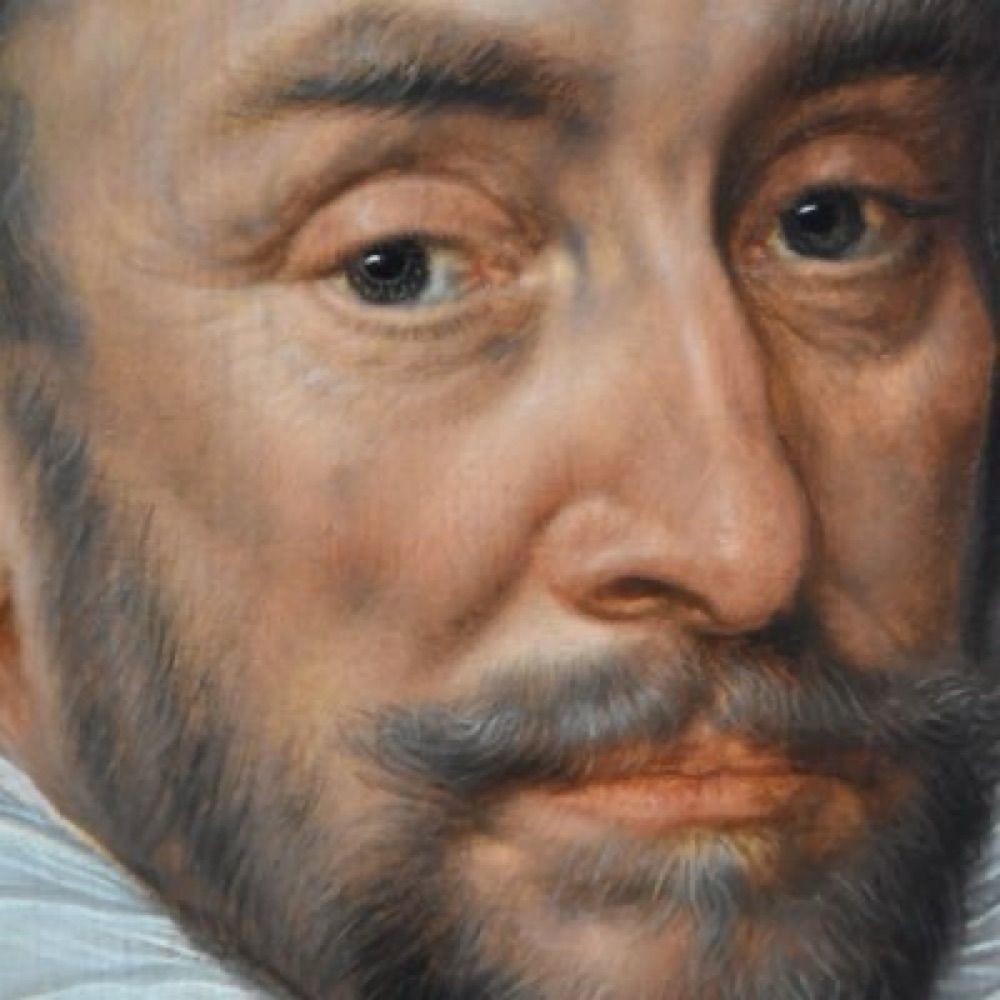
Prent uit de eerste helft van de 17de eeuw met een gezicht op het centrum van Brussel. Rechtsboven is Paleis Nassau te zien, het hof van De Zwijger. Geheel in het midden staat het Paleis op de Coudenberg afgebeeld. 1/2

January 15, 2026 at 6:46 AM
Prent uit de eerste helft van de 17de eeuw met een gezicht op het centrum van Brussel. Rechtsboven is Paleis Nassau te zien, het hof van De Zwijger. Geheel in het midden staat het Paleis op de Coudenberg afgebeeld. 1/2
A demented sack of decaying offal
January 15, 2026 at 7:00 AM
A demented sack of decaying offal
Reposted by Thony Christie
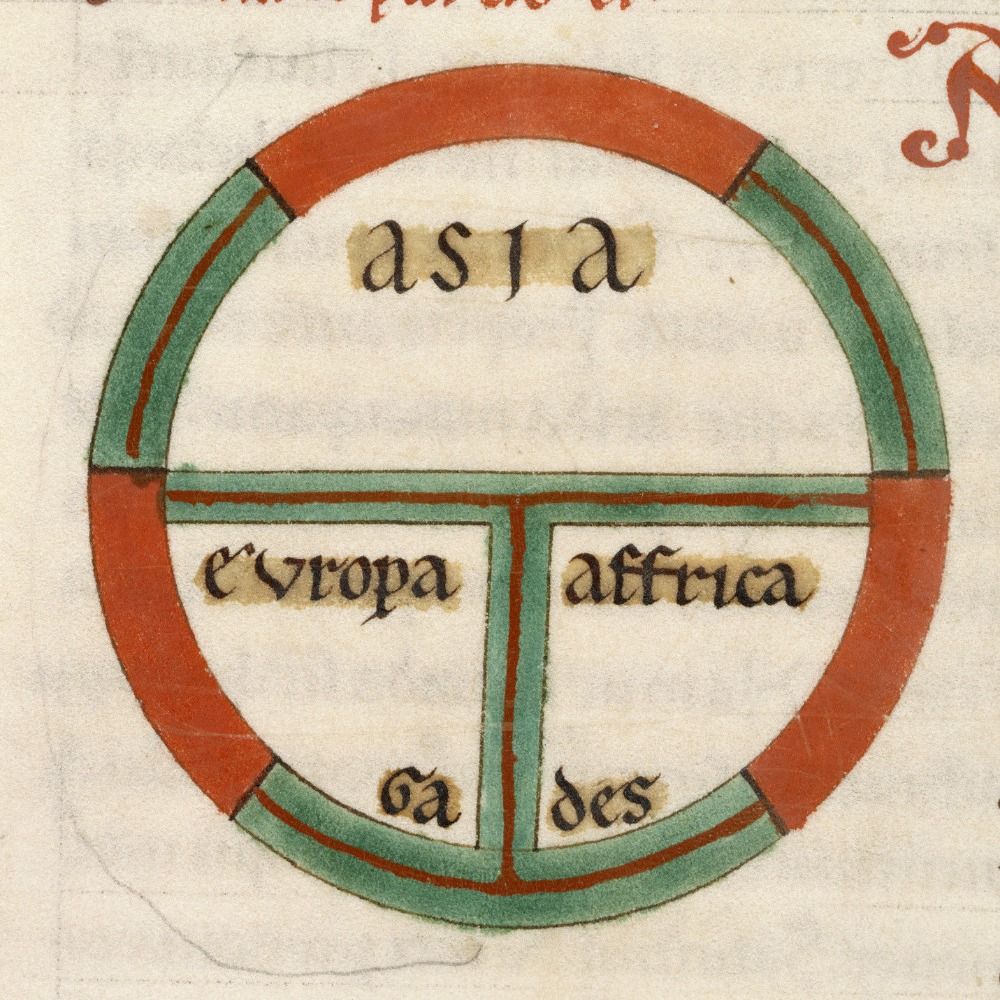
What medieval physicians saw when they looked at urine www.medievalists.net/2024/01/medi... #MedievalWorld

What medieval physicians saw when they looked at urine - Medievalists.net
One of the most important methods medieval physicians used to check on the health of their patients was their urine. The look, colour and smell of urine could reveal if the patient was sick.
www.medievalists.net
January 14, 2026 at 9:17 PM
What medieval physicians saw when they looked at urine www.medievalists.net/2024/01/medi... #MedievalWorld
Reposted by Thony Christie

Want to study the history of science and/or technology? We invite applications for fully-funded MA+PhD (1-3 years) or PhD-only (3 years) Hans Rausing scholarships.
Deadline is 17 April 2026 (we advise to check @kingshistory.bsky.social application deadlines)
Find out more: tinyurl.com/mw84w7py
Deadline is 17 April 2026 (we advise to check @kingshistory.bsky.social application deadlines)
Find out more: tinyurl.com/mw84w7py

January 14, 2026 at 3:11 PM
Want to study the history of science and/or technology? We invite applications for fully-funded MA+PhD (1-3 years) or PhD-only (3 years) Hans Rausing scholarships.
Deadline is 17 April 2026 (we advise to check @kingshistory.bsky.social application deadlines)
Find out more: tinyurl.com/mw84w7py
Deadline is 17 April 2026 (we advise to check @kingshistory.bsky.social application deadlines)
Find out more: tinyurl.com/mw84w7py
Reposted by Thony Christie
Isaac Newton the path from farm boy to Cambridge graduate #histsci
thonyc.wordpress.com/2026/01/14/f...
thonyc.wordpress.com/2026/01/14/f...

January 14, 2026 at 7:50 AM
Isaac Newton the path from farm boy to Cambridge graduate #histsci
thonyc.wordpress.com/2026/01/14/f...
thonyc.wordpress.com/2026/01/14/f...
Reposted by Thony Christie

In 4 years, China built 18,700km of railway (including 12,500km of high speed rail), whereas the UK is planning to build about 100km of railway in 20 years.
I was 20 when HS2 was announced. Great to know i’ll probably be in my late 60s when the Birmingham-Manchester section starts work let alone finishes. Seems like a country doing things the right way!

January 14, 2026 at 9:02 AM
In 4 years, China built 18,700km of railway (including 12,500km of high speed rail), whereas the UK is planning to build about 100km of railway in 20 years.
Reposted by Thony Christie

The US does not need to steal Greenland because we can have any security concession we want under the status quo. US companies are also free to make mineral deals there, but almost none do because it's not commercially viable.

Trump Administration Live Updates: Before White House Meeting, President Insists U.S. ‘Needs Greenland’
www.nytimes.com
January 14, 2026 at 1:46 PM
The US does not need to steal Greenland because we can have any security concession we want under the status quo. US companies are also free to make mineral deals there, but almost none do because it's not commercially viable.
What ever are you implying Tom?
January 14, 2026 at 2:23 PM
What ever are you implying Tom?
Reposted by Thony Christie
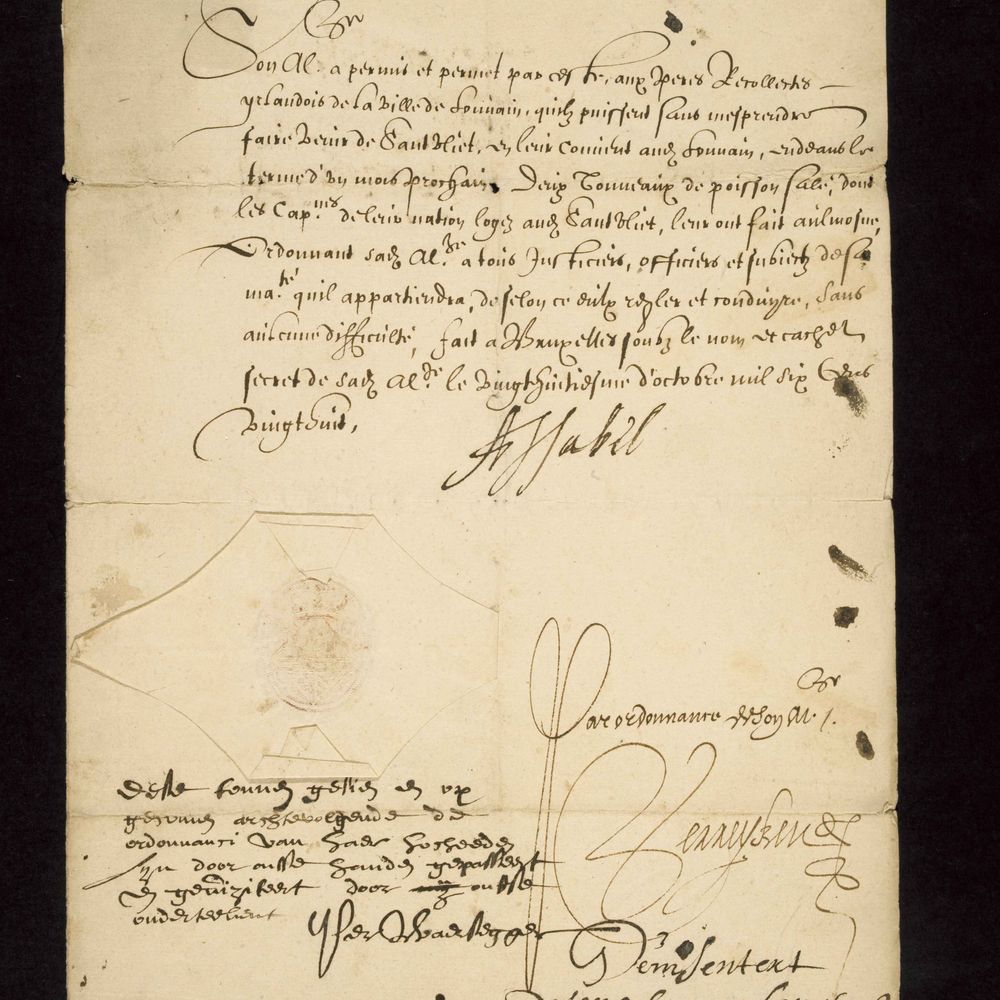
14 Jan 1540: St. Thomas's Hospital #Southwark, an Augustinian House, surrenders to the Crown #otd

January 14, 2026 at 10:13 AM
14 Jan 1540: St. Thomas's Hospital #Southwark, an Augustinian House, surrenders to the Crown #otd
The illustrations in Kircher's all have a sci-fi quality to them
January 14, 2026 at 10:25 AM
The illustrations in Kircher's all have a sci-fi quality to them
Isaac Newton the path from farm boy to Cambridge graduate #histsci
thonyc.wordpress.com/2026/01/14/f...
thonyc.wordpress.com/2026/01/14/f...
January 14, 2026 at 7:50 AM
Isaac Newton the path from farm boy to Cambridge graduate #histsci
thonyc.wordpress.com/2026/01/14/f...
thonyc.wordpress.com/2026/01/14/f...
Reposted by Thony Christie
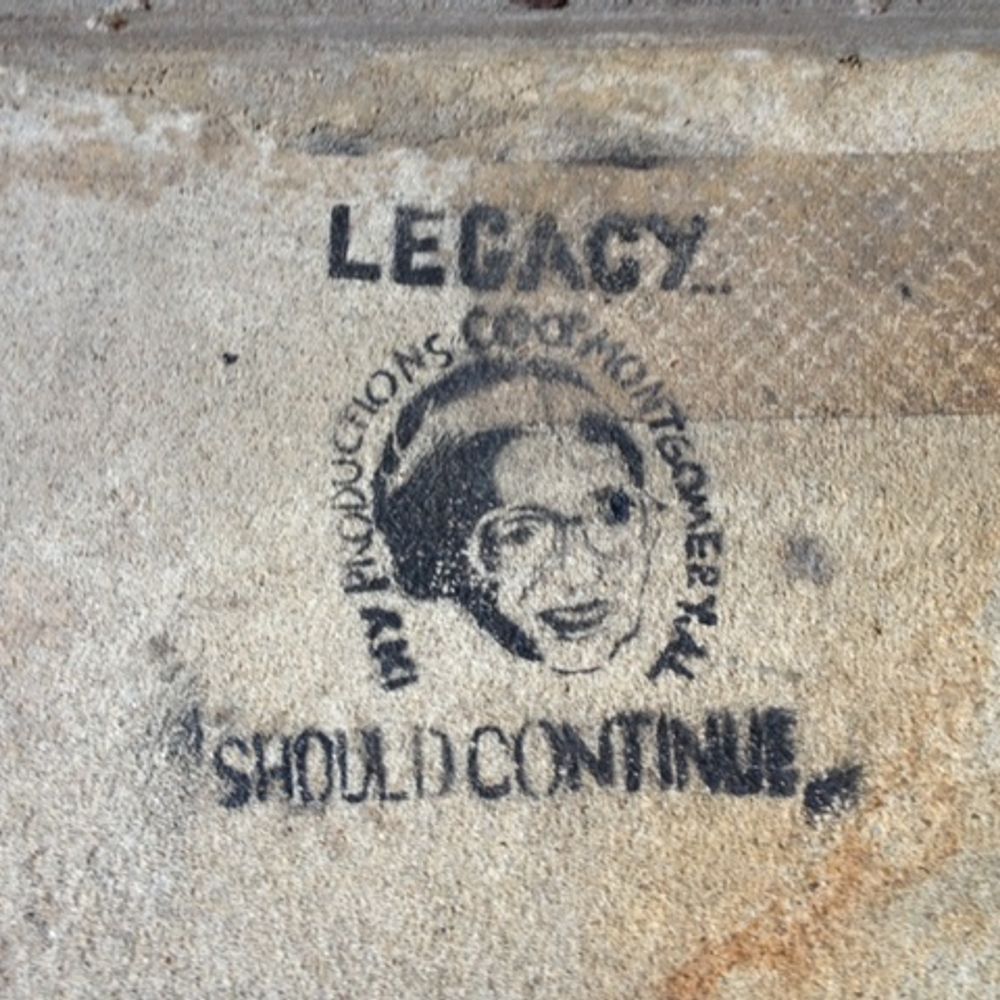
Friends, Claudette Colvin—the 15-year-old who refused to give up her seat on a Montgomery bus in March 1955 & joined the federal case against bus segregation that went to the Supreme Court — died today at age 86. But there are lots of myths and mis-impressions about her. A short corrective thread:

January 14, 2026 at 1:27 AM
Friends, Claudette Colvin—the 15-year-old who refused to give up her seat on a Montgomery bus in March 1955 & joined the federal case against bus segregation that went to the Supreme Court — died today at age 86. But there are lots of myths and mis-impressions about her. A short corrective thread:
Reposted by Thony Christie

Review: The World as We Know It: Peter Dear *** - Dry but interesting exploration of the move from natural philosophy to science. Not an enjoyable read but worth it to discover more about the process rather than the science itself. popsciencebooks.blogspot.com/2026/01/the-... #bookreview #histsci

The World as We Know It - Peter Dear ***
History professor Peter Dear gives us a detailed and reasoned coverage of the development of science as a concept from its origins as natura...
popsciencebooks.blogspot.com
January 13, 2026 at 9:46 AM
Review: The World as We Know It: Peter Dear *** - Dry but interesting exploration of the move from natural philosophy to science. Not an enjoyable read but worth it to discover more about the process rather than the science itself. popsciencebooks.blogspot.com/2026/01/the-... #bookreview #histsci
Reposted by Thony Christie
Excellent review by Ray Tallis, of a book by Mark Solms, in defence of Freud and the essence of psychoanalysis. Imao this is a model book review: fair, nuanced, and Tallis doesn’t just read the book, he checks the references.
www.theguardian.com/books/2026/j...
www.theguardian.com/books/2026/j...

The Only Cure by Mark Solms review – has modern neuroscience proved Freud right?
An expert in both disciplines makes a bold attempt to convince sceptics, and partially succeeds
www.theguardian.com
January 14, 2026 at 7:00 AM
Excellent review by Ray Tallis, of a book by Mark Solms, in defence of Freud and the essence of psychoanalysis. Imao this is a model book review: fair, nuanced, and Tallis doesn’t just read the book, he checks the references.
www.theguardian.com/books/2026/j...
www.theguardian.com/books/2026/j...
PDF gratefully received
Can somebody, who has access to the online ODNB do me a pdf of the Ralph Greatorex article, pretty please 🙃
January 13, 2026 at 9:03 PM
PDF gratefully received




Can somebody, who has access to the online ODNB do me a pdf of the Ralph Greatorex article, pretty please 🙃
January 13, 2026 at 7:09 PM
Can somebody, who has access to the online ODNB do me a pdf of the Ralph Greatorex article, pretty please 🙃
Reposted by Thony Christie
This horse seems not too happy being positioned in an #earlymodern #infographic.

January 13, 2026 at 9:57 AM
This horse seems not too happy being positioned in an #earlymodern #infographic.
Reposted by Thony Christie
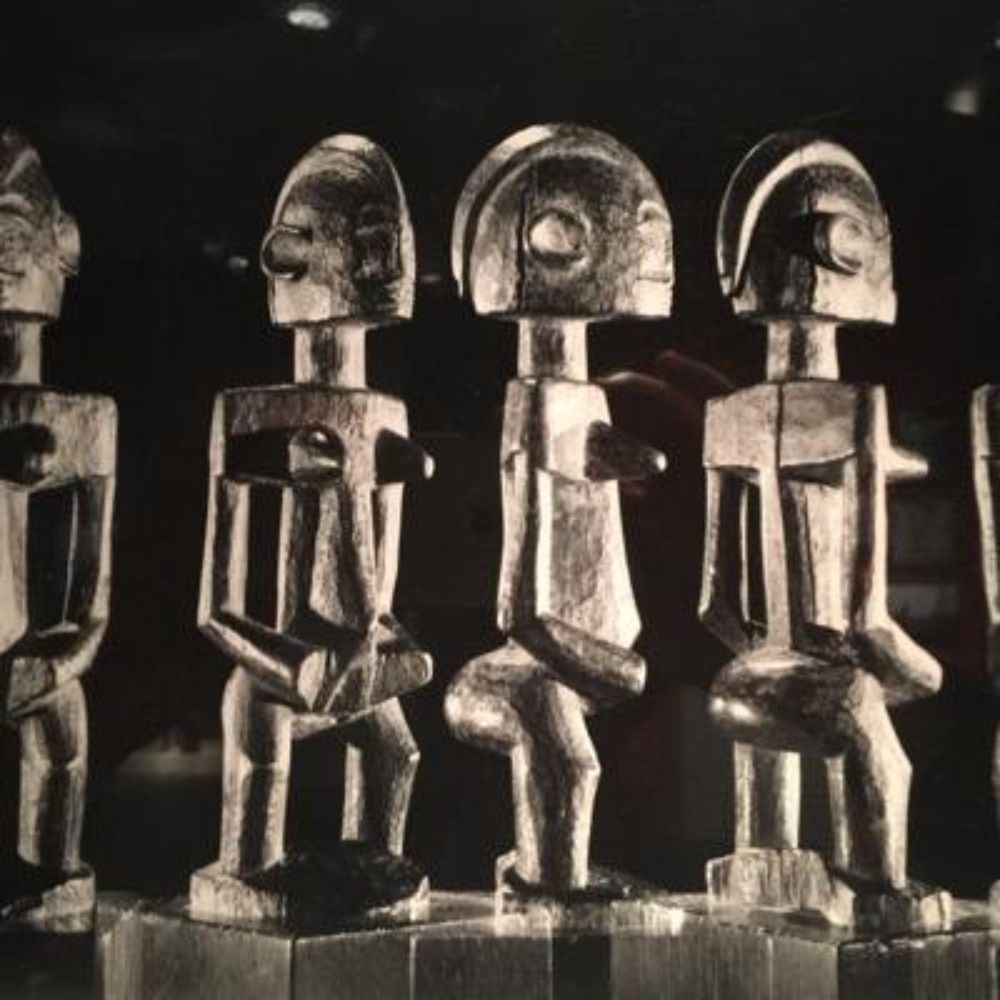
This is a Traquair's Perimeter used to test peripheral vision. At the smaller end of the metal stand there is a chin rest which allows each eye to measured separately.
#TriviaTuesday
#TriviaTuesday
It's #TriviaTuesday time!
Our first mystery object of 2026 is from the 20th century. It is a big one measuring at 75 cm in height and 17 cm in width. Any ideas what it is?
Our first mystery object of 2026 is from the 20th century. It is a big one measuring at 75 cm in height and 17 cm in width. Any ideas what it is?

January 13, 2026 at 4:34 PM
This is a Traquair's Perimeter used to test peripheral vision. At the smaller end of the metal stand there is a chin rest which allows each eye to measured separately.
#TriviaTuesday
#TriviaTuesday
Reposted by Thony Christie
I wrote book reviews for a while for the WSJ well over a decade ago, and Bari Weis was my editor. One of her special tricks was to try to insert a sharp rightward slant into my essays *after* it had been copy edited, as a way of slipping her viewpoint in at the last minute.
January 13, 2026 at 2:43 PM
I wrote book reviews for a while for the WSJ well over a decade ago, and Bari Weis was my editor. One of her special tricks was to try to insert a sharp rightward slant into my essays *after* it had been copy edited, as a way of slipping her viewpoint in at the last minute.