


David Kuster
@rnadavid.bsky.social
RNA & Metabolism. Ancient companions for Life. RNA as spatial organizer of the Cell. IDPs, biomolecular condensates and RNA fun @HymanLab. MBL Physiology '25. And birds.
ebird.org/profile/MjcyMDU0Nw
inaturalist.org/people/9261834
ebird.org/profile/MjcyMDU0Nw
inaturalist.org/people/9261834
Reposted by David Kuster
How could a simple self-replicating system emerge at the origins of life? RNA polymerase ribozymes can replicate RNA, but existing ones are so large that their self-replication seems impossible. Could they be smaller?
Excited to share our latest work in @science.org on a new small polymerase.
1/n
Excited to share our latest work in @science.org on a new small polymerase.
1/n

A small polymerase ribozyme that can synthesize itself and its complementary strand
The emergence of a chemical system capable of self-replication and evolution is a critical event in the origin of life. RNA polymerase ribozymes can replicate RNA, but their large size and structural ...
www.science.org
February 13, 2026 at 11:42 AM
How could a simple self-replicating system emerge at the origins of life? RNA polymerase ribozymes can replicate RNA, but existing ones are so large that their self-replication seems impossible. Could they be smaller?
Excited to share our latest work in @science.org on a new small polymerase.
1/n
Excited to share our latest work in @science.org on a new small polymerase.
1/n
Reposted by David Kuster
Happy birthday to Charles Darwin,
patron saint of tired scientists, grumpy fieldworkers, and hating your own manuscript.
patron saint of tired scientists, grumpy fieldworkers, and hating your own manuscript.

February 12, 2026 at 6:58 PM
Happy birthday to Charles Darwin,
patron saint of tired scientists, grumpy fieldworkers, and hating your own manuscript.
patron saint of tired scientists, grumpy fieldworkers, and hating your own manuscript.
Reposted by David Kuster

To celebrate #DarwinDay on Feb. 12, I'm going to begin rereading the 1st vol. of Janet's Browne's excellent biography, Voyaging, then the 2nd vol., The Power of Place, in anticipation of her releasing an updated, condensed single volume in June.
#histsci #HPS @princetonupress.bsky.social
#histsci #HPS @princetonupress.bsky.social

February 12, 2026 at 1:02 AM
To celebrate #DarwinDay on Feb. 12, I'm going to begin rereading the 1st vol. of Janet's Browne's excellent biography, Voyaging, then the 2nd vol., The Power of Place, in anticipation of her releasing an updated, condensed single volume in June.
#histsci #HPS @princetonupress.bsky.social
#histsci #HPS @princetonupress.bsky.social
Reposted by David Kuster

Very happy to say that our work on how axonemes are generated is now available on bioRxiv: www.biorxiv.org/content/10.6... - if you’ve ever wondered how the incredibly beautiful, complex structures within motile #cilia are constructed then this is for you!
www.biorxiv.org
February 6, 2026 at 11:20 AM
Very happy to say that our work on how axonemes are generated is now available on bioRxiv: www.biorxiv.org/content/10.6... - if you’ve ever wondered how the incredibly beautiful, complex structures within motile #cilia are constructed then this is for you!
Reposted by David Kuster

We are hiring!
Come work with us as a Laboratory Technician at IBEC in sunny Barcelona! We offer a one-year contract, with the possibility of extension for up to two additional years.
Please help spread the word! Feel free to contact me if you have any questions.
ibecbarcelona.eu/laboratory-t...
Come work with us as a Laboratory Technician at IBEC in sunny Barcelona! We offer a one-year contract, with the possibility of extension for up to two additional years.
Please help spread the word! Feel free to contact me if you have any questions.
ibecbarcelona.eu/laboratory-t...
February 11, 2026 at 4:45 AM
We are hiring!
Come work with us as a Laboratory Technician at IBEC in sunny Barcelona! We offer a one-year contract, with the possibility of extension for up to two additional years.
Please help spread the word! Feel free to contact me if you have any questions.
ibecbarcelona.eu/laboratory-t...
Come work with us as a Laboratory Technician at IBEC in sunny Barcelona! We offer a one-year contract, with the possibility of extension for up to two additional years.
Please help spread the word! Feel free to contact me if you have any questions.
ibecbarcelona.eu/laboratory-t...
Reposted by David Kuster
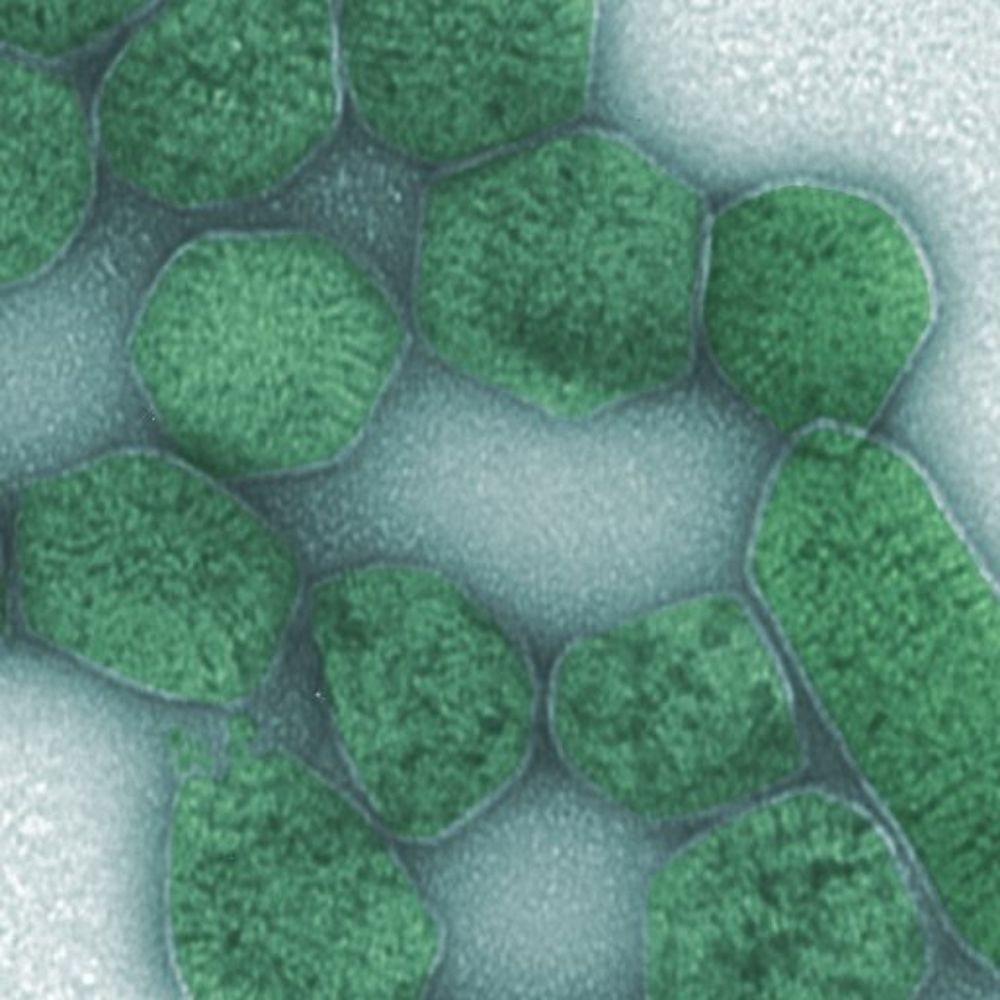
My student Aoi Otsuka ’s PhD work is now officially published @csf-jscb.bsky.social! 🔬 Single-nucleosome imaging uncovers biphasic local chromatin dynamics in an oncogene-inducible human carcinogenesis model (1–3 d: same, 5–7 d: ↑, back by week 4). Congrats! www.jstage.jst.go.jp/article/csf/...
February 10, 2026 at 1:19 PM
My student Aoi Otsuka ’s PhD work is now officially published @csf-jscb.bsky.social! 🔬 Single-nucleosome imaging uncovers biphasic local chromatin dynamics in an oncogene-inducible human carcinogenesis model (1–3 d: same, 5–7 d: ↑, back by week 4). Congrats! www.jstage.jst.go.jp/article/csf/...
Reposted by David Kuster

Reposted by David Kuster
#PhDPosition open — #RibosomeBiology & #Translation QC
📍 JGU Mainz, Germany
🗓️ Apply by 10 Mar 2026 (or until filled)
🔗 Full details + project options:
👉 ak-winz.pharmazie.uni-mainz.de/jobs/
📍 JGU Mainz, Germany
🗓️ Apply by 10 Mar 2026 (or until filled)
🔗 Full details + project options:
👉 ak-winz.pharmazie.uni-mainz.de/jobs/
Jobs/internships/theses | Winz Lab - AK Winz
ak-winz.pharmazie.uni-mainz.de
February 10, 2026 at 8:02 AM
#PhDPosition open — #RibosomeBiology & #Translation QC
📍 JGU Mainz, Germany
🗓️ Apply by 10 Mar 2026 (or until filled)
🔗 Full details + project options:
👉 ak-winz.pharmazie.uni-mainz.de/jobs/
📍 JGU Mainz, Germany
🗓️ Apply by 10 Mar 2026 (or until filled)
🔗 Full details + project options:
👉 ak-winz.pharmazie.uni-mainz.de/jobs/
Reposted by David Kuster

Join the #EMBL conference "Cellular mechanisms driven by phase separation" 🗓️ May 19-22! Register now for in-person at @embl.org Heidelberg or Virtual 👉 www.embl.org/about/info/c...
#EESPhaseSeparation
@events.embl.org
#EESPhaseSeparation
@events.embl.org

February 9, 2026 at 9:29 PM
Join the #EMBL conference "Cellular mechanisms driven by phase separation" 🗓️ May 19-22! Register now for in-person at @embl.org Heidelberg or Virtual 👉 www.embl.org/about/info/c...
#EESPhaseSeparation
@events.embl.org
#EESPhaseSeparation
@events.embl.org
Reposted by David Kuster

🧪🧬New preprint We present cryo-EM structures of reconstituted CTCF–nucleosome complexes, showing CTCF dimerization drives nucleosome oligomerization into defined higher-order assemblies. Disrupting CTCF–CTCF interfaces in mESCs reduces looping and impairs differentiation. tinyurl.com/CTCF-nucleos...
February 9, 2026 at 12:54 PM
🧪🧬New preprint We present cryo-EM structures of reconstituted CTCF–nucleosome complexes, showing CTCF dimerization drives nucleosome oligomerization into defined higher-order assemblies. Disrupting CTCF–CTCF interfaces in mESCs reduces looping and impairs differentiation. tinyurl.com/CTCF-nucleos...
Reposted by David Kuster

Monday mood: This Heron standing very still, hoping no one asks it to do anything today.
#MondayMotivation
#MondayMotivation

February 2, 2026 at 8:00 AM
Monday mood: This Heron standing very still, hoping no one asks it to do anything today.
#MondayMotivation
#MondayMotivation
Reposted by David Kuster

After failing to find any Bean Geese around Whittle Dene this morning, delighted to catch up with two Tundra Beans on patch at Boulmer before dusk #NEbirding

February 8, 2026 at 6:07 PM
After failing to find any Bean Geese around Whittle Dene this morning, delighted to catch up with two Tundra Beans on patch at Boulmer before dusk #NEbirding
Reposted by David Kuster
I am excited to share a new review @cp-molcell.bsky.social written in collaboration with @tanjamittag.bsky.social , Mikayla Eppert, and Ambuja Navalkar where we review the current evidence for and against the role of density transitions in regulating transcription www.cell.com/molecular-ce...

February 6, 2026 at 9:20 PM
I am excited to share a new review @cp-molcell.bsky.social written in collaboration with @tanjamittag.bsky.social , Mikayla Eppert, and Ambuja Navalkar where we review the current evidence for and against the role of density transitions in regulating transcription www.cell.com/molecular-ce...
Reposted by David Kuster
I am thrilled to share our paper introducing RBPscan, a novel approach to profile RNA–protein interactions in living cells. Free access link at the end ⬇️ 🧵 1/
www.cell.com/molecular-ce...
www.cell.com/molecular-ce...

RBPscan: A quantitative in vivo tool for profiling RNA-binding protein interactions
Kretov et al. introduce RBPscan, an RNA-editing-based platform that measures how RNA-binding
proteins engage their targets in living cells. This approach quantifies the binding
strength of protein-RNA...
www.cell.com
February 6, 2026 at 9:37 PM
I am thrilled to share our paper introducing RBPscan, a novel approach to profile RNA–protein interactions in living cells. Free access link at the end ⬇️ 🧵 1/
www.cell.com/molecular-ce...
www.cell.com/molecular-ce...
Reposted by David Kuster
We've got two exciting chromatin talks coming up on Wednesday next week:
@epijenatics.bsky.social from @jbuenrostro.bsky.social's lab and @ambystoma22.bsky.social!
register and join us: us06web.zoom.us/webinar/regi...
@epijenatics.bsky.social from @jbuenrostro.bsky.social's lab and @ambystoma22.bsky.social!
register and join us: us06web.zoom.us/webinar/regi...

February 6, 2026 at 2:58 PM
We've got two exciting chromatin talks coming up on Wednesday next week:
@epijenatics.bsky.social from @jbuenrostro.bsky.social's lab and @ambystoma22.bsky.social!
register and join us: us06web.zoom.us/webinar/regi...
@epijenatics.bsky.social from @jbuenrostro.bsky.social's lab and @ambystoma22.bsky.social!
register and join us: us06web.zoom.us/webinar/regi...
Reposted by David Kuster

This Friday (today), we’re pleased to welcome Melike Lakadamyali (@melikel.bsky.social) from @upenn.edu.
If you are interested in Super resolution microscopy, cytoplasmic and nuclear organization with a focus on biophysics, then do not miss Prof. Lakadamyali talk in our lecture hall at 13:00. 🤗
If you are interested in Super resolution microscopy, cytoplasmic and nuclear organization with a focus on biophysics, then do not miss Prof. Lakadamyali talk in our lecture hall at 13:00. 🤗

February 6, 2026 at 8:52 AM
This Friday (today), we’re pleased to welcome Melike Lakadamyali (@melikel.bsky.social) from @upenn.edu.
If you are interested in Super resolution microscopy, cytoplasmic and nuclear organization with a focus on biophysics, then do not miss Prof. Lakadamyali talk in our lecture hall at 13:00. 🤗
If you are interested in Super resolution microscopy, cytoplasmic and nuclear organization with a focus on biophysics, then do not miss Prof. Lakadamyali talk in our lecture hall at 13:00. 🤗
Reposted by David Kuster
Tau phosphorylation impedes functionality of protective tau envelopes against microtubule-severing enzymes, providing a potential explanation for microtubule destabilization observed in neuropathology
www.nature.com/articles/s41...
www.nature.com/articles/s41...

Tau phosphorylation impedes functionality of protective tau envelopes - Nature Chemical Biology
Tau phosphorylation was found to hinder the formation and protective functionality of tau envelopes against microtubule-severing enzymes, providing a potential explanation for microtubule destabilizat...
www.nature.com
February 5, 2026 at 4:38 PM
Tau phosphorylation impedes functionality of protective tau envelopes against microtubule-severing enzymes, providing a potential explanation for microtubule destabilization observed in neuropathology
www.nature.com/articles/s41...
www.nature.com/articles/s41...
Reposted by David Kuster
IDPSeminas is back again TOMORROW!
Talks from Lucia Strader (@luciastrader.bsky.social) and Heather Meyer! Sign up at idpseminars.com.
Talks start at 1 pm EST / 7 PM CET!! Come learn about transcriptional adaptation and IDRs as environmental sensors and accuators!
Talks from Lucia Strader (@luciastrader.bsky.social) and Heather Meyer! Sign up at idpseminars.com.
Talks start at 1 pm EST / 7 PM CET!! Come learn about transcriptional adaptation and IDRs as environmental sensors and accuators!

February 4, 2026 at 10:14 PM
IDPSeminas is back again TOMORROW!
Talks from Lucia Strader (@luciastrader.bsky.social) and Heather Meyer! Sign up at idpseminars.com.
Talks start at 1 pm EST / 7 PM CET!! Come learn about transcriptional adaptation and IDRs as environmental sensors and accuators!
Talks from Lucia Strader (@luciastrader.bsky.social) and Heather Meyer! Sign up at idpseminars.com.
Talks start at 1 pm EST / 7 PM CET!! Come learn about transcriptional adaptation and IDRs as environmental sensors and accuators!
Reposted by David Kuster
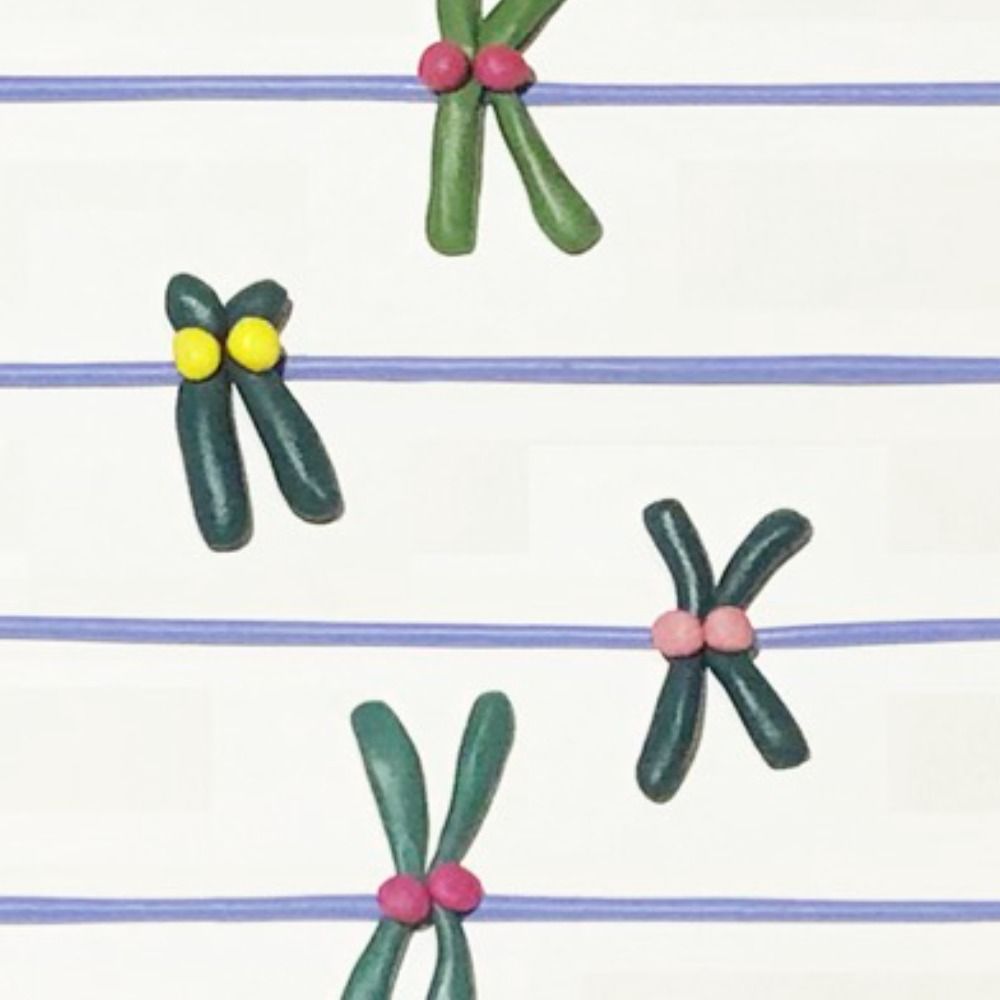
🧪 My lab has an opening for a postdoc position soon! Please share/get in touch!

February 3, 2026 at 2:00 PM
🧪 My lab has an opening for a postdoc position soon! Please share/get in touch!
Reposted by David Kuster

Out now! @jessedamiani.bsky.social interviews @rogerberkowitz.bsky.social at the Arendt Center for @urgentfutures.bsky.social
Watch now at youtu.be/dP4BxIjP2JY?...
Watch now at youtu.be/dP4BxIjP2JY?...

What Hannah Arendt Can Teach Us Today - Roger Berkowitz | #63
YouTube video by Jesse Damiani
youtu.be
February 3, 2026 at 8:51 PM
Out now! @jessedamiani.bsky.social interviews @rogerberkowitz.bsky.social at the Arendt Center for @urgentfutures.bsky.social
Watch now at youtu.be/dP4BxIjP2JY?...
Watch now at youtu.be/dP4BxIjP2JY?...
Reposted by David Kuster
Put simply: high concentrations facilitate reactions because you get more molecular collisions. However, molecules don't move well (or collide) when they are stuck together:
journals.aps.org/pre/abstract...
journals.aps.org/pre/abstract...
Physical limits to acceleration of enzymatic reactions inside phase-separated compartments
We present a theoretical analysis of phase-separated compartments to facilitate enzymatic chemical reactions. While phase separation can facilitate reactions by increasing local concentration, it can ...
journals.aps.org
February 3, 2026 at 8:27 PM
Put simply: high concentrations facilitate reactions because you get more molecular collisions. However, molecules don't move well (or collide) when they are stuck together:
journals.aps.org/pre/abstract...
journals.aps.org/pre/abstract...
Reposted by David Kuster

We welcome new research group leader Nagaraja Chappidi! He joins the @mpi-cbg.de to explore how cells regulate DNA replication and repair. www.mpi-cbg.de/news-outreac...

February 3, 2026 at 3:26 PM
We welcome new research group leader Nagaraja Chappidi! He joins the @mpi-cbg.de to explore how cells regulate DNA replication and repair. www.mpi-cbg.de/news-outreac...
Reposted by David Kuster
pdb101.rcsb.org/motm/314 histones outside of the eukaryotic domain are the 'molecule of the month'! nice!

PDB101: Molecule of the Month: Histones Across the Tree of Life
Uncovering the evolutionary diversity of histones
pdb101.rcsb.org
February 3, 2026 at 7:14 AM
pdb101.rcsb.org/motm/314 histones outside of the eukaryotic domain are the 'molecule of the month'! nice!
Reposted by David Kuster
🚀 Just published: New1 shields mRNAs from no-go decay — by preventing ribosome crashes at specific codons.
What’s new?
New1 (eEF3 homolog) stops ribosomes from stalling at C-terminal AAA/AGG/CGU codons. No New1 = collisions + Hel2 recruitment + Cue2-mediated no-go decay.
What’s new?
New1 (eEF3 homolog) stops ribosomes from stalling at C-terminal AAA/AGG/CGU codons. No New1 = collisions + Hel2 recruitment + Cue2-mediated no-go decay.
February 1, 2026 at 9:49 PM
🚀 Just published: New1 shields mRNAs from no-go decay — by preventing ribosome crashes at specific codons.
What’s new?
New1 (eEF3 homolog) stops ribosomes from stalling at C-terminal AAA/AGG/CGU codons. No New1 = collisions + Hel2 recruitment + Cue2-mediated no-go decay.
What’s new?
New1 (eEF3 homolog) stops ribosomes from stalling at C-terminal AAA/AGG/CGU codons. No New1 = collisions + Hel2 recruitment + Cue2-mediated no-go decay.
Reposted by David Kuster
Does targeting enzymes and substrates in a condensate lead to rate enhancement? No. Here, we investigate how the condensate environment can inhibit an enzyme reaction.
Spoiler: Mass-transport limitations. We find a strong correlation between diffusion and reaction rates.
doi.org/10.64898/202...
Spoiler: Mass-transport limitations. We find a strong correlation between diffusion and reaction rates.
doi.org/10.64898/202...

February 2, 2026 at 2:25 PM
Does targeting enzymes and substrates in a condensate lead to rate enhancement? No. Here, we investigate how the condensate environment can inhibit an enzyme reaction.
Spoiler: Mass-transport limitations. We find a strong correlation between diffusion and reaction rates.
doi.org/10.64898/202...
Spoiler: Mass-transport limitations. We find a strong correlation between diffusion and reaction rates.
doi.org/10.64898/202...