



@roman-si.bsky.social
Reposted

Closing out my year with a journal editor shocker 🧵
Checking new manuscripts today I reviewed a paper attributing 2 papers to me I did not write. A daft thing for an author to do of course. But intrigued I web searched up one of the titles and that's when it got real weird...
Checking new manuscripts today I reviewed a paper attributing 2 papers to me I did not write. A daft thing for an author to do of course. But intrigued I web searched up one of the titles and that's when it got real weird...
December 19, 2025 at 5:20 PM
Closing out my year with a journal editor shocker 🧵
Checking new manuscripts today I reviewed a paper attributing 2 papers to me I did not write. A daft thing for an author to do of course. But intrigued I web searched up one of the titles and that's when it got real weird...
Checking new manuscripts today I reviewed a paper attributing 2 papers to me I did not write. A daft thing for an author to do of course. But intrigued I web searched up one of the titles and that's when it got real weird...
Reposted

1. We ( @jbakcoleman.bsky.social, @cailinmeister.bsky.social, @jevinwest.bsky.social, and I) have a new preprint up on the arXiv.
There we explore how social media companies and other online information technology firms are able to manipulate scientific research about the effects of their products.
There we explore how social media companies and other online information technology firms are able to manipulate scientific research about the effects of their products.

October 24, 2025 at 12:47 AM
1. We ( @jbakcoleman.bsky.social, @cailinmeister.bsky.social, @jevinwest.bsky.social, and I) have a new preprint up on the arXiv.
There we explore how social media companies and other online information technology firms are able to manipulate scientific research about the effects of their products.
There we explore how social media companies and other online information technology firms are able to manipulate scientific research about the effects of their products.
Reposted
Yet again, machine learning — even gussied up via the transformer architecture — encodes and reinforces societal biases.
This study reveals that LLM-based peer review relies heavily on author institution in its decisions.
arxiv.org/abs/2509.15122
This study reveals that LLM-based peer review relies heavily on author institution in its decisions.
arxiv.org/abs/2509.15122

Prestige over merit: An adapted audit of LLM bias in peer review
Large language models (LLMs) are playing an increasingly integral, though largely informal, role in scholarly peer review. Yet it remains unclear whether LLMs reproduce the biases observed in human de...
arxiv.org
September 22, 2025 at 6:11 AM
Yet again, machine learning — even gussied up via the transformer architecture — encodes and reinforces societal biases.
This study reveals that LLM-based peer review relies heavily on author institution in its decisions.
arxiv.org/abs/2509.15122
This study reveals that LLM-based peer review relies heavily on author institution in its decisions.
arxiv.org/abs/2509.15122
Reposted

Want to be able to start micro-editing on Wikipedia in a few minutes – and know why you could be very glad you did? Then my new post @plos.org is just what you need!
absolutelymaybe.plos.org/2025/09/21/w...
#Wikipedia
absolutelymaybe.plos.org/2025/09/21/w...
#Wikipedia

Wikipedia Is Vital: Channeling Energy Into Micro-Edits Is a Win-Win-Win - Absolutely Maybe
Wikipedia is, “without exaggeration, the digital world’s factual foundation,” wrote Josh Dzieza recently. It’s a target because of that, squarely in the…
absolutelymaybe.plos.org
September 21, 2025 at 7:44 AM
Want to be able to start micro-editing on Wikipedia in a few minutes – and know why you could be very glad you did? Then my new post @plos.org is just what you need!
absolutelymaybe.plos.org/2025/09/21/w...
#Wikipedia
absolutelymaybe.plos.org/2025/09/21/w...
#Wikipedia
Reposted

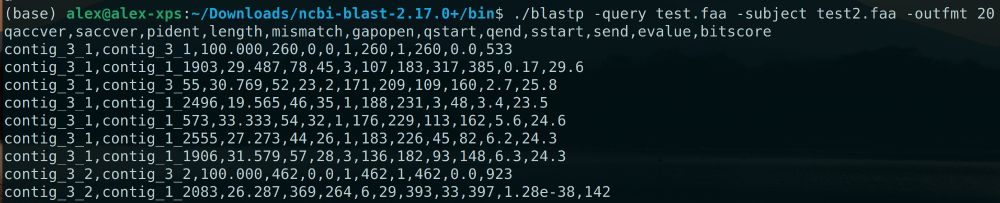
The new -outfmt 20 in BLAST 😍. No more frustrated googling to remember which column is which.....
September 6, 2025 at 2:54 PM
The new -outfmt 20 in BLAST 😍. No more frustrated googling to remember which column is which.....
Reposted

Mindblowing research out of the wonderful @isemevol.bsky.social (where I'm delighed to be based for the next three months).
Opening line: "Living organisms are assumed to produce same-species offspring [1,2]. Here, we report a shift from this norm".
1. Darwin (1859)
2. Mayr (1942).
Opening line: "Living organisms are assumed to produce same-species offspring [1,2]. Here, we report a shift from this norm".
1. Darwin (1859)
2. Mayr (1942).


September 3, 2025 at 6:50 PM
Mindblowing research out of the wonderful @isemevol.bsky.social (where I'm delighed to be based for the next three months).
Opening line: "Living organisms are assumed to produce same-species offspring [1,2]. Here, we report a shift from this norm".
1. Darwin (1859)
2. Mayr (1942).
Opening line: "Living organisms are assumed to produce same-species offspring [1,2]. Here, we report a shift from this norm".
1. Darwin (1859)
2. Mayr (1942).
Reposted

What was antibiotic resistance like before we ever used antibiotics? How did we change what antibiotic resistance genes looked like over 100 years?
Our paper looking at resistance genes from a century of NCTC historical isolates now out in mGen:
www.microbiologyresearch.org/content/jour...
Our paper looking at resistance genes from a century of NCTC historical isolates now out in mGen:
www.microbiologyresearch.org/content/jour...

Genomic resistance in historical clinical isolates increased in frequency and mobility after the age of antibiotics
Antibiotic resistance is frequently observed shortly after the clinical introduction of an antibiotic. Whether and how frequently that resistance occurred before the introduction is harder to determin...
www.microbiologyresearch.org
September 1, 2025 at 5:49 PM
What was antibiotic resistance like before we ever used antibiotics? How did we change what antibiotic resistance genes looked like over 100 years?
Our paper looking at resistance genes from a century of NCTC historical isolates now out in mGen:
www.microbiologyresearch.org/content/jour...
Our paper looking at resistance genes from a century of NCTC historical isolates now out in mGen:
www.microbiologyresearch.org/content/jour...
Reposted

@xkcd.com again provides for your meta-science slides (link xkcd.com/3117). I do wish we'd stop talking about a "crisis", bc it's been here for generations. Ppl used to pipette by mouth ffs. Enrico Fermi won a Nobel prize for a false result. But that doesn't mean we can't do better going forward.

July 20, 2025 at 5:27 AM
@xkcd.com again provides for your meta-science slides (link xkcd.com/3117). I do wish we'd stop talking about a "crisis", bc it's been here for generations. Ppl used to pipette by mouth ffs. Enrico Fermi won a Nobel prize for a false result. But that doesn't mean we can't do better going forward.
Reposted

OrthoFinder just dropped a major update
It’s faster, more accurate, and ready for thousands of genomes
Let’s break it down (1/10)
github.com/OrthoFinder/...
www.biorxiv.org/content/10.1...
It’s faster, more accurate, and ready for thousands of genomes
Let’s break it down (1/10)
github.com/OrthoFinder/...
www.biorxiv.org/content/10.1...
July 16, 2025 at 5:51 PM
OrthoFinder just dropped a major update
It’s faster, more accurate, and ready for thousands of genomes
Let’s break it down (1/10)
github.com/OrthoFinder/...
www.biorxiv.org/content/10.1...
It’s faster, more accurate, and ready for thousands of genomes
Let’s break it down (1/10)
github.com/OrthoFinder/...
www.biorxiv.org/content/10.1...
Reposted

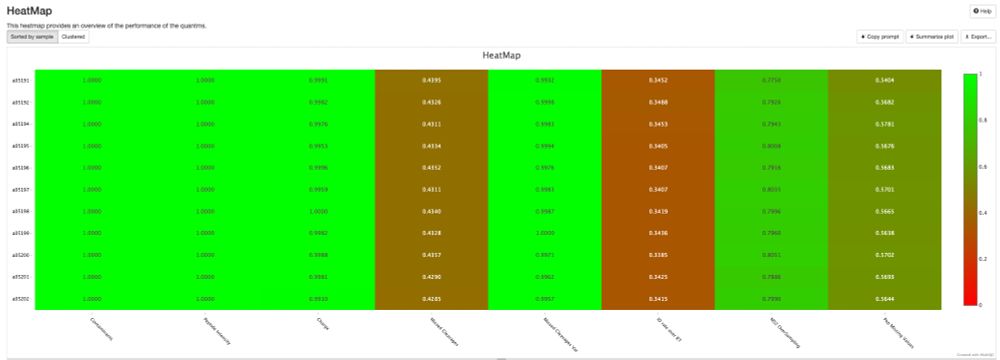
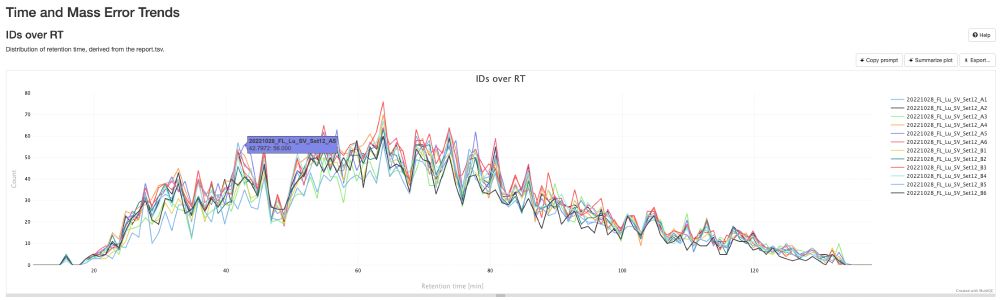
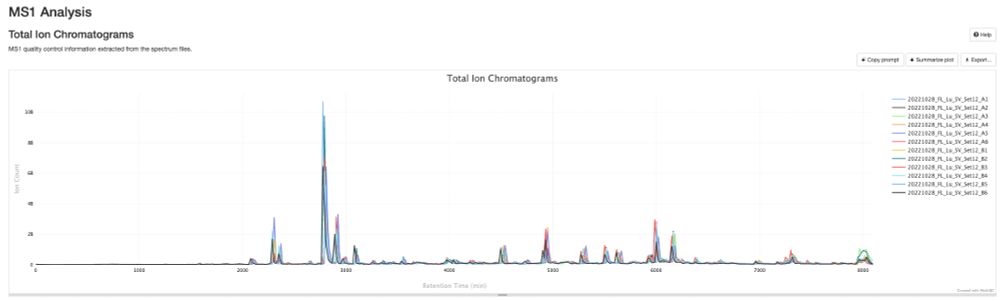
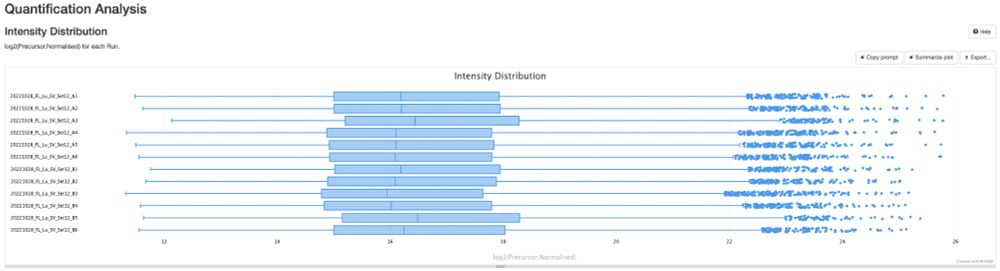
🚀 Attention DIA/DDA proteomics users! Whether you're using #DIA-NN, #MaxQuant, #quantms, or any tool that outputs mzIdentML and mzML, the NEW pmultiqc v0.0.29 is here!
💡 Create stunning, shareable HTML reports for your collaborators in seconds.
✨ Try pmultiqc.quantms.org Examples👇
#Proteomics #QC
💡 Create stunning, shareable HTML reports for your collaborators in seconds.
✨ Try pmultiqc.quantms.org Examples👇
#Proteomics #QC
July 11, 2025 at 8:43 AM
🚀 Attention DIA/DDA proteomics users! Whether you're using #DIA-NN, #MaxQuant, #quantms, or any tool that outputs mzIdentML and mzML, the NEW pmultiqc v0.0.29 is here!
💡 Create stunning, shareable HTML reports for your collaborators in seconds.
✨ Try pmultiqc.quantms.org Examples👇
#Proteomics #QC
💡 Create stunning, shareable HTML reports for your collaborators in seconds.
✨ Try pmultiqc.quantms.org Examples👇
#Proteomics #QC
Reposted

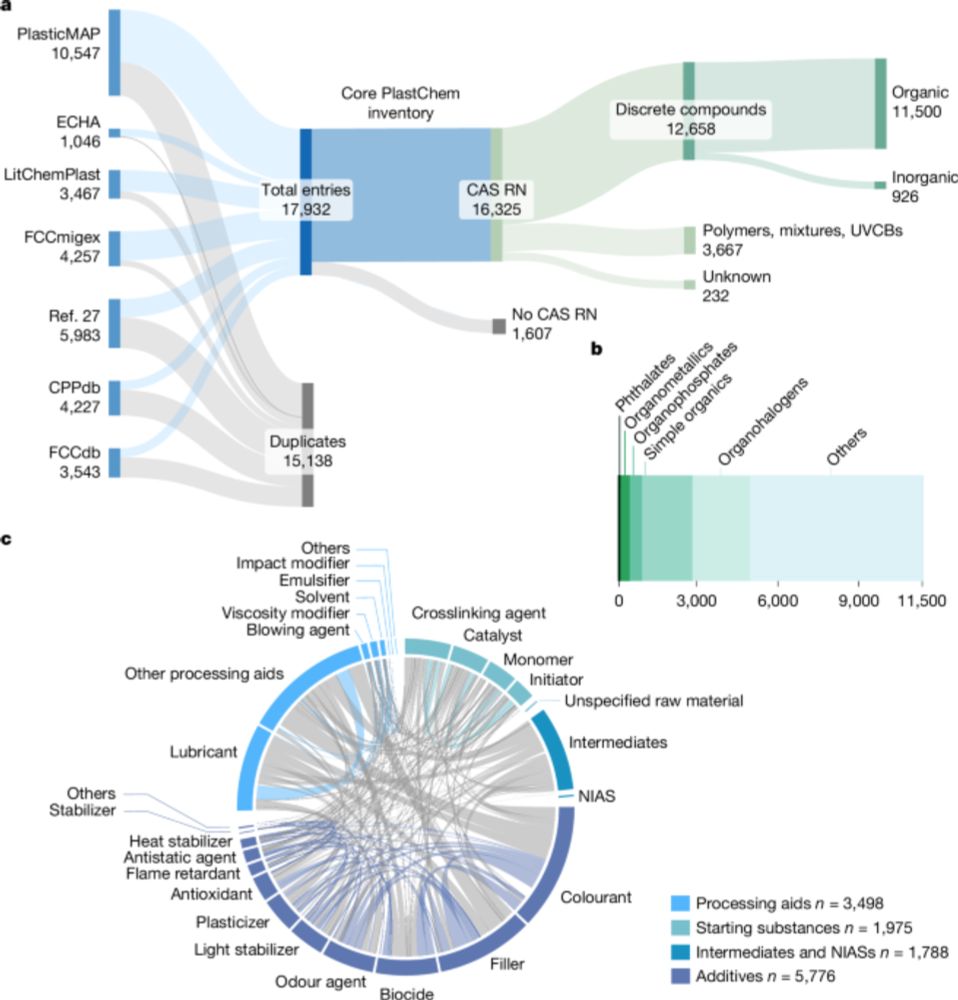
Over the past few years, our PlastChem team has worked tirelessly to map the chemical complexity of #plastics. Today, we publish the findings in @nature.com. We hope this evidence propels the development of safer plastics to protect human health and environment. 1/4
www.nature.com/articles/s41...
www.nature.com/articles/s41...
Mapping the chemical complexity of plastics - Nature
An inventory of 16,325 known plastic chemicals, including >4,200 hazardous compounds, supports the development of safer plastics.
www.nature.com
July 9, 2025 at 3:31 PM
Over the past few years, our PlastChem team has worked tirelessly to map the chemical complexity of #plastics. Today, we publish the findings in @nature.com. We hope this evidence propels the development of safer plastics to protect human health and environment. 1/4
www.nature.com/articles/s41...
www.nature.com/articles/s41...
Reposted

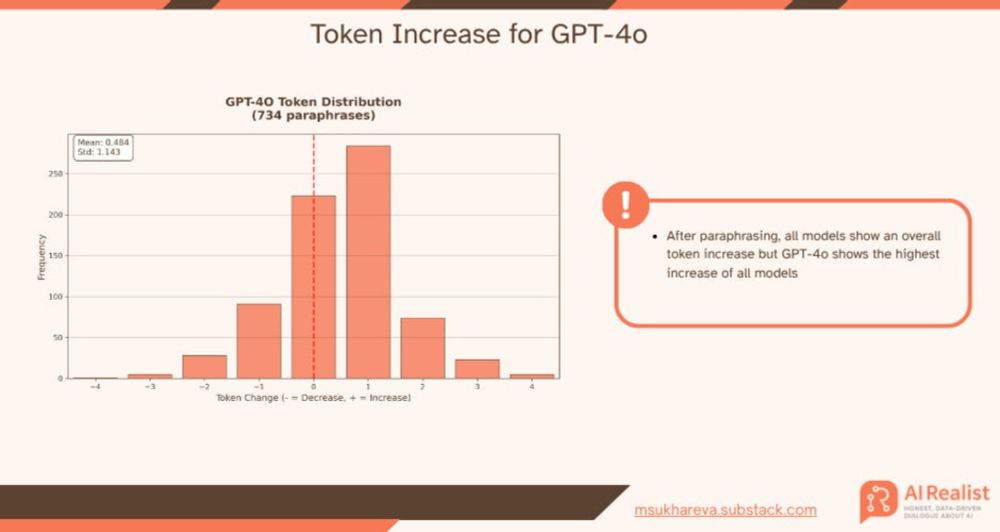
This is the best explanation I've seen yet for _why_ language models prefer em-dashes (—). In brief: The tokenization scheme mean em-dashes result in a smaller loss than other, equivalent punctuation options.
msukhareva.substack.com/p/the-myster...
msukhareva.substack.com/p/the-myster...
The mystery of em‑dashes: part two with quantitative evidence
A couple of weeks ago I made an assumption: the rise of em‑dashes in AI‑generated text happened because model providers started scanning older, pre‑Kindle books.
msukhareva.substack.com
July 7, 2025 at 5:13 AM
This is the best explanation I've seen yet for _why_ language models prefer em-dashes (—). In brief: The tokenization scheme mean em-dashes result in a smaller loss than other, equivalent punctuation options.
msukhareva.substack.com/p/the-myster...
msukhareva.substack.com/p/the-myster...
Reposted

DIA, DOA, DUI, DDA, etc. Here is a comparisons of some quantitative proteomics methods from a POV you might not have seen before:
github.com/pwilmart/qua...
github.com/pwilmart/qua...
GitHub - pwilmart/quantitative_proteomics_comparison: Comparison of DIA to spectral counting and TMT quantitative techniques using animal lens studies
Comparison of DIA to spectral counting and TMT quantitative techniques using animal lens studies - pwilmart/quantitative_proteomics_comparison
github.com
July 4, 2025 at 5:53 PM
DIA, DOA, DUI, DDA, etc. Here is a comparisons of some quantitative proteomics methods from a POV you might not have seen before:
github.com/pwilmart/qua...
github.com/pwilmart/qua...
Reposted
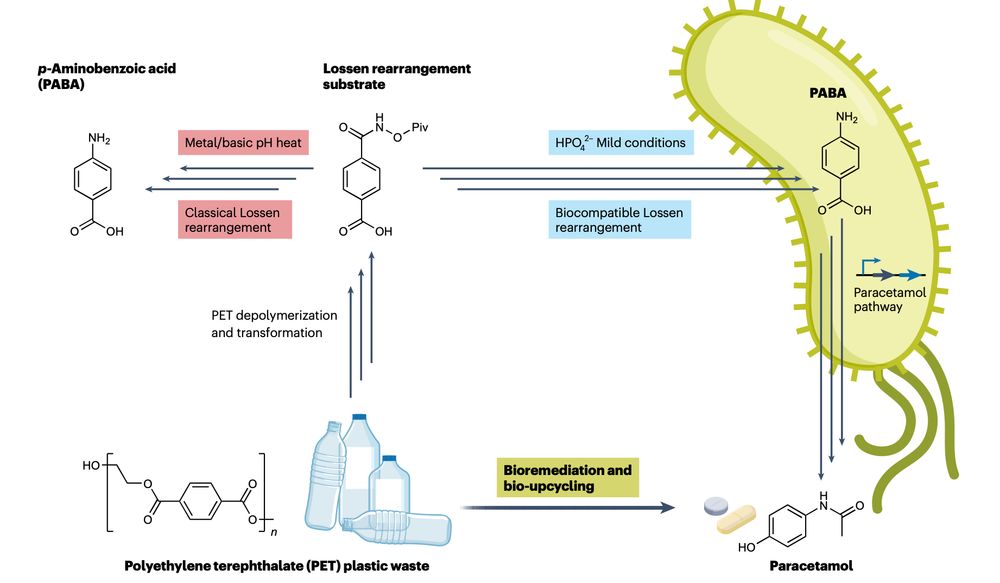
This is wild!
Engineering E. coli bacteria to turn plastic waste into paracetamol (Tylenol)
www.nature.com/articles/s41...
www.nature.com/articles/s41...
Engineering E. coli bacteria to turn plastic waste into paracetamol (Tylenol)
www.nature.com/articles/s41...
www.nature.com/articles/s41...
June 23, 2025 at 6:55 PM
This is wild!
Engineering E. coli bacteria to turn plastic waste into paracetamol (Tylenol)
www.nature.com/articles/s41...
www.nature.com/articles/s41...
Engineering E. coli bacteria to turn plastic waste into paracetamol (Tylenol)
www.nature.com/articles/s41...
www.nature.com/articles/s41...
Reposted

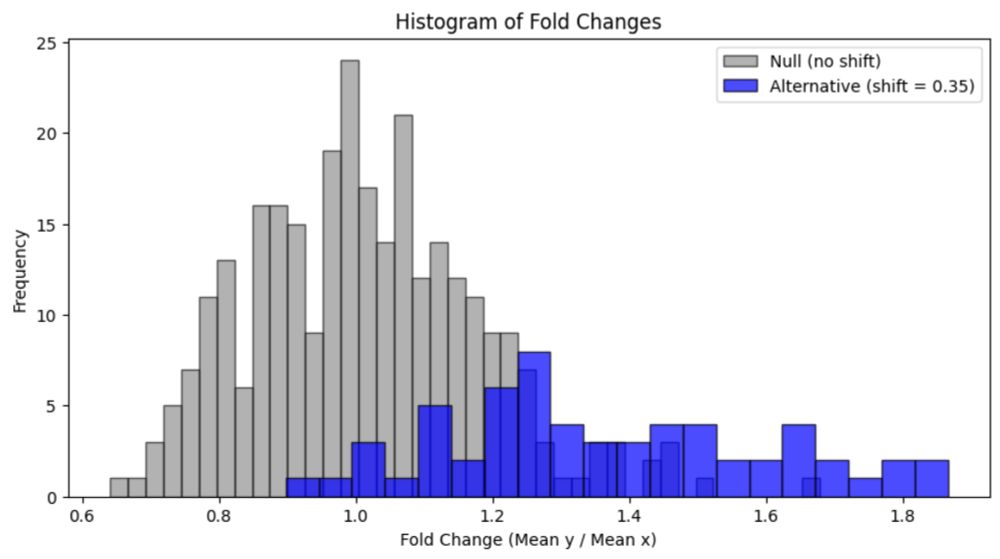
I wrote a review of a recent paper on false discovery and multiple testing correction. liorpachter.wordpress.com/2025/06/16/r...
Reply to: Reply to: False positives in the study of memory-related gene expression
In the Nature paper “Spatial transcriptomics reveal neuron–astrocyte synergy in long-term memory” published on March 14th, 2024, authors Sun et al. claimed to identify cell-type specifi…
liorpachter.wordpress.com
June 16, 2025 at 9:31 PM
I wrote a review of a recent paper on false discovery and multiple testing correction. liorpachter.wordpress.com/2025/06/16/r...
Reposted
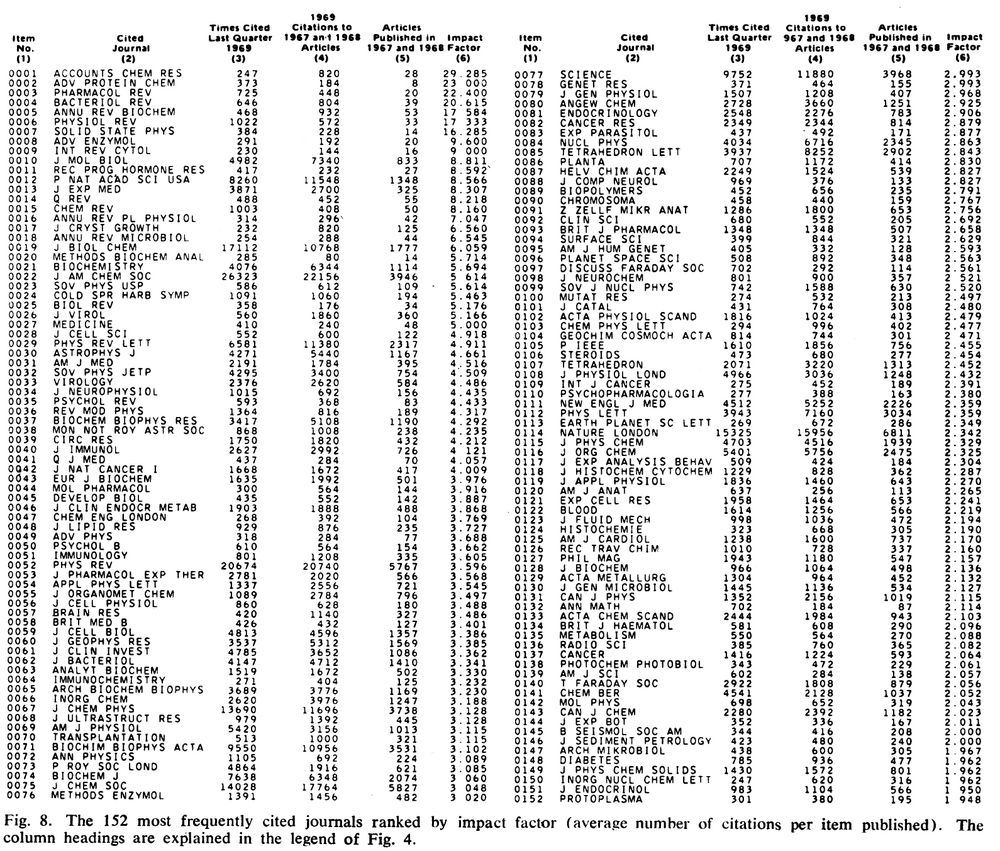
While *ideal* impact factor is well known to be a bad proxy of article quality, it is less well known that *actual* impact factor is negotiated and gamed by journals. You think Nature earned that impact factor? You think that's air you're breathing? (see e.g. journals.plos.org/plosmedicine...)

First-ever ranking of journals by impact factor, published by Garfield in Science in 1972.
Science is ranked #77, impact factor 2.99
Nature is #114, impact factor 2.34
Science is ranked #77, impact factor 2.99
Nature is #114, impact factor 2.34
June 19, 2025 at 11:35 AM
While *ideal* impact factor is well known to be a bad proxy of article quality, it is less well known that *actual* impact factor is negotiated and gamed by journals. You think Nature earned that impact factor? You think that's air you're breathing? (see e.g. journals.plos.org/plosmedicine...)
Reposted

Our paper shows that most ectomycorrhizal fungal species (83% of OTUs) are "dark taxa": species we detect in DNA, but can't match to known species names. We map global "darkspots" - the parts of the world most in need of more research. @spun.earth @ethz.ch www.cell.com/current-biol...
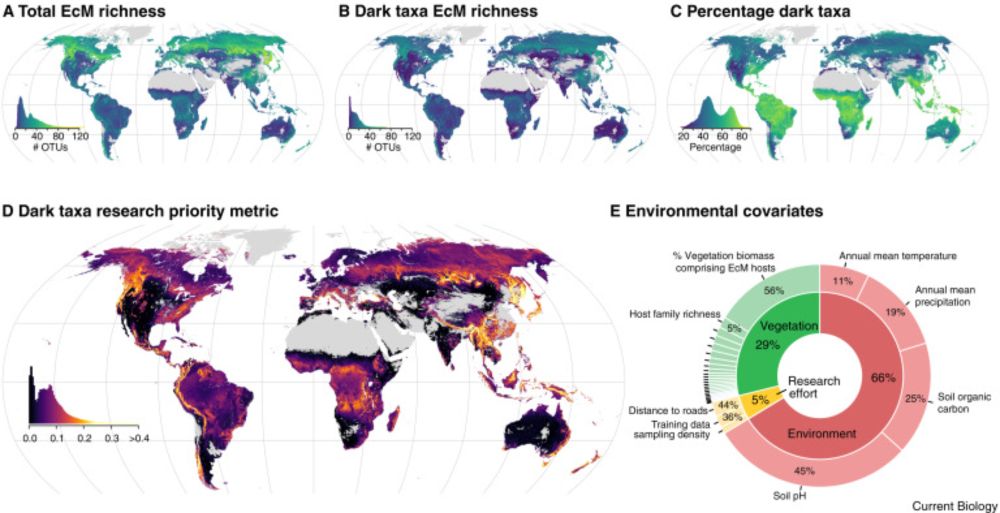
The biogeography and conservation of Earth’s ‘dark’ ectomycorrhizal fungi
In this review, van Galen et al. use global soil metabarcoding databases to evaluate
current estimates of the total number of ectomycorrhizal (EcM) fungal species on Earth,
outline the current state o...
www.cell.com
June 10, 2025 at 12:39 AM
Our paper shows that most ectomycorrhizal fungal species (83% of OTUs) are "dark taxa": species we detect in DNA, but can't match to known species names. We map global "darkspots" - the parts of the world most in need of more research. @spun.earth @ethz.ch www.cell.com/current-biol...
Reposted

Just a nice reminder! 🧪🧬🖥️ I found this GitHub very useful: github.com/cxli233/Frie...
GitHub - cxli233/FriendsDontLetFriends: Friends don't let friends make certain types of data visualization - What are they and why are they bad.
Friends don't let friends make certain types of data visualization - What are they and why are they bad. - GitHub - cxli233/FriendsDontLetFriends: Friends don't let friends make certain ty...
github.com
May 25, 2025 at 7:05 AM
Just a nice reminder! 🧪🧬🖥️ I found this GitHub very useful: github.com/cxli233/Frie...
Reposted

Just out work lead by @mycomile.bsky.social @fungage-lab.bsky.social in A. fumigatus that demonstrate how large scale gene cluster movement is driving heterogeneity in this fungus -- Giant transposons promote strain heterogeneity in a major fungal pathogen pubmed.ncbi.nlm.nih.gov/40353686/

Giant transposons promote strain heterogeneity in a major fungal pathogen - PubMed
Fungal infections are difficult to prevent and treat in large part due to strain heterogeneity, which confounds diagnostic predictability. Yet, the genetic mechanisms driving strain-to-strain variatio...
pubmed.ncbi.nlm.nih.gov
May 19, 2025 at 6:34 PM
Just out work lead by @mycomile.bsky.social @fungage-lab.bsky.social in A. fumigatus that demonstrate how large scale gene cluster movement is driving heterogeneity in this fungus -- Giant transposons promote strain heterogeneity in a major fungal pathogen pubmed.ncbi.nlm.nih.gov/40353686/
Reposted

🧵5 Top Free Alternatives to BioRender for Scientific Illustrations!
These five websites offer free scientific illustrations for biologists. Great for presentations, research papers and other research communication needs.
Save and share the post!
These five websites offer free scientific illustrations for biologists. Great for presentations, research papers and other research communication needs.
Save and share the post!

May 13, 2025 at 7:55 PM
🧵5 Top Free Alternatives to BioRender for Scientific Illustrations!
These five websites offer free scientific illustrations for biologists. Great for presentations, research papers and other research communication needs.
Save and share the post!
These five websites offer free scientific illustrations for biologists. Great for presentations, research papers and other research communication needs.
Save and share the post!
Reposted

I am very happy (and anxious) to share with you our most recent work in which we evaluated four of the most popular long-read assemblers,
www.biorxiv.org/content/10.1...
and tell you just a little bit about it in the following 🧵
www.biorxiv.org/content/10.1...
and tell you just a little bit about it in the following 🧵

Assemblies of long-read metagenomes suffer from diverse errors
Genomes from metagenomes have revolutionised our understanding of microbial diversity, ecology, and evolution, propelling advances in basic science, biomedicine, and biotechnology. Assembly algorithms...
www.biorxiv.org
April 28, 2025 at 8:08 AM
I am very happy (and anxious) to share with you our most recent work in which we evaluated four of the most popular long-read assemblers,
www.biorxiv.org/content/10.1...
and tell you just a little bit about it in the following 🧵
www.biorxiv.org/content/10.1...
and tell you just a little bit about it in the following 🧵
Reposted
ibaqpy: A scalable #Python package for baseline quantification in proteomics leveraging #SDRF metadata www.sciencedirect.com/science/arti.... We continue our effort to provide tools and algorithms that leverage SDRF metadata to perform quantitative proteomics analysis.
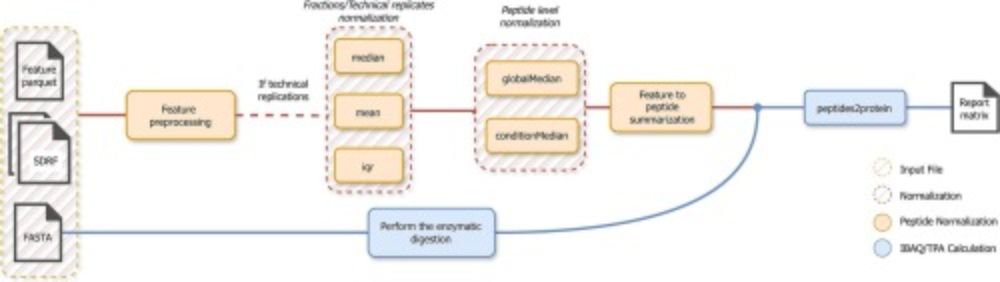
Ibaqpy: A scalable Python package for baseline quantification in proteomics leveraging SDRF metadata
Intensity-based absolute quantification (iBAQ) is essential in proteomics as it allows for the assessment of a protein's absolute abundance in various…
www.sciencedirect.com
April 25, 2025 at 12:22 PM
ibaqpy: A scalable #Python package for baseline quantification in proteomics leveraging #SDRF metadata www.sciencedirect.com/science/arti.... We continue our effort to provide tools and algorithms that leverage SDRF metadata to perform quantitative proteomics analysis.
Reposted

Reposted

Did you know that Greece is one of the most biodiverse countries in #Europe? 🇬🇷
Greek partners institutions in @biogeneurope.bsky.social are using #genomic data to help study and protect these unique species 🧬
Learn more: www.erga-biodiversity.eu/post/navigat... @iboleurope.bsky.social
Greek partners institutions in @biogeneurope.bsky.social are using #genomic data to help study and protect these unique species 🧬
Learn more: www.erga-biodiversity.eu/post/navigat... @iboleurope.bsky.social

Navigating the Genomic Chart of the Greek Seas
By Tereza Manousaki, Thanos Dailianis, the MOm team, Katerina Vasileiadou, Xenia Sarropoulou and Konstantina Theofanopoulou The Hellenic Centre for Marine Research (HCMR), is at the forefront of mari...
www.erga-biodiversity.eu
March 3, 2025 at 11:37 AM
Did you know that Greece is one of the most biodiverse countries in #Europe? 🇬🇷
Greek partners institutions in @biogeneurope.bsky.social are using #genomic data to help study and protect these unique species 🧬
Learn more: www.erga-biodiversity.eu/post/navigat... @iboleurope.bsky.social
Greek partners institutions in @biogeneurope.bsky.social are using #genomic data to help study and protect these unique species 🧬
Learn more: www.erga-biodiversity.eu/post/navigat... @iboleurope.bsky.social