


#Wiktionary #FWOTD for 2 January 2026: “declīnian” (Old English)—“(grammar) to inflect or decline” en.wiktionary.org/wiki/Wiktion...

January 1, 2026 at 10:53 PM
#Wiktionary #FWOTD for 2 January 2026: “declīnian” (Old English)—“(grammar) to inflect or decline” en.wiktionary.org/wiki/Wiktion...

Æthelberht was King of Kent in the 6th century & the first Anglo-Saxon King to convert to Christianity
In the 9th century the Anglo-Saxon Chronicle referred to him as a bretwalda, or ‘Britain-ruler’
Subsequently Christianity spread to the rest of Britain from his Kingdom
In the 9th century the Anglo-Saxon Chronicle referred to him as a bretwalda, or ‘Britain-ruler’
Subsequently Christianity spread to the rest of Britain from his Kingdom
December 30, 2025 at 12:28 PM
Æthelberht was King of Kent in the 6th century & the first Anglo-Saxon King to convert to Christianity
In the 9th century the Anglo-Saxon Chronicle referred to him as a bretwalda, or ‘Britain-ruler’
Subsequently Christianity spread to the rest of Britain from his Kingdom
In the 9th century the Anglo-Saxon Chronicle referred to him as a bretwalda, or ‘Britain-ruler’
Subsequently Christianity spread to the rest of Britain from his Kingdom
King Æthelbald of Wessex died childless on 20 December 860 and was succeeded by his brother Æthelberht. He was the first of four sons of King Æthelwulf to succeed to the throne, the most famous being Alfred the Great, the youngest of Æthelwulf's five sons.

December 20, 2025 at 5:23 AM
King Æthelbald of Wessex died childless on 20 December 860 and was succeeded by his brother Æthelberht. He was the first of four sons of King Æthelwulf to succeed to the throne, the most famous being Alfred the Great, the youngest of Æthelwulf's five sons.
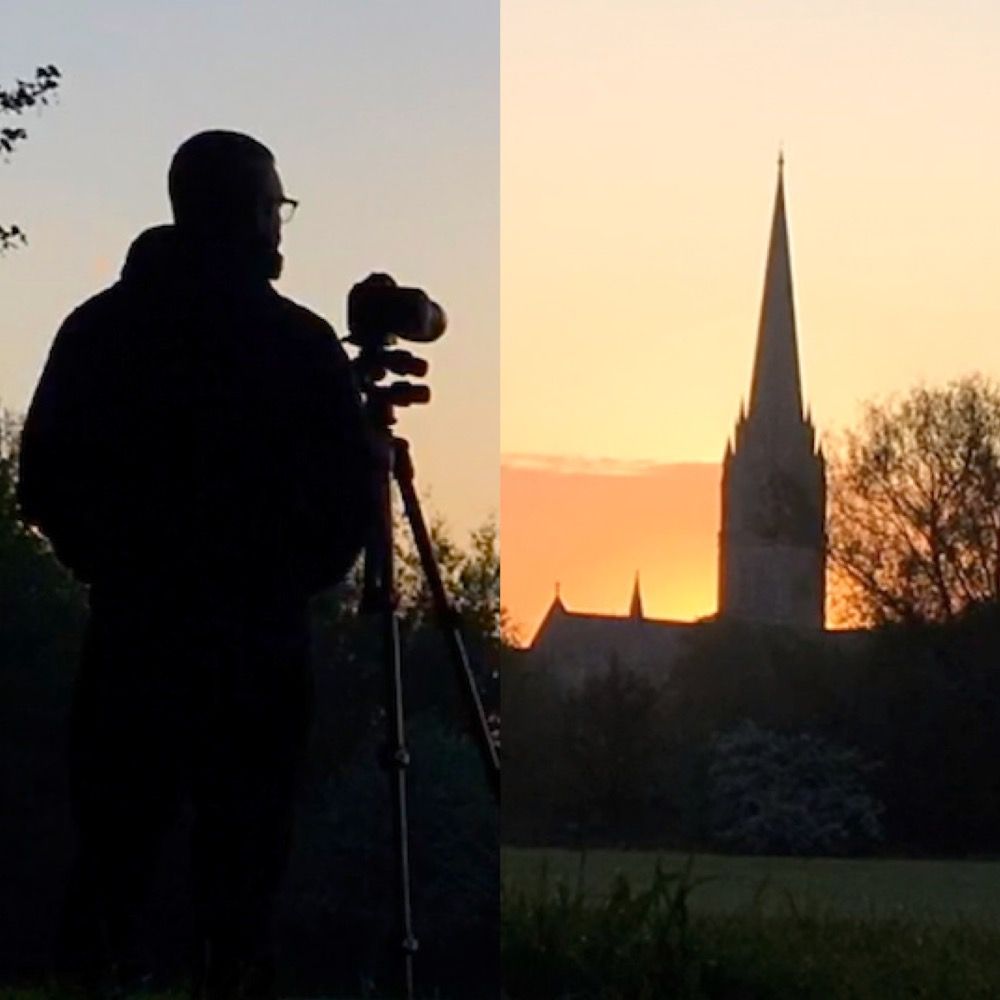
✨ Simple things for Thursday: A murmuration of Roman bricks in the nave at St. Martin's, Canterbury - these walls facilitated worship by Queen Bertha of Kent and St. Augustine in the C6th. King Æthelberht was baptised here. #thread

November 20, 2025 at 6:48 AM
✨ Simple things for Thursday: A murmuration of Roman bricks in the nave at St. Martin's, Canterbury - these walls facilitated worship by Queen Bertha of Kent and St. Augustine in the C6th. King Æthelberht was baptised here. #thread
my lady, an heir to the kingdom of kent is born. hwæt shall you name the boy?
(Æthelberht's mother): Æthelberht
(Æthelberht's mother): Æthelberht
November 16, 2025 at 7:29 PM
my lady, an heir to the kingdom of kent is born. hwæt shall you name the boy?
(Æthelberht's mother): Æthelberht
(Æthelberht's mother): Æthelberht

Aethelbert (Æthelberht) of Kent – Bretwalda #history

Aethelbert (Æthelberht) of Kent – Arms, Battles, and Legacy of England’s First Christian King
Explore Æthelberht of Kent’s life, military power, and political vision. Learn about his arms and armour, law code, Christian legacy, and the archaeological finds that illuminate his reign.
sevenswords.uk
November 14, 2025 at 6:59 PM
Aethelbert (Æthelberht) of Kent – Bretwalda #history

Æthelberht, bishop of Candida Casa / Hwit Aerne, ‘White House’, (Whithorn, Galloway) from 15 June 777-89 and bishop of Hagustaldes ham (Hexham) from 789 died #OTD in 797. Badwulf succeeded him at Whithorn, Heardred at Hexham. 📸AOC Archaeology #medievalsky

October 16, 2025 at 8:41 AM
Æthelberht, bishop of Candida Casa / Hwit Aerne, ‘White House’, (Whithorn, Galloway) from 15 June 777-89 and bishop of Hagustaldes ham (Hexham) from 789 died #OTD in 797. Badwulf succeeded him at Whithorn, Heardred at Hexham. 📸AOC Archaeology #medievalsky

King Æthelberht to King Charles III: "Þū hæfst dyden HWAET?"
October 3, 2025 at 9:27 AM
King Æthelberht to King Charles III: "Þū hæfst dyden HWAET?"
Pehtwine, ‘Pict friend’, bishop of Candida Casa / Hwit Aerne ‘White House’ (Whithorn, Galloway) from 17 July 763, died #OTD in 776/7. Æthelberht succeeded him. 📸AOC Archaeology #medievalsky

September 19, 2025 at 8:40 AM
Pehtwine, ‘Pict friend’, bishop of Candida Casa / Hwit Aerne ‘White House’ (Whithorn, Galloway) from 17 July 763, died #OTD in 776/7. Æthelberht succeeded him. 📸AOC Archaeology #medievalsky

Æthelberht:

The Vikings just need a bit of time to get their shit together.
September 15, 2025 at 1:02 AM
Æthelberht:
Sept 8: Feast of Æthelburh (†647). Daughter of Æthelberht, king of the Cantware (the people of Kent). She married Edwin, king of the Northumbrians, and later founded a convent at Liminge (Lyminge, Kent). 📸BabelStone #medievalsky

September 8, 2025 at 8:42 AM
Sept 8: Feast of Æthelburh (†647). Daughter of Æthelberht, king of the Cantware (the people of Kent). She married Edwin, king of the Northumbrians, and later founded a convent at Liminge (Lyminge, Kent). 📸BabelStone #medievalsky
Sept 7: Anniversary of Tilberht, bishop of Hagustaldes ham (Hexham) 781-9. One of the three bishops who consecrated Aldulf bishop of Mayo at Et Corabrige (Corbridge) in 786. Though called a saint in the chronicles he had no known cult. Æthelberht succeeded him. 📸Kevin Wilbraham #medievalsky

September 7, 2025 at 7:18 AM
Sept 7: Anniversary of Tilberht, bishop of Hagustaldes ham (Hexham) 781-9. One of the three bishops who consecrated Aldulf bishop of Mayo at Et Corabrige (Corbridge) in 786. Though called a saint in the chronicles he had no known cult. Æthelberht succeeded him. 📸Kevin Wilbraham #medievalsky

Meet Bertha, Queen of Kent.
She lived in the sixth century and came to England to marry Æthelberht.
She supported the Gregorian mission, which brought Christianity to Anglo-Saxon England.
Her memory is honored in Canterbury by the “Bertha trail,” a series of 14 plaques.
She lived in the sixth century and came to England to marry Æthelberht.
She supported the Gregorian mission, which brought Christianity to Anglo-Saxon England.
Her memory is honored in Canterbury by the “Bertha trail,” a series of 14 plaques.

September 1, 2025 at 6:24 PM
Meet Bertha, Queen of Kent.
She lived in the sixth century and came to England to marry Æthelberht.
She supported the Gregorian mission, which brought Christianity to Anglo-Saxon England.
Her memory is honored in Canterbury by the “Bertha trail,” a series of 14 plaques.
She lived in the sixth century and came to England to marry Æthelberht.
She supported the Gregorian mission, which brought Christianity to Anglo-Saxon England.
Her memory is honored in Canterbury by the “Bertha trail,” a series of 14 plaques.

Although Judith of Flanders was married to King Æthelbald of Wessex, and when he died she promptly married his son Æthelberht.
August 25, 2025 at 12:50 PM
Although Judith of Flanders was married to King Æthelbald of Wessex, and when he died she promptly married his son Æthelberht.

"The more highly American lay-people tended to value a given body part, the more valuable this body part seemed also to Indian lay-people, to American, Korean and Emirati lawmakers, to King Æthelberht and to the authors of the Guta lag".
www.psypost.org/ancient-laws...
www.psypost.org/ancient-laws...

Ancient laws and modern minds agree on what body parts matter most
For centuries, laws like “an eye for an eye” have shaped justice. A new psychology study suggests people across cultures and eras share deep intuitions about which body parts are most valuable—echoed ...
www.psypost.org
August 21, 2025 at 6:45 AM
"The more highly American lay-people tended to value a given body part, the more valuable this body part seemed also to Indian lay-people, to American, Korean and Emirati lawmakers, to King Æthelberht and to the authors of the Guta lag".
www.psypost.org/ancient-laws...
www.psypost.org/ancient-laws...



She had two older sisters with similar-sounding names (like Æthelberht, Æthelwulf, and Æthelred) and a brother.
When I was in second grade, they all became citizens and I remember my classmate talking about how they got to choose an “American” name.
I was excited for her, to pick her own name,
When I was in second grade, they all became citizens and I remember my classmate talking about how they got to choose an “American” name.
I was excited for her, to pick her own name,
July 30, 2025 at 5:24 AM
She had two older sisters with similar-sounding names (like Æthelberht, Æthelwulf, and Æthelred) and a brother.
When I was in second grade, they all became citizens and I remember my classmate talking about how they got to choose an “American” name.
I was excited for her, to pick her own name,
When I was in second grade, they all became citizens and I remember my classmate talking about how they got to choose an “American” name.
I was excited for her, to pick her own name,

Pope Gregory is now telling a British Christian king that God will "make your glorious name still more glorious even to posterity".
Okay... Hands up those who have heard of Aethelberht.
Okay... Hands up those who have heard of Aethelberht.
July 21, 2025 at 8:41 AM
Pope Gregory is now telling a British Christian king that God will "make your glorious name still more glorious even to posterity".
Okay... Hands up those who have heard of Aethelberht.
Okay... Hands up those who have heard of Aethelberht.
Pehtwine succeeded Frithowald as bishop of Candida Casa / Hwit Aerne, ‘White House’, (Whithorn, Galloway) #OTD in 763 – the same day that Badwulf succeeded Æthelberht in the diocese in 791. 📸AOC Archaeology #medievalsky

July 17, 2025 at 6:49 AM
Pehtwine succeeded Frithowald as bishop of Candida Casa / Hwit Aerne, ‘White House’, (Whithorn, Galloway) #OTD in 763 – the same day that Badwulf succeeded Æthelberht in the diocese in 791. 📸AOC Archaeology #medievalsky

"We should dramatically lower immigration especially from Christian countries or by 700 1 in 3 under 40s will be Christian."
Anglo-Saxon middle aged men of 597 responding to news that Æthelberht. king of Kent, has welcomed Augustine an emissary from Pope Gregory I.
Anglo-Saxon middle aged men of 597 responding to news that Æthelberht. king of Kent, has welcomed Augustine an emissary from Pope Gregory I.

Goodwin to Gove on Spectator TV, “We should dramatically lower if not stop immigration” from “predominantly Muslim countries” because by 2100 “closer to 1 in 3” under 40s will be Muslim.
June 30, 2025 at 11:00 AM
"We should dramatically lower immigration especially from Christian countries or by 700 1 in 3 under 40s will be Christian."
Anglo-Saxon middle aged men of 597 responding to news that Æthelberht. king of Kent, has welcomed Augustine an emissary from Pope Gregory I.
Anglo-Saxon middle aged men of 597 responding to news that Æthelberht. king of Kent, has welcomed Augustine an emissary from Pope Gregory I.
June 25: Feast of Adalbert (Æthelberht) of Egmond († c.740), deacon. A native of Northumbria and disciple of Willibrord, apostle of Frisia. Adalbert worked mainly at Egmond, North Holland, where he was buried. 📸Hoogewoud, R #medievalsky

June 25, 2025 at 6:19 AM
June 25: Feast of Adalbert (Æthelberht) of Egmond († c.740), deacon. A native of Northumbria and disciple of Willibrord, apostle of Frisia. Adalbert worked mainly at Egmond, North Holland, where he was buried. 📸Hoogewoud, R #medievalsky