



#Chemoautotrophic carbon fixation is vital for evaluating #permafrost carbon-climate feedback, but has been largely ignored. Here the authors find that dark #carbon fixation predominates ~1/3 of the investigated #thermokarst lakes on the #Tibetan Plateau.
www.nature.com/articles/s41...
www.nature.com/articles/s41...

December 19, 2025 at 7:28 PM
#Chemoautotrophic carbon fixation is vital for evaluating #permafrost carbon-climate feedback, but has been largely ignored. Here the authors find that dark #carbon fixation predominates ~1/3 of the investigated #thermokarst lakes on the #Tibetan Plateau.
www.nature.com/articles/s41...
www.nature.com/articles/s41...

In #Microbiome
🔍Investigating whether corals near cold seeps associate with related bacteria
🚨The first documented association between chemoautotrophic symbionts and corals at seep
Read more👉 doi.org/qfkb #OpenAccess
🔍Investigating whether corals near cold seeps associate with related bacteria
🚨The first documented association between chemoautotrophic symbionts and corals at seep
Read more👉 doi.org/qfkb #OpenAccess

December 3, 2025 at 9:51 AM
In #Microbiome
🔍Investigating whether corals near cold seeps associate with related bacteria
🚨The first documented association between chemoautotrophic symbionts and corals at seep
Read more👉 doi.org/qfkb #OpenAccess
🔍Investigating whether corals near cold seeps associate with related bacteria
🚨The first documented association between chemoautotrophic symbionts and corals at seep
Read more👉 doi.org/qfkb #OpenAccess

An extraordinary colonial spider community in Sulfur Cave (Albania/Greece) sustained by chemoautotrophy
We report the discovery and detailed analysis of an extraordinary colonial spider assemblage in Sulfur Cave, a chemoautotrophic sulfidic ecosystem located on the Albania-Greece border. The…
We report the discovery and detailed analysis of an extraordinary colonial spider assemblage in Sulfur Cave, a chemoautotrophic sulfidic ecosystem located on the Albania-Greece border. The…

An extraordinary colonial spider community in Sulfur Cave (Albania/Greece) sustained by chemoautotrophy
We report the discovery and detailed analysis of an extraordinary colonial spider assemblage in Sulfur Cave, a chemoautotrophic sulfidic ecosystem located on the Albania-Greece border. The colony, comprising an estimated 69,000 individuals of Tegenaria domestica (Agelenidae) and more than 42,000 of Prinerigone vagans (Linyphiidae), spans a surface area of over 100 m²—representing the first documented case of colonial web formation in these species.
animeaura.store
November 14, 2025 at 2:46 AM
An extraordinary colonial spider community in Sulfur Cave (Albania/Greece) sustained by chemoautotrophy
We report the discovery and detailed analysis of an extraordinary colonial spider assemblage in Sulfur Cave, a chemoautotrophic sulfidic ecosystem located on the Albania-Greece border. The…
We report the discovery and detailed analysis of an extraordinary colonial spider assemblage in Sulfur Cave, a chemoautotrophic sulfidic ecosystem located on the Albania-Greece border. The…

subtbiol.pensoft.net/article/1623...
"We report the discovery and detailed analysis of an extraordinary colonial spider assemblage in Sulfur Cave, a chemoautotrophic sulfidic ecosystem located on the Albania-Greece border." 1/2
"We report the discovery and detailed analysis of an extraordinary colonial spider assemblage in Sulfur Cave, a chemoautotrophic sulfidic ecosystem located on the Albania-Greece border." 1/2

An extraordinary colonial spider community in Sulfur Cave (Albania/Greece) sustained by chemoautotrophy
We report the discovery and detailed analysis of an extraordinary colonial spider assemblage in Sulfur Cave, a chemoautotrophic sulfidic ecosystem located on the Albania-Greece border. The colony, com...
subtbiol.pensoft.net
November 9, 2025 at 4:43 PM
subtbiol.pensoft.net/article/1623...
"We report the discovery and detailed analysis of an extraordinary colonial spider assemblage in Sulfur Cave, a chemoautotrophic sulfidic ecosystem located on the Albania-Greece border." 1/2
"We report the discovery and detailed analysis of an extraordinary colonial spider assemblage in Sulfur Cave, a chemoautotrophic sulfidic ecosystem located on the Albania-Greece border." 1/2
Tough reading though, the authors could benefit from a nice science writing class.

November 9, 2025 at 12:47 PM
Tough reading though, the authors could benefit from a nice science writing class.

«We report the discovery and detailed analysis of an extraordinary colonial spider assemblage in Sulfur Cave, a chemoautotrophic sulfidic ecosystem located on the Albania-Greece border.»
#science #spiders #academicsky
#science #spiders #academicsky

An extraordinary colonial spider community in Sulfur Cave (Albania/Greece) sustained by chemoautotrophy
We report the discovery and detailed analysis of an extraordinary colonial spider assemblage in Sulfur Cave, a chemoautotrophic sulfidic ecosystem located on the Albania-Greece border. The colony, com...
subtbiol.pensoft.net
November 6, 2025 at 7:50 PM
«We report the discovery and detailed analysis of an extraordinary colonial spider assemblage in Sulfur Cave, a chemoautotrophic sulfidic ecosystem located on the Albania-Greece border.»
#science #spiders #academicsky
#science #spiders #academicsky

These were the main two, but they mention another three as well! And they don't even eat each other!! And the food web is based on *chemoautotrophic* primary production!!!
November 6, 2025 at 7:35 PM
These were the main two, but they mention another three as well! And they don't even eat each other!! And the food web is based on *chemoautotrophic* primary production!!!
That's me learned the word chemoautotrophic
I remember learning about the existence of colonial spiders for the first time and thinking that was cool. This is next level. 2 species of spider (Tegenaria domestica & Prinerigone vagans) cohabitating in an effectively chemoautotrophic sulfur-based ecosystem.
🧪🕷️🕸️🐛
newatlas.com/biology/sulf...
🧪🕷️🕸️🐛
newatlas.com/biology/sulf...

World’s largest web houses 110,000 spiders thriving in total darkness
Deep underground in a dark, sulfuric cave on the border between Albania and Greece, scientists have made an incredible discovery – a giant communal spider web spanning more than 100 square meters (1,0...
newatlas.com
November 6, 2025 at 7:17 PM
That's me learned the word chemoautotrophic
I remember learning about the existence of colonial spiders for the first time and thinking that was cool. This is next level. 2 species of spider (Tegenaria domestica & Prinerigone vagans) cohabitating in an effectively chemoautotrophic sulfur-based ecosystem.
🧪🕷️🕸️🐛
newatlas.com/biology/sulf...
🧪🕷️🕸️🐛
newatlas.com/biology/sulf...
World’s largest web houses 110,000 spiders thriving in total darkness
Deep underground in a dark, sulfuric cave on the border between Albania and Greece, scientists have made an incredible discovery – a giant communal spider web spanning more than 100 square meters (1,0...
newatlas.com
November 6, 2025 at 7:14 PM
I remember learning about the existence of colonial spiders for the first time and thinking that was cool. This is next level. 2 species of spider (Tegenaria domestica & Prinerigone vagans) cohabitating in an effectively chemoautotrophic sulfur-based ecosystem.
🧪🕷️🕸️🐛
newatlas.com/biology/sulf...
🧪🕷️🕸️🐛
newatlas.com/biology/sulf...

A spider colony of 69,000 individuals of Tegenaria domestica and more than 42,000 of Prinerigone vagans, covering a surface area of over 100 m², was found in Sulfur Cave, a chemoautotrophic sulfidic ecosystem located on the Albania-Greece border. See more here: doi.org/10.3897/subt...

October 27, 2025 at 10:12 AM
A spider colony of 69,000 individuals of Tegenaria domestica and more than 42,000 of Prinerigone vagans, covering a surface area of over 100 m², was found in Sulfur Cave, a chemoautotrophic sulfidic ecosystem located on the Albania-Greece border. See more here: doi.org/10.3897/subt...

The seep chemoautotrophic trophic are extreme and weird to us, but follow the systems. I think we need to get down into bigger questions. Is the magic just an energy source or also a matter source? Is the life all organic? Like does create food/water makes wizards thaumatoautotrophs?
October 23, 2025 at 12:47 AM
The seep chemoautotrophic trophic are extreme and weird to us, but follow the systems. I think we need to get down into bigger questions. Is the magic just an energy source or also a matter source? Is the life all organic? Like does create food/water makes wizards thaumatoautotrophs?

Ever wondered if #colonial spider webs can exist... in a #Sulfur #Cave?! Yes, it’s real—and it is between Albania🇦🇱 and Greece🇬🇷! This study reveals how #Tegenaria domestica form dense colonies in a toxic cave ecosystem—supported by sulfur-based chemoautotrophic life. 🕷🕸
An extraordinary colonial spider assemblage was discovered in Sulfur Cave, a chemoautotrophic sulfidic ecosystem located on the Albania-Greece border. Learn more about it here: doi.org/10.3897/subt...
#spiders #caves #subterranean @vrenozina.bsky.social @uni-goettingen.de
#spiders #caves #subterranean @vrenozina.bsky.social @uni-goettingen.de

October 20, 2025 at 3:05 PM
Ever wondered if #colonial spider webs can exist... in a #Sulfur #Cave?! Yes, it’s real—and it is between Albania🇦🇱 and Greece🇬🇷! This study reveals how #Tegenaria domestica form dense colonies in a toxic cave ecosystem—supported by sulfur-based chemoautotrophic life. 🕷🕸
An extraordinary colonial spider assemblage was discovered in Sulfur Cave, a chemoautotrophic sulfidic ecosystem located on the Albania-Greece border. Learn more about it here: doi.org/10.3897/subt...
#spiders #caves #subterranean @vrenozina.bsky.social @uni-goettingen.de
#spiders #caves #subterranean @vrenozina.bsky.social @uni-goettingen.de
October 20, 2025 at 2:50 PM
An extraordinary colonial spider assemblage was discovered in Sulfur Cave, a chemoautotrophic sulfidic ecosystem located on the Albania-Greece border. Learn more about it here: doi.org/10.3897/subt...
#spiders #caves #subterranean @vrenozina.bsky.social @uni-goettingen.de
#spiders #caves #subterranean @vrenozina.bsky.social @uni-goettingen.de

Diffusive and advective fluid flow shapes chemoautotrophic bacterial communities and sulfur mineralogy in hydrothermal sediments off Milos https://www.biorxiv.org/content/10.1101/2025.09.02.673406v1
September 4, 2025 at 4:46 AM
Diffusive and advective fluid flow shapes chemoautotrophic bacterial communities and sulfur mineralogy in hydrothermal sediments off Milos https://www.biorxiv.org/content/10.1101/2025.09.02.673406v1

Diffusive and advective fluid flow shapes chemoautotrophic bacterial communities and sulfur mineralogy in hydrothermal sediments off Milos https://www.biorxiv.org/content/10.1101/2025.09.02.673406v1
September 4, 2025 at 4:46 AM
Diffusive and advective fluid flow shapes chemoautotrophic bacterial communities and sulfur mineralogy in hydrothermal sediments off Milos https://www.biorxiv.org/content/10.1101/2025.09.02.673406v1

It was so nice to record a session of #MattersMicrobial today with Dr. Roxanne Beinart of the University of Rhode Island. We chatted about chemoautotrophic symbiosis in the deep sea. It was very interesting, and fun! It will release next week.

August 22, 2025 at 5:20 AM
It was so nice to record a session of #MattersMicrobial today with Dr. Roxanne Beinart of the University of Rhode Island. We chatted about chemoautotrophic symbiosis in the deep sea. It was very interesting, and fun! It will release next week.

Might be even more complex, see for example:
"On the origins of cells: a hypothesis for the evolutionary transitions from abiotic geochemistry to chemoautotrophic prokaryotes, and from prokaryotes to nucleated cells" W. Martin, M.J. Russell 2003
dx.doi.org/10.1098/rstb...
"On the origins of cells: a hypothesis for the evolutionary transitions from abiotic geochemistry to chemoautotrophic prokaryotes, and from prokaryotes to nucleated cells" W. Martin, M.J. Russell 2003
dx.doi.org/10.1098/rstb...

July 5, 2025 at 3:37 PM
Might be even more complex, see for example:
"On the origins of cells: a hypothesis for the evolutionary transitions from abiotic geochemistry to chemoautotrophic prokaryotes, and from prokaryotes to nucleated cells" W. Martin, M.J. Russell 2003
dx.doi.org/10.1098/rstb...
"On the origins of cells: a hypothesis for the evolutionary transitions from abiotic geochemistry to chemoautotrophic prokaryotes, and from prokaryotes to nucleated cells" W. Martin, M.J. Russell 2003
dx.doi.org/10.1098/rstb...

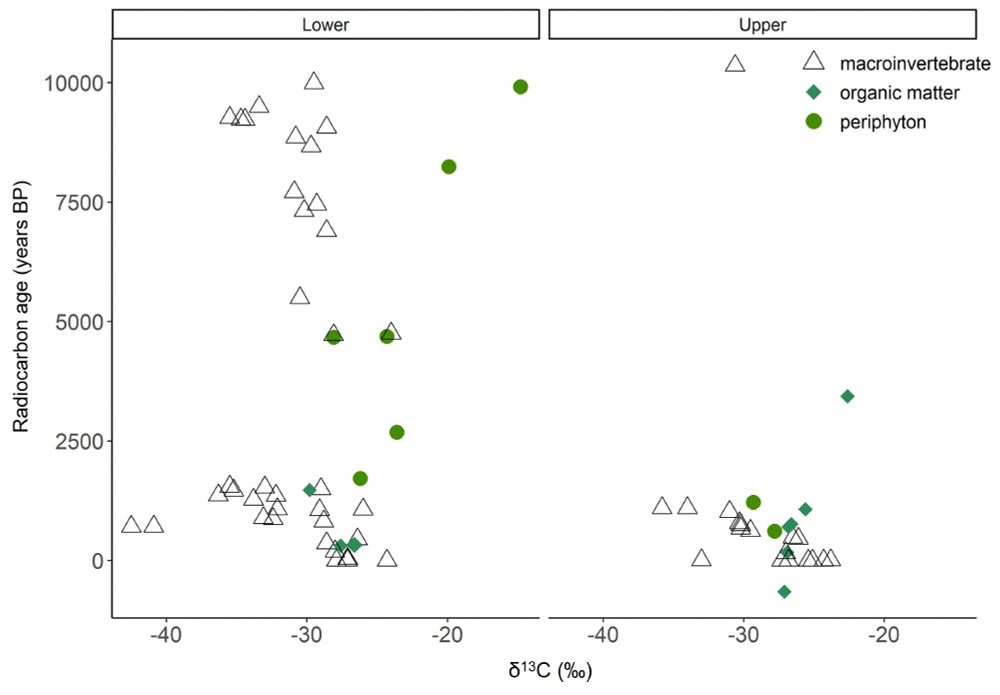
Although we typically consider photosynthetic allochthonous and autochthonous carbon in stream food webs, chemoautotrophic sources (ammonia or sulfur oxidation) can contribute substantially, and incorporate ancient C. Recently accepted to FWS, online at www.journals.uchicago.edu/doi/10.1086/...
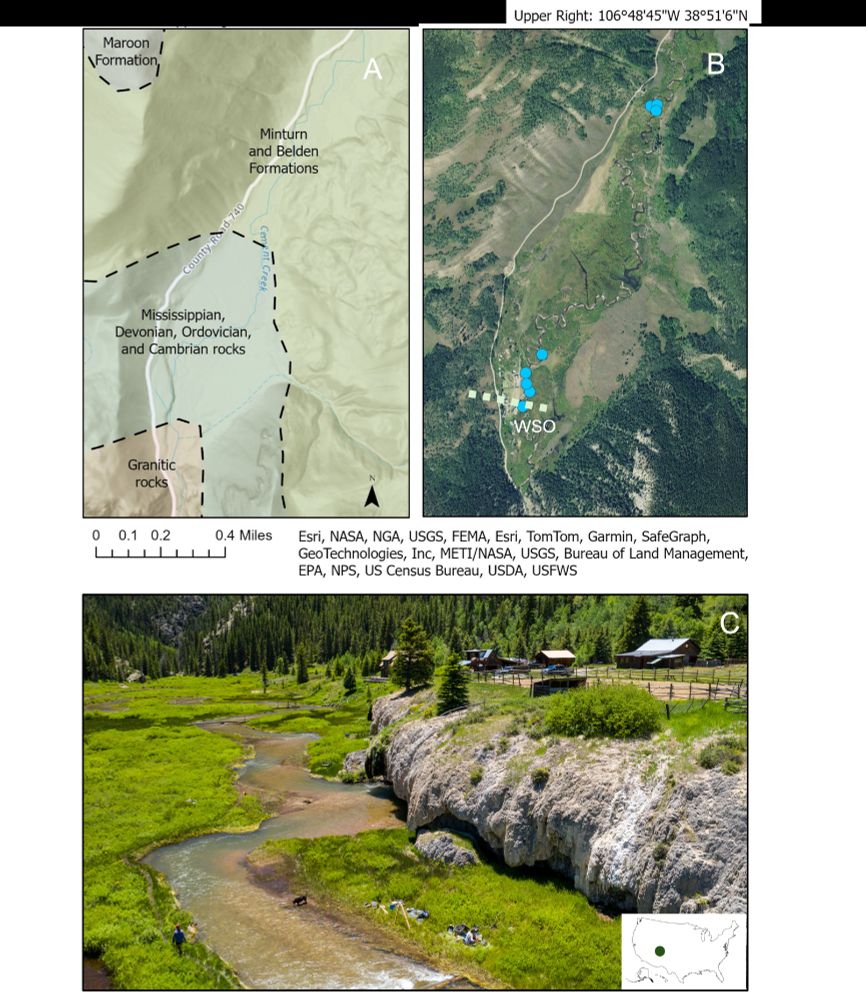
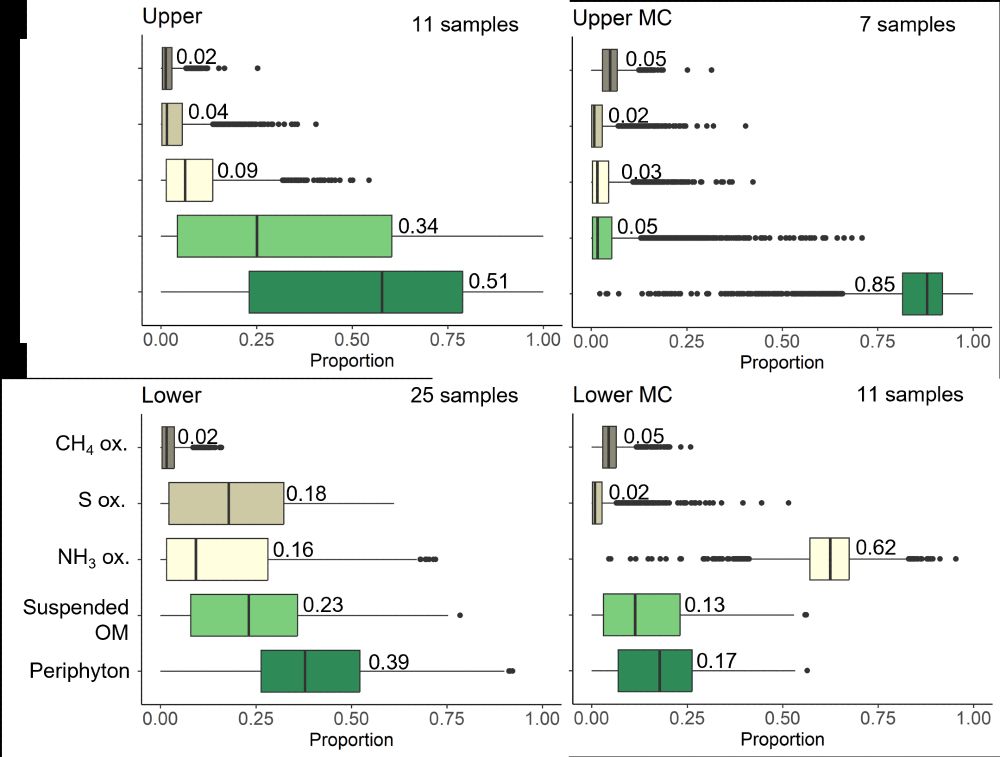
July 4, 2025 at 5:43 PM
Although we typically consider photosynthetic allochthonous and autochthonous carbon in stream food webs, chemoautotrophic sources (ammonia or sulfur oxidation) can contribute substantially, and incorporate ancient C. Recently accepted to FWS, online at www.journals.uchicago.edu/doi/10.1086/...

Virus-mediated recycling of chemoautotrophic biomass www.biorxiv.org/content/10.1... #jcampubs
May 29, 2025 at 6:19 PM
Virus-mediated recycling of chemoautotrophic biomass www.biorxiv.org/content/10.1... #jcampubs
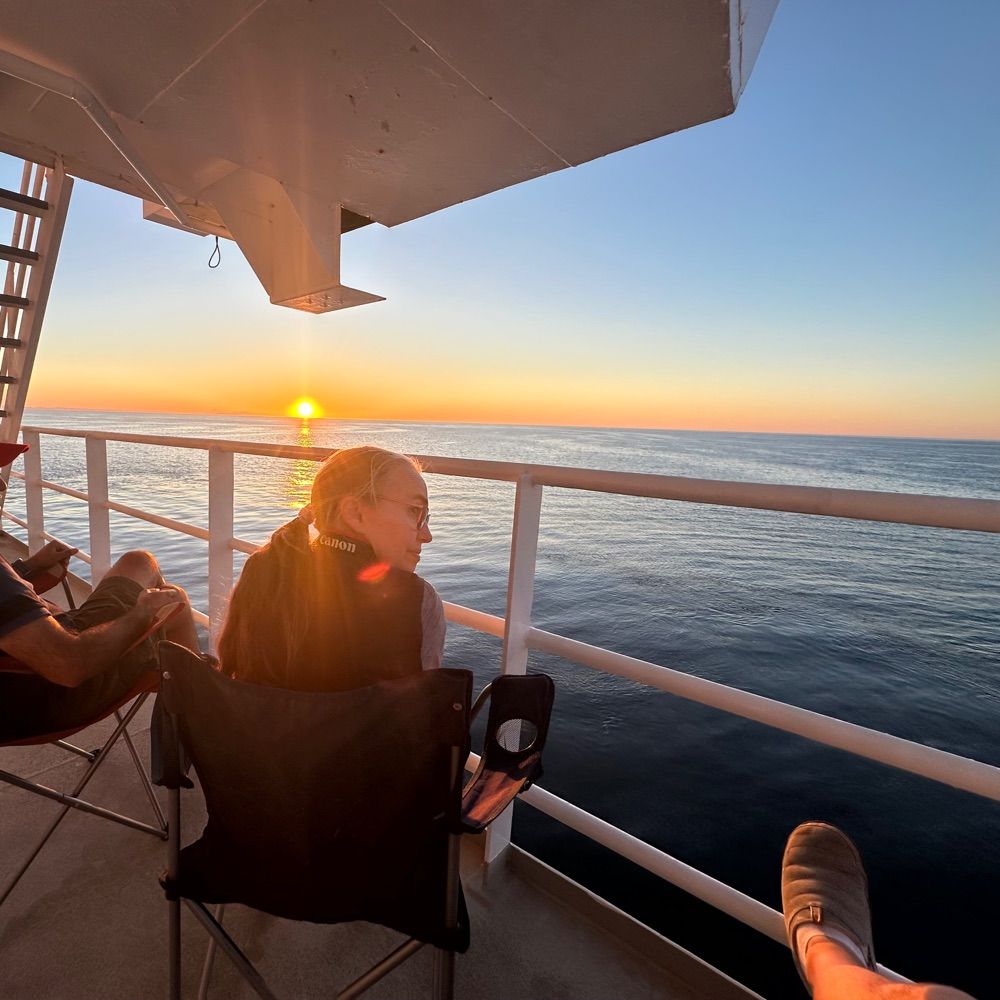
Hydrothermal plumes are known to be hot spots of chemoautotrophic microbial production, where the oxidation of reduced inorganic substrates supports biomass production. In this paper we show that heterotrophic microbial production is far more important in Guaymas Basin hydrothermal plumes…
May 28, 2025 at 3:45 PM
Hydrothermal plumes are known to be hot spots of chemoautotrophic microbial production, where the oxidation of reduced inorganic substrates supports biomass production. In this paper we show that heterotrophic microbial production is far more important in Guaymas Basin hydrothermal plumes…

Virus-mediated recycling of chemoautotrophic biomass | bioRxiv https://www.biorxiv.org/content/10.1101/2025.05.27.656380v1?rss=1

Virus-mediated recycling of chemoautotrophic biomass
Aquatic environments absorb ~2.5 gigatonnes of atmospheric carbon each year, more than the carbon stored in the atmosphere, soils, and all biomass combined. Primary producers transform this dissolved inorganic carbon into biomass that can subsequently flow into other trophic levels, or be released back into the environment through viral lysis. While there is substantial knowledge about the diversity and activity of viruses infecting photoautotrophic primary producers, little is known about viruses infecting chemoautotrophs, representing a gap in our understanding of key microbial processes driving global carbon cycles. Here, we combine metagenomics with 12/13C stable isotopic probing mesocosm experiments in a marine-derived meromictic pond to quantify lineage-specific carbon cycling activity to identify key microbial populations driving carbon cycling. We then tracked the flow of carbon from active chemoautotrophs to their viruses and found evidence supporting virus-mediated recycling of chemoautotrophic biomass through the production of viral particles. In particular, active populations of hydrogen/sulfur-oxidizing chemoautotrophs (Thiomicrorhabdus, Hydrogenovibrio, Sulfurimonas, Sulfurovum) were targeted by viruses. Considering the widespread distribution of chemoautotrophs on Earth, we postulate that this previously overlooked component of the microbial carbon cycle is a globally relevant process that has implications for our planet's carbon cycle. This work provides the foundation for revealing the role of viral lysis in chemoautotrophic primary production and builds toward biogeochemical models that incorporate viral recycling of chemoautotrophic biomass. ### Competing Interest Statement The authors have declared no competing interest. University of North Carolina at Charlotte, https://ror.org/04dawnj30
www.biorxiv.org
May 28, 2025 at 3:56 AM
Virus-mediated recycling of chemoautotrophic biomass | bioRxiv https://www.biorxiv.org/content/10.1101/2025.05.27.656380v1?rss=1
Virus-mediated recycling of chemoautotrophic biomass | bioRxiv https://www.biorxiv.org/content/10.1101/2025.05.27.656380v1?rss=1
Virus-mediated recycling of chemoautotrophic biomass
Aquatic environments absorb ~2.5 gigatonnes of atmospheric carbon each year, more than the carbon stored in the atmosphere, soils, and all biomass combined. Primary producers transform this dissolved inorganic carbon into biomass that can subsequently flow into other trophic levels, or be released back into the environment through viral lysis. While there is substantial knowledge about the diversity and activity of viruses infecting photoautotrophic primary producers, little is known about viruses infecting chemoautotrophs, representing a gap in our understanding of key microbial processes driving global carbon cycles. Here, we combine metagenomics with 12/13C stable isotopic probing mesocosm experiments in a marine-derived meromictic pond to quantify lineage-specific carbon cycling activity to identify key microbial populations driving carbon cycling. We then tracked the flow of carbon from active chemoautotrophs to their viruses and found evidence supporting virus-mediated recycling of chemoautotrophic biomass through the production of viral particles. In particular, active populations of hydrogen/sulfur-oxidizing chemoautotrophs (Thiomicrorhabdus, Hydrogenovibrio, Sulfurimonas, Sulfurovum) were targeted by viruses. Considering the widespread distribution of chemoautotrophs on Earth, we postulate that this previously overlooked component of the microbial carbon cycle is a globally relevant process that has implications for our planet's carbon cycle. This work provides the foundation for revealing the role of viral lysis in chemoautotrophic primary production and builds toward biogeochemical models that incorporate viral recycling of chemoautotrophic biomass. ### Competing Interest Statement The authors have declared no competing interest. University of North Carolina at Charlotte, https://ror.org/04dawnj30
www.biorxiv.org
May 28, 2025 at 3:47 AM
Virus-mediated recycling of chemoautotrophic biomass | bioRxiv https://www.biorxiv.org/content/10.1101/2025.05.27.656380v1?rss=1

Virus-mediated recycling of chemoautotrophic biomass https://www.biorxiv.org/content/10.1101/2025.05.27.656380v1
May 28, 2025 at 3:18 AM
Virus-mediated recycling of chemoautotrophic biomass https://www.biorxiv.org/content/10.1101/2025.05.27.656380v1
Virus-mediated recycling of chemoautotrophic biomass https://www.biorxiv.org/content/10.1101/2025.05.27.656380v1
May 28, 2025 at 3:18 AM
Virus-mediated recycling of chemoautotrophic biomass https://www.biorxiv.org/content/10.1101/2025.05.27.656380v1
Fossil chemoautotrophic tubeworms from the Figueroa sulphide deposit. Siboglinidae have been pulling this trick since at least the Silurian. See the Yaman-Kasy deposit.
Ref: Early Jurassic hydrothermal vent community from the Franciscan Complex, California:
www.researchgate.net/profile/Cris...
Ref: Early Jurassic hydrothermal vent community from the Franciscan Complex, California:
www.researchgate.net/profile/Cris...


April 18, 2025 at 5:51 PM
Fossil chemoautotrophic tubeworms from the Figueroa sulphide deposit. Siboglinidae have been pulling this trick since at least the Silurian. See the Yaman-Kasy deposit.
Ref: Early Jurassic hydrothermal vent community from the Franciscan Complex, California:
www.researchgate.net/profile/Cris...
Ref: Early Jurassic hydrothermal vent community from the Franciscan Complex, California:
www.researchgate.net/profile/Cris...