




@jlcha.bsky.social
Reposted

American social media platforms are banned in Russia. Have you noticed Donald isn't sanctioning anyone over that?
December 24, 2025 at 10:46 AM
American social media platforms are banned in Russia. Have you noticed Donald isn't sanctioning anyone over that?
Reposted

En 2025, « Les Jours » avaient déjà épinglé Charles Alloncle. Le rapporteur de la commission sur l’audiovisuel public était l’administrateur d’un groupe Facebook. Exemples de propos racistes qu’il n’a jamais modérés ? «Singes des banlieues», «Race de merde»...
À lire ici 👉 lesjours.fr/obsessio...
À lire ici 👉 lesjours.fr/obsessio...

December 23, 2025 at 12:00 PM
En 2025, « Les Jours » avaient déjà épinglé Charles Alloncle. Le rapporteur de la commission sur l’audiovisuel public était l’administrateur d’un groupe Facebook. Exemples de propos racistes qu’il n’a jamais modérés ? «Singes des banlieues», «Race de merde»...
À lire ici 👉 lesjours.fr/obsessio...
À lire ici 👉 lesjours.fr/obsessio...
Reposted

Solar is quite a solution for Australia!

Australia has so much electricity from solar power that it is going to start offering free electricity to everyone for at least three hours during the day as the wholesale price of power goes negative
electrek.co/2025/11/04/a...
electrek.co/2025/11/04/a...

Australia has so much solar that it's offering everyone free electricity
Australia's extensive solar power penetration makes so much energy that the government wants to offer free electricity at peak hours.
electrek.co
December 21, 2025 at 6:30 AM
Solar is quite a solution for Australia!
Reposted

#Batteries 🔋used for storing energy from big solar farms have gotten so cheap that now we can save excess sunshine in them and use it on demand. #Solar 🌞 can give #electricity not just in the daytime but anytime 24/7, without costing more than other options ⚡🌙.

Batteries now cheap enough to make dispatchable solar economically feasible
Energy think tank Ember says utility-scale battery costs can now achieve a levelized cost of storage of $65/MWh outside China and the United States, enabling solar power to be delivered when needed.
www.pv-magazine.com
December 20, 2025 at 8:37 PM
#Batteries 🔋used for storing energy from big solar farms have gotten so cheap that now we can save excess sunshine in them and use it on demand. #Solar 🌞 can give #electricity not just in the daytime but anytime 24/7, without costing more than other options ⚡🌙.
Sérieusement l’Humanité ??

Guerre en Ukraine : Poutine dessine des pourparlers encore long lors de sa conférence annuelle
➡️ https://l.humanite.fr/x35
➡️ https://l.humanite.fr/x35

December 19, 2025 at 11:18 AM
Sérieusement l’Humanité ??
Reposted

“Women’s Bodies Were the Battleground”: Survivors Left Behind amid Tigray’s Uncertain Peace #Refugees

“Women’s Bodies Were the Battleground”: Survivors Left Behind amid Tigray’s Uncertain Peace
Nearly three years after the guns fell silent, women in Tigray continue to carry the effects of the war in their bodies, their minds, and their daily lives. In recent interviews, survivors and the professionals who serve them made clear that the end of open fighting has not brought safety, recovery, or dignity for many women—and for some, conditions have only worsened. Specifically, the scale of sexual violence did not diminish with the signing of the Pretoria Agreement, nor have the physical and mental health needs that violence has produced. Instead, its effects can still be seen in hospitals, displacement sites, homes, and communities across Tigray today. And a health system in need of rebuilding, pervasive stigma, deepening poverty , and severe aid cuts have only compounded these effects – at the very moment women and girls most need sustained care and protection. On top of all of this looms a real threat that violence could soon return to Tigray. Signals from Addis Ababa – including bellicose rhetoric from military leaders and Prime Minister Abiy Ahmed himself – are alarming indicators that war could return to the battered region. Likewise, escalations among regional forces could lead to renewed fighting: there are splits among Tigray’s political groups, tensions with Amhara forces, and the presence of Eritrean troops still in Tigray. Given the widespread use of sexual violence during the Tigray War between 2020 and 2022, if fighting resumes, women’s bodies will again be part of the battleground. Women know this and are trying to prepare themselves. But they need support to both recover and prepare for the prospect of future violence. And they desperately need peace to hold. Internally displaced women in Tigray, in particular, are living with deep uncertainty and still lack the support they need to recover from the brutal violence many endured during the war. Some are barely surviving. As Refugees International has previously reported, the prevalence of sexual violence during the conflict was extreme. These crimes included sexual slavery, rape in front of family members, and even cruel attempts to make women barren. Doctors removed shrapnel, screws, metal spikes, wires, nail clippers, and even hate messages wrapped in plastic from women’s wombs. Health workers regularly encountered women with traumatic fistula, an injury caused by extreme sexual violence, leaving women leaking urine or feces. This kind of sexual violence has persisted , even with the cessation of hostilities and signing of the Pretoria Agreement, and women still lack support and access to some of the most basic treatment. Now, the threat of renewed conflict is now colliding with these failures. A Tigrayan women’s health advocate told Refugees International that women—aware that conflict could return at any moment, and with it, the potential for further sexual violence—are now begging for access to morning-after pills and other supplies to prepare. In interviews with Refugees International, women’s health experts emphasized that intimate partner violence and femicide are on the rise. The region’s few safehouses for GBV survivors are already beyond capacity. Aid cuts have wiped out what little assistance was available. Even food—supposedly deemed “lifesaving”—is now scarce, and food insecurity is increasing, especially among pregnant, disabled, and elderly women who struggle traveling to registration and distribution sites. It does not have to be this way. There are steps that actors can take to support internally displaced people (IDPs) in Tigray – and women survivors in particular. In recent months, Refugees International has conducted remote and in-person interviews with Tigrayan health experts, advocates, and local aid workers and displaced people. These conversations build on field work in Tigray in 2023, and a series of events and meetings in the years since, both in person in Washington DC with visiting Tigrayans and remotely. These recommendations emerge from those interviews.
Restore funding for humanitarian aid in Ethiopia, specifically for the wide range of activities critical to addressing sexual violence and sustaining peace – including expanding access to HIV/AIDS medication, increasing the supply of clean water and latrines, and providing mental health support. Invest in women-specific sexual violence mitigation initiatives by local groups, including safehouses and hotlines to rescue women in crisis. Use diplomatic leverage to pressure the government of Ethiopia to include women in meaningful ways in political processes, such as the enforcement of the Pretoria Agreement, and in rebuilding and recovery initiatives in the region.
Enforce the entirety of the Pretoria Agreement – most notably the requirement that armed groups, including Amhara and Eritrean forces, vacate western Tigray – to ensure safe returns for IDPs. Invest in the rebuilding of Tigray by funding the reconstruction of hospitals and clinics as well as expanding access to social services across the region to protect IDPs in line with international obligations and standards. Ensure women have a meaningful role in policy and decision-making, including in the ways the Pretoria Agreement is carried out. An advisory council composed of women would be one step toward improving women’s participation in policy and decision-making.
Scale up broader humanitarian assistance in Tigray, while recognizing that mental health and psychosocial support (MHPSS), livelihoods, and other protection interventions are lifesaving and should be included and prioritized within humanitarian assistance. Channel resources to local groups, which are leading the community-level response. Support these groups with technical assistance and in connecting them directly with funders. Invest in one-stop shops, hotlines, and safehouses for women, which are currently unable to meet demands for lifesaving support services. Local groups, such as the Tigray Women’s Association, need more resources to help women survivors in crisis. Equip health clinics with comprehensive women’s health supplies, from menstrual hygiene items to medications required in the event of renewed conflict and related sexual violence. This includes post-exposure prophylaxis (PEP) kits, which are essential for preventing HIV following rape.
The Tigray War, which lasted from 2020 through 2022, has been one of the most deadly in recent history. An estimated 600,000 people were killed – a staggering death toll for a two year period. By comparison, the brutal conflict in Gaza killed nearly 70,000 people over two years and the bloody war in Sudan has killed more than 150,000 since April 2023. The Commission of Inquiry on the Tigray Genocide (CITG) found evidence of mass atrocities, ethnic-based violence, and widespread displacement across the region. Tigray’s conflict ended with the Pretoria Agreement in November 2022, but the agreement itself has not been fully implemented . This has left people in Tigray in a precarious situation, and the region is now facing escalating tensions and uncertainty. In the years following the Pretoria Agreement should have been years when displaced people returned home and rebuilt their lives and the region recovered. Instead, Tigray’s population – especially its nearly 800,000 IDPs – has seen what little aid they were receiving diminish or disappear entirely. Many people have been left in conditions as dire as, if not worse than, before. Displaced families still huddle in schools, seeking temporary shelter in overcrowded, unsanitary, and unsafe conditions. Nearly half of Tigray’s students are now in their fifth year without regular school. The health system, which had been relatively advanced prior to the conflict and was directly targeted by armed groups during the war, remains limited. Hospitals and clinics are still in rubble, and many doctors and nurses fled during the conflict, unable to serve those in need. Social services remain restricted , and food and water are even more difficult to access due to the devastating aid cuts of 2025. Taken together, the toll of years of conflict and global aid cuts have decimated Tigray’s economy, destroyed schools and businesses, and reduced opportunities for stable work. Many of Tigray’s young people are now deciding that conditions are unbearable and that their future is too uncertain, choosing instead to take treacherous and expensive journeys northward to places like Saudi Arabia, other Gulf states, and Europe. In just 2025 alone, hundreds of migrants on this journey drowned or disappeared. Ethiopia has had one of the largest food aid operations in the world, and has consistently been one of the largest beneficiaries of U.S. assistance in sub-Saharan Africa, having received $1.8 billion in 2023. Food aid in Ethiopia is highly complex and politicized, and has been for decades. Food assistance was one critical component of a multisector assistance package that spanned HIV/AIDS medicines, livelihoods programming, and education. But in early 2025, when the Trump Administration paused aid programs and began dismantling the U.S. Agency for International Development (USAID), important humanitarian and development assistance for Ethiopia was cut by 30 percent (or nearly $387,000,000). These reductions came on the heels of years of declining assistance , which has translated to human costs. During the war in Tigray, the Ethiopian Defense Forces (EDF) and its allies enforced a de facto siege on the region. The blockade blocked food and medical supplies, choked off commercial flows, and left banking services frozen – and a communications blackout made it nearly impossible to move goods or information in or out of the region. The formal end of hostilities did not bring anything like a peace dividend. After the Pretoria Agreement, humanitarian organizations began to deliver a trickle of assistance, only to be halted again when USAID and the the World Food Program (WFP) suspended food aid nationwide over a massive diversion scandal. A temporary pause to overhaul a compromised system was defensible in principle; in practice, it meant that children, older people, and pregnant women went hungry while the machinery of accountability slowly caught up. Even as aid has slowly come back online, new reporting from the Commission of Inquiry on Tigray Genocide suggests that large pockets of displaced people in Tigray have fallen through the cracks altogether. Ration cuts have become the norm. Many IDPs have never received a single food distribution. People with disabilities, older women and men, pregnant women, unaccompanied children, and those with chronic illnesses often struggle to navigate registration systems or reach distribution points; many have gone without assistance since they fled their homes years ago. For them, survival remains a day-to-day calculation, dependent on overstretched neighbors and ad hoc community support that can disappear as quickly as it appears. CITG’s research has also described “emaciated” IDPs in settlements, irregular food distribution, “ever-changing in amount, and unfair in distribution.” Stoppages have occurred for months, and the size and quality of food has also diminished, “including spoiled maize grain or sorghum unfit for consumption.” More broadly, local aid workers have decried the ways that the United States has tried to eliminate aid by only providing the bare minimum – that which is labeled “lifesaving” – in the most severe circumstances. However, the category is simply too narrow and fails to take into account the interconnectedness of different aid dimensions, particularly those related to health. For example, one partner told Refugees International that HIV/AIDS medications for children were not considered “lifesaving.” They lamented that children are becoming sicker and weaker, questioning “when will it be considered lifesaving to give them back their medications?” IDPs in Tigray, and women in particular, need comprehensive humanitarian assistance. Yet some of the most visible humanitarian needs are in the water, sanitation and hygiene (WASH) and shelter sectors. Local groups have sounded the alarm as funding for water projects has dried up and left taps non-functioning. Disease, including cholera, has begun to spread , and the lack of water has created a range of other protection concerns. Indeed, one recent study from Harambe Collective found that more than 45 percent of displaced women and girls lacked a safe, private space to change their menstrual materials; only one-third had reliable access to clean water; and fewer than 20 percent had enough soap for handwashing or cleaning reusable menstrual materials. The study also found that some 80 percent of displaced women live in period poverty, writing, “In the absence of adequate supplies, many were forced to use improvised materials such as torn cloth, rags, or paper – often reused without proper cleaning – putting them at serious risk of infection and long-term health complications.” This lack of assistance also drives other protection concerns, creating barriers for women receiving other support that they need. The Harambe Collective report highlights a “stigma surrounding both sexual violence and menstruation [that] often silences survivors, preventing them from seeking care.” One worker told Refugees International that she knew of at least one woman in her area trading sex for hygiene products, further demonstrating the high level of desperation and lack of support. Local groups have also indicated that many camp latrines have not been emptied since the aid cuts, posing health hazards in the overcrowded camps and forcing people to relieve themselves wherever they can. This inherently creates a range of safety issues, most notably for women and girls who face heightened vulnerability to GBV. Even where latrines are functioning, they lack locks and lighting, “stripping women of dignity,” according to one aid worker, and putting them at risk of attack. Draining and cleaning the latrines only costs around $420 per latrine, and needs to be done every eight weeks. This simple step could protect hundreds of thousands of people. The United States has even passed legislation demonstrating an understanding of such risks: in 2021, Congress passed the Refugee Sanitation Facility Safety Act, which emphasized the need for safe and secure access to sanitation, including separate facilities for men and women, adequate lighting, and reduced distances to restrooms in refugee camps. U.S. Congress should recognize these needs also exist for other displaced groups, reinvest support to humanitarian organizations working on WASH, and pressure the government of Ethiopia to ensure safe and secure access to sanitation. Shelter continues to be a major issue for internally displaced people in Tigray. While many IDPs have found shelter with families in the community, others have nowhere to go and remain in overcrowded school settings. Aid workers have reported IDPs sleeping in the open and, in one tragic case, that a young child in an unprotected IDP camp was taken and eaten by hyenas. Survivors and health professionals who serve displaced women in Tigray told Refugees International that recovery has not come to most of the region’s IDPs, and that conditions are as bad, if not worse, than they were in the immediate aftermath of the conflict. Instances of sexual violence, domestic violence, and femicide have continued, and Tigray’s health system, deepening poverty, and the impact of global aid cuts are leaving many displaced women in dire conditions. A range of analyses and reports from dozens of experts examining the Tigray War found that rape was used widely as a weapon of war, and that sexual slavery, forced pregnancy, insertion of foreign objects into reproductive organs, and other abuses were widespread and often ethnically targeted, in ways that may amount to war crimes, crimes against humanity, or even genocide. Investigations, including medical record reviews and survivor testimony, reveal that these atrocities inflicted deep, lasting physical and psychological harm on survivors who frequently lacked access to health care or support services. Growing evidence also shows that sexual violence has continued , even after the Pretoria Agreement was signed , in displacement sites and post-conflict settings, underscoring the enduring nature of the trauma. Many women were unable to receive treatment for physical and emotional trauma. One activist put it bluntly: “women’s bodies were the battleground.” In earlier reporting, Refugees International highlighted the dire needs of women survivors of conflict-related sexual violence (CRSV). An estimated 120,000 people were victims of sexual violence during the war Some women were held in sexual slavery. In one study , among those reporting rape, approximately 70 percent were gang-raped. In some cases, Refugees International learned of fighters with HIV who were encouraged to rape more women and spread infection, targeting women of all ages, from young girls through elderly women. This body of research paints a stark portrait of gendered violence as a core—not peripheral—dimension of the Tigray conflict. In some cases, communities stigmatized women for speaking out on sexual violence they survived – or simply for becoming pregnant from rape. These women and the children they bear face social exclusion and stigma, often living on the outskirts of the community with little means to support themselves and their children. Given the scale and persistence of brutal sexual violence, the need for robust MHPSS services could not be more acute. Survivors face layers of trauma: the violence itself, the lasting physical injuries, the loss of loved ones and livelihoods, and the stigma that follows them into displacement or in their home communities. Refugees International’s reporting, as well as recent calls from international NGOs, have underscored this urgent need for mental health services for women survivors of CRSV. Years of conflict destroyed health infrastructure, drained the workforce, and left communities without safe spaces for care. Now, with global aid cuts further eroding basic services, many women cannot access even the most essential forms of psychological first aid, trauma counseling, or ongoing therapeutic support. Recent research documents a harrowing and systematic campaign of sexual and reproductive violence against women in Tigray that persists to this day. Indeed, women survivors need support to recover from past CRSV, to protect themselves in the current context, and to prepare for potential future violence. Tigrayan women who advocate for women’s health have underscored the need for more resources for years, and the urgency of their appeals has increased since the aid cuts. Some advocates for women – acutely aware that conflict could erupt at any moment and what it would surely mean further sexual violence against women – are asking for more PEP kits and emergency contraception to have on hand. In interviews with Refugees International, health workers and advocates recalled desperate stories from women at hospitals and clinics who had to give birth to a child conceived from rape, “…a child they didn’t want.” Health workers relayed cases where pregnant women or women who have delivered a child from rape have killed themselves, their children, or abandoned them at churches, mosques or hospitals. As one health worker explained, “These kids of rape are outcast. They call them ‘hybrid’ because they are only half Tigrayan.” They shared that some mothers suffer watching their children mistreated by others who know they were conceived from rape. Other mothers “don’t know how to treat those kids… they are a constant reminder of what they went through.” Tigrayan women leaders also noted that some religious leaders still promote rhetoric shaming suvivors of sexual violence, claiming that sexual violence is a punishment from God – or that women brought it onto themselves and somehow deserved it. Thus, greater support, including evidence-based MHPSS programs and livelihood support, is sorely needed to help survivors overcome challenges in their recovery. A range of longer-term care is also needed. As reporting from Médecins Sans Frontières (MSF) described , “Now, we see more chronic issues such as sleep disturbance, aggression, grief, and the stress from poverty, as many have lost their homes, their income, and their relatives.” Women need to be included in peace and political processes, and supporting IDP women in Tigray is not just charitable; it is also wise for the stability and rebuilding of Tigray. One Tigrayan aid worker lamented that women had little to no role in most political spaces, including in the negotiation of the Pretoria Agreement and have had almost no role in its implementation or the critical work of justice, accountability, and reconciliation. Likewise, the Orion Policy Group found that: “…women were noticeably absent from the peace negotiation process in 2022. The peace deal included no women signatories, and there was just one woman negotiator participating on the government’s side. For Ethiopia to achieve enduring peace after the Tigray conflict, women must be recognized as important agents in creating security and reconciliation in postwar reconstruction.” Women will be key to Tigray’s recovery and stability, and their meaningful participation in peace processes is proven to have a positive impact on outcomes. Humanitarian assistance is increasingly scarce in northern Ethiopia, and women – particularly those who are displaced and who survived sexual violence – need peace to hold and require more humanitarian support. While headlines have moved to other crises, many displaced people in Tigray feel forgotten and have not seen any recovery, let alone basic assistance. As one IDP described earlier this year, “we will just die in silence.” The feelings of hopelessness and abandonment should convict the global community. Amidst this, local communities and organizations in Tigray are doing the best with what they have, but they need support from the rest of the world, and they need it quickly. Powerful actors like the United States need to do what they can to ensure that peace remains in Tigray and across Ethiopia, and, for the moment, enforcing the Pretoria Agreement is the best vehicle for doing so. In the meantime, the rebuilding and recovery of Tigray and other parts of Ethiopia needs to start with women, raising their voices and receiving the physical and mental health care that they need. The author gratefully acknowledges Devon Cone for her significant contributions to this research and reporting. A survivor of sexual violence during the 2020 to 2022 war in Tigray poses for a portrait in Shiraro on October 12, 2024. (Photo by Michele Spatari / AFP) (Photo by MICHELE SPATARI/AFP via Getty Images)
www.refugeesinternational.org
December 18, 2025 at 4:46 PM
“Women’s Bodies Were the Battleground”: Survivors Left Behind amid Tigray’s Uncertain Peace #Refugees
Honte à ceux qui en France s’en prennent à la sécurité sociale et ses cotisation. C’est le seul moyen pour avoir un système de soin universel de qualité et des retraites dignes…

Speaker Johnson’s health care plan is a charade.
Bring the three year ACA tax credit extension to the floor now.
Bring the three year ACA tax credit extension to the floor now.
December 18, 2025 at 6:20 AM
Honte à ceux qui en France s’en prennent à la sécurité sociale et ses cotisation. C’est le seul moyen pour avoir un système de soin universel de qualité et des retraites dignes…
Une tragédie sans fin…quand le diable sort de la boite il ne rentre pas tout seul…les janjaweeds ont plus de 20 ans…ICE ne fait que commencer.

🇸🇩 "150 sites ressemblant à des charniers ont été identifiés dans et autours la ville d’ #El-Fasher, dans l'Etat du #Darfour, à l'ouest du #Soudan.
Les chercheurs de #Yale concluent qu'il y a eu des exécutions massives, propablement des dizaines de milliers de civils."
www.rfi.fr/fr/afrique/2...
Les chercheurs de #Yale concluent qu'il y a eu des exécutions massives, propablement des dizaines de milliers de civils."
www.rfi.fr/fr/afrique/2...

Soudan: des dizaines de milliers de victimes à El-Fasher selon l'université américaine de Yale
Au Soudan, deux mois après la prise d’El-Fasher, au Darfour, par les forces paramilitaires du général Hemetti. Des chercheurs de l'Université américaine de Yale disent avoir identifié 150 sites ressem...
www.rfi.fr
December 18, 2025 at 6:15 AM
Une tragédie sans fin…quand le diable sort de la boite il ne rentre pas tout seul…les janjaweeds ont plus de 20 ans…ICE ne fait que commencer.
Los Trudbales en tournée…

🇫🇷 En visite à Marseille, le président français a annoncé que l'amende forfaitaire délictuelle (AFD) pour usage de drogues "va passer à 500 euros" contre 200 euros actuellement, lors d'un échange avec des lecteurs du journal La Provence ⤵️
December 16, 2025 at 5:51 PM
Los Trudbales en tournée…
Reposted

En période de crise agricole, une petite info @politis.fr passée inaperçue : 56 salariés agricoles sont morts au travail en 2024, un record depuis 2018. Parmi eux, les jeunes figurent comme une population extrêmement à risque. Enquête à retrouver ici : www.politis.fr/articles/202...

Jeunes morts au travail : le secteur agricole en première ligne
Les jeunes travailleurs, stagiaires ou apprentis sont particulièrement à risque face aux accidents du travail dans le secteur agricole. Les chiffres de 2024, que Politis dévoile, en témoignent. Manque...
www.politis.fr
December 16, 2025 at 4:28 PM
En période de crise agricole, une petite info @politis.fr passée inaperçue : 56 salariés agricoles sont morts au travail en 2024, un record depuis 2018. Parmi eux, les jeunes figurent comme une population extrêmement à risque. Enquête à retrouver ici : www.politis.fr/articles/202...
Sérieusement ? On se demande qui c’est en 2025…pfff

🔎 #Soudan : qui est Abdelrahim Dagalo, le frère de Hemetti, visé par des sanctions pour les massacres d’El-Fasher ?
Lire ⤵️
Lire ⤵️

Soudan : qui est Abdelrahim Dagalo, le frère de Hemetti, visé par des sanctions pour les massacres d’El-Fasher ?
L’aîné de la fratrie Dagalo, numéro 2 des Forces de soutien rapide, a supervisé le siège militaire de la ville du Darfour. Après la chute d’El-Fasher, en octobre, ses troupes ont assassiné des milliers de civils.
www.liberation.fr
December 16, 2025 at 3:49 PM
Sérieusement ? On se demande qui c’est en 2025…pfff
Reposted

Mass shootings in the US, per Gun Violence Archive:
2015: 332
2016: 383
2017: 347
2018: 335
2019: 414
2020: 611
2021: 689
2022: 644
2023: 659
2024: 503
So far in 2025...392 mass shootings in 349 days.
We do not have to keep living like this.
2015: 332
2016: 383
2017: 347
2018: 335
2019: 414
2020: 611
2021: 689
2022: 644
2023: 659
2024: 503
So far in 2025...392 mass shootings in 349 days.
We do not have to keep living like this.
December 15, 2025 at 5:18 PM
Mass shootings in the US, per Gun Violence Archive:
2015: 332
2016: 383
2017: 347
2018: 335
2019: 414
2020: 611
2021: 689
2022: 644
2023: 659
2024: 503
So far in 2025...392 mass shootings in 349 days.
We do not have to keep living like this.
2015: 332
2016: 383
2017: 347
2018: 335
2019: 414
2020: 611
2021: 689
2022: 644
2023: 659
2024: 503
So far in 2025...392 mass shootings in 349 days.
We do not have to keep living like this.
Reposted

#Démographie | En l’espace de 8 ans, l’espérance de vie des personnes dont le niveau de vie est compris entre 800 et 1 300 euros diminue.
👉 www.insee.fr/fr/statistiq...
👉 www.insee.fr/fr/statistiq...

December 15, 2025 at 4:03 PM
#Démographie | En l’espace de 8 ans, l’espérance de vie des personnes dont le niveau de vie est compris entre 800 et 1 300 euros diminue.
👉 www.insee.fr/fr/statistiq...
👉 www.insee.fr/fr/statistiq...
The greedy buffoons
❗️Witkoff and Kushner have arrived in Berlin. They will participate in negotiations on ending the war — AP
Negotiations with Zelensky will take place tomorrow.
Negotiations with Zelensky will take place tomorrow.

December 14, 2025 at 10:37 AM
The greedy buffoons
L’escroquerie néo-libérale c’est pour les 1% de détourner l’attention vers l’autre et développer un sentiment raciste…tout ça pour continuer à ne pas payer d’impôt à hauteur de leurs revenus.
«Progressivement, les réflexes protectionnistes se répandent»
Tandis que les Etats-Unis ont considérablement durci les conditions d’entrée sur leur territoire pour les musiciens, la tendance en France est aussi à la restriction. Du moins pour certaines nationalités ciblées.
Tandis que les Etats-Unis ont considérablement durci les conditions d’entrée sur leur territoire pour les musiciens, la tendance en France est aussi à la restriction. Du moins pour certaines nationalités ciblées.

Circulation des musiciens : de plus en plus d’artistes sans visa
Tandis que les Etats-Unis ont considérablement durci les conditions d’entrée sur leur territoire pour les musiciens, la tendance en France est aussi à la restriction. Du moins pour certaines nationalités ciblées.
www.liberation.fr
December 14, 2025 at 7:46 AM
L’escroquerie néo-libérale c’est pour les 1% de détourner l’attention vers l’autre et développer un sentiment raciste…tout ça pour continuer à ne pas payer d’impôt à hauteur de leurs revenus.
Reposted

Farage just said “I didn’t wear a mask last time and I won’t wear them this time. This is nonsense.”
Here he is, not only wearing a mask, but also getting vaccinated…
Here he is, not only wearing a mask, but also getting vaccinated…

December 11, 2025 at 6:55 AM
Farage just said “I didn’t wear a mask last time and I won’t wear them this time. This is nonsense.”
Here he is, not only wearing a mask, but also getting vaccinated…
Here he is, not only wearing a mask, but also getting vaccinated…
Reposted

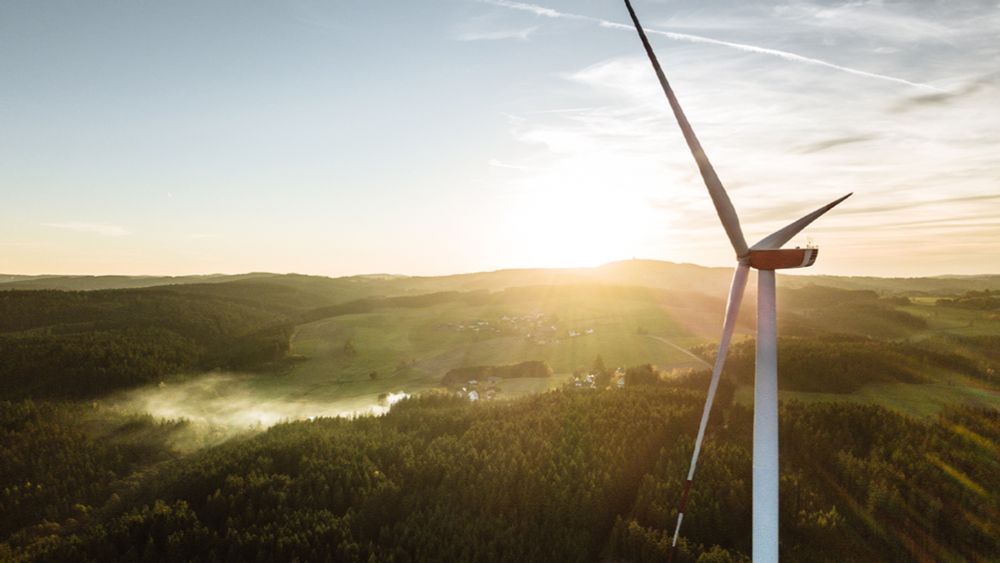
Back in 2000 the share of wind and solar in Europe’s electricity was a combined 0.8%.
Today it's at 30%, and the economy has grown by 45%.
In fact, a renewables-based energy system will save 🇪🇺 €1.6 trillion, finds new @windeurope.bsky.social study.
Read more here 👉 windeurope.org/news/a-renew...
Today it's at 30%, and the economy has grown by 45%.
In fact, a renewables-based energy system will save 🇪🇺 €1.6 trillion, finds new @windeurope.bsky.social study.
Read more here 👉 windeurope.org/news/a-renew...
A renewables-based energy system will save Europe €1.6 trillion
Renewables are the cheapest form of power generation. But this doesn’t tell the full story. What about the costs of grids, storage and back-up ? WindEurope’s latest study done in cooperation with Hita...
windeurope.org
December 9, 2025 at 9:45 AM
Back in 2000 the share of wind and solar in Europe’s electricity was a combined 0.8%.
Today it's at 30%, and the economy has grown by 45%.
In fact, a renewables-based energy system will save 🇪🇺 €1.6 trillion, finds new @windeurope.bsky.social study.
Read more here 👉 windeurope.org/news/a-renew...
Today it's at 30%, and the economy has grown by 45%.
In fact, a renewables-based energy system will save 🇪🇺 €1.6 trillion, finds new @windeurope.bsky.social study.
Read more here 👉 windeurope.org/news/a-renew...
Reposted
Despite what you hear from fossil fuel-funded politicians, the U.K has just generated a record amount of clean, domestic wind energy.
Enough to power 23 million homes!
U.K decarbonisation policy is a recipe for energy security.
Enough to power 23 million homes!
U.K decarbonisation policy is a recipe for energy security.

December 9, 2025 at 9:27 AM
Despite what you hear from fossil fuel-funded politicians, the U.K has just generated a record amount of clean, domestic wind energy.
Enough to power 23 million homes!
U.K decarbonisation policy is a recipe for energy security.
Enough to power 23 million homes!
U.K decarbonisation policy is a recipe for energy security.
En considérant qu’une guerre civile aux USA n’est possible que si l’appareil sécuritaire se fragmente, is this the first crack ?

Police Chief Brian O’Hara has delivered a blunt message to his department: If an officer witnesses ICE agents using illegal force and fails to step in, they will be fired. 👏 👏 👏

Minneapolis police chief warns officers: Stop unlawful force by ICE or lose your job
Chief Brian O’Hara says he’ll fire city police officers if they don’t intervene when immigration agents use unlawful force.
www.ms.now
December 6, 2025 at 6:39 PM
En considérant qu’une guerre civile aux USA n’est possible que si l’appareil sécuritaire se fragmente, is this the first crack ?
Reposted
If anyone cares at all, EV battery recycling is now hitting 99% recovery for important metals
Please remind me again what the recycle rate for fossil fuels is
interestingengineering.com/energy/recyc...
Please remind me again what the recycle rate for fossil fuels is
interestingengineering.com/energy/recyc...

New recycling tech recovers nearly pure nickel and cobalt from old EV batteries
Researchers have developed an eco-friendly recycling tech that extracts 99 percent pure nickel and cobalt from waste batteries.
interestingengineering.com
December 5, 2025 at 12:17 AM
If anyone cares at all, EV battery recycling is now hitting 99% recovery for important metals
Please remind me again what the recycle rate for fossil fuels is
interestingengineering.com/energy/recyc...
Please remind me again what the recycle rate for fossil fuels is
interestingengineering.com/energy/recyc...
Reposted

🚨 NEW: One of the largest COVID-19 vaccine studies ever (28 MILLION people in France) just dropped.
Results?
• 74% lower risk of death from severe COVID-19
• 25% lower risk of all-cause mortality
• No increase in 4-year mortality
#BlueSky #MedSky #IDSky #SciSky #NewsSky #PedsSky #ObSky #NurseSky
Results?
• 74% lower risk of death from severe COVID-19
• 25% lower risk of all-cause mortality
• No increase in 4-year mortality
#BlueSky #MedSky #IDSky #SciSky #NewsSky #PedsSky #ObSky #NurseSky

December 5, 2025 at 2:50 AM
Reposted

🇷🇺Former Russian Ground Forces Commander Vladimir Chirkin admits: “We thought 70% of Ukrainians were for us... it turned out to be the opposite.” He called Russia’s pre-war intel a failure, blaming the intelligence community for misleading leadership and underestimating Ukraine.
December 4, 2025 at 9:13 AM
🇷🇺Former Russian Ground Forces Commander Vladimir Chirkin admits: “We thought 70% of Ukrainians were for us... it turned out to be the opposite.” He called Russia’s pre-war intel a failure, blaming the intelligence community for misleading leadership and underestimating Ukraine.
Projeter sur le monde le bordel (ou le vide) qu’il a dans sa propre tête…l’entrepreneur-president dans toute sa splendeur, petit tyran par excellence…

Il pessimismo di Trump: “La guerra in Ucraina è davvero un casino”
https://www.repubblica.it/esteri/2025/12/03/news/trump_pessimismo_guerra_ucraina_russia_casino-425017911/?rss
https://www.repubblica.it/esteri/2025/12/03/news/trump_pessimismo_guerra_ucraina_russia_casino-425017911/?rss

December 3, 2025 at 5:39 AM
Projeter sur le monde le bordel (ou le vide) qu’il a dans sa propre tête…l’entrepreneur-president dans toute sa splendeur, petit tyran par excellence…
Reposted
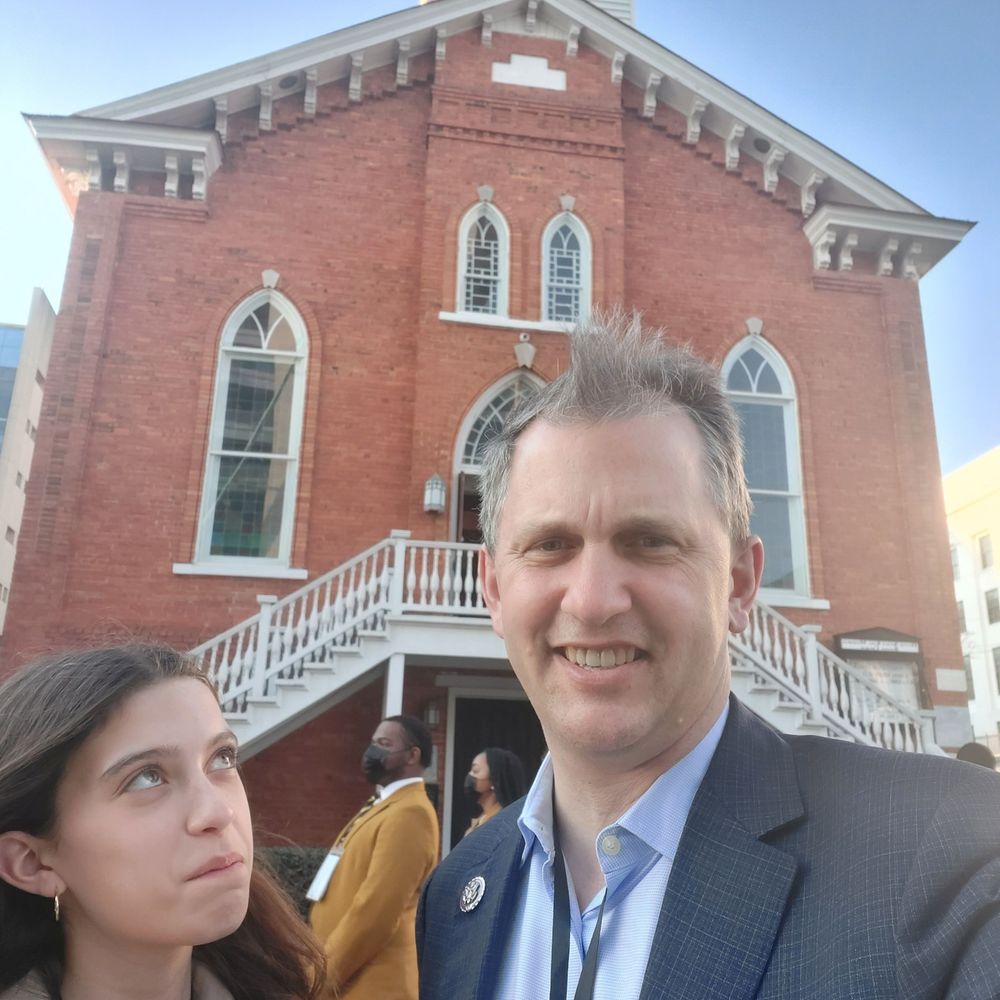
“the combination of wind and solar provided 15.1% more electricity than coal during the first nine months of this year… Capacity additions by solar, wind, and battery storage continue to dramatically outpace gas, coal and nuclear.” #CleanIsCheaper
www.solarpowerworldonline.com/2025/12/sola...
www.solarpowerworldonline.com/2025/12/sola...

Solar output beats wind power for third straight month in US
The latest "Electric Power Monthly" report from the U.S. Energy Information Administration (EIA) shows that solar grew by 29.9% in September 2025 compared
www.solarpowerworldonline.com
December 2, 2025 at 3:17 PM
“the combination of wind and solar provided 15.1% more electricity than coal during the first nine months of this year… Capacity additions by solar, wind, and battery storage continue to dramatically outpace gas, coal and nuclear.” #CleanIsCheaper
www.solarpowerworldonline.com/2025/12/sola...
www.solarpowerworldonline.com/2025/12/sola...
Reposted
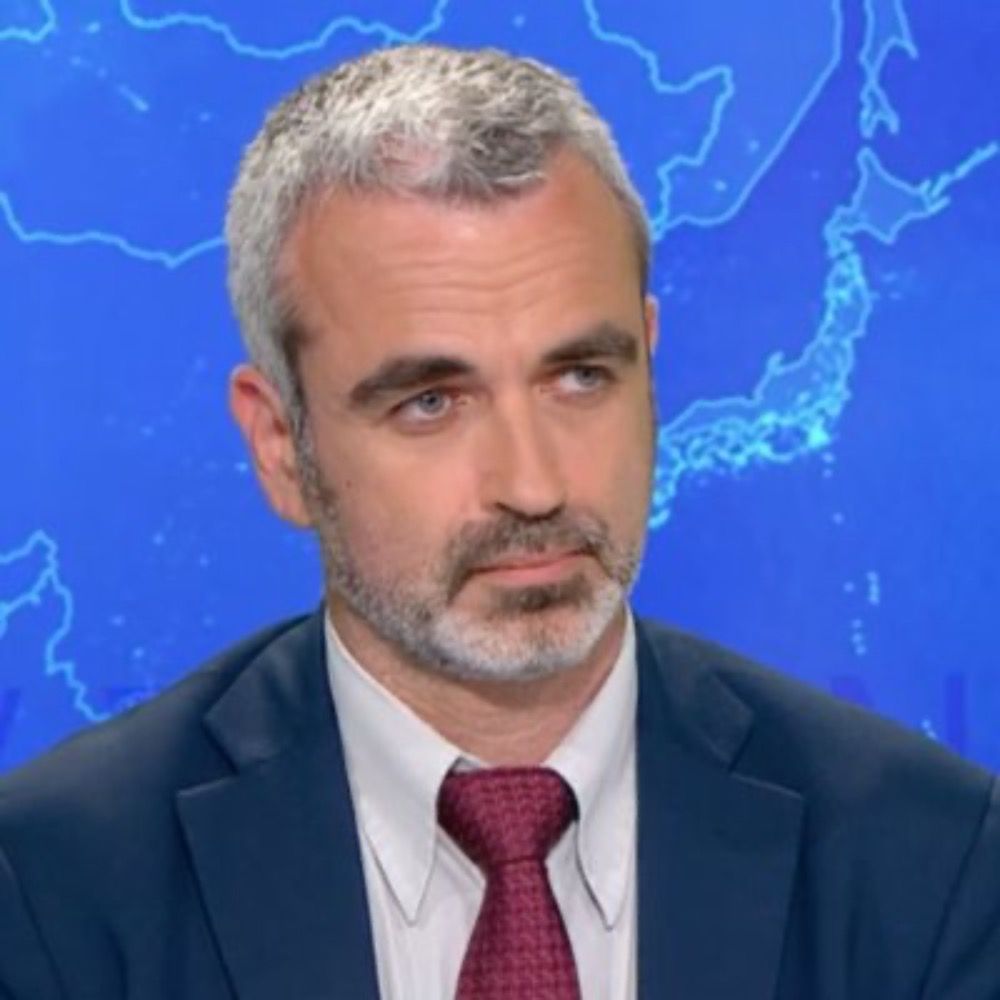
Et oui, les pacifistes outranciers qui ont soutenu la capitulation des démocraties occidentales face à Hitler à Munich en 1938 n'ont pas forcément decillé en 1939.
Certains se sont enferrés dans leur refus de la guerre, même contre un agresseur...
8/
Certains se sont enferrés dans leur refus de la guerre, même contre un agresseur...
8/

November 28, 2025 at 8:06 PM
Et oui, les pacifistes outranciers qui ont soutenu la capitulation des démocraties occidentales face à Hitler à Munich en 1938 n'ont pas forcément decillé en 1939.
Certains se sont enferrés dans leur refus de la guerre, même contre un agresseur...
8/
Certains se sont enferrés dans leur refus de la guerre, même contre un agresseur...
8/