



Nádia Conceição-Neto
@nadiacneto.bsky.social
PharmD, PhD. Computational biologist at J&J passionate about immunology. Spatial and single-cell enthusiast. Bookworm. Views are my own.
📍Belgium.
📍Belgium.
Reposted by Nádia Conceição-Neto

Nature research paper: Cross-tissue multicellular coordination and its rewiring in cancer
https://go.nature.com/3Ffh8j8
https://go.nature.com/3Ffh8j8

Cross-tissue multicellular coordination and its rewiring in cancer - Nature
Comprehensive single-cell transcriptomic analysis of 35 human tissues reveals 12 cross-tissue coordinated cellular modules that exhibit intramodule communication and dynamic changes with ageing, and whose organization is perturbed during cancer progression.
go.nature.com
May 28, 2025 at 3:42 PM
Nature research paper: Cross-tissue multicellular coordination and its rewiring in cancer
https://go.nature.com/3Ffh8j8
https://go.nature.com/3Ffh8j8
Reposted by Nádia Conceição-Neto

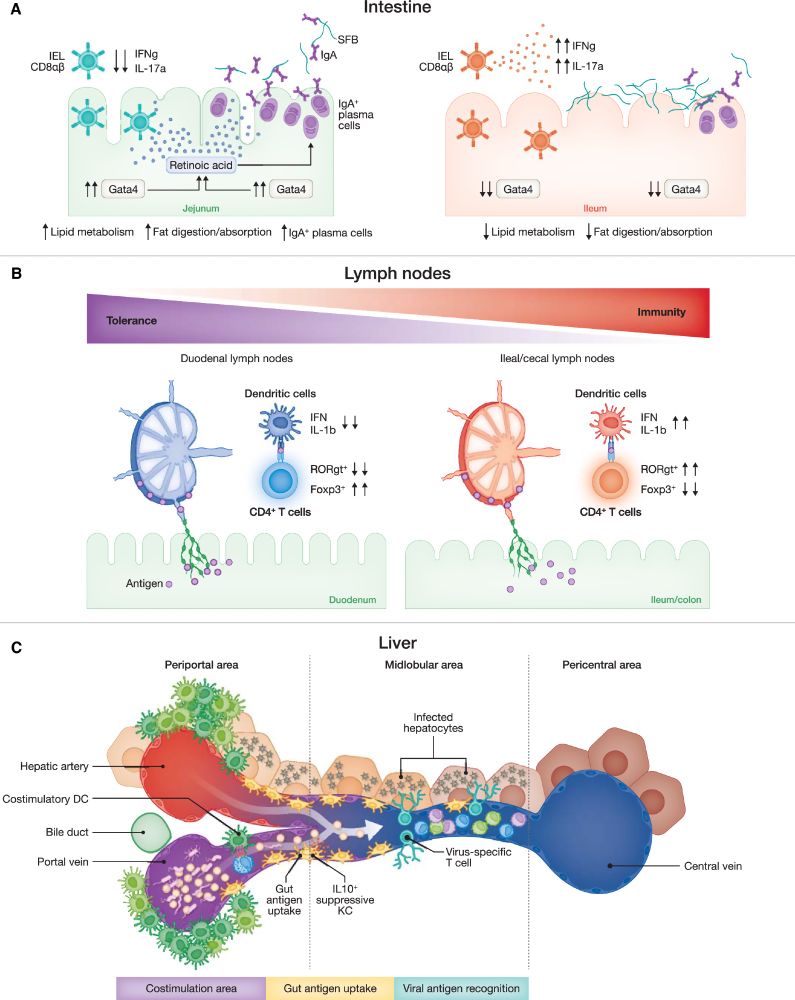
"Like a seasoned explorer visiting different regions around the globe, immune cells travel within and between various niches, quickly adapting to local microenvironments."
@iannaconelab.bsky.social et al @embojournal.org
#Immunology
www.embopress.org/doi/full/10....
@iannaconelab.bsky.social et al @embojournal.org
#Immunology
www.embopress.org/doi/full/10....
May 12, 2025 at 7:09 AM
"Like a seasoned explorer visiting different regions around the globe, immune cells travel within and between various niches, quickly adapting to local microenvironments."
@iannaconelab.bsky.social et al @embojournal.org
#Immunology
www.embopress.org/doi/full/10....
@iannaconelab.bsky.social et al @embojournal.org
#Immunology
www.embopress.org/doi/full/10....
Reposted by Nádia Conceição-Neto

New study: TCF1, a key immune regulator, is linked to 15 extra years of life.
It supports T cell renewal, reduces inflammation, and lowers senescent cell burden.
Several #longevity interventions may boost it:
💊Rapamycin
🧪SGLT2 inhibitors
💊Low-dose lithium
pubmed.ncbi.nlm.nih.gov/40264357/
It supports T cell renewal, reduces inflammation, and lowers senescent cell burden.
Several #longevity interventions may boost it:
💊Rapamycin
🧪SGLT2 inhibitors
💊Low-dose lithium
pubmed.ncbi.nlm.nih.gov/40264357/

April 24, 2025 at 2:37 PM
New study: TCF1, a key immune regulator, is linked to 15 extra years of life.
It supports T cell renewal, reduces inflammation, and lowers senescent cell burden.
Several #longevity interventions may boost it:
💊Rapamycin
🧪SGLT2 inhibitors
💊Low-dose lithium
pubmed.ncbi.nlm.nih.gov/40264357/
It supports T cell renewal, reduces inflammation, and lowers senescent cell burden.
Several #longevity interventions may boost it:
💊Rapamycin
🧪SGLT2 inhibitors
💊Low-dose lithium
pubmed.ncbi.nlm.nih.gov/40264357/
Reposted by Nádia Conceição-Neto

Gorgeous photo from The Color Nature Library: CATS by Peggy Wratten, 1977. I can't find the photographer's name, unfortunately. None is noted anywhere in the book.

April 22, 2025 at 6:14 PM
Gorgeous photo from The Color Nature Library: CATS by Peggy Wratten, 1977. I can't find the photographer's name, unfortunately. None is noted anywhere in the book.
Reposted by Nádia Conceição-Neto

CASSIA (Collaborative Agent System for Single-cell Interpretable Annotation) is a tool that enhances cell type annotation using multi-agent Large Language Models (LLMs). www.biorxiv.org/content/10....

CASSIA: a multi-agent large language model for reference free, interpretable, and automated cell annotation of single-cell RNA-sequencing data
Cell type annotation is an essential step in single-cell RNA-sequencing analysis, and numerous annotation methods are available. Most require a combination of computational and domain-specific expertise, and they frequently yield inconsistent results that can be challenging to interpret. Large language models have the potential to expand accessibility while reducing manual input and improving accuracy, but existing approaches suffer from hyperconfidence, hallucinations, and lack of reasoning. To address these limitations, we developed CASSIA for automated, accurate, and interpretable cell annotation of single-cell RNA-sequencing data. As demonstrated in analyses of over 970 cell types, CASSIA improves annotation accuracy in benchmark datasets as well as complex and rare cell populations, and also provides users with reasoning and quality assessment to ensure interpretability, guard against hallucinations, and calibrate confidence.
### Competing Interest Statement
The authors have dec
www.biorxiv.org
April 23, 2025 at 2:15 PM
CASSIA (Collaborative Agent System for Single-cell Interpretable Annotation) is a tool that enhances cell type annotation using multi-agent Large Language Models (LLMs). www.biorxiv.org/content/10....
Reposted by Nádia Conceição-Neto
PD1 expression in Tfh cells leads to reduced PI3K activation, counteracting CXCR5. In this situation, ICOS signalling is needed to overcome this stalemate to induce GC migration. Plus PD1 is needed for optimal IL-21 production and stringent GC selection. in 🐭
Shi &al 2018 🧪⑂
doi.org/10.1016/j.im...
Shi &al 2018 🧪⑂
doi.org/10.1016/j.im...

April 21, 2025 at 8:22 PM
PD1 expression in Tfh cells leads to reduced PI3K activation, counteracting CXCR5. In this situation, ICOS signalling is needed to overcome this stalemate to induce GC migration. Plus PD1 is needed for optimal IL-21 production and stringent GC selection. in 🐭
Shi &al 2018 🧪⑂
doi.org/10.1016/j.im...
Shi &al 2018 🧪⑂
doi.org/10.1016/j.im...
Reposted by Nádia Conceição-Neto
Deciphering T-cell exhaustion in the tumor microenvironment: paving the way for innovative solid tumor therapies www.frontiersin.org/journals/im...

April 15, 2025 at 2:15 PM
Deciphering T-cell exhaustion in the tumor microenvironment: paving the way for innovative solid tumor therapies www.frontiersin.org/journals/im...
Reposted by Nádia Conceição-Neto

On the ancestry and evolution of the extinct dire wolf 🐺 www.biorxiv.org/content/10.1... 🧬🖥️🧪
Sequencing data: www.ncbi.nlm.nih.gov/bioproject/P...
Sequencing data: www.ncbi.nlm.nih.gov/bioproject/P...


April 12, 2025 at 1:03 AM
On the ancestry and evolution of the extinct dire wolf 🐺 www.biorxiv.org/content/10.1... 🧬🖥️🧪
Sequencing data: www.ncbi.nlm.nih.gov/bioproject/P...
Sequencing data: www.ncbi.nlm.nih.gov/bioproject/P...
Reposted by Nádia Conceição-Neto

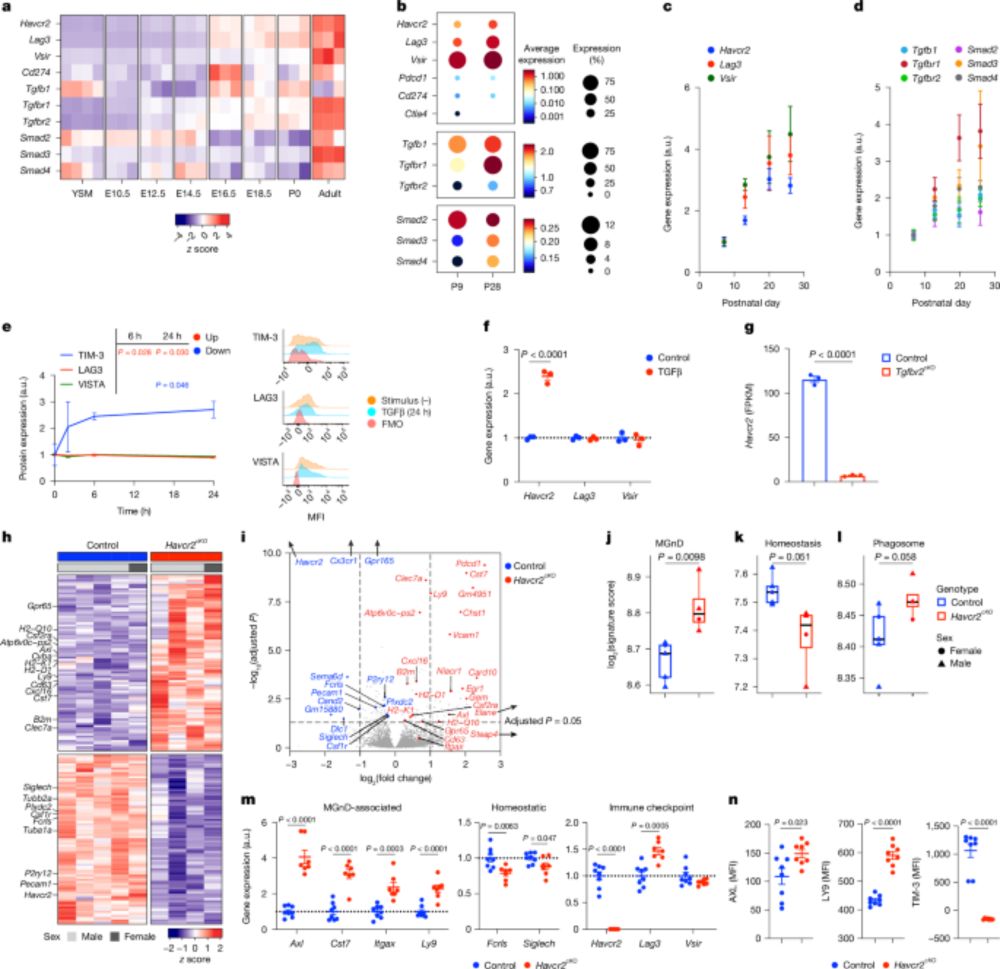
With Butovsky Lab, we show that silencing TIM-3 in brain-resident immune cells prevents neurodegeneration in a mouse model of #Alzheimer’s disease. Deletion of TIM-3 in microglia enhance phagocytic clearance of toxic amyloid beta. #Immunosky🧪 www.nature.com/articles/s41...
Immune checkpoint TIM-3 regulates microglia and Alzheimer’s disease - Nature
The immune-checkpoint molecule TIM-3 regulates microglial homeostasis, and its microglial-specific deletion reduced cognitive impairment in a mouse model of Alzheimer’s disease.
www.nature.com
April 9, 2025 at 3:29 PM
With Butovsky Lab, we show that silencing TIM-3 in brain-resident immune cells prevents neurodegeneration in a mouse model of #Alzheimer’s disease. Deletion of TIM-3 in microglia enhance phagocytic clearance of toxic amyloid beta. #Immunosky🧪 www.nature.com/articles/s41...
Reposted by Nádia Conceição-Neto
Planetary scientists have pinpointed the rotation period of Uranus — and it’s 28 seconds longer than they thought it was
https://go.nature.com/4i73pIo
https://go.nature.com/4i73pIo

We’ve misunderstood Uranus all these years — period
Hubble Space Telescope data show that the time taken for the planet to revolve around its axis is almost half a minute longer than was thought.
go.nature.com
April 10, 2025 at 12:34 PM
Planetary scientists have pinpointed the rotation period of Uranus — and it’s 28 seconds longer than they thought it was
https://go.nature.com/4i73pIo
https://go.nature.com/4i73pIo
Reposted by Nádia Conceição-Neto
ICOS+CD4 T cells define a high susceptibility to anti-PD-1 therapy-induced lung pathogenesis
@jci-insight.bsky.social
insight.jci.org/articles/vie...
@jci-insight.bsky.social
insight.jci.org/articles/vie...

April 8, 2025 at 4:59 PM
ICOS+CD4 T cells define a high susceptibility to anti-PD-1 therapy-induced lung pathogenesis
@jci-insight.bsky.social
insight.jci.org/articles/vie...
@jci-insight.bsky.social
insight.jci.org/articles/vie...
Reposted by Nádia Conceição-Neto

Now online! Inflammatory and anti-inflammatory cytokines bidirectionally modulate amygdala circuits regulating anxiety

Inflammatory and anti-inflammatory cytokines bidirectionally modulate amygdala circuits regulating anxiety
Inflammatory and anti-inflammatory cytokines act as neuromodulators to regulate anxiety levels via direct action on the same population of neurons in the amygdala of mice, underscoring the conservation of immune signaling and its receptor subunits in the brain.
dlvr.it
April 7, 2025 at 6:51 PM
Now online! Inflammatory and anti-inflammatory cytokines bidirectionally modulate amygdala circuits regulating anxiety
Reposted by Nádia Conceição-Neto

Be on the lookout for a new paper from the lab:
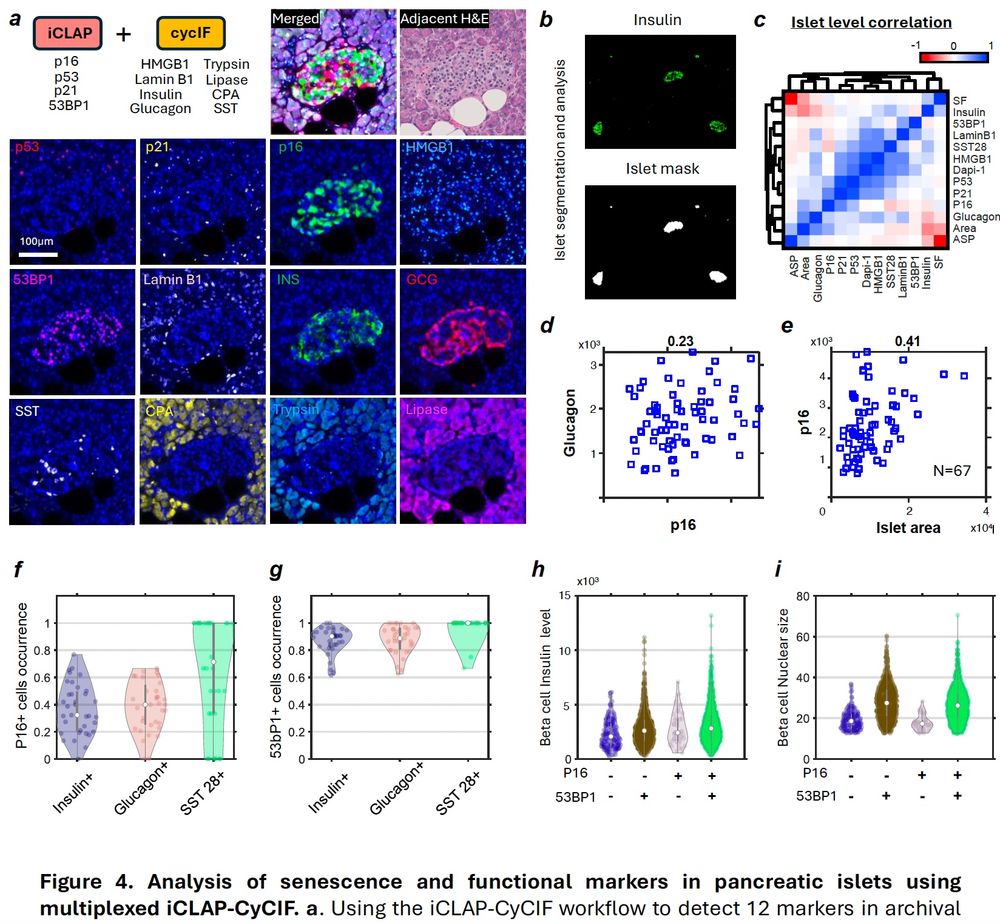
"iCLAP: A high-plex immunostaining with high sensitivity for co-detection of low-abundance antigens".
In this paper, we introduce ICLAP to detect and spatially map low-abundance proteins, such as senescence markers, in FFPE tissue sections.
"iCLAP: A high-plex immunostaining with high sensitivity for co-detection of low-abundance antigens".
In this paper, we introduce ICLAP to detect and spatially map low-abundance proteins, such as senescence markers, in FFPE tissue sections.
April 5, 2025 at 3:20 PM
Be on the lookout for a new paper from the lab:
"iCLAP: A high-plex immunostaining with high sensitivity for co-detection of low-abundance antigens".
In this paper, we introduce ICLAP to detect and spatially map low-abundance proteins, such as senescence markers, in FFPE tissue sections.
"iCLAP: A high-plex immunostaining with high sensitivity for co-detection of low-abundance antigens".
In this paper, we introduce ICLAP to detect and spatially map low-abundance proteins, such as senescence markers, in FFPE tissue sections.
Reposted by Nádia Conceição-Neto
Cutting Edge: Cooperative IRF network shapes the NK-cell antiviral response @jimmunol.bsky.social
academic.oup.com/jimmunol/adv...
academic.oup.com/jimmunol/adv...

April 4, 2025 at 6:14 PM
Cutting Edge: Cooperative IRF network shapes the NK-cell antiviral response @jimmunol.bsky.social
academic.oup.com/jimmunol/adv...
academic.oup.com/jimmunol/adv...
Reposted by Nádia Conceição-Neto

#WeekendRead! #NotOnlyInterferons! @nanyanlab.bsky.social &co show @cp-molecularcell.bsky.social that other than inducing pathogenic IFNs in lysosomal storage disorders, STING also play protective functions as a proton channel activating TFEB & inducing lysosomal repair www.cell.com/molecular-ce...
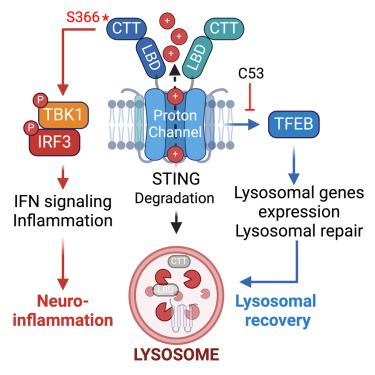
STING mediates lysosomal quality control and recovery through its proton channel function and TFEB activation in lysosomal storage disorders
STING signaling in the innate immune system is well known for its role in the antiviral
type I interferon response. Tang et al. find that STING acts as an immune sensor of
lysosomal activity. When the...
www.cell.com
April 5, 2025 at 3:08 PM
#WeekendRead! #NotOnlyInterferons! @nanyanlab.bsky.social &co show @cp-molecularcell.bsky.social that other than inducing pathogenic IFNs in lysosomal storage disorders, STING also play protective functions as a proton channel activating TFEB & inducing lysosomal repair www.cell.com/molecular-ce...
Reposted by Nádia Conceição-Neto
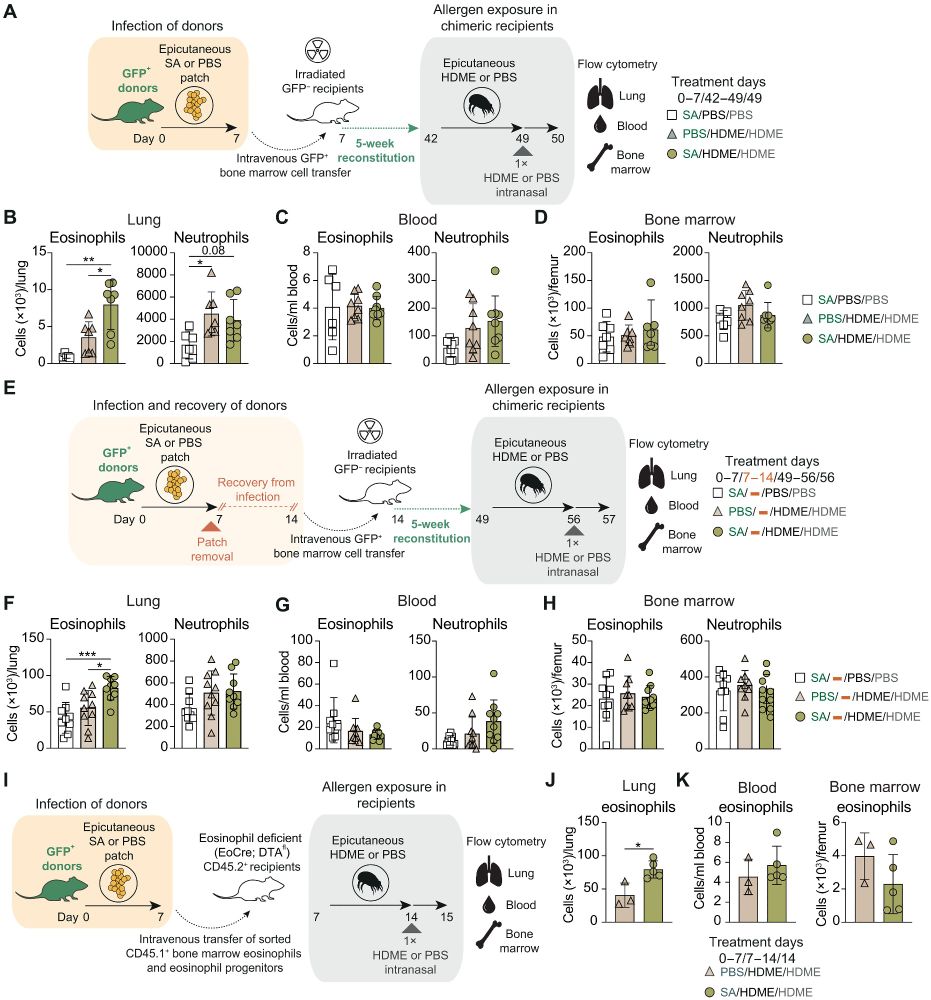
Staphylococcus aureus skin infection induces eosinophil innate immune memory to exacerbate allergen-induced airway inflammation @sciimmunology.bsky.social
www.science.org/doi/10.1126/...
www.science.org/doi/10.1126/...
April 4, 2025 at 6:34 PM
Staphylococcus aureus skin infection induces eosinophil innate immune memory to exacerbate allergen-induced airway inflammation @sciimmunology.bsky.social
www.science.org/doi/10.1126/...
www.science.org/doi/10.1126/...
Reposted by Nádia Conceição-Neto
'(...) IFN-I production, and immune-mediated tumor control, STING signaling appears to play an ambiguous role in the TME. For example, intratumoral administration of a high amount of STING agonist resulted in the death of CD8+ T cells and consequently compromised immune-mediated tumor control'

Cancer-cell-derived cGAMP limits the activity of tumor-associated CD8+ T cells
Using a mouse tumor model with inducible cGAS expression, Herbst et al. show that
cancer-cell-derived cGAMP triggers a sustained type I interferon response, enhancing
CD8+ T cell-dependent tumor restr...
www.cell.com
April 5, 2025 at 11:06 AM
'(...) IFN-I production, and immune-mediated tumor control, STING signaling appears to play an ambiguous role in the TME. For example, intratumoral administration of a high amount of STING agonist resulted in the death of CD8+ T cells and consequently compromised immune-mediated tumor control'
Reposted by Nádia Conceição-Neto
'Herein, we discover that TNBC cells surviving anti-PD-1 and chemotherapy treatment accumulate neutral lipids. Disrupting lipid droplet formation in cancer cells reverses resistance and mitigates the immunosuppressive microenvironment.'
#Immunology #Immunotherapy
#Immunology #Immunotherapy
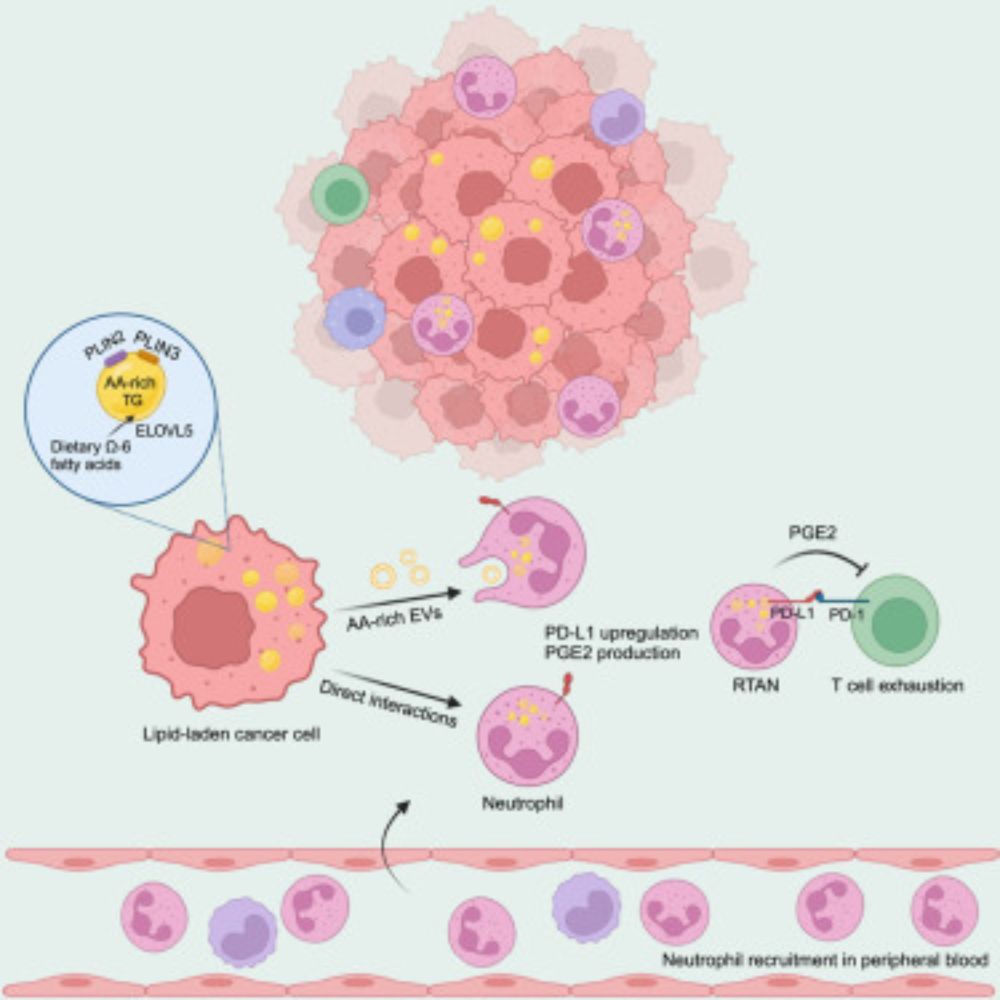
Tumor-derived arachidonic acid reprograms neutrophils to promote immune suppression and therapy resistance in triple-negative breast cancer
How tumor cells overcome anti-tumor immune responses and drive cancer recurrence is
not well understood. Yu et al. demonstrate how therapy-resistant breast cancer cells
synthesize and secrete arachido...
www.cell.com
April 4, 2025 at 8:01 AM
'Herein, we discover that TNBC cells surviving anti-PD-1 and chemotherapy treatment accumulate neutral lipids. Disrupting lipid droplet formation in cancer cells reverses resistance and mitigates the immunosuppressive microenvironment.'
#Immunology #Immunotherapy
#Immunology #Immunotherapy
Reposted by Nádia Conceição-Neto

Chen et al. found that the guanosine binding autoantibody 4H2 uses nucleoside transporter-2 (ENT-2)-mediated nucleoside transport to penetrate into and localize in the cytoplasm of live cells, thus avoiding endosomes and lysosomes. bit.ly/4lew6FW #Immunotherapy #MolecularBiology

April 4, 2025 at 11:45 AM
Chen et al. found that the guanosine binding autoantibody 4H2 uses nucleoside transporter-2 (ENT-2)-mediated nucleoside transport to penetrate into and localize in the cytoplasm of live cells, thus avoiding endosomes and lysosomes. bit.ly/4lew6FW #Immunotherapy #MolecularBiology
Reposted by Nádia Conceição-Neto
Now online! Rorγt-positive dendritic cells are required for the induction of peripheral regulatory T cells in response to oral antigens

Rorγt-positive dendritic cells are required for the induction of peripheral regulatory T cells in response to oral antigens
Deleting a regulatory element in the Rorc gene depletes RORγt+ dendritic cells from the intestine in mice, leading to a reduction of regulatory T cells and impaired oral tolerance to antigens. This work clarifies that RORγt+ DCs are key to maintaining intestinal immune balance and preventing inappropriate immune responses to food antigens.
dlvr.it
April 4, 2025 at 12:42 PM
Now online! Rorγt-positive dendritic cells are required for the induction of peripheral regulatory T cells in response to oral antigens
Reposted by Nádia Conceição-Neto

Oral IL-23-blocking peptide racks up phase III wins in inflammatory disease www.nature.com/articles/d41...
Protagonist Therapeutics and its partner J&J have reported four phase III wins for icotrokinra in psoriasis and expect to submit the macrocyclic peptide to the FDA later this year
Protagonist Therapeutics and its partner J&J have reported four phase III wins for icotrokinra in psoriasis and expect to submit the macrocyclic peptide to the FDA later this year

April 1, 2025 at 2:25 PM
Oral IL-23-blocking peptide racks up phase III wins in inflammatory disease www.nature.com/articles/d41...
Protagonist Therapeutics and its partner J&J have reported four phase III wins for icotrokinra in psoriasis and expect to submit the macrocyclic peptide to the FDA later this year
Protagonist Therapeutics and its partner J&J have reported four phase III wins for icotrokinra in psoriasis and expect to submit the macrocyclic peptide to the FDA later this year
Reposted by Nádia Conceição-Neto
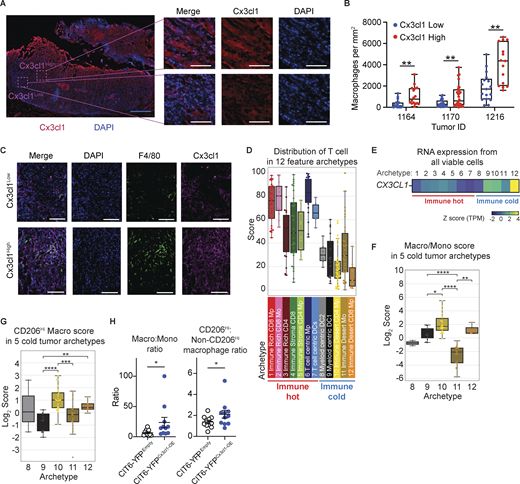
Tumor cell heterogeneity drives spatial organization of the intratumoral immune response @jem.org
rupress.org/jem/article/...
@mreeves34.bsky.social
rupress.org/jem/article/...
@mreeves34.bsky.social
April 1, 2025 at 2:39 PM
Tumor cell heterogeneity drives spatial organization of the intratumoral immune response @jem.org
rupress.org/jem/article/...
@mreeves34.bsky.social
rupress.org/jem/article/...
@mreeves34.bsky.social
Reposted by Nádia Conceição-Neto

Here’s a great piece on how T-cell integrins influence autoimmune and inflammatory diseases from @ceijournal.bsky.social
How do T-cell integrins influence autoimmune and inflammatory diseases?
This new review explores their role and the latest therapeutic advances. 🔬
Read more in Clinical and Experimental Immunology: bit.ly/3F1Dcd5
This new review explores their role and the latest therapeutic advances. 🔬
Read more in Clinical and Experimental Immunology: bit.ly/3F1Dcd5

March 31, 2025 at 7:27 AM
Here’s a great piece on how T-cell integrins influence autoimmune and inflammatory diseases from @ceijournal.bsky.social
Reposted by Nádia Conceição-Neto

We want to thank all our collaborators, editors, reviewers and the funding agencies @erc.europa.eu #ISF #ICRF for their contribution and support in the study. www.nature.com/articles/s43...
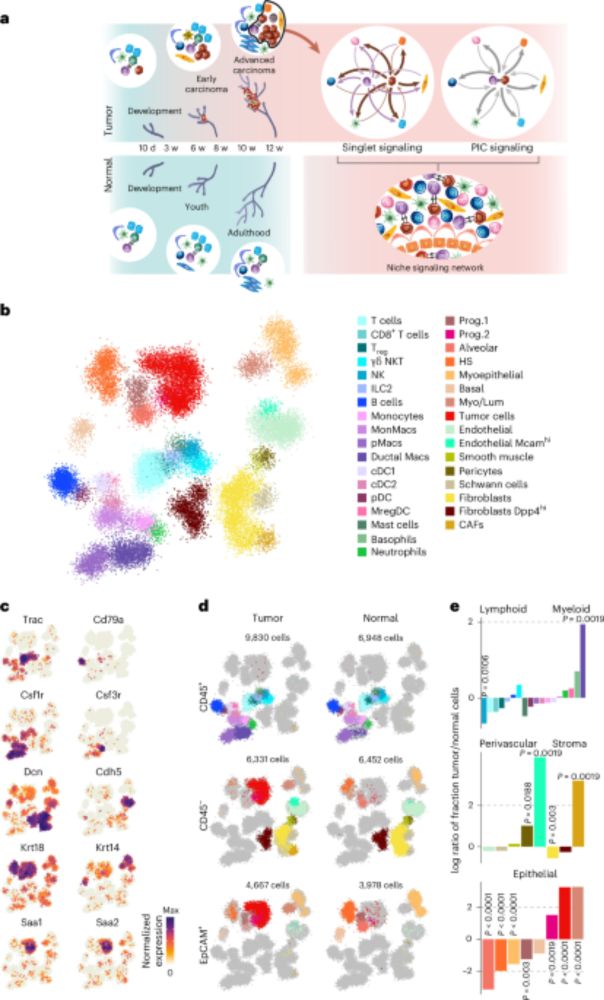
Neutrophils physically interact with tumor cells to form a signaling niche promoting breast cancer aggressiveness - Nature Cancer
By integrating single-cell RNA and physically interacting cell sequencing analysis, here Cohen and colleagues report that neutrophils are enriched in physical crosstalk with breast tumor cells, promot...
www.nature.com
March 7, 2025 at 10:09 AM
We want to thank all our collaborators, editors, reviewers and the funding agencies @erc.europa.eu #ISF #ICRF for their contribution and support in the study. www.nature.com/articles/s43...
Reposted by Nádia Conceição-Neto

Online now: Tumor-derived arachidonic acid reprograms neutrophils to promote immune suppression and therapy resistance in triple-negative breast cancer

Tumor-derived arachidonic acid reprograms neutrophils to promote immune suppression and therapy resistance in triple-negative breast cancer
How tumor cells overcome anti-tumor immune responses and drive cancer recurrence is not well understood. Yu et al. demonstrate how therapy-resistant breast cancer cells synthesize and secrete arachidonic acid-rich lipids to reprogram tumor-infiltrating neutrophils. These immunosuppressive tumor-associated neutrophils promote T cell exhaustion and enable cancer cells to escape therapeutic immunosurveillance.
dlvr.it
March 28, 2025 at 2:48 PM
Online now: Tumor-derived arachidonic acid reprograms neutrophils to promote immune suppression and therapy resistance in triple-negative breast cancer