



#Lysosomal protease-mediated APP degradation is pH-dependent, mutation-sensitive, and facilitates tau #proteolysis
Caroline Ackley...Paul J. Sampognaro, Aimee W. Kao @ucsfmac.bsky.social @ucsanfrancisco.bsky.social #amyloid #AlzheimersDisease #autophagy
link.springer.com/article/10.1...
Caroline Ackley...Paul J. Sampognaro, Aimee W. Kao @ucsfmac.bsky.social @ucsanfrancisco.bsky.social #amyloid #AlzheimersDisease #autophagy
link.springer.com/article/10.1...

January 19, 2026 at 10:10 PM
#Lysosomal protease-mediated APP degradation is pH-dependent, mutation-sensitive, and facilitates tau #proteolysis
Caroline Ackley...Paul J. Sampognaro, Aimee W. Kao @ucsfmac.bsky.social @ucsanfrancisco.bsky.social #amyloid #AlzheimersDisease #autophagy
link.springer.com/article/10.1...
Caroline Ackley...Paul J. Sampognaro, Aimee W. Kao @ucsfmac.bsky.social @ucsanfrancisco.bsky.social #amyloid #AlzheimersDisease #autophagy
link.springer.com/article/10.1...

🆕New in #JEV🆕 Cholesterol Deficiency Directs Autophagy-Dependent Secretion of Extracellular Vesicles isevjournals.onlinelibrary.wiley.com/doi/10.1002/...

January 16, 2026 at 10:49 AM
🆕New in #JEV🆕 Cholesterol Deficiency Directs Autophagy-Dependent Secretion of Extracellular Vesicles isevjournals.onlinelibrary.wiley.com/doi/10.1002/...

A Review in the Journal of Ovarian Research discusses context-dependent roles of autophagy in ovarian physiology and disorders, and proposes autophagy-based interventions as therapeutic strategies for addressing ovarian dysfunctions.
#MedSky
#MedSky

Autophagy in ovary: protective roles, pathological consequences, and unresolved issues - Journal of Ovarian Research
The ovaries play essential roles in providing oocytes for fertilization and secreting sex hormones that regulate various organ functions. Autophagy has been implicated in the modulation of ovarian functions, yet its mechanisms of action are complex and context-dependent. Within the ovary, autophagy fulfills a dual function, serving as a critical mechanism in facilitating oocyte development, maintaining granulosa cell viability, regulating hormone synthesis, ovulation and luteal function. Conversely, dysregulation of autophagy can interact with other death signals, leading to cell death of ovarian cells, and has been linked to the development of diminished ovarian reserve (DOR), premature ovarian insufficiency (POI) and polycystic ovary syndrome (PCOS). Emerging evidence suggests that pharmacological modulation of autophagy exerts significant therapeutic effects on POI and PCOS. Despite this association, numerous unresolved issues persist in this field of research. This paper provides a comprehensive overview of the context-dependent roles of autophagy in ovarian physiology and disorders, and proposes potential applications of autophagy-based interventions as therapeutic strategies for addressing ovarian dysfunctions.
bit.ly
January 15, 2026 at 10:00 PM
A Review in the Journal of Ovarian Research discusses context-dependent roles of autophagy in ovarian physiology and disorders, and proposes autophagy-based interventions as therapeutic strategies for addressing ovarian dysfunctions.
#MedSky
#MedSky

Targeting microglial inflammation in Parkinson's disease: irisin activates PAFAH1B1-RAGE ubiquitination and TFEB-dependent autophagy to alleviate neurodegeneration
->Nature | More from Lil Dr Glen EcoChat at BigEarthData.ai
->Nature | More from Lil Dr Glen EcoChat at BigEarthData.ai

Targeting microglial inflammation in Parkinson's disease: irisin activates PAFAH1B1-RAGE ubiquitination and TFEB-dependent autophagy to alleviate neurodegeneration
Ahmad, M. H., Rizvi, M. A., Ali, M. & Mondal, A. C. Neurobiology of depression in Parkinson’s disease: insights into epidemiology, molecular mechanisms and treatment strategies. Ageing Res. Rev. 85, 101840 (2023). Ben-Shlomo, Y. et al. The epidemiology of Parkinson’s...
www.nature.com
January 12, 2026 at 9:42 AM

Irisin activates PAFAH1B1-RAGE ubiquitination & TFEB-dependent autophagy to alleviate neurodegeneration in a preclinical model of #Parkinsons; Also 120 PD patients & 120 controls were analysed & exhibited increased TNF-α & IL-1β but decreased irisin levels
www.nature.com/articles/s42...
www.nature.com/articles/s42...


January 11, 2026 at 1:17 PM
Irisin activates PAFAH1B1-RAGE ubiquitination & TFEB-dependent autophagy to alleviate neurodegeneration in a preclinical model of #Parkinsons; Also 120 PD patients & 120 controls were analysed & exhibited increased TNF-α & IL-1β but decreased irisin levels
www.nature.com/articles/s42...
www.nature.com/articles/s42...

Energy-dependent quantum coherence (1) From Grok vs quantum coherence (10) Grok wrote: “pairwise connections exist: miR-21 regulates autophagy in cancers (e.g., PubMed studies), and microtubules ...
#Adaptations #amino #acid #substitutions #biodiversity #RNA-mediated #supercoiled #DNA #viral […]
#Adaptations #amino #acid #substitutions #biodiversity #RNA-mediated #supercoiled #DNA #viral […]
Original post on rna-mediated.com
rna-mediated.com
January 9, 2026 at 3:24 AM
Energy-dependent quantum coherence (1) From Grok vs quantum coherence (10) Grok wrote: “pairwise connections exist: miR-21 regulates autophagy in cancers (e.g., PubMed studies), and microtubules ...
#Adaptations #amino #acid #substitutions #biodiversity #RNA-mediated #supercoiled #DNA #viral […]
#Adaptations #amino #acid #substitutions #biodiversity #RNA-mediated #supercoiled #DNA #viral […]
Julia Roberts, Phuoc Huynh, Luis Carale and Alexandra Whiteley @alexwhiteley.bsky.social discover that UBQLN2 is necessary for UBE3A-mediated proteasomal degradation of the domesticated retroelement PEG10.
journals.biologists.com/jcs/article/...
#OpenAccess #ReadandPublish
journals.biologists.com/jcs/article/...
#OpenAccess #ReadandPublish

January 8, 2026 at 10:12 AM
Julia Roberts, Phuoc Huynh, Luis Carale and Alexandra Whiteley @alexwhiteley.bsky.social discover that UBQLN2 is necessary for UBE3A-mediated proteasomal degradation of the domesticated retroelement PEG10.
journals.biologists.com/jcs/article/...
#OpenAccess #ReadandPublish
journals.biologists.com/jcs/article/...
#OpenAccess #ReadandPublish
Grok vs quantum coherence (6) From Grok vs quantum coherence (5) “miRNAs regulate pH-dependent processes like autophagy” See: Circular RNA SETD2 (circSETD2) elevates DDX3 expression to inhibit ...
#Adaptations #amino #acid #substitutions #biodiversity #RNA-mediated #supercoiled #DNA #viral […]
#Adaptations #amino #acid #substitutions #biodiversity #RNA-mediated #supercoiled #DNA #viral […]
Original post on rna-mediated.com
rna-mediated.com
January 5, 2026 at 11:38 PM
Grok vs quantum coherence (6) From Grok vs quantum coherence (5) “miRNAs regulate pH-dependent processes like autophagy” See: Circular RNA SETD2 (circSETD2) elevates DDX3 expression to inhibit ...
#Adaptations #amino #acid #substitutions #biodiversity #RNA-mediated #supercoiled #DNA #viral […]
#Adaptations #amino #acid #substitutions #biodiversity #RNA-mediated #supercoiled #DNA #viral […]
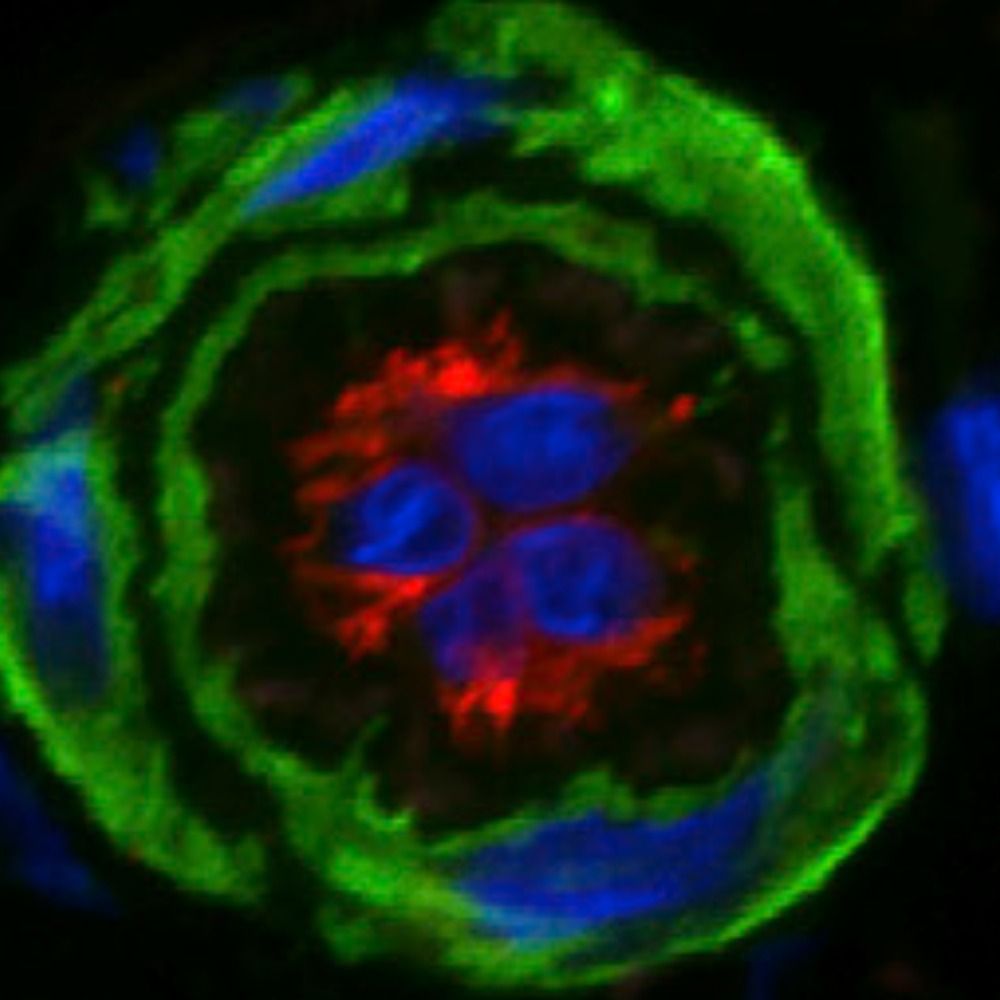
My continued biological education
Mechanisms of Alkaliptosis
pH-dependent, caspase/MLKL/GPX4/Autophagy-independent cell death
Pharma inducer:
JTC801
Tumor:
PDAC
AML
Pathway:
NF-κB-CA9
ATP6V0D1-STAT3
#FrontCellDevBio 2023
www.frontiersin.org/journals/cel...
Mechanisms of Alkaliptosis
pH-dependent, caspase/MLKL/GPX4/Autophagy-independent cell death
Pharma inducer:
JTC801
Tumor:
PDAC
AML
Pathway:
NF-κB-CA9
ATP6V0D1-STAT3
#FrontCellDevBio 2023
www.frontiersin.org/journals/cel...

December 29, 2025 at 1:19 PM
My continued biological education
Mechanisms of Alkaliptosis
pH-dependent, caspase/MLKL/GPX4/Autophagy-independent cell death
Pharma inducer:
JTC801
Tumor:
PDAC
AML
Pathway:
NF-κB-CA9
ATP6V0D1-STAT3
#FrontCellDevBio 2023
www.frontiersin.org/journals/cel...
Mechanisms of Alkaliptosis
pH-dependent, caspase/MLKL/GPX4/Autophagy-independent cell death
Pharma inducer:
JTC801
Tumor:
PDAC
AML
Pathway:
NF-κB-CA9
ATP6V0D1-STAT3
#FrontCellDevBio 2023
www.frontiersin.org/journals/cel...

The interplay between autophagy and the carbon/nitrogen ratio as key modulator of the auxin-dependent chloronema-caulonema developmental transition in Physcomitrium patens. https://www.biorxiv.org/content/10.64898/2025.12.28.696759v1
December 29, 2025 at 1:01 PM
The interplay between autophagy and the carbon/nitrogen ratio as key modulator of the auxin-dependent chloronema-caulonema developmental transition in Physcomitrium patens. https://www.biorxiv.org/content/10.64898/2025.12.28.696759v1

The interplay between autophagy and the carbon/nitrogen ratio as key modulator of the auxin-dependent chloronema-caulonema developmental transition in Physcomitrium patens. https://www.biorxiv.org/content/10.64898/2025.12.28.696759v1
December 29, 2025 at 1:01 PM
The interplay between autophagy and the carbon/nitrogen ratio as key modulator of the auxin-dependent chloronema-caulonema developmental transition in Physcomitrium patens. https://www.biorxiv.org/content/10.64898/2025.12.28.696759v1
🌱🔬 EXPERT VIEW 🔬🌱
Endomembrane and autophagy pathways are intricately linked in plant cellular homeostasis, with biomolecular condensates formed through liquid–liquid phase separation driving the crosstalk - Mgbechidinma et al.
🔗 doi.org/10.1093/jxb/...
#PlantScience 🧪
Endomembrane and autophagy pathways are intricately linked in plant cellular homeostasis, with biomolecular condensates formed through liquid–liquid phase separation driving the crosstalk - Mgbechidinma et al.
🔗 doi.org/10.1093/jxb/...
#PlantScience 🧪

December 26, 2025 at 11:47 AM
🌱🔬 EXPERT VIEW 🔬🌱
Endomembrane and autophagy pathways are intricately linked in plant cellular homeostasis, with biomolecular condensates formed through liquid–liquid phase separation driving the crosstalk - Mgbechidinma et al.
🔗 doi.org/10.1093/jxb/...
#PlantScience 🧪
Endomembrane and autophagy pathways are intricately linked in plant cellular homeostasis, with biomolecular condensates formed through liquid–liquid phase separation driving the crosstalk - Mgbechidinma et al.
🔗 doi.org/10.1093/jxb/...
#PlantScience 🧪

Much more in the paper! Including some evidence that dendritic autophagy dynamics is experience dependent! This work was a true team effort led by brilliant student Maya Maman, with critical help from lab members.
December 26, 2025 at 4:57 AM
Much more in the paper! Including some evidence that dendritic autophagy dynamics is experience dependent! This work was a true team effort led by brilliant student Maya Maman, with critical help from lab members.

JCB's The Year of Cell Biology: 2025 features new advances in plasma membrane repair, autophagy, protein homeostasis, and organelle-dependent cell signaling. Find the original research articles that have garnered exceptional interest from our readership this year 👉 rupress.org/jcb/collecti...

December 15, 2025 at 3:04 PM
JCB's The Year of Cell Biology: 2025 features new advances in plasma membrane repair, autophagy, protein homeostasis, and organelle-dependent cell signaling. Find the original research articles that have garnered exceptional interest from our readership this year 👉 rupress.org/jcb/collecti...

Lysosomal accumulation of Masitinib alters autophagy via pH-dependent trapping. https://www.biorxiv.org/content/10.64898/2025.12.07.692822v1
December 10, 2025 at 8:00 PM
Lysosomal accumulation of Masitinib alters autophagy via pH-dependent trapping. https://www.biorxiv.org/content/10.64898/2025.12.07.692822v1
Lysosomal accumulation of Masitinib alters autophagy via pH-dependent trapping. https://www.biorxiv.org/content/10.64898/2025.12.07.692822v1
December 10, 2025 at 8:00 PM
Lysosomal accumulation of Masitinib alters autophagy via pH-dependent trapping. https://www.biorxiv.org/content/10.64898/2025.12.07.692822v1
ATG9A-mediated autophagy curbs skin inflammation by suppressing STING activation and ZBP1-dependent cell death @cp-immunity.bsky.social
preview www.cell.com/immunity/ful...
on
www.cell.com/immunity/ful...
preview www.cell.com/immunity/ful...
on
www.cell.com/immunity/ful...

Skin deep: Unconventional autophagy eats away TNF-driven skin inflammation
Tumor necrosis factor (TNF), type I interferons (IFNs), and autophagy are important
biological processes, but their interactions in inflammation have not been explored.
In this issue of Immunity, Prie...
www.cell.com
December 9, 2025 at 5:56 PM
ATG9A-mediated autophagy curbs skin inflammation by suppressing STING activation and ZBP1-dependent cell death @cp-immunity.bsky.social
preview www.cell.com/immunity/ful...
on
www.cell.com/immunity/ful...
preview www.cell.com/immunity/ful...
on
www.cell.com/immunity/ful...
A Review in the Journal of Ovarian Research discusses context-dependent roles of autophagy in ovarian physiology and disorders, and proposes autophagy-based interventions as therapeutic strategies for addressing ovarian dysfunctions.
#MedSky
#MedSky
Autophagy in ovary: protective roles, pathological consequences, and unresolved issues - Journal of Ovarian Research
The ovaries play essential roles in providing oocytes for fertilization and secreting sex hormones that regulate various organ functions. Autophagy has been implicated in the modulation of ovarian functions, yet its mechanisms of action are complex and context-dependent. Within the ovary, autophagy fulfills a dual function, serving as a critical mechanism in facilitating oocyte development, maintaining granulosa cell viability, regulating hormone synthesis, ovulation and luteal function. Conversely, dysregulation of autophagy can interact with other death signals, leading to cell death of ovarian cells, and has been linked to the development of diminished ovarian reserve (DOR), premature ovarian insufficiency (POI) and polycystic ovary syndrome (PCOS). Emerging evidence suggests that pharmacological modulation of autophagy exerts significant therapeutic effects on POI and PCOS. Despite this association, numerous unresolved issues persist in this field of research. This paper provides a comprehensive overview of the context-dependent roles of autophagy in ovarian physiology and disorders, and proposes potential applications of autophagy-based interventions as therapeutic strategies for addressing ovarian dysfunctions.
bit.ly
December 3, 2025 at 11:00 PM
A Review in the Journal of Ovarian Research discusses context-dependent roles of autophagy in ovarian physiology and disorders, and proposes autophagy-based interventions as therapeutic strategies for addressing ovarian dysfunctions.
#MedSky
#MedSky

Photocaged chloroquine derivatives for the light-dependent inhibition of autophagy in cancer stem cells https://www.biorxiv.org/content/10.1101/2025.11.24.690081v1
November 28, 2025 at 2:47 AM
Photocaged chloroquine derivatives for the light-dependent inhibition of autophagy in cancer stem cells https://www.biorxiv.org/content/10.1101/2025.11.24.690081v1
Photocaged chloroquine derivatives for the light-dependent inhibition of autophagy in cancer stem cells https://www.biorxiv.org/content/10.1101/2025.11.24.690081v1
November 28, 2025 at 2:47 AM
Photocaged chloroquine derivatives for the light-dependent inhibition of autophagy in cancer stem cells https://www.biorxiv.org/content/10.1101/2025.11.24.690081v1
(BioRxiv All) Mapping galectin-3 ligands in tear fluid establishes spliceoform-dependent lacritin binding: Galectin-3 (Gal-3) is a carbohydrate-binding protein which plays crucial roles in inflammation, immune response, cell migration, autophagy, and signaling. At the ocular… #BioRxiv #MassSpecRSS
Mapping galectin-3 ligands in tear fluid establishes spliceoform-dependent lacritin binding
Galectin-3 (Gal-3) is a carbohydrate-binding protein which plays crucial roles in inflammation, immune response, cell migration, autophagy, and signaling. At the ocular surface, Gal-3 is also known to crosslink transmembrane mucins across the epithelial cell glycocalyx, forming lattice structures important for barrier function. However, the biological role of Gal-3 in circulating tear fluid remains largely unexplored. Similarly, whether Gal-3 engages extracellular glycoproteins in tears to affect downstream biological processes has yet to be investigated. As increased Gal-3 levels in tears are known to correlate with ocular pathologies such as dry eye disease (DED), we sought to elucidate the Gal-3 interactome in tear fluid and uncover biological insights into the function of Gal-3 beyond adhesion to the epithelial cell surface. Here, we combined ELISA, lectin affinity enrichment, mass spectrometry (MS)-based glycoproteomics, and lectin blotting to uncover Gal-3 interactors and their associated glycoepitopes. Overall, we report nearly 100 proteins enriched from tear fluid across 3 different patients, identifying proteins involved in immune response, inflammation, and antimicrobial activity. Most notably, we report lacritin as a novel ligand for Gal-3 and demonstrate that specific glycoforms of lacritin bearing core 2 O-glycans preferentially engage with Gal-3. Lastly, we show that the Gal-3-lacritin axis is spliceoform-specific and dependent on lacritin multimerization. Taken together, this study elucidates new ligands for Gal-3 in tear film and reveals mRNA splicing and multimerization as new biochemical mechanisms that fine-tune Gal-3 binding events.
dlvr.it
November 26, 2025 at 8:04 PM
(BioRxiv All) Mapping galectin-3 ligands in tear fluid establishes spliceoform-dependent lacritin binding: Galectin-3 (Gal-3) is a carbohydrate-binding protein which plays crucial roles in inflammation, immune response, cell migration, autophagy, and signaling. At the ocular… #BioRxiv #MassSpecRSS

APP Induces AICD-Mediated Autophagy-Dependent Axon Degeneration
#Drosophila
#Drosophila
APP Induces AICD-Mediated Autophagy-Dependent Axon Degeneration
#Drosophila
PubMed link
pubmed.ncbi.nlm.nih.gov
November 24, 2025 at 11:23 AM
APP Induces AICD-Mediated Autophagy-Dependent Axon Degeneration
#Drosophila
#Drosophila

miR-378 as a metabolic-state-dependent switch controling liver autophagy and fat accumulation | EurekAlert! www.eurekalert.org/news-release...

miR-378 as a metabolic-state-dependent switch controling liver autophagy and fat accumulation
Emerging evidence reveals that dysregulated autophagy, particularly the selective degradation of lipid droplets (lipophagy), is crucial to maintaining hepatic lipid balance, yet how its activity is re...
www.eurekalert.org
November 19, 2025 at 12:09 PM
miR-378 as a metabolic-state-dependent switch controling liver autophagy and fat accumulation | EurekAlert! www.eurekalert.org/news-release...
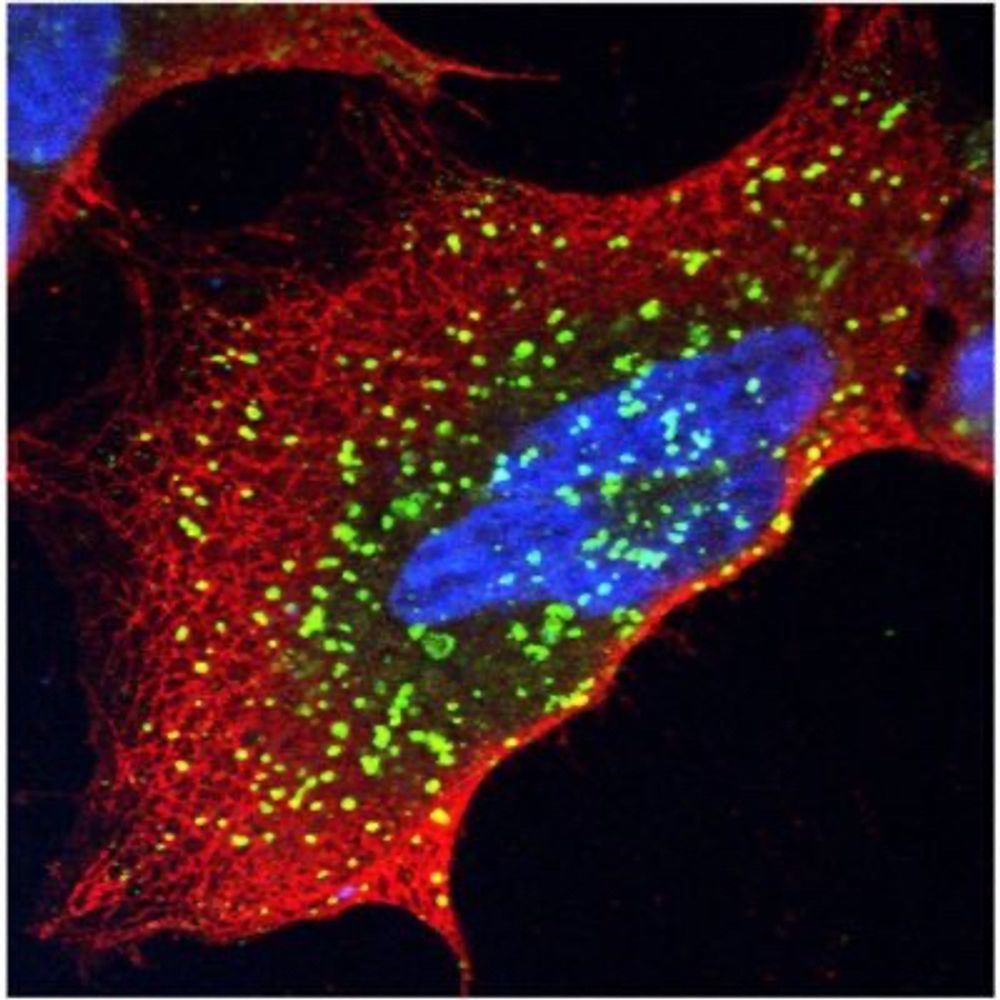
Autolamellasomes: An Autophagy-Dependent Parallel Pathway for Bulk ER Degradation and Lysosome Biogenesis www.biorxiv.org/content/10.1...

Autolamellasomes: An Autophagy-Dependent Parallel Pathway for Bulk ER Degradation and Lysosome Biogenesis
Autophagy maintains cellular homeostasis through lysosomal degradation of cytoplasmic components, yet how prolonged autophagy activation reshapes organelle architecture remains poorly understood. Here...
www.biorxiv.org
November 17, 2025 at 3:22 PM
Autolamellasomes: An Autophagy-Dependent Parallel Pathway for Bulk ER Degradation and Lysosome Biogenesis www.biorxiv.org/content/10.1...
Autolamellasomes: An Autophagy-Dependent Parallel Pathway for Bulk ER Degradation and Lysosome Biogenesis www.biorxiv.org/content/10.1101/2025.11.16.688694v1 #cryoem
November 17, 2025 at 12:46 PM
Autolamellasomes: An Autophagy-Dependent Parallel Pathway for Bulk ER Degradation and Lysosome Biogenesis www.biorxiv.org/content/10.1101/2025.11.16.688694v1 #cryoem